

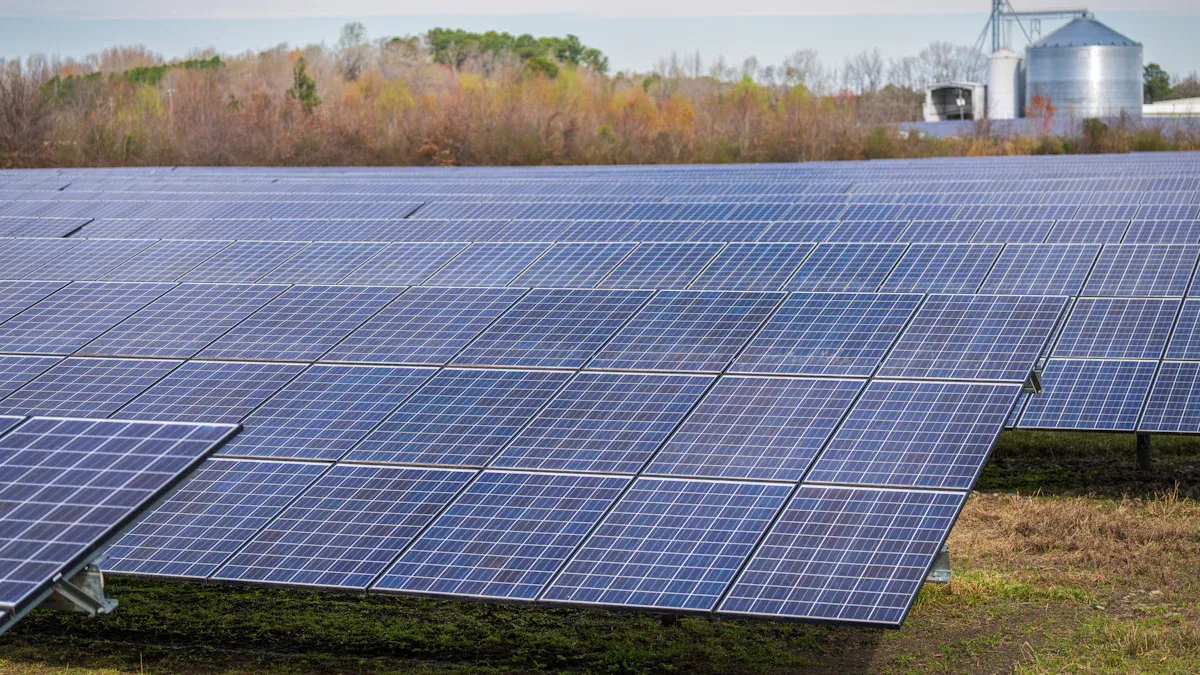
Off-grid solar systems play a vital role in achieving energy independence and promoting sustainable living. To choose the right off-grid solar system is crucial for maximizing efficiency and ensuring cost-effectiveness. Several factors influence your decision, including the size and capacity of the system, the type of solar panels, and your geographic location. Understanding these elements will help you make an informed choice that aligns with your energy needs and budget.
Factor | Description |
|---|---|
Size and Capacity of the System | Directly influences the overall cost of solar installation. |
Type of Solar Panels | Affects efficiency, cost, and installation requirements significantly. |
Geographic Location | Impacts installation costs and potential solar efficiency gains. |
Additional Equipment | Items like inverters and batteries increase upfront installation costs. |
Key Takeaways
Calculate your daily energy needs by listing appliances and their wattages. This helps you size your solar system accurately.
Evaluate your geographic location for solar potential. Consider factors like latitude and climate to maximize energy production.
Choose high-quality components, including efficient solar panels and reliable batteries. This ensures better performance and longevity.
Budget for both initial costs and long-term savings. Understand the investment required and the potential return over time.
Perform regular maintenance checks on your system. This keeps it running efficiently and helps identify issues early.
Assessing Energy Needs
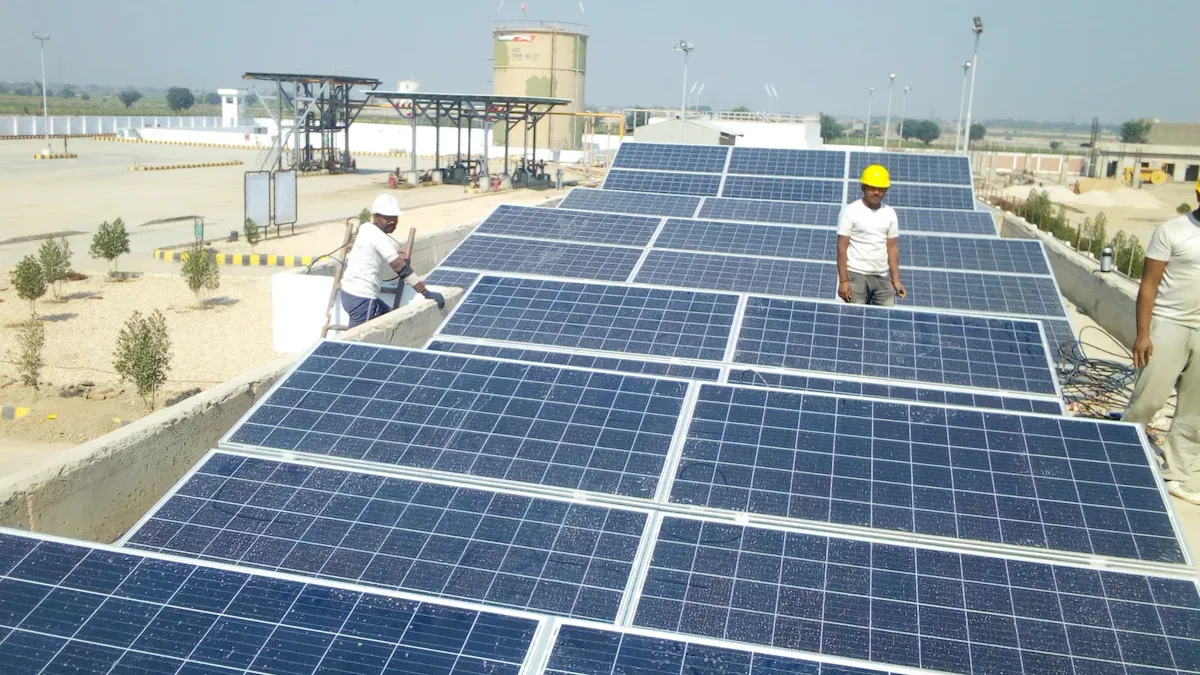
Daily Energy Calculation
To choose the right off-grid solar system, you must first calculate your daily energy needs. This calculation helps you understand how much power your home consumes. Start by listing every electrical device you use. For each device, determine its wattage. You can find this information on the compliance plate or sticker on the appliance. If the wattage is missing, use the formula:
Watts = Volts × Amps
For precise readings, consider using an electricity usage monitor.
Next, estimate how many hours each device runs daily. Multiply the wattage by the hours used to find the daily watt-hours for each device. Here’s a simple table to illustrate this:
Appliance | Wattage (W) | Hours Used/Day | Daily Watt-hours (Wh) |
|---|---|---|---|
LED Light Bulb (x5) | 45W | 6 hours | 270 Wh |
Refrigerator (Energy Star) | 100W | 8 hours | 800 Wh |
Laptop | 60W | 4 hours | 240 Wh |
Television (LED) | 80W | 3 hours | 240 Wh |
Water Pump (1 HP) | 750W | 0.5 hours | 375 Wh |
Phone Charger | 10W | 2 hours | 20 Wh |
Total Daily Energy Consumption: | 1945 Wh (or 1.945 kWh) |
This total gives you a clear picture of your daily energy consumption.
Lifestyle Impact
Your lifestyle significantly impacts your energy needs. For example, if you work from home, you may use more electricity for computers and lighting. Seasonal changes also affect your energy consumption. During winter, you might need more heating, while summer may require additional cooling.
Consider these factors when planning your off-grid solar system:
Seasonal changes in sunlight affect energy production.
Understanding your energy usage patterns throughout the year is essential for sizing your solar system.
Peak energy months can vary, impacting your daily energy needs.
Variability in sunlight requires adjustments in system sizing to ensure adequate power generation.
Sufficient energy storage is crucial for maintaining power during low sunlight periods.
By assessing both your daily energy calculation and lifestyle impact, you can better determine the right off-grid solar system for your home.
Evaluating Site Conditions
Location and Solar Potential
Your location plays a crucial role in determining the solar potential of your off-grid system. Different regions receive varying amounts of sunlight throughout the year. To assess your solar potential, consider the following factors:
Latitude: Your latitude affects the angle of sunlight. Areas closer to the equator receive more direct sunlight year-round. In contrast, locations further north or south may experience seasonal variations.
Climate Zone: Different climate zones have unique weather patterns. For example, tropical regions have consistent sunlight, while temperate zones may have cloudy winters.
You can use various resources to evaluate your solar potential based on your geographic location. Here’s a table of helpful tools:
Resource | Description |
|---|---|
Estimate solar power potential | A project that helps estimate solar power potential using GIS tools. |
Solar Resource Data, Tools, and Maps | Access tools to explore solar geospatial data for various regions. |
Solar Resource Maps and Data | Find and download resource map images and data for North America and beyond. |
Solar Supply Curves | View an interactive map or download geospatial data on solar photovoltaic supply curves. |
Understanding your location’s solar potential helps you size your system correctly. For instance, if you live in a region with lower sunlight, you may need to oversize your solar array to meet your energy needs.
Environmental Factors
Environmental factors also significantly impact solar energy generation. Here are some key elements to consider:
Shading: Nearby trees, buildings, or debris can cast shadows on your solar panels. Even partial shading can reduce their efficiency. Ensure your installation site has minimal obstructions.
Weather Patterns: Cloud cover can limit sunlight exposure. In regions with frequent rain or snow, you may need to account for reduced energy production during those periods.
Solar panels operate best at around 77°F (25°C). Higher temperatures can decrease their efficiency due to the materials used in their construction. Here’s a table summarizing the environmental factors affecting solar energy generation:
Factor | Description |
|---|---|
Shading | Shadows from trees, buildings, or debris can significantly reduce solar panel performance. |
Weather Patterns | Cloud cover can also affect solar energy generation, as it reduces the amount of sunlight reaching panels. |
Keep in mind that energy consumption patterns change with the seasons. For example, during winter, solar irradiance can drop significantly in northern latitudes. This drop can lead to a 60-70% reduction in energy production. Therefore, understanding your local climate and seasonal changes is essential for optimizing your off-grid solar system.
By evaluating both your location and environmental factors, you can make informed decisions about your off-grid solar panel system. This knowledge will help you maximize energy production and ensure your system meets your electricity needs.
Choosing Off-Grid System Components
When you choose an off-grid solar system, selecting the right components is essential. The three main components are solar panels, battery storage, and inverters. Each plays a vital role in ensuring your system operates efficiently.
Solar Panels
Choosing the right solar panels is crucial for maximizing energy production. Here are some key criteria to consider:
Criteria | Description |
|---|---|
Panel Efficiency | Higher efficiency panels convert more sunlight into electricity, crucial for off-grid systems. |
Quality Certifications | Look for UL 1703, IEC 61215, and IEC 61730 certifications to ensure safety and performance standards. |
Warranty Considerations | Longer product and performance warranties indicate better durability and reliability over time. |
Degradation Rates | Lower degradation rates ensure sustained performance, with high-efficiency panels typically using N-type silicon cells. |
Selecting high-quality solar panels ensures you get the most out of your investment.
Battery Storage
Battery storage is another critical component of your off-grid solar system. It stores energy for use when sunlight is not available. Different battery types have varying lifespans and maintenance needs. Here’s a comparison:
Battery Type | Lifespan | Maintenance Requirements |
|---|---|---|
Lithium-Ion | 8–15 years | Minimal maintenance |
Lead-Acid | 3–5 years | Regular maintenance required |
Flow | Extended lifespan | Varies, generally lower than lead-acid |
Lithium-ion batteries are popular due to their long lifespan and low maintenance. Choose a battery that fits your energy needs and budget.
Inverter Selection
Inverters convert the direct current (DC) from your solar panels into alternating current (AC) for your home. When selecting an inverter, consider these factors:
The inverter’s AC output capacity should match your household electricity demands.
Compatibility with local AC voltage and frequency is essential to avoid appliance damage.
The inverter must be compatible with the battery’s DC output voltage, which can vary (12V, 24V, etc.).
Ensure the inverter works with the specific battery type (lead-acid, lithium-ion, etc.).
If the inverter has a built-in solar charge controller, it should align with the solar array’s specifications, including max PV input power and input voltage range.
By carefully selecting your solar panels, batteries, and inverters, you can create a reliable and efficient off-grid solar system that meets your energy needs.
Budgeting for Off-Grid Solar
Initial Cost Estimation
When budgeting for an off-grid solar system, you must consider several initial costs. These costs can vary significantly based on system size and component quality. Here are some key points to keep in mind:
The initial costs for an off-grid solar panel system can exceed $115,000 for an average-sized home.
Battery storage costs can range from $116,000 to $165,000 or more, contributing significantly to the overall expense.
Larger systems often have different cost structures compared to smaller installations.
The quality of components impacts both production and installation costs. Higher-quality manufacturing processes lead to improved safety during installation.
Tip: Always compare quotes from multiple suppliers to find the best deal on components.
Long-Term Savings
Investing in an off-grid solar system can lead to substantial long-term savings. Here’s a breakdown of potential savings based on different scenarios:
Scenario | Initial Investment (after incentives) | Avoided Annual Electricity Bills | Typical Payback Period | 30-Year ROI |
|---|---|---|---|---|
Remote properties without grid connection | $40,000-$60,000 | $1,500-$2,500 | 5-10 years | 300-500% |
Properties with existing grid connection | $40,000-$60,000 | $1,500-$2,500 | 15-25 years | 100-200% |
New construction with grid access | $40,000-$60,000 | $1,500-$2,500 | 12-20 years | 150-250% |
Off-grid systems typically have longer payback periods due to higher initial costs associated with battery storage. In contrast, grid-tied systems offer quicker returns on investment due to lower upfront costs and net metering benefits.
By understanding both the initial costs and long-term savings, you can make a more informed decision about investing in an off-grid solar system for your home.
Installation Considerations
DIY vs. Professional
When deciding on the installation of your off-grid solar system, you can choose between DIY and professional installation. Each option has its pros and cons.
Here’s a comparison to help you decide:
Aspect | DIY Installation | Professional Installation |
|---|---|---|
Advantages | Savings: You can save money by avoiding labor fees. | Expertise: Skilled professionals ensure proper installation. |
Greater Control: You manage the project timeline. | Time Efficiency: A skilled team can install faster. | |
Convenience: You have flexibility in scheduling. | Comprehensive Warranties: You get protection against issues. | |
Disadvantages | Legal Restrictions: You may need professional certification. | Higher Initial Costs: Expect a more expensive upfront investment. |
Required Expertise: You need technical knowledge. | Limited Customization: Installations follow industry standards. | |
Safety Concerns: Risks arise from improper installation. | Dependency on External Factors: Delays can occur. |
If you choose DIY, be aware of common mistakes. These include failing to evaluate your solar potential, misjudging your energy needs, and overlooking battery storage. Always plan for expansion and monitor system performance regularly.
Permits and Regulations
Before starting your installation, check local permits and regulations. These can vary by state or country. Here are some common requirements:
Building Permit: Required for structural work to ensure safety.
Electrical Permit: Necessary for systems generating and storing electricity.
Zoning Permit: May be needed, especially in residential areas.
System Size Regulations: Larger systems often require more extensive permitting.
For example, in Poland, you need a building permit and a connection agreement with the grid operator. In Spain, a building permit and a grid connection agreement are mandatory.
Local building codes also affect your installation. They set safety standards for solar panel installations, addressing structural integrity and electrical safety. Compliance with these codes is essential for the safe operation of your off-grid solar system.
By understanding these installation considerations, you can make informed choices that ensure a successful setup for your off-grid solar system.
Maintenance of Off-Grid Systems
Regular Checks
To keep your off-grid solar system running smoothly, you must perform regular maintenance checks. Here are some essential tasks to include in your routine:
Inspect Solar Panels: Check for dirt, debris, or damage. Clean panels regularly to maximize energy production.
Check Battery Levels: Ensure your batteries are charged. Maintain electrolyte levels if you use lead-acid batteries.
Inspect the Inverter: Look for error codes and clean it to prevent dust accumulation.
Check Electrical Connections: Regularly inspect for loose connections and signs of overheating.
Maintain Charge Controllers: Ensure they are set correctly and inspect for any damage.
You should perform these checks monthly to ensure optimal performance. Additionally, consider the following maintenance schedule:
Frequency | Maintenance Task |
|---|---|
Monthly | Visual inspection, connection tightness, ventilation check |
Quarterly | Clean air filters, verify settings, test alarms |
Annually | Torque all connections, insulation testing, firmware updates |
As Needed | Battery maintenance, software updates, calibration |
Troubleshooting
Sometimes, issues may arise with your off-grid solar system. Here are common symptoms and how to address them:
Symptom | Potential Cause | First Step to Check |
|---|---|---|
Inverter shuts down when a large appliance starts | Overload or low battery voltage | Check the inverter’s load meter and the battery’s voltage under load. |
Flickering lights | Loose AC wiring or an overloaded inverter | Inspect all AC connections and reduce the number of active appliances. |
Inverter shows a fault code | Specific internal error (e.g., overheat, short circuit) | Consult the inverter’s user manual to identify the fault code. |
If you notice performance problems, follow these troubleshooting steps:
Visual inspection: Examine panels for dirt, debris, shading, or damage.
Performance check: Compare current production data with historical trends.
Inverter status: Check for error codes or unusual displays on the inverter.
Connection points: Inspect wiring and connections for damage or corrosion.
Environmental factors: Consider recent weather or changes affecting performance.
System reset: Reset monitoring hardware if communication issues arise.
By performing regular checks and troubleshooting effectively, you can maintain your off-grid solar system’s efficiency and reliability.
Maximizing Solar Efficiency
Energy-Saving Practices
To maximize the efficiency of your off-grid solar system, you can adopt several energy-saving practices. Start by using energy-efficient appliances. These appliances consume less power, which reduces your overall energy needs. This reduction allows you to downsize your solar system, saving you money.
Implementing power strips can also help. These strips minimize phantom loads, which occur when devices draw power even when turned off. By using power strips, you can easily cut off power to multiple devices at once, reducing unnecessary energy consumption.
Here are some additional energy-saving tips:
Use LED light bulbs instead of traditional incandescent bulbs. They consume up to 80% less energy.
Set your refrigerator to the optimal temperature. Keeping it between 35°F and 38°F can save energy.
Unplug chargers and devices when not in use to prevent energy waste.
Investing in high-quality equipment can further enhance your system’s reliability. Quality components often require less maintenance and last longer, ensuring you get the most out of your investment.
Upgrading Components
Upgrading your system components can significantly boost your solar efficiency. For instance, consider switching to lithium batteries. These batteries allow for nearly complete discharge, providing greater reserve power and longevity compared to lead-acid batteries.
You might also want to install a more robust solar panel array. Adding more panels, such as four 100-watt panels, can significantly increase your solar power capacity. This upgrade ensures you capture more sunlight, especially during peak hours.
Another valuable upgrade is a Victron MPPT solar charge controller. This controller optimizes energy capture and storage, ensuring your system operates at peak efficiency. With smart charging capabilities, it maximizes the energy you collect from your solar panels.
By implementing these energy-saving practices and upgrading your components, you can enhance the efficiency of your off-grid solar system. This approach not only saves you money but also contributes to a more sustainable lifestyle.
Choosing the right off-grid solar system involves several key steps. First, assess your home’s energy needs to size your system accurately. Next, evaluate your site location for solar potential and environmental factors. Then, select the right components, including solar panels, batteries, and inverters. Finally, budget for your system to understand the costs involved.
Investing in an off-grid solar solution not only reduces your electricity bills but also contributes to a cleaner environment by lowering greenhouse gas emissions. Take action today to secure a sustainable energy future for your home!
