

Hunting for solar panels assembled on American soil means balancing efficiency claims, build quality, and the real-world conditions where these panels actually live. I’ve put together a list spanning trail-cam power banks, rooftop-ready rigid panels, and portable folding kits built for campers and RV owners. The goal here is simple: match each panel to a real use case so you end up with gear that fits your situation, not a generic spec dump.
A Snapshot Of The Selections
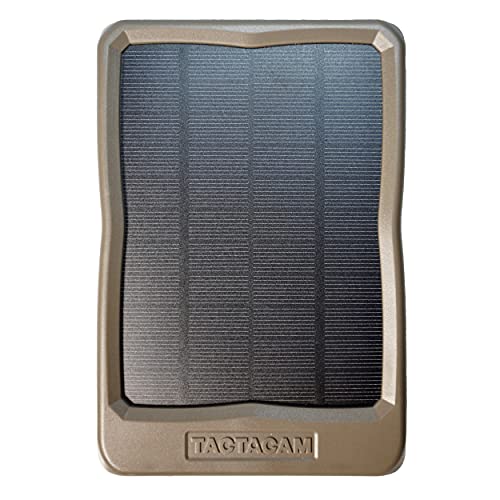
TACTACAM Reveal Solar Panel for Trail Cameras (Solar Panel)

Renogy 50 Watt 22% High-Efficiency Monocrystalline Solar Panel

TWELSEAVAN 400W 24% High-Efficiency ETFE Foldable Solar Panel

Renogy 100W N-Type 25% High-Efficiency 16BB Solar Panel (2-Pack)
TWELSEAVAN 280W HPBC IP65 Waterproof Portable Solar Panel

TWELSEAVAN 120W 24% High-Efficiency ETFE Foldable Solar Panel

TWELSEAVAN 200W 24% High-Efficiency ETFE Foldable Solar Panel

TWELSEAVAN 500W HPBC Cell Portable Solar Panel

TWELSEAVAN 250W HPBC Cell Portable Solar Panel

TWELSEAVAN 150W Portable Solar Panel for Power Station
A Deeper Look At The Lineup
This isn’t a panel for charging your phone at the campsite. The TACTACAM Reveal Solar Panel is a specialty accessory designed to feed trail cameras, the kind of motion-triggered scouting units hunters and wildlife watchers mount in remote woods. It runs at 12 volts with an integrated rechargeable lithium battery, so it can keep a camera alive even after the camera’s own AA cells die. For anyone running cellular scouting cameras deep in the backcountry, that kind of redundancy matters.
Where it gets tricky is the narrow use case. This panel is built around TACTACAM Reveal models, specifically the X 2.0, X, Gen 1, SK, and XB variants, and the brand mentions compatibility with other trail-cam brands too. Anyone looking to power a cabin, RV, or power station should skip straight to the portable folding panels further down this list. For its intended job, the integrated battery buffer feels like a thoughtful touch in the field.
Why It Works Well
- 12-volt output designed specifically for trail cameras, with a built-in lithium buffer to keep units alive when internal batteries fail
- Compatible with Reveal X 2.0, X, Gen 1, SK, and XB units, and reportedly works with other camera brands too
- Compact form factor that mounts to a tree or post without pulling attention from wildlife
- Removes the chore of swapping AA batteries in cameras deployed on remote hunting land
Trade Offs
- Useful only for trail-cam owners, with no real value for general solar buyers
- Long-term owners commonly report that exposed glass needs periodic clearing of pollen and sap to keep output steady
Whose Shelf It Belongs On
Hunters and serious wildlife watchers running cellular scouting cameras in remote woods where swapping batteries every few weeks isn’t realistic.
Where Another Pick Suits Better
Anyone wanting off-grid power for camping or RV use should reach for the Renogy 50 Watt 22% High-Efficiency Monocrystalline Solar Panel instead, since it’s a true general-purpose rigid panel.
The Renogy 50-watt monocrystalline panel is the small-format workhorse that anchors many first off-grid projects. With a 22% conversion rate (the share of sunlight actually turned into electricity), it’s a meaningful step up from older polycrystalline cells, which typically land in the 15 to 17% range. The corrosion-resistant aluminum frame is built to handle years of rooftop or pole-mount exposure without flexing or rusting.
For sheds, small cabins, gate-openers, and battery-tender setups, 50 watts is often the sweet spot between price and usable output. The advanced encapsulation material with multi-layered sheet laminations helps the cells last through thermal cycling, and bypass diodes (tiny electrical bridges that let current skip a shaded cell) keep output from collapsing when a branch partially shades the panel. Anyone scaling up to a full home array will want bigger panels like the Renogy 100-watt pair, but this is a sensible starter.
Useful Touches
- 22% efficiency rating delivers real output in tight spaces like a shed roof or porch rail
- Multi-layered encapsulation helps cells survive years of hot-summer, cold-winter cycles
- Bypass diodes protect against partial-shade losses, a common issue with fixed rooftop mounts
- Aluminum frame resists corrosion in coastal or humid climates
Things To Consider
- 50 watts won’t move the needle for whole-house or large-RV needs
- Glass surface requires occasional cleaning to shed dust, pollen, and bird droppings
- EL testing (electroluminescence inspection that catches micro-cracks) is mentioned by the brand, though buyers can’t easily verify each individual unit
Built With In Mind
DIYers powering a small shed, gate, water-pump controller, or maintaining a battery bank for occasional weekend use.
Reach For A Different Pick When
Full-time off-grid households and RV travelers should look at the Renogy 100W N-Type 25% High-Efficiency 16BB Solar Panel (2-Pack), which delivers double the output per array.
The TWELSEAVAN 400-watt portable panel is a serious piece of folding hardware aimed at users who need to refill a sizeable power station in a single sunny afternoon. The A+ grade monocrystalline cells hit a 24% conversion rate, and the ETFE (ethylene tetrafluoroethylene) laminated top layer is rated for over 95% light transmittance, meaning less sunlight is lost passing through the protective skin. ETFE is also notably more scratch- and UV-resistant than the cheaper PET (polyethylene terephthalate) coating you’ll find on entry-level panels.
The MC4 output (the standard solar connector used across the industry) keeps it broadly compatible with most modern power stations. Where this panel really earns its keep is in field setups where weight still matters but raw output matters more, like overlanding rigs, base camps, and emergency backup. For someone running a single 120W portable panel, stepping up to 400 watts in a folding format often shaves hours off recharging a depleted battery bank.
Positive Takeaways
- 24% cell efficiency with ETFE laminate, meaning faster top-ups on a power station than most portable panels in this size class
- IP65 weather rating (protected against low-pressure water jets and dust ingress) handles rain and dust storms without worry
- Standard MC4 connectors work with most major power stations out of the box
- Folding form factor still stows in a car trunk or RV basement
Points To Note
- Unfolded footprint is large, so you’ll need a flat parking spot or open ground to lay it out
- Folding hinges and grommets tend to take the most abuse over years of travel, so worth a quick visual check each season
- IP65 is rain-resistant, not submersible, so it should be brought inside during heavy downpours when possible
Made For
Overlanders, base-camp hosts, and emergency-prep households running a mid-to-large power station who want one panel that can nearly refill the battery in a day.
Look Elsewhere When
Backpackers and minimalist campers should consider the lighter TWELSEAVAN 120W 24% High-Efficiency ETFE Foldable Solar Panel, since they likely can’t justify the 400W model’s footprint and weight.
This two-pack of Renogy 100-watt panels is where many serious DIY arrays begin. The N-type cells (a newer silicon structure that loses less energy to heat than older P-type cells) hit a 25% conversion rate, which Renogy claims produces roughly 20 watts more per panel than standard 100-watt designs of the same physical size. The 16BB architecture refers to the number of thin metallic busbars printed on each cell, more busbars means shorter current paths and lower resistive losses, especially valuable in low-light conditions.
Compared to the smaller Renogy 50-watt panel earlier on the list, these 100-watt units are the natural step up for anyone building a meaningful rooftop array on a cabin, van, or ground-mount frame. They’re rigid, framed, and meant for permanent or semi-permanent installation, so don’t expect to toss them in the trunk. For someone wiring a full off-grid system, the 2-pack format also simplifies series and parallel wiring (linking panels to raise voltage or current) with matched specs.
Strengths Worth Knowing
- 25% efficiency with N-type cells means roughly 20 extra watts per panel versus older 100W designs
- 16BB cell layout reduces power loss in cloudy weather and partial shade
- Two matched panels take the guesswork out of series-string wiring
- Rigid aluminum-frame format is built for permanent rooftop or pole-mount installs
A Few Limitations
- Not portable; these are meant to be mounted, not folded into a bag
- Two-panel output (200W total) still leaves a full home array wanting more panels
- Glass-topped rigid panels are heavier than ETFE folding kits, so rooftop mounting requires solid brackets
Right Fit For
DIYers assembling a permanent rooftop or ground-mount solar array for a cabin, van conversion, or workshop where weight and rigidity aren’t concerns.
A Better Fit Elsewhere
Anyone needing grab-and-go power for camping or emergency backup will find the TWELSEAVAN 200W 24% High-Efficiency ETFE Foldable Solar Panel a much more portable solution.
HPBC (Hybrid Passivated Back Contact) cells are the newer generation of solar architecture. Instead of the thin metal grid lines you see on the front of most panels, the electrical contacts sit on the back, leaving the entire front face free to absorb light. The result is a 25.8% conversion rate and a clean, uniform look that also tends to run cooler than conventional designs. For RV owners who want serious wattage in a foldable footprint, the TWELSEAVAN 280-watt panel hits a comfortable middle ground between the 200-watt and 400-watt options on this list.
The IP65 rating means dust-tight and protected against water jets, so rain, dew, and road spray are non-issues during weekend trips. Where this panel stands out from the older ETFE-only TWELSEAVAN units is the early-morning and late-afternoon performance boost. Anyone who has watched a rigid panel flatline at dawn knows that even a small percentage of extra low-light output extends the usable charging window by an hour or more each side of solar noon.
A Strong Showing
- 25.8% efficient HPBC cells outperform older N-type panels in low light
- 280W output in a portable folding form is a sweet spot for mid-size RVs
- IP65 waterproofing shrugs off rain and road spray
- Clean back-contact design runs cooler, which can extend cell life over years of summer trips
Softer Spots
- Folding hinges and stand legs typically need a careful look before each season, since they take the brunt of setup wear
- 280W is generous for a weekend trip but still undersized for full-time RV living off-grid
- Higher cell efficiency comes with a heavier bill than basic 200W folding panels
Best Suited To
Weekend RV warriors and overlanders with mid-size battery banks who want meaningful charging without committing to a rooftop install.
Swap It Out When
Full-time RVers living off-grid should consider the TWELSEAVAN 500W HPBC Cell Portable Solar Panel, which roughly doubles output for sustained boondocking sessions.
The 120W portable from TWELSEAVAN is the panel most backpackers and overlanders end up grabbing. It weighs in light enough to slide into a daypack, folds down small, and offers a real-world charge rate that can refill a typical 500Wh power station in a single bright day. The ETFE laminate with 95% light transmittance is the same skin used on the larger 400W sibling on this list, so scratch resistance and UV durability carry over.
Where this panel diverges from the bigger TWELSEAVAN folders is its built-in USB outputs. The QC3.0 (Quick Charge 3.0) port and Type-C 60W output let you charge phones, headlamps, and even some laptops directly from the panel, no power station required. For backpackers counting ounces, that combination of direct USB output and a folding footprint is genuinely useful, even if the headline wattage is more modest than the 200W and 280W siblings.
Everyday Wins
- Built-in QC3.0 and Type-C 60W outputs let you charge phones and laptops directly, no power station needed
- ETFE laminate is notably tougher than the PET coating found on cheap portable panels
- Lightweight folding design fits in a backpack for backcountry trips
- IP65 weather rating handles unexpected rain without panic
Honest Caveats
- 120W is plenty for a power station but slow for large battery banks over 1,000Wh
- USB ports deliver advertised output only in full, direct sunlight, which is rare at dawn or dusk
- MC4 adapter cable (the connector standard for solar panels) is sometimes stored externally, so check the included accessories
Perfect Match For
Backpackers, weekend campers, and overlanders with small-to-mid power stations who value low weight and direct USB charging over maximum wattage.
Skip It When
RV travelers powering larger battery banks should reach for the TWELSEAVAN 280W HPBC IP65 Waterproof Portable Solar Panel instead, which roughly doubles the charging speed for similar portability.
Think of the 200W TWELSEAVAN as the Goldilocks panel in this lineup: meaningful output without the bulk of the 280W or 400W models. It uses the same A+ grade monocrystalline cells as the larger TWELSEAVAN folders, hitting that 24% conversion rate, and the same ETFE laminate, so build quality is consistent across the family. For most campers running a 1,000Wh-class power station, a single 200W panel is the difference between a leisurely trickle charge and a confident full refill before dinner.
The included 8-in-1 MC4 adapter set makes this panel play nicely with most major power-station brands without buying extra cables. That’s a small detail that matters more than it sounds, since chasing proprietary adapters is one of the most common frustrations for first-time solar shoppers. The folding format also means it works equally well leaned against a picnic table, hung from a tree branch, or laid flat on a rocky campsite.
Notable Upsides
- 200W is enough to top up a 1,000Wh power station in a long afternoon of sun
- ETFE laminate resists scratches and UV damage far better than PET-coated panels
- 8-in-1 MC4 adapter set covers most major power-station brands out of the box
- Same 24% cell efficiency as the larger TWELSEAVAN siblings, just at a friendlier size
Things To Weigh
- Larger unfolded footprint than the 120W sibling, so smaller campsites can feel crowded
- 200W is mid-range; full-time off-grid living still calls for the 500W option
- Folding stand legs and grommets commonly see wear after a couple of heavy seasons
Who It Suits Best
Weekend campers, tailgaters, and emergency-prep households running a mid-size power station who want one panel that fits most situations without specialization.
Consider Something Else When
Anyone prioritizing maximum low-light output should consider the TWELSEAVAN 280W HPBC IP65 Waterproof Portable Solar Panel, which uses newer cell technology for cloudy-day charging.
The 500W HPBC panel from TWELSEAVAN is the heavyweight in the portable segment, and it’s pitched at people who genuinely want portable panels to function as a meaningful backup power source, not just a phone charger. The HPBC cells maintain a 25% conversion rate and keep around 10% output in low-light conditions like early dawn, sunset, and heavy overcast. The 42V high-voltage design makes it well-suited to off-grid RV setups and home backup configurations that expect higher panel string voltages.
For a single-panel solution, 500W is enough to refill many 2,000Wh-class power stations in a day of mixed sun. Compared to the 400W TWELSEAVAN earlier on this list, the extra wattage comes from a larger unfolded footprint rather than dramatically better cell efficiency. Anyone who can dedicate the trunk space or a backyard rack to a panel of this size is getting close to small-rooftop-array output in a portable form factor.
What Earns Its Place
- 25% efficient HPBC cells maintain roughly 10% output even in low-light dawn and overcast conditions
- 42V high-voltage design is suited to RV and home-backup wiring
- 500W single-panel output can refill large power stations in a single day
- HPBC architecture runs cooler, which can extend cell lifespan over years of summer use
Practical Considerations
- Unfolded size demands a flat clearing or a large rooftop rack; this is not a casual day-trip panel
- Weight is meaningful enough that two people are helpful during setup
- High-voltage output requires compatible charge controllers (devices that regulate power flowing from panel to battery); not every portable power station handles 42V input
Made For
Home-backup planners, full-time RV boondockers, and off-grid workshop owners running large battery banks who want maximum wattage in a single folding unit.
Where Another Pick Suits Better
Travelers who actually move camps every night should look at the TWELSEAVAN 200W 24% High-Efficiency ETFE Foldable Solar Panel, which is far easier to deploy at a moment’s notice.
The 250W TWELSEAVAN is the most weather-sealed panel on this list, rated at IP68, meaning it’s dust-tight and protected against continuous submersion. For coastal campers, boat owners, and anyone in rainy regions, that rating is a meaningful upgrade over the more common IP65. The HPBC cells hit 25.8% efficiency, and the ETFE surface carries 95% light transmittance, which is the same combination seen on the 280W sibling panel earlier.
The trade-off is the hot-spot shield technology built into the panel, a thermal-protection feature that prevents individual shaded cells from overheating and damaging the array. That’s particularly useful on folding panels, since folds and tilts create more shading scenarios than flat rooftop mounts. For anyone whose solar plans involve salt spray, frequent rain, or a marine environment, the IP68 rating alone is often the deciding factor.
Positive Points
- IP68 rating handles coastal spray, rain, and brief submersion events
- 25.8% HPBC cell efficiency with 95% ETFE light transmittance
- Hot-spot shield protects cells from thermal damage during partial shading
- 250W output lands between the 200W and 280W siblings for versatile use
Small Caveats
- 250W means a slightly larger unfolded footprint than the 200W model
- IP68 connectors and junction boxes still benefit from a quick visual check before each season
- HPBC premium technology costs more per watt than basic ETFE-only panels
Right Fit For
Coastal campers, sailboat owners, and rainy-climate adventurers who need the highest waterproof rating in a portable folding format.
Where A Sibling Pick Shines
Dry-climate weekend campers may prefer the lighter TWELSEAVAN 150W Portable Solar Panel for Power Station, which costs less and handles the same basic needs without the IP68 premium.
The 150W TWELSEAVAN sits in an interesting position: it’s the entry point into HPBC cell technology without jumping all the way to the larger 250W or 280W siblings. For first-time solar shoppers who want better-than-basic performance without committing to a flagship price, this panel is where many people land. The HPBC cells hit a 25.8% conversion rate, and an added fiberglass layer beneath the ETFE laminate helps resist tearing and extends panel lifespan compared to single-layer designs.
The 150W output is enough to give a typical 500 to 1,000Wh power station a meaningful refill in a long afternoon, especially in direct midday sun. Where it differs from the 120W TWELSEAVAN earlier in the list is in build quality, fiberglass reinforcement and HPBC cells generally outlast the cheaper ETFE-only entry-level panels. For someone trying solar for the first time, that balance of price, output, and longevity tends to feel right.
Good Reasons To Consider
- 25.8% HPBC cell efficiency at an approachable price point
- Fiberglass reinforcement improves tear resistance compared to single-layer ETFE designs
- 150W output hits a comfortable middle ground between 120W and 200W siblings
- Folding form factor still works for car camping and RV trips
Less Ideal Details
- 150W is borderline for larger power stations over 1,500Wh, where a 200W or 280W panel would refill noticeably faster
- First-time solar owners may not realize they also need a compatible charge controller if not using a power station
- Output drops meaningfully in cloudy weather, common in shoulder seasons
Who Should Grab It
First-time solar shoppers and budget-minded campers stepping up from small 50W or 100W panels who want HPBC cells and fiberglass reinforcement without the larger-panel price.
Another Choice May Suit
Anyone running a power station over 1,500Wh will get more satisfaction from the TWELSEAVAN 200W 24% High-Efficiency ETFE Foldable Solar Panel, which closes the gap between refill time and battery capacity.
What To Weigh Before Picking Your Solar Setup
Cell Technology And Efficiency Ratings
The first thing that separates modern panels from older designs is the cell architecture. Monocrystalline cells (cut from a single silicon crystal) outperform polycrystalline cells in efficiency, and the newest N-type and HPBC designs go a step further by reducing electrical losses. A 22% panel produces meaningfully more power per square inch than a 17% panel, which matters when roof or campsite space is limited. For rigid rooftop arrays, monocrystalline or N-type cells are standard. For portable folding kits, HPBC is the current high-water mark.
Wattage Versus Real-World Battery Needs
A panel’s headline wattage is measured under ideal lab conditions: noon sun, cool temperatures, perpendicular angle. Real-world output is typically 70 to 85% of that rating, and falls further during morning, late afternoon, and overcast weather. A useful approach is matching panel wattage to roughly half the daily energy draw you expect, so a household or RV pulling 1,000Wh per day should target at least 500W of panel to refill comfortably even on mediocre days.
Portability, Mounting, And Durability
Folding panels with ETFE laminate work well for travel but require flat or angled space to deploy. Rigid aluminum-framed panels last longer and typically deliver more output per dollar, but they need a permanent mounting structure. Weatherproofing also varies, IP65 is fine for rain and dust, while IP68 makes sense for marine or coastal use. For first-time shoppers, matching the panel format to your real-world setup space is often more important than chasing the highest wattage number.
Common Buying Traps And When To Spend More
Pitfalls Shoppers Hit
The most common mistake is buying a panel based on headline wattage alone, then realizing it’s missing the right connectors, charge controller, or waterproofing for the intended use. Another trap is assuming a panel will deliver its rated output in cloudy weather, when real-world performance often drops to 30% or less. Buyers also frequently underestimate how much mounting hardware, cabling, and adapters add up, so factoring those in early prevents surprises.
Where The Extra Money Goes
Stepping up to HPBC cells, fiberglass reinforcement, and IP68 sealing isn’t just marketing. HPBC cells typically deliver 5 to 10% more energy in low light, which extends the usable charging window each day. Fiberglass layers noticeably improve tear resistance for panels that get folded and unfolded frequently. IP68 sealing is genuinely valuable in coastal or rainy environments. For most casual campers, mid-tier panels are enough, but full-time off-grid users and marine travelers often find the upgrade pays for itself in longevity alone.
Frequently Asked Questions
What Does Solar Panel Efficiency Actually Mean?
Efficiency is the share of sunlight a panel converts into electricity. A 25% panel turns roughly a quarter of the sunlight hitting it into usable power, while older 17% panels convert much less. Higher efficiency matters most when space is limited.
How Do I Choose Between Rigid And Portable Panels?
Rigid aluminum-framed panels are best for permanent rooftop or ground-mount arrays, since they last longer and deliver more output per dollar. Portable folding panels make sense for camping, RV trips, and emergency backup where mobility matters more than maximum wattage.
Are Higher-Wattage Panels Always Better?
Not necessarily. A 500W panel won’t help much if your power station only accepts 200W of input, and a 120W panel may be a better match for a small battery bank than a 500W unit with overkill capacity. Match panel wattage to your battery and charge controller limits.
What Is ETFE And Why Does It Matter?
ETFE stands for ethylene tetrafluoroethylene, a fluorine-based plastic used as the top layer on portable panels. It transmits more than 95% of sunlight, resists scratches and UV damage, and outlasts the cheaper PET coating used on entry-level portable panels.
Do I Need A Charge Controller?
Yes, in most cases. A charge controller regulates voltage and current between the panel and your battery, preventing overcharging and damage. Many modern portable power stations have built-in controllers, but standalone battery banks require a separate unit matched to your panel’s voltage and current.
Closing Thoughts
The right solar panel is the one that fits where you actually live and work, whether that’s a trail in the woods, a backyard shed, or a cross-country RV route. Match wattage to your battery bank, durability to your climate, and format to how you actually plan to use it. Once those three align, the rest of the choice becomes a lot easier.
