Solar energy has become essential for homeowners looking to reduce their utility bills and contribute to environmental conservation. Approximately 4.96% of single-family homes in the United States have adopted solar energy solutions as of 2024. Choosing the Best Solar Station can unlock numerous benefits, such as:
Lower installation costs through government subsidies.
The ability to send unused solar electricity back to the grid, reducing bills.
Significant monthly savings, with homeowners potentially saving up to 90% on electricity expenses.
By investing in solar power, you not only enhance your home’s value but also support a sustainable future.
Key Takeaways
Evaluate your energy needs to choose the right size solar system for your home.
Consider the type of solar generator: grid-tied, off-grid, or hybrid, based on your lifestyle.
Take advantage of financial incentives and rebates to lower your solar installation costs.
Assess installation options: DIY can save money, but professional help ensures safety and efficiency.
Understand battery capacity and surge power needs to ensure reliable backup during outages.
Solar Technology Basics
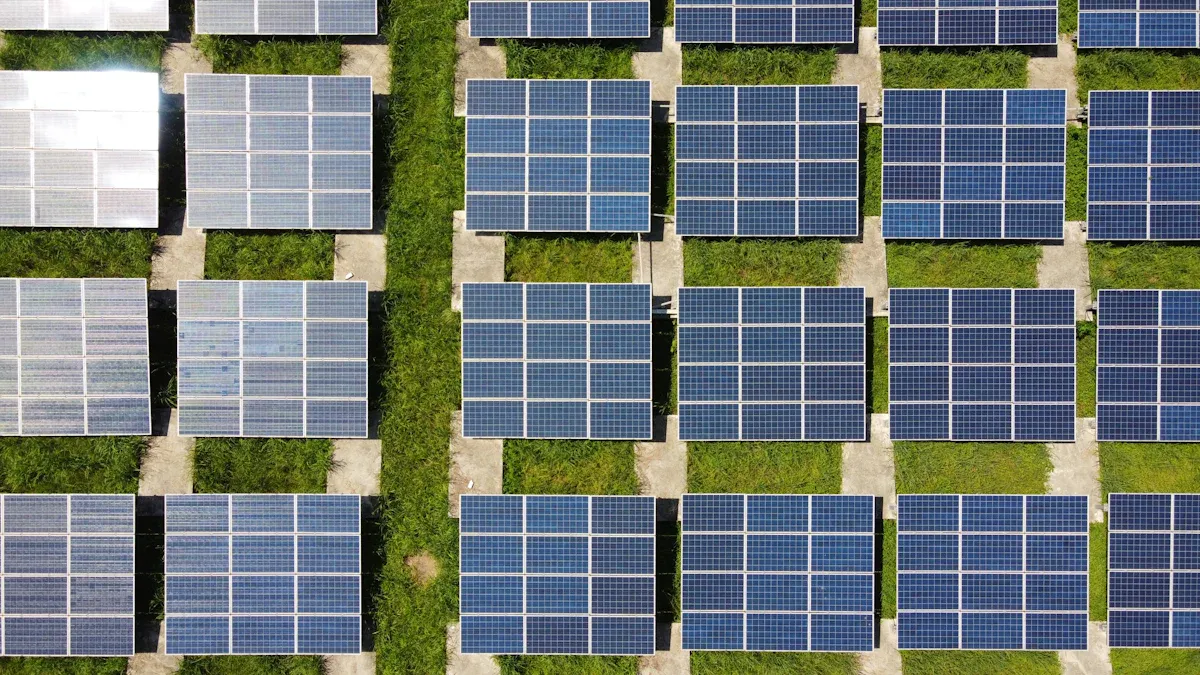
Understanding solar technology is crucial for selecting the best solar station for your home. Solar energy harnesses sunlight to generate electricity, providing a clean and renewable power source. You can use solar power for various applications, including powering your home, heating water, and charging devices.
Types of Solar Generators
When considering solar generators, you will find three main types:
Type of Solar Generator | Description |
|---|---|
Grid-Tied Solar System | Connected to the electricity grid, does not use batteries, and exports excess power. |
Off-Grid Solar System | Independent from the grid, requires batteries, suitable for remote areas. |
Hybrid Solar System | Combines grid-tied and battery backup, provides energy during outages. |
Each type has its advantages. For example, grid-tied systems are often more affordable and easier to install. Off-grid systems offer independence from utility companies, while hybrid systems provide flexibility during power outages.
Key Features of Solar Stations
When choosing a solar station, consider these essential features:
Type of battery
Battery capacity
Installation requirements
Ability to power essential appliances during outages
These features impact how well the solar station meets your energy needs. For instance, the type of battery affects how long you can store energy for later use. Battery capacity determines how much energy you can store, which is vital for ensuring you have power during cloudy days or at night.
Compatibility with your existing home electrical system is also important. Ensure that the inverter output voltage matches your home system, typically 120V or 240V. This compatibility ensures that your solar panels and solar battery storage work seamlessly with your home’s electrical setup.
By understanding these basics, you can make an informed decision when selecting the best solar station for your home.
Evaluating Energy Needs for Your Home
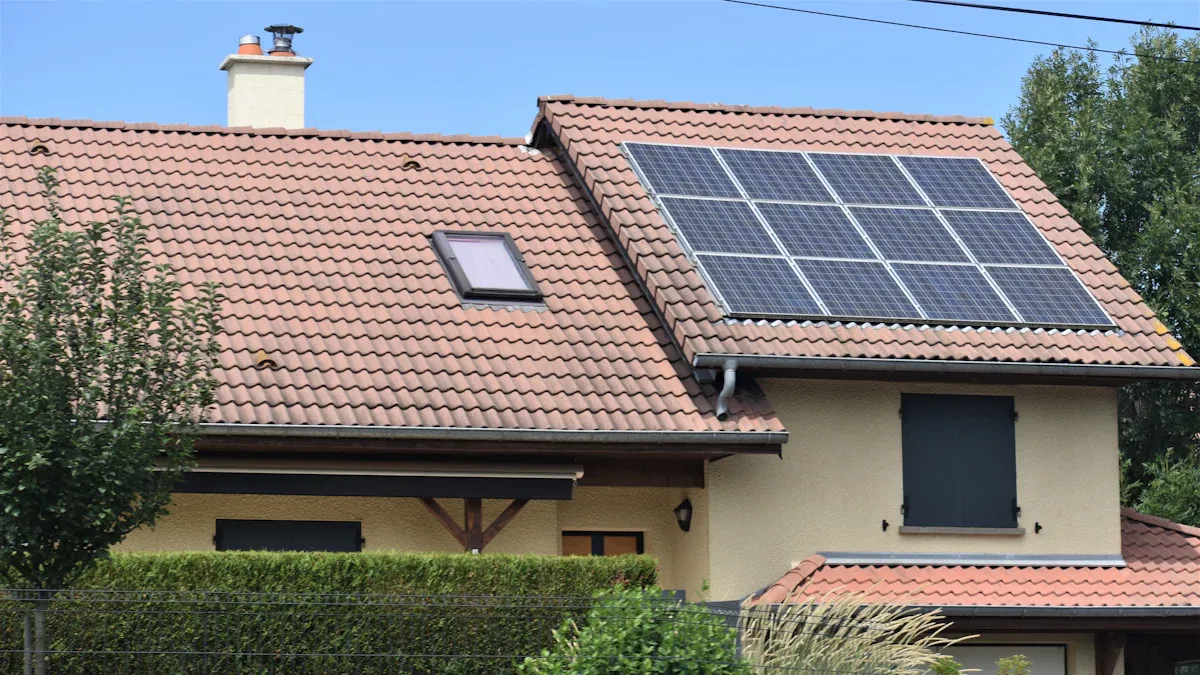
Understanding your energy needs is crucial when selecting a solar station. You must assess how much power your household consumes and what your backup requirements are during outages. This evaluation helps you choose a solar power system that meets your specific needs.
Surge Power Capacity
Surge power capacity refers to the extra power needed to start appliances that require more energy at startup than during normal operation. For example, many motorized devices, like refrigerators and air conditioners, need a surge of power to start.
To calculate surge power capacity, consider the following:
The inverter’s continuous rating should exceed your largest single load by 20-30%.
The surge rating must be double the running watts of any motorized load.
For instance, a 4000-watt power station can handle most household appliances. A circular saw, for example, requires 1200 running watts and 2400 starting watts. Thus, a 4000-watt power station can support this tool without issues.
Battery Capacity and Runtime
Battery capacity plays a significant role in how long your solar station can provide backup power. Battery capacity is measured in kilowatt-hours (kWh) and determines how much energy a battery can store. A typical home battery has a capacity of around 10 kWh, which can power essential systems for at least 24 hours without running air conditioning or electric heat.
Here are some key points to consider regarding battery capacity:
A small battery with 10 kWh can meet backup needs over a 3-day outage in most U.S. counties.
Lithium-ion batteries typically offer capacities ranging from 3 to 18 kWh per battery, with most falling between 9 and 15 kWh.
The average size of a solar battery is approximately 10 kWh.
To assess your household’s energy consumption accurately, you can use several methods:
Itemizing electrical loads: Create an inventory of individual electrical loads and appliances to estimate energy consumption accurately.
Analyzing utility bills: Review historical energy usage from electric utility bills to determine annual energy demand.
Considering energy conservation and efficiency measures: Implementing upgrades to reduce overall energy demand can lead to smaller and more cost-effective solar systems.
The table below shows average annual and monthly energy consumption figures for typical households in different regions:
State | Annual Consumption (kWh) | Monthly Consumption (kWh) |
|---|---|---|
Louisiana | 14,302 | 1,192 |
Tennessee | 14,016 | 1,168 |
Mississippi | 13,752 | 1,146 |
Alabama | 13,810 | 1,151 |
Texas | 13,584 | 1,132 |
Oklahoma | 13,579 | 1,132 |
Arkansas | 13,392 | 1,116 |
South Carolina | 13,526 | 1,127 |
Florida | 13,990 | 1,166 |
Arizona | 13,368 | 1,114 |
Hawaii | 6,036 | 503 |
Vermont | 6,804 | 567 |
New York | 6,912 | 576 |
Rhode Island | 6,912 | 576 |
Maine | 7,044 | 587 |
Massachusetts | 7,236 | 603 |
New Hampshire | 7,272 | 606 |
California | 5,892 | 491 |
Connecticut | 7,800 | 650 |
Alaska | 6,624 | 552 |
By understanding your energy needs and evaluating surge power capacity and battery capacity, you can make an informed decision when selecting the best solar station for your home.
Comparing Costs of the Best Solar Generators
When you consider investing in a solar generator, understanding the costs involved is essential. You want to balance your initial investment with the long-term savings you can achieve.
Initial Costs vs. Savings
The initial costs of solar generators can vary widely based on size and power output. Here’s a breakdown of what you might expect:
Smaller solar generators can cost around $500.
Larger models designed for whole-house power can range from $1,500 to $5,000 or more.
Professional installation fees typically range from $1,000 to $3,000.
While these upfront costs may seem high, the long-term savings can be substantial. Over a 25-year period, homeowners can save between $20,000 to $60,000, even after accounting for installation and maintenance costs. The average payback period for solar systems is between 6 to 10 years. After this period, you can enjoy free electricity, which significantly reduces your monthly expenses.
Consider this: traditional energy costs often rise unpredictably. This can lead to higher cumulative costs over time. In contrast, solar power allows you to harness free energy from the sun, offsetting your initial investment through reduced energy bills.
Here’s a quick comparison of the costs and savings:
Generator Type | Initial Cost Range | Long-Term Savings (25 years) |
|---|---|---|
Smaller Solar Generator | $500 | Up to $20,000 |
Larger Solar Generator | $1,500 – $5,000 | Up to $60,000 |
Incentives and Rebates
Many homeowners may not realize that various government incentives and rebates can help offset the costs of installing solar generators. Here are some options you might explore:
The Home Efficiency Rebate Plus program offers incentives for solar panel installation. Homeowners can receive up to $5,000 for installing solar panels and batteries.
State-level incentives vary across the United States. For example, some states offer sales tax exemptions, property tax exemptions, and net metering programs.
Here’s a table summarizing some common incentives:
Incentive Type | States Offering Incentives |
|---|---|
Sales Tax Exemption | Texas, Florida, California, New Mexico |
Property Tax Exemption | Various states (not specified) |
Net Metering | Various states (not specified) |
Solar Renewable Energy Credits | Delaware, D.C., Illinois, Maryland, Massachusetts, New Jersey, Ohio, Pennsylvania |
By taking advantage of these incentives, you can significantly reduce your overall costs. This makes investing in the best solar generators even more appealing for your home.
Installation and User-Friendliness
Professional vs. DIY Installation
When it comes to installing a solar station, you have two main options: professional installation or do-it-yourself (DIY) installation. Each choice has its pros and cons. Here’s a comparison to help you decide:
Aspect | DIY Installation | Professional Installation |
|---|---|---|
Cost | Lower upfront costs | Higher costs, but potential long-term savings |
Control | Full control over installation process | Less control, but guided by professionals |
Expertise | Requires knowledge of electrical systems and codes | Expertise ensures correct and efficient installation |
Warranty | Risk of voiding warranties | Warranty protection maintained |
Performance | Potential for errors affecting efficiency | Optimized performance and reliability |
Time and Effort | Time-consuming and complex | Generally quicker due to professional efficiency |
If you choose DIY, expect lower costs. However, you must invest time and effort. DIY projects can take weeks to complete. On the other hand, professional installations are quicker, often requiring minimal time from you.
Unique Features and Portability
User-friendly features can significantly enhance your experience with solar stations. Here are some features that homeowners value:
Real-time monitoring: You can see how much power your system generates and consumes at any moment.
Automated optimization: Systems adjust energy usage based on peak production times and electricity rates.
Seamless integration with smart home technologies: Compatibility with devices like Alexa and Google Home enhances user control and convenience.
Portability is another important factor. Portable power stations offer flexibility and ease of deployment. They are ideal for temporary power needs or as supplemental energy sources. However, they typically have lower power output and durability compared to traditional rooftop solar systems. Rooftop systems are more efficient and can qualify for tax incentives.
By considering installation options and user-friendly features, you can choose a solar station that fits your needs and lifestyle.
Choosing the best solar station for your home requires careful consideration. You must evaluate your energy needs, understand costs, and explore installation options. Here are some key takeaways to remember:
Key Takeaway | Description |
|---|---|
Declining Costs | Solar panel installation costs have decreased by over 70% since 2010. |
Increased Property Values | Homes with solar systems sold for nearly $10,000 more on average. |
Financial Incentives | Federal tax credits cover 30% of solar system costs through 2032. |
To move forward in your solar journey, consider these steps:
Assess your energy needs to determine the appropriate size of the solar system.
Verify the integrity of your roof to ensure it can support solar panels.
Research local regulations and obtain necessary permits from authorities.
Compare different solar system offers and available incentives to find the best option.
Decide whether to install the system yourself or hire professionals.
By taking these steps, you can make informed decisions that benefit both your home and the environment.
FAQ
What is a solar station?
A solar station is a system that converts sunlight into electricity. It typically includes solar panels, an inverter, and a battery. You can use it to power your home or charge devices.
How do I determine my energy needs?
To determine your energy needs, review your utility bills and list your appliances. Calculate their wattage and usage hours. This helps you choose a solar station that meets your specific requirements.
Can I install a solar station myself?
Yes, you can install a solar station yourself if you have the necessary skills. However, professional installation ensures safety and optimal performance. Consider your comfort level with electrical systems before deciding.
What are the maintenance requirements for solar stations?
Solar stations require minimal maintenance. Regularly clean the solar panels to remove dirt and debris. Check connections and battery health periodically. Most systems come with warranties that cover maintenance issues.
Are there financial incentives for installing solar stations?
Yes, many states offer financial incentives for installing solar stations. These can include tax credits, rebates, and grants. Research local programs to maximize your savings when investing in solar energy.