

You want steady power on the road without turning your motorhome setup into a science project. The right panel can keep lights, fans, charging gear, and small appliances happier on travel days, boondocking stops, and long weekends away from hookups.
This roundup focuses on fit, mounting style, output range, and day-to-day convenience. You’ll see compact kit options, larger roof-ready arrays, and portable choices for parked stays or flexible charging.
Quick Look At The Shortlist
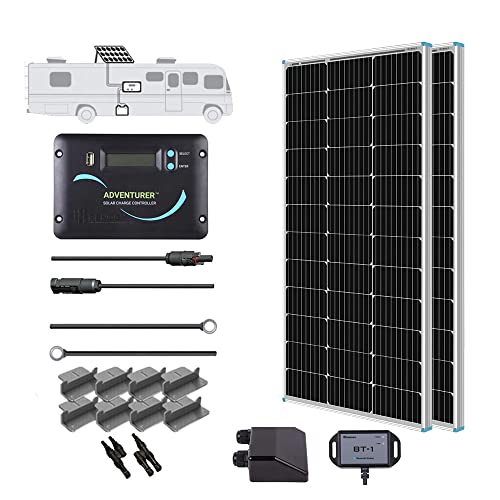
Renogy 200W 12V N-Type RV Solar Panel Kit

Callsun N-Type 16BB 400W Bifacial Solar Panel, 2Pcs 200 Watt

MHPOWOS 110W Portable Solar Panel for Power Station

Renogy Solar Panels 1280 Watt, 4PCS 320W Solar Panel

Futuresolar 720W (2×360W) Solar Panels for 12/24 Volt System

STAR 990 Watt Solar Panel, 2PCS 495W 48V/24V Solar Panels

Callsun N-Type 16BB 200W Bifacial Solar Panel
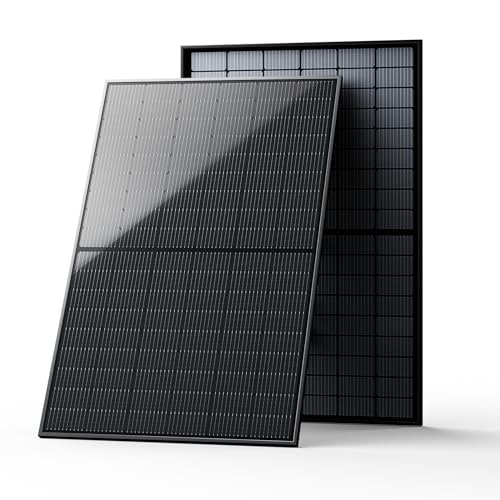
EPOCH 860W Bifacial Solar Panels, N-Type Class A 12/24 Volt

WUZECK 200 Watt 12Volt/24Volt Solar Panel Kit for RV
More Details On Our Top Picks
For a motorhome that needs a straightforward roof setup, this Renogy kit keeps the moving parts simple. The 30A LCD PWM charge controller, meaning a controller that regulates panel output to the battery, gives you a clear middle ground between basic wiring and a more complex upgrade path.
The included mounting brackets make it easier to plan a permanent install on RVs, boats, trailers, or campers. You give up some flexibility versus a portable folding panel, but you gain a cleaner, more fixed layout that suits weekend travel and regular road use.
Strong Points
- All-in-one kit format reduces the guesswork around matching parts.
- 30A controller suits compact battery-bank builds without feeling oversized.
- Mounting brackets support a neater roof installation than loose portable gear.
- Works across several vehicle and off-grid setups, which helps you reuse the same kit planning.
Things To Consider
- PWM control is simpler than higher-end controller styles, so it fits basic systems better than advanced ones.
- Fixed hardware takes more planning at install time than a portable panel.
- Roof placement means you’ll want to think through shade from vents, racks, or rooftop accessories.
Feature Snapshot
Who It Suits Best
You’ll get the most from this kit when you want a tidy first rooftop install for a smaller motorhome or camper build.
A Better Fit Elsewhere
Futuresolar 720W (2×360W) Solar Panels for 12/24 Volt System suits you better when your rig needs much more output for longer stays away from hookups.
This Callsun pair is built for roof space that needs every bit of useful output it can get. The bifacial design, meaning it can take in light from the back as well as the front, gives it a stronger case for bright campsites, reflective ground, or open roof layouts.
The dual-module parallel anti-shade setup matters in real travel use, because partial shade from a vent or rack can be less punishing than with a simpler layout. It feels better suited to a mid-size motorhome than the Renogy kit above, especially when you want panel output to grow without jumping straight to a very large array.
Highlights
- Bifacial construction gives the panel a broader light-catching profile.
- 16BB cell layout points to denser internal current collection, which supports a more capable roof array.
- Parallel anti-shade design can help keep output steadier around partial roof obstruction.
- Fits both 12V and 24V systems, so it works across several battery-bank plans.
- Two-panel format makes the install easier to scale than a single oversized module.
Worth Noting
- Two panels mean more roof planning than a single compact unit.
- Bifacial designs usually reward thoughtful placement, so cramped roofs lose some of the advantage.
- Output gains depend on mounting height, surface reflectivity, and layout around the panel.
At A Glance
Built With In Mind
You’ll appreciate this set most on a motorhome roof where you want stronger output than a starter kit but still want to manage panel placement sensibly.
Look Elsewhere When
MHPOWOS 110W Portable Solar Panel for Power Station fits you better when you want a foldable option you can move between a campsite and storage without roof mounting.
Portable power changes the whole rhythm of a trip, and this foldable MHPOWOS panel leans into that flexibility. The kickstands help it sit at a better angle on a campsite pad, which is handy when your motorhome parking spot doesn’t line up with the sun the way a roof mount would.
The IP67 rating means the enclosure is built to resist dust and brief water exposure, a useful detail for outdoor storage and unpredictable weather around camp. Compared with the fixed Renogy kit, this one makes more sense for you when storage space is tight and you prefer a panel you can pack away after use.
Positives
- Foldable format is easy to carry, store, and reposition.
- Kickstands help you set a better angle than a flat ground layout.
- 20V output and 110W capacity suit power stations and smaller charging jobs.
- IP67 build rating supports rougher outdoor use around campsites.
Minor Gripes
- Portable panels need setup and pack-down each time you use them.
- Smaller wattage suits lighter loads, not a full power-hungry rig.
- Ground placement can leave it more exposed than a roof-mounted panel.
Core Details
Who Should Grab It
You’ll like this most when you camp often, rely on a power station, and want a panel that travels as neatly as your chairs and hoses.
Where A Sibling Pick Shines
WUZECK 200 Watt 12Volt/24Volt Solar Panel Kit for RV suits you better when you’d rather get a roof-ready kit with controller support instead of a portable charger.
This Renogy four-panel package sits at the large end of the field, so it makes sense for motorhomes that live closer to a rolling home than a weekend escape pod. The N-type 18BB monocrystalline cells, meaning a more modern single-crystal panel layout with 18 busbars, point to a design meant for strong output across a big roof area.
IP68 weather protection matters here because a full roof array is usually harder to replace and more exposed over time. Compared with the smaller Callsun and WUZECK options, this one is for you when available roof space is generous and your daily power draw is no longer modest.
Upsides
- Four 320W panels give you a serious roof array for higher-demand setups.
- IP68 protection supports outdoor exposure on a permanent mount.
- 12V and 24V compatibility gives planning flexibility for battery-bank design.
- High cell efficiency helps the array make better use of limited roof area.
Areas To Watch
- The size makes layout planning more demanding than with a small kit.
- Large arrays are better suited to long-stay travel or big electrical loads than quick overnight trips.
- Installation usually calls for more careful roof measurement and cable planning.
Feature Rundown
The Right Fit
You’re the right match for this set when your motorhome has broad roof space and you want the electrical side to keep pace with bigger comforts.
Reach For A Different Pick When
MHPOWOS 110W Portable Solar Panel for Power Station makes more sense for lighter travel, especially when you want something you can fold away rather than mount permanently.
This Futuresolar pair lands in a useful middle zone, larger than a basic starter kit but less imposing than a huge rooftop array. Half-cell monocrystalline construction, meaning each panel uses split cells to help manage shading and current flow, is a practical touch for travel rigs where vents and roof hardware can interrupt clean sunlight.
It works across 12V and 24V systems, so you can map it to a lot of common motorhome battery setups without getting boxed in. Compared with the Renogy 1280W set, this is the more approachable route for a rig that needs serious output without jumping to the largest footprint in this lineup.
Bright Spots
- Two 360W panels offer a strong balance between size and output.
- Half-cell design helps the panels cope better with partial shading than simpler layouts.
- 12V and 24V compatibility supports flexible system planning.
- Good fit for roof installs where you want more power without going oversized.
Small Caveats
- Two large panels still need careful roof measurement before installation.
- More output means more attention to controller and battery matching.
- Permanent rooftop use asks for regular inspection of mounts and cable routing.
Details At A Glance
Whose Shelf It Belongs On
You’re the right fit for this set when your motorhome needs a stronger roof array than a starter kit but still leaves space and budget for sensible installation.
Skip It When
Callsun N-Type 16BB 400W Bifacial Solar Panel, 2Pcs 200 Watt fits you better when a lighter two-panel rooftop plan and bifacial light capture matter more than raw wattage.
The STAR pair leans into a cleaner, frame-less look, which is the kind of detail that often matters on larger roof installs where dirt traps and maintenance points add up. The maintenance-free language on the listing signals a lower-fuss ownership style, though real-world upkeep still means keeping panels clear of grime and checking mounting hardware now and then.
With 495W panels and 48V or 24V compatibility, this set suits heavier electrical demand and bigger system planning than the compact MHPOWOS panel. The trade-off is obvious: you get substantial output, but you also take on a more demanding install and a size profile that belongs on a roomy roof.
Best Bits
- Two 495W panels deliver substantial output for demanding power plans.
- Frame-less construction can make roof care and debris cleanup simpler.
- 25.6% efficiency points to a very strong use of available sunlight.
- Works with 48V and 24V systems, which broadens design options for larger setups.
Room For Improvement
- The size makes it better suited to large roof areas than compact vans.
- Frame-less panels may need extra care during mounting and handling.
- Higher-output gear usually asks for more thoughtful controller and battery pairing.
Spec Overview
Built For
You’ll get the most from this set when your motorhome roof is spacious and your electrical habits look more like full-time travel than occasional weekends.
A Better Fit Elsewhere
WUZECK 200 Watt 12Volt/24Volt Solar Panel Kit for RV is the safer match when you want a gentler entry point with a controller included rather than a high-output pair.
This single-panel Callsun option makes sense when you want bifacial benefits without moving up to a two-panel package. For a smaller motorhome roof, that can be a sweet spot, because you get a simpler physical footprint while still keeping the door open for better light capture than a plain front-facing panel.
The 12V battery-system fit keeps the setup easy to place in common RV plans, though you’ll still need to think through mounting angle and roof shade. Compared with the 400W Callsun set, this one is the more compact route for travelers who want useful output without committing to a larger twin-panel layout.
Reasons To Buy
- 200W output keeps the footprint manageable for smaller roof plans.
- Bifacial design can pick up more available light than a plain panel.
- 12V battery compatibility keeps system matching straightforward.
- 25% efficiency helps explain the panel’s strong output for its size.
Points To Note
- Single-panel capacity suits modest energy demand more than a full-time high-draw rig.
- Bifacial performance depends on placement and surrounding surfaces.
- You’ll still need thoughtful roof layout to avoid shade from vents or accessories.
Technical Sheet
Made For
You’re the right match for this panel when your motorhome setup is compact and you want a single roof module that stays easy to manage.
Swap It Out When
Renogy Solar Panels 1280 Watt, 4PCS 320W Solar Panel suits you better when your roof space and power needs push far beyond a compact 200W module.
The EPOCH pair sits in a strong middle-to-upper range for motorhome roof planning. Bifacial construction and waterproofing make it a sensible match for rigs that see regular outdoor exposure, while the 12V and 24V compatibility keeps it broad enough for different onboard electrical plans.
Compared with the STAR frameless set, this one leans more toward a conventional waterproof panel approach, which may feel easier to picture on a typical RV roof. You’ll appreciate it most when you want more than a starter setup but do not need the oversized footprint of the 1280W Renogy array.
Standout Traits
- Two 430W panels offer strong output without jumping to the largest class in the list.
- Bifacial design broadens the light-catching surface.
- Works with both 12V and 24V systems for flexible planning.
- Waterproof construction suits roofs, boats, and other exposed installs.
Softer Spots
- The size is still substantial, so roof layout takes real planning.
- Higher output means your controller and battery bank need to be matched carefully.
- Permanent mounting means you’ll want a routine check for dust and seal condition.
Feature Card
Best Suited To
You’ll get the best fit here when your motorhome is built for longer off-grid stays and you want a dependable roof array without going to the largest panel count.
Another Choice May Suit
Futuresolar 720W (2×360W) Solar Panels for 12/24 Volt System is a better match when you want a slightly smaller package with a more restrained install footprint.
The WUZECK kit is the kind of straightforward package that makes sense for a lot of first-time roof setups. Two 100W monocrystalline modules, meaning single-crystal panels arranged for efficient output, pair with a 20A charge controller, so the basics are already lined up for a compact motorhome or camper build.
That simplicity is the real draw. Compared with the larger Renogy and EPOCH arrays, this one asks less of your roof space and installation planning, which is why it fits casual travelers and small rigs that just need practical, everyday charging help.
Best Bits
- Kit format keeps the main system pieces together.
- Two 100W modules offer a friendly starting point for small RV power plans.
- 20A controller adds a useful control layer for the setup.
- 12V and 24V compatibility broadens where the kit can fit.
Honest Caveats
- 200W total output is better for lighter use than heavy onboard demand.
- Smaller kits can feel limiting once you add more appliances or longer stays.
- Roof mounting still needs careful cable routing and weather sealing.
Core Details
The Right Fit
You’ll get the most from this kit when your motorhome is compact, your power needs are moderate, and you want the simplest path to getting started.
Where Shoppers Go Wrong
STAR 990 Watt Solar Panel, 2PCS 495W 48V/24V Solar Panels makes more sense when you know your roof space and energy demand are both much larger than this starter setup can cover.
How To Choose The Right Solar Panels For Motorhomes
Match Output To Your Daily Load
Panel wattage matters most when you translate it into your travel habits. A couple who mostly charges phones, lights, and a fan can live comfortably with a 200W kit, while a motorhome running a power station, a fridge, or longer stays away from hookups needs a much larger roof array.
That gap is why the 200W Renogy and WUZECK kits sit near the easygoing end, while the 720W, 860W, 990W, and 1280W options are built for bigger electrical appetites. You do not need the largest number on the page, you need enough output to cover the habits that happen most days.
Choose Between Roof-Mounted And Portable Styles
Roof-mounted panels save ground space and feel natural for regular travel, but they ask for planning, drilling, and seal checks. Portable foldable panels suit campers who park in changing spots, store gear between trips, or want to angle the panel toward the sun by hand.
The MHPOWOS foldable panel stands apart here, because kickstands and pack-away storage make it a flexible companion, not a permanent roof fixture. A fixed kit like the Renogy or WUZECK option suits you better when you want a cleaner, always-ready layout.
Think About Voltage, Controller Type, And Expansion
Voltage compatibility affects how easily a panel set fits your battery bank. Several picks here work with 12V and 24V systems, while the STAR set also mentions 48V, which matters more in larger electrical designs than in basic weekend rigs.
Controller type matters too. A PWM controller, meaning pulse-width modulation controller, is simpler and usually better for straightforward setups, while larger arrays demand more careful matching between the panels, controller, and batteries.
Look At Roof Space Before You Think About Anything Else
Roof layout can decide the whole purchase. Vents, skylights, fans, and racks steal usable area fast, and a bifacial panel only helps when the surrounding space lets light reach the rear side in a useful way.
The smaller 200W and 110W options suit tighter roofs or mixed-use travel, while the 720W and larger arrays belong on broader surfaces with less clutter. Measure first, then choose the output level that still leaves room for safe mounting and service access.
Things Worth Knowing First
Hidden Buying Traps
Many shoppers focus on wattage alone and skip the roof layout conversation. That can leave you with a panel that looks strong on paper but turns awkward once vents, antennas, and seams eat into the usable surface.
Another common miss is forgetting the controller and battery match. A capable panel set still needs the rest of the electrical chain to line up cleanly, or the setup feels underused rather than efficient.
The Upgrade Payoff
Higher-tier panels cost more because they usually bring denser cell layouts, larger surface area, stronger weather protection, or designs that manage shade better. Bifacial panels and higher-efficiency monocrystalline models also ask for better materials and more careful construction.
The upgrade pays off for long-haul travel, frequent boondocking, or rigs with heavier daily loads. For short trips and lighter use, a smaller kit can make more sense and leave more room in your budget for batteries, wiring, or mounting gear.
Frequently Asked Questions
How much solar panel output does a motorhome need?
A compact motorhome with light charging habits can often live with around 200W. Larger rigs or longer off-grid stays usually need more headroom, especially once you add a fridge, fans, or a power station.
Are bifacial panels worth it on an RV roof?
Bifacial panels can help when the install leaves room for light to reach the back side or when the roof surface reflects well. They matter less on cramped roofs with heavy shade from vents or accessories.
Should you choose a portable panel or a roof-mounted kit?
Portable panels fit travelers who move often and want gear they can store away. Roof-mounted kits suit you better when you want a fixed setup that’s ready every time you park.
What does 12V or 24V compatibility mean?
That tells you which battery-bank setups the panel can work with more naturally. It matters because a panel that matches your system design is easier to plan and wire correctly.
Why do some kits include a controller?
A controller regulates the energy moving from the panel to the battery bank. That saves you from sourcing a separate control piece and makes the setup easier to organize.
Closing Thoughts
The right solar setup for your motorhome comes down to space, travel style, and how much power your daily routine really uses. A compact kit can suit short weekends just fine, while a bigger array makes more sense for longer stays and heavier onboard demand. Portable panels add flexibility, fixed roof systems add convenience, and bifacial designs give you a little more to think about in open layouts. Choose the version that matches your trips, not the largest number on the box.
