

Hot-weather solar gets tricky fast. Heat can shrink output just when a roof, campsite, or marine setup needs it most, so the right panel has to handle sun, shade, and rough mounting conditions without becoming fussy.
You’ll find a mix here, from foldable portable panels for travel to rigid arrays better suited to rooftops and off-grid builds. The useful question is less about raw wattage alone and more about how well each pick fits heat, placement, and daily handling.
Quick Look at the Shortlist

Renogy 200W Portable Solar Panel, IP65 Foldable Backup Charger

Renogy ShadowFlux Solar Panel 400 Watt, N-Type 25% High-Efficiency

Renogy Solar Panels 200 Watt N-Type, 200W Solar Panel 16BB
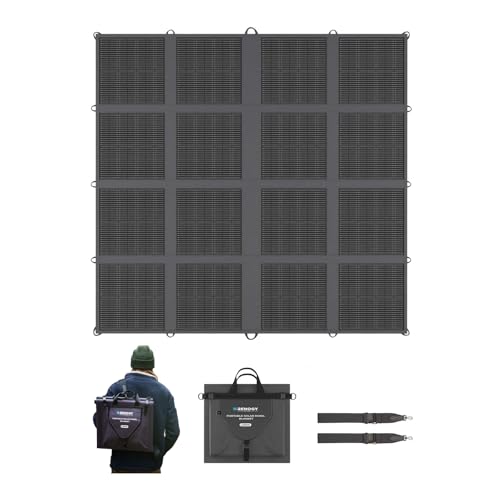
Renogy 400W Portable Solar Panel for Power Stations, 25% High Efficiency
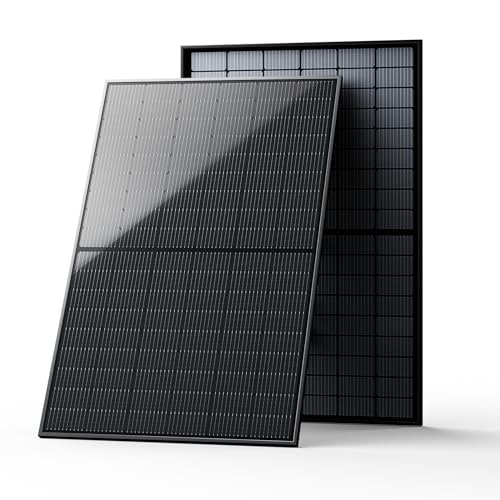
EPOCH 860W Bifacial Solar Panels, N-Type Class A 12/24 Volt
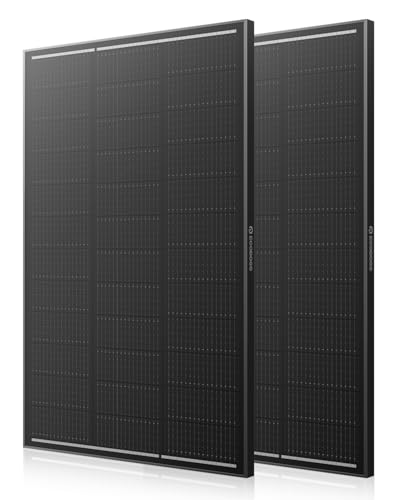
200W TÜV Certification Solar Panel, 2PC 100 Watt N-Type 25.8%

BougeRV 200W Portable Solar Panel, N-Type Foldable Solar Charger

SUNGOLDPOWER UL61730 500 Watt Monocrystalline Solar Panel 10PCS

ZOUPW 480W Bifacial Portable Solar Panel N-Type 16BB for Power Station
More Details On Our Top Picks
That 200W foldable format makes sense for weekend charging, van trips, and backup use after a power cut. The IP65 rating points to dust resistance and protection against water spray, so it suits outdoor handling better than a bare indoor panel.
You also get USB-A and USB-C output options, which matters for smaller devices around camp or during a blackout. The trade-off is simple, portable panels usually ask more from your setup and positioning, so this fits best when you value mobility over permanent roof mounting.
Strong Points
- Foldable format stores easily in a vehicle or closet.
- IP65 protection helps in dusty, damp outdoor conditions.
- USB-A and USB-C outputs add flexible day-to-day use.
- Kickstand support makes angle changes less awkward on the ground.
Things To Consider
- Portable designs take more manual setup than fixed roof panels.
- The lighter build can be less steady in rough wind.
- You may need extra care with folding and storage to avoid wear.
Feature Snapshot
Who It Suits Best
You’re a camper, van traveler, or home backup user who wants a portable panel that’s easy to move and store.
Where Another Pick Shines
Renogy 400W Portable Solar Panel for Power Stations, 25% High Efficiency fits better for long stays and larger battery packs, especially when you want more output in one portable package.
This set is aimed at hot roofs and mixed-light installs, especially where trees, buildings, or seasonal shade interrupt a clean sun path. Since it’s split into two 200W panels, you get a layout that can be easier to place across a roof or marine surface than one oversized sheet.
The N-Type cell design is the key detail here, meaning the cells use a newer structure that often helps with real-world efficiency. The honest read is that shade-aware panels still need thoughtful placement, but this one is built for the messy kind of daylight many roofs actually see.
Highlights
- Two-panel layout can simplify roof or deck placement.
- Made for partial shade, which helps on cluttered roofs.
- High-efficiency N-Type cells suit space-conscious installs.
- Works well for RV, marine, and home setups.
- Better fit for layouts where sunlight moves through the day.
Softer Spots
- Two panels mean more planning for wiring and mounting.
- Shade handling helps, but it still needs smart placement.
- Fixed installs take more commitment than a portable blanket-style panel.
Core Details
Made For
You’re setting up an RV, marine roof, or home system where shade is part of everyday life rather than an exception.
Another Choice May Suit
Renogy Solar Panels 200 Watt N-Type, 200W Solar Panel 16BB fits better for smaller fixed systems that want simpler installation and less panel splitting.
This panel leans into fixed-system simplicity, which is useful for vans, cabins, and rooftop arrays that stay put. The 12V and 24V compatibility gives you room to match it to common off-grid layouts without jumping into a more complicated build.
The 16BB cell layout refers to a busbar design, the conductive strips that move current across the panel. That matters because more layout efficiency can help a panel keep its footing in harsh sunlight, though you still want clean mounting and ventilation around it.
Positives
- Works with both 12V and 24V systems.
- 16 busbar layout supports efficient current collection.
- Well suited to rooftops, cabins, and farm installs.
- Fixed format keeps daily use straightforward once mounted.
Points To Note
- Rigid panels need a proper mounting surface.
- Less portable than folding options in this list.
- Cleaning dust and pollen matters in hot, dry settings.
Quick Facts
The Right Fit
You want a rigid panel for a van, cabin, roof, or small farm build that stays installed through the season.
Look Elsewhere When
Renogy 200W Portable Solar Panel, IP65 Foldable Backup Charger suits you better for travel-heavy use where storage and quick setup matter more than fixed installation.
The backpack-size foldable design is the headline here, and it makes sense for anyone carrying a panel to a campsite, dock, or pickup bed. Compared with the smaller 200W options above, this one aims for more charging muscle without giving up portability entirely.
You’ll notice the “solar panel blanket” style in the listing, which usually points to a flexible, packable form factor rather than a rigid frame. That trade-off helps with storage, though it also means you’ll want a clean, stable spot for setup and a little care during handling.
Bright Spots
- Higher output suits larger power stations.
- Foldable format keeps transport manageable.
- Good match for travel, pickup storage, and marine use.
- Space-saving shape helps in tight gear setups.
Small Caveats
- Foldable gear needs more attention during packing.
- Portable use can take more setup time than roof mounting.
- Flexible builds usually need careful placement to stay stable.
Feature Card
Whose Shelf It Belongs On
You travel with a power station and want a portable panel that lands in the sweet spot between output and packability.
Swap It Out When
ZOUPW 480W Bifacial Portable Solar Panel N-Type 16BB fits better for larger portable setups that need more total charging capacity.
Big off-grid systems need a very different kind of panel, and this 860W two-panel set clearly speaks to that use. Bifacial design means the panel can take light from both sides, which can help in reflective environments like a bright roof, dockside setup, or open yard.
Compared with the portable picks earlier in the list, this one is built more like a serious infrastructure piece than a grab-and-go charger. The trade-off is obvious, you’re getting scale and durability-focused construction, but you’re also committing to a much larger fixed installation.
Upsides
- Very high total output for larger systems.
- Bifacial layout can make use of reflected light.
- Works with 12V, 24V, and 48V DC setups.
- Good fit for RV, boat, and farm power planning.
- Waterproof construction suits exposed outdoor placement.
Areas To Watch
- Large output brings larger mounting and wiring needs.
- More suited to fixed installs than portable travel.
- Cleaning and access take more effort on large arrays.
Technical Sheet
Built With In Mind
You’re planning a large RV, marine, farm, or off-grid system and want high output from a fixed solar array.
A Better Fit Elsewhere
Renogy ShadowFlux Solar Panel 400 Watt, N-Type 25% High-Efficiency fits better for smaller roofs where shade management matters more than raw array size.
This two-panel kit is built for exposed outdoor use, especially where water resistance and sealed construction matter. IP68 means the enclosure is designed for stronger protection against dust and water than lighter portable gear, which is useful on rooftops, trailers, and campers that live outside.
The 25.8% efficiency figure also stands out on paper, though actual placement still matters in real life. You may find it a smart choice for hot, bright locations where compact roof space makes every watt count, as long as your mounting plan stays neat and ventilated.
Reasons To Buy
- IP68 sealing suits wet and dusty outdoor placement.
- Two 100W panels offer easier spacing on roofs.
- High efficiency helps in smaller installation footprints.
- Good fit for trailers, campers, and backup power.
Room For Improvement
- Twin-panel layouts need more mounting planning.
- Outdoor sealed panels still need regular surface cleaning.
- Rigid installation is less flexible than foldable options.
Details At A Glance
Perfect Match For
You want a compact fixed system for a trailer, camper, or backup setup that spends real time outdoors.
Where A Sibling Pick Shines
BougeRV 200W Portable Solar Panel, N-Type Foldable Solar Charger suits you better for travel days and temporary camps where easy carrying matters more than a mounted array.
The fiberglass layer gives this foldable panel a sturdier feel than some softer portable designs. That matters in hot climates where repeated packing, hauling, and setting up can wear gear down faster than a weekend-only use case.
It still stays in the portable camp, which makes it more flexible than rigid roof panels like the Renogy 200W fixed option. The trade-off is that you keep the convenience of folding, but you also accept the extra handling that comes with portable charging.
Best Bits
- Fiberglass layer adds a tougher portable build.
- Foldable layout stores well in vehicles and closets.
- Good for RV use, camps, and off-grid stops.
- 25% efficiency helps make the most of sunny sites.
Minor Gripes
- Portable panels still require setup and pack-down time.
- Folding gear benefits from careful storage after use.
- IP65 is useful, though it still needs sensible handling outdoors.
Core Details
The Right Fit
You travel often, want a foldable panel, and care about a portable build that feels more durable than very soft alternatives.
Reach For A Different Pick When
Renogy 400W Portable Solar Panel for Power Stations, 25% High Efficiency suits you better for larger power stations that need more charging output in one portable kit.
This is the sort of panel set that makes sense once you move past small backup use and start building a broader solar array. Ten 500W panels give you serious planning flexibility, especially for farm, parking lot, or larger off-grid installations where panel count matters as much as individual output.
The whole-black finish keeps the look clean, but the more important point is the way the kit scales. Compared with the portable picks, this one asks for a proper fixed setup, and that’s exactly why it suits long-term systems rather than travel gear.
What We Like
- Large panel count supports bigger solar builds.
- Whole-black design works neatly on visible roofs.
- IP68 protection suits exposed outdoor placement.
- Fits 12V, 24V, and 48V DC systems.
- Useful for farms, parking areas, and off-grid sites.
Honest Caveats
- Large arrays need more mounting space and hardware.
- Cleaning and inspection take more time on multi-panel layouts.
- Less practical for small rooftops or occasional use.
Technical Sheet
Who Should Grab It
You’re building a large stationary solar system and want enough panel capacity to support serious daily energy use.
Not Your Match When
Renogy 200W Portable Solar Panel, IP65 Foldable Backup Charger fits you better for travel and occasional backup charging where easy storage matters more.
This portable panel tries to cover a lot of ground, and in practice that makes it appealing for power-station owners who want meaningful output without going to a rigid roof setup. The bifacial layout can be useful around light-colored surfaces, since the rear side can make use of reflected light.
It also lists compatibility with EcoFlow Delta, Bluetti, and Anker C1000 units, which makes it a practical match for common portable power ecosystems. The catch is that the more feature-rich a portable panel gets, the more important storage and handling become, so it suits organized gear users better than casual throw-and-go setups.
Positives
- High output works well for larger portable stations.
- Bifacial layout can benefit reflective surroundings.
- Foldable construction helps with travel and storage.
- Compatibility with popular power stations broadens use.
- IP68 protection is useful in exposed outdoor conditions.
Points To Note
- Large portable panels still need room to deploy safely.
- More features usually mean more weight and bulk to manage.
- Foldable gear benefits from careful packing after each use.
Core Details
Built With In Mind
You want a high-output portable panel for a power station and already own, or plan to own, one of the listed compatible systems.
Where A Sibling Pick Shines
Renogy 400W Portable Solar Panel for Power Stations, 25% High Efficiency fits better for travelers who want a simpler 400W portable setup with less bulk.
How To Choose The Right Solar Panels For Hot Climates
Heat, Not Just Sunlight, Shapes Output
Hot climates create a simple problem with a tricky solution, solar panels love sun, but excessive heat can work against them. A panel’s efficiency rating tells you how much sunlight becomes usable power, while its build quality and mounting setup decide how well it handles long days of heat-soaked exposure.
For roofs in desert regions, a panel that tolerates dust, spray, and high ambient temperatures often makes more sense than a bargain option with a thin frame. Portable panels still matter, especially for RV travel and campsite charging, but they need enough ventilation and placement freedom to avoid baking in place.
Match the Form Factor to Your Routine
Foldable panels suit travel, temporary camps, and backup use because they store easily and move fast. Rigid panels suit roofs, cabins, and farm sheds because they stay put and usually make day-to-day ownership simpler once installed.
The trade-off is maintenance versus convenience. Portable gear asks you to set angles, clear space, and pack carefully, while fixed gear asks for better mounting and a more permanent commitment up front.
Look Closely At Efficiency And Cell Type
N-Type cells are worth attention because they’re built from a newer cell structure than older panel types, and that can help with performance in tight, bright installations. A layout like 16BB, which means 16 busbars, can also support more even current collection across the panel surface.
That matters most when roof space is limited or heat is part of daily life. Higher efficiency won’t remove the laws of weather, but it can help you get more usable output from a smaller footprint.
Protection Level And Installation Matter Too
IP65 and IP68 describe how well a panel enclosure resists dust and water intrusion. In hot, exposed climates, those ratings can be a useful clue about whether a panel suits a dusty RV roof, a marine setup, or a backyard array that sees summer storms.
Just as important, a hot-climate panel should have room to breathe. Good airflow behind a rigid module often matters more than flashy wording, because a panel that cooks against a surface can lose the edge you wanted in the first place.
What To Weigh Before You Decide
Mistakes Worth Dodging
One common slip is buying for wattage alone and ignoring mounting style. A 400W portable panel sounds attractive, but it becomes awkward fast if your storage space is tiny or your routine demands quick setup every morning.
Another misstep is overlooking compatibility with the battery or power station you already own. Matching the panel’s output style, voltage needs, and connector approach saves you from extra parts and frustrating workarounds.
Where The Extra Money Goes
Higher-tier panels usually cost more because they pack in better cell design, stronger weather sealing, or more flexible layouts. Bifacial panels, high-efficiency N-Type cells, and sealed constructions all add material and engineering depth.
That extra spend pays off when your site is harsh, your roof space is tight, or your power needs are steady enough to justify a stronger long-term setup. For occasional camping, a simpler portable panel often makes more sense and keeps the whole system easier to live with.
Frequently Asked Questions
Are Solar Panels For Hot Climates Better When They Have Higher Efficiency?
Higher efficiency helps you get more usable output from the same panel area. That matters most on small roofs, crowded RV tops, and compact backup setups.
Do Portable Panels Hold Up Well In Hot Weather?
Portable panels can work well in heat, but they need thoughtful placement and decent airflow. A foldable design is convenient, yet it usually asks for more handling than a fixed rooftop panel.
What Does N-Type Mean On These Panels?
N-Type refers to a modern cell structure used in the panel’s solar cells. It often suits space-conscious installs because the design can support strong efficiency in a smaller footprint.
Is Bifacial Worth It For A Hot Climate Setup?
Bifacial panels can be useful when the surface below them reflects light, such as pale roofs or open ground. They make the most sense when your installation leaves room for that reflected light to reach the back side.
Should You Choose IP65 Or IP68?
IP68 gives you a stronger sealing level than IP65, which can matter in exposed outdoor environments. The right choice depends on how much dust, spray, and weather exposure your setup sees.
Closing Thoughts
Hot climates reward panels that combine efficient cells, sensible protection, and a form factor that fits the way you actually use power. A portable panel makes life easier on trips, while a rigid roof panel usually makes more sense for a setup that stays in one place. The best choice for you is the one that matches your space, your heat exposure, and how often you want to move the gear. Pick the panel shape that fits your routine, and the rest gets much simpler.
