

Mobile homes ask a lot from solar gear, especially when roof space is tight and daily power habits change from one household to the next. You may need a portable panel for weekend backup, a roof setup for steadier use, or a full kit that pairs panels with a controller and mounting hardware. The lineup below keeps those different jobs in view so you can match the setup to your space, storage needs, and wiring comfort.
Quick Look At The Shortlist

Renogy 200W Portable Solar Panel

ECO-WORTHY 400W Solar Panels N-Type 4pcs 100 Watt

Renogy 400 Watt 12 Volt Premium 4 Pcs 100W Panel Set

Renogy ShadowFlux Solar Panel 400 Watt, N-Type 2PCS 200W

200W Portable Solar Panel for Power Station

N-Type 16BB 400W Bifacial Solar Panel, 2Pcs 200 Watt

Renogy Solar Panels 2PCS 320 Watt Solar Panel 18BB
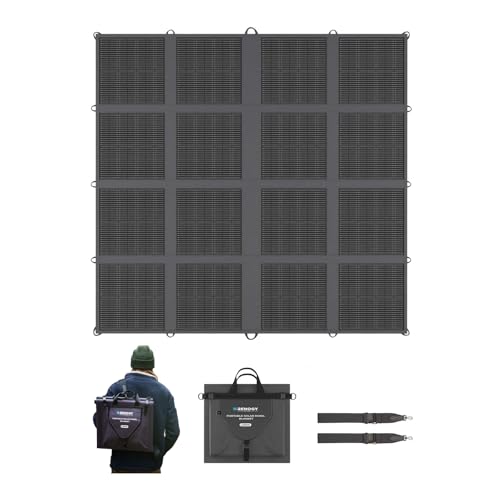
Renogy 400W Portable Solar Panel for Power Stations

ECO-WORTHY 400 Watt 12 Volt Premium Solar Panel Kit
More Details On Our Top Picks
Portable solar makes the most sense for a mobile home when roof space is spoken for or you want backup power you can store away after use. This 200W Renogy panel leans into that job with a foldable build, a kickstand, and USB-A plus USB-C outputs for lighter charging tasks.
The IP65 rating helps with dust and splashes, which matters around campsites, porches, and rainy travel days, though you still want normal care with the hinges and connectors. You get a better fit than rigid roof panels for temporary setups, and that makes it handy for mobile-home owners who value flexibility over a permanent mount.
Strong Points
- Foldable format stores neatly between trips.
- Kickstand helps angle the panel on uneven ground.
- USB-A and USB-C outputs add direct charging options.
- IP65 protection suits dust and splash exposure.
Things To Consider
- Portable designs ask for setup time each use.
- 200W suits light backup better than whole-home coverage.
- Hinged sections need sensible handling during storage.
Feature Snapshot
Who It Suits Best
Weekend travelers and mobile-home owners who want a stowable panel for small backups will get the most from it.
Another Choice May Suit
Renogy ShadowFlux Solar Panel 400 Watt, N-Type 2PCS 200W suits you better when your mobile home has a fixed roof layout and you want more sustained output.
This four-panel set takes a different route from the portable Renogy pick, since it’s aimed at a more permanent off-grid layout. The 100W panels are a sensible building block for a mobile home roof or auxiliary array, especially when you want to spread panels around usable space.
The 16BB cell layout means the panel uses 16 busbars to move current across the surface, which can help with consistency on a long run. IP68 sealing is the stronger weather note here, so this is the better fit for a fixed install that lives outdoors year-round.
Highlights
- Four-panel format gives you layout flexibility.
- 100W panels are easier to position around vents and roof hardware.
- IP68 protection suits exposed mounting.
- 12V and 24V use broadens system fit.
Points To Note
- Four separate panels mean more mounting decisions.
- Permanent installs ask for more planning than a foldable kit.
- Output depends heavily on the rest of your system.
Core Details
Made For
Mobile-home owners building a fixed off-grid roof array will appreciate the modular layout and weather-ready construction.
Where A Sibling Pick Shines
Renogy 200W Portable Solar Panel works better for you when storage space matters more than permanent mounting, especially for short trips and backup charging.
Some mobile-home setups need more than panels, and this bundle answers that by packing in the controller, fuse, brackets, adaptor kit, tray cables, and Bluetooth module. That makes it a stronger fit than the ECO-WORTHY panel-only option for someone starting from scratch.
The MPPT controller, or maximum power point tracking controller, is the part that helps the system work closer to the panel’s usable output as conditions change. That matters on mixed weather days, though the trade-off is a more involved install with more parts to sort and mount.
Reasons To Buy
- Complete bundle cuts down on separate part hunting.
- Bluetooth module supports easier system monitoring.
- Included mounting pieces help simplify rooftop planning.
- 12V setup suits many mobile-home electrical plans.
- Good fit for a first solar build.
Areas To Watch
- More included parts mean a longer install day.
- Bundle size can be overkill for tiny backup needs.
- Owners should stay organized with the wiring pieces.
Technical Sheet
Who Should Grab It
New mobile-home solar installers who want a ready bundle rather than a parts list will get the clearest value here.
Look Elsewhere When
Renogy 400W Portable Solar Panel for Power Stations suits you better when your setup needs to fold away after use and stay out of the way.
Shaded rooftops are where this Renogy pair starts to make sense, especially for mobile homes parked near trees, overhangs, or neighboring structures. The ShadowFlux design is aimed at partial shading, so the panel can stay more useful when light is uneven across the roof.
That’s the real draw here compared with the regular 100W or 200W picks above, since shade tolerance can matter more than raw panel count in a cramped site. The honest read is that your roof layout needs to justify the higher-focus design, but for the right spot, that can be worth the extra attention.
Best Bits
- Partial-shade focus suits tricky roof placement.
- Two 200W panels keep the pair manageable.
- Strong fit for roofs near trees or buildings.
- N-Type design fits modern solar layouts.
Softer Spots
- Specialized shading focus may be more than some setups need.
- Best results still depend on roof planning.
- Fixed placement means less day-to-day flexibility.
At A Glance
The Right Fit
Mobile-home owners with partial roof shade and a fixed installation plan are the clearest match for this pair.
A Better Fit Elsewhere
ECO-WORTHY 400W Solar Panels N-Type 4pcs 100 Watt suits you better when you want a more modular four-panel layout for broader roof planning.
This TWELSEAVAN panel leans into portable convenience, but it does so with more charging options than the basic foldable picks. QC3.0, Type-C 60W, MC4 output, and two USB paths give you a lot of ways to plug in gear around a mobile home or campsite.
The ETFE face, or ethylene tetrafluoroethylene top layer, is there to support outdoor durability, while the four kickstands and solar angle guide help with placement. Compared with the Renogy 200W portable model, this one feels more gadget-friendly, though the extra features also mean you’ll want to keep track of the accessories.
Upsides
- Multiple output paths suit mixed devices.
- Four kickstands help stabilize the setup.
- Angle guide supports better sun positioning.
- ETFE surface is a sensible outdoor material choice.
Small Caveats
- More connectors can mean more cable sorting.
- Portable format still needs unpacking and setup.
- Accessory-heavy designs deserve organized storage.
Details At A Glance
Whose Shelf It Belongs On
RV and mobile-home owners who want portable power with more port variety will feel right at home with this one.
Swap It Out When
Renogy 200W Portable Solar Panel is a cleaner fit when you want a simpler fold-and-store panel with fewer parts to manage.
Bifacial panels, meaning modules that can capture light from both sides, are the reason this Callsun pair stands out on open rooftops. For mobile homes parked in bright, reflective spaces, that extra light capture can be useful, though the gain depends heavily on surface conditions around the array.
The 16BB cell pattern and anti-shade dual-module layout point toward steadier performance in imperfect light, which gives it a stronger technical profile than simpler roof panels. You trade a bit of simplicity for that extra refinement, so it suits a more deliberate install.
Bright Spots
- Bifacial layout can use reflected light.
- Anti-shade design suits mixed sun exposure.
- Pair format keeps handling easier than larger single modules.
- 12V and 24V support broadens install options.
Honest Caveats
- Needs a roof or yard setup that lets rear-side light matter.
- Performance benefits depend on surrounding surfaces.
- More technical design may be more than basic backup needs.
Feature Rundown
Built With In Mind
Mobile-home owners with open roof space and a more technical install plan will get the most from this pair.
Skip It When
Renogy 200W Portable Solar Panel is the calmer choice for you when a simple foldable backup is all you want to manage.
This pair pushes harder than the 200W portable models, so it makes sense for mobile homes that need serious rooftop production. The 320W rating per panel gives the setup a stronger ceiling, and the 18BB cell design helps support that output with a more advanced busbar layout.
The honest trade-off is scale, because larger modules demand more roof planning and a steadier mounting plan. For homeowners who treat solar as part of the main electrical routine rather than an occasional backup, that extra size is the point.
Standout Traits
- Higher per-panel output supports bigger energy goals.
- 18BB layout points to more advanced cell routing.
- 12V and 24V compatibility broadens system fit.
- Strong match for permanent roof arrays.
Worth Noting
- Larger panels ask for more roof space.
- Less convenient for portable use.
- Install planning matters more than with smaller modules.
Spec Overview
Who Will Love This
Mobile-home owners planning a fixed rooftop array with higher power demand are the clearest fit here.
Another Choice May Suit
Renogy 400W Portable Solar Panel for Power Stations suits you better when portability and storage matter more than roof-mounted scale.
The blanket-style foldable format is the story here, and it suits mobile-home storage better than rigid panel sets. You can tuck it away with less fuss than a fixed roof array, which helps a lot when floor space, closets, or cargo bins already feel crowded.
Compared with the Renogy 200W portable panel, this one brings a much stronger output rating while still staying travel friendly. That makes it a smart middle ground for campers, pickup setups, and mobile-home owners who want portable power without a bulky footprint.
Positives
- Blanket-style form stores in a smaller space.
- Foldable setup stays travel friendly.
- 25% efficiency claim points to stronger use of available sun.
- Useful for mixed travel and backup use.
Room For Improvement
- Portable formats still need setup time.
- Blanket-style panels can feel less rigid than roof modules.
- Storage convenience may outweigh all-day mounting stability for some users.
Feature Card
Perfect Match For
Mobile-home owners who need serious portable output and tight storage handling will appreciate this layout most.
Where Shoppers Go Wrong
Renogy 400 Watt 12 Volt Premium 4 Pcs 100W Panel Set is the better choice when you want a full kit instead of a portable panel alone.
This ECO-WORTHY kit closes the shortlist because it bundles the parts many mobile-home owners end up sourcing separately. The 40A MPPT controller, Bluetooth module, and mounting Z brackets make it a practical route for a full 12V off-grid build.
It sits close to the Renogy bundle in purpose, but the appeal here is straightforward kit assembly rather than shopping panel, controller, and mount pieces one by one. For a first rooftop system, that can make the planning feel much less scattered.
Best Bits
- Bundle includes key install pieces.
- Bluetooth module supports easier monitoring.
- 12V system focus suits many mobile homes.
- Z brackets help with rooftop mounting.
Minor Gripes
- Full kit format needs more install time.
- Less portable than a foldable panel.
- Bundle value depends on your exact wiring plan.
Core Details
Right Fit For
Mobile-home owners building a first off-grid roof system will appreciate the bundled approach and the reduced part hunting.
Where A Sibling Pick Shines
Renogy 400W Portable Solar Panel for Power Stations suits you better when your power plan needs to stay movable and easy to store.
How To Choose The Right Solar Panels For Mobile Homes
Match Output To Real Daily Use
The right wattage starts with your routine, not with a bigger-number mindset. A small portable panel can cover phone charging, fans, and light backup, while a 400W setup makes more sense for steadier roof use or a larger battery bank.
In a mobile home, that difference matters because roof space, wiring paths, and storage are all limited. A panel that looks strong on paper can still feel awkward if it takes over the only workable roof section.
Choose Between Portable And Fixed Layouts
Portable panels fit people who move often, camp, or want backup power that disappears into a closet after use. Fixed panels suit owners who want a more permanent energy routine and are ready to plan around vents, skylights, and roof edges.
The trade-off is simple, portability gives you freedom, while roof mounting usually gives you a cleaner daily setup. That’s why the foldable Renogy and TWELSEAVAN options feel different from the ECO-WORTHY and Renogy rooftop kits.
Pay Attention To Weather, Cell Type, And Mounting
IP65, IP68, and bifacial or N-Type panel designs point to different levels of outdoor readiness and light capture. For mobile homes parked in open sun, or under partial shade, those details can matter more than a small difference in headline output.
Mounting hardware, controller choice, and cable planning also shape how pleasant the system feels after installation. The better setup is the one you can maintain without dreading every adjustment.
A Quick Reality Check Before You Choose
Wrong Turns To Avoid
Many mobile-home setups go sideways when the panel shape does not match the roof or storage plan. Another common miss is choosing output that fits the wish list but not the battery bank, controller, or wiring path.
It also helps to think past the unboxing moment. A portable panel that folds neatly can still be the wrong call for someone who needs an everyday roof array.
The Upgrade Payoff
Higher-tier panels usually cost more because of better cell architecture, more detailed weather protection, stronger output, or bundled parts like MPPT controllers and mounting kits. That extra spend makes sense when your mobile home is treated like a primary power base, not a weekend backup spot.
Stepping up is also sensible when your roof gets shade, your electrical plan is larger, or you want fewer separate parts to source. For a simple charging routine, the upgrade may be unnecessary, but for a full system, the added structure can save time and frustration later.
Frequently Asked Questions
Can solar panels work well on a mobile home roof?
Yes, rooftop panels can work well when the roof has enough clear space and the mounting plan is sound. Panel size, roof obstacles, and your power target all shape how practical the setup feels.
Is a portable solar panel enough for a mobile home?
It can be enough for light backup, device charging, and short stays. A portable panel usually falls short once you want regular household-style power support.
What matters more, wattage or panel type?
Both matter, but in different ways. Wattage tells you the scale, while cell type and build quality shape how well the panel handles real conditions.
Do MPPT controllers matter for mobile-home setups?
Yes, especially in full systems where you want the panels and battery bank to work together cleanly. An MPPT controller helps manage the energy flow more intelligently than a simpler controller type.
Should you choose a bifacial panel for a mobile home?
Bifacial panels make the most sense where light can bounce from a bright roof or ground surface. They are less compelling in shaded, cramped, or dark mounting spots.
Closing Thoughts
The right solar panel for a mobile home depends on how you live, store gear, and use power from day to day. Portable picks keep things flexible, while rooftop kits give you a steadier setup with less unpacking. The stronger choices in this list do different jobs well, so the smartest move is the one that matches your roof space, shade, and comfort with installation. Once those three line up, the rest gets much easier.
