

Choosing solar panels for a house setup gets easier once you match the panel style to your space, power goals, and installation comfort level. Some options suit a rooftop array, others make more sense for a shed, RV, cabin, or backup kit that moves with you. The right pick saves you from oversized hardware, awkward wiring, and a lot of second-guessing later.
Quick Look at the Shortlist

JJN 550 Watt Bifacial Solar Panels 2PCS 12/24/48 Volt 1100 Watt Solar Panel

ZOUPW 480W Bifacial Portable Solar Panel N-Type 16BB for Power Station
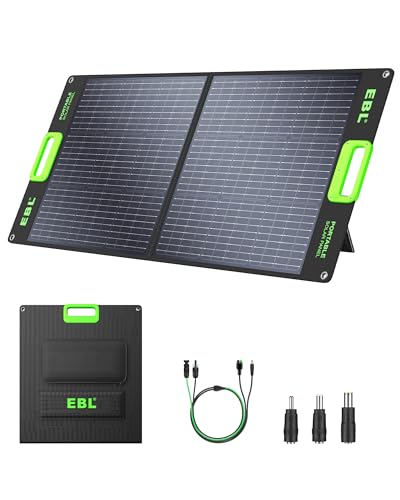
EBL Solar Panel 100W Portable Solar Panel for 300/500/1000 Power Station

ECO-WORTHY 400W Solar Panels N-Type 4pcs 100 Watt 18V Monocrystalline

Renogy 400 Watt 12 Volt Premium 4 Pcs 100W Panel
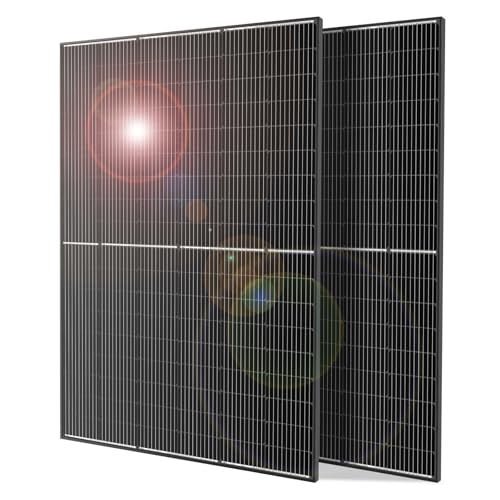
DOKIO 800W Solar Panel Set Two 400W 31V Panels

JJN Bifacial 425 Watt Solar Panel N-Type UL 61730 16BB Solar Panels

DOKIO 800W Solar Panels 2-Pack of 400W 31V for 12V/24V Systems

Renogy 200W Portable Solar Panel IP65 Waterproof Foldable Solar Panel Power Backup
More Details On Our Top Picks
For a rooftop setup that leans toward serious output, this JJN pair makes a clear case for itself. Bifacial panels collect light from both sides, so the layout can suit bright ground reflections around a driveway, patio, or open yard. The 12, 24, and 48 volt compatibility gives you room to match different system designs without starting over.
The trade-off is obvious, it’s built for bigger ambitions, not casual carry-around use. In a home backup plan or farm outbuilding, that’s the point, and the 2-panel format keeps the install more straightforward than a mixed stack of smaller modules. For the right roof or fixed frame, it feels like a strong long-term anchor.
Strong Points
- Bifacial design can take advantage of reflected light in open, bright settings.
- Voltage flexibility helps the panel fit different home and off-grid layouts.
- Two-panel pack suits larger projects without mixing random module sizes.
- Good match for rooftop arrays, sheds, and rural power plans.
Things To Consider
- Its scale makes it a poor fit for compact portable use.
- Fixed installs usually need careful planning around racking and spacing.
- You’ll want enough roof or yard room to make the size worthwhile.
Feature Snapshot
Who It Suits Best
You’re a strong match for this pick when your home project needs a fixed, higher-output panel pair and you already have space planned for mounting.
Where Another Pick Suits Better
Renogy 200W Portable Solar Panel fits better for campers and backup kits that need something lighter to move and store.
The foldable format puts this ZOUPW panel in a very different lane from the JJN roof units above. It’s built around portability, so you can pair it with a power station for RV trips, storm prep, or a home backup corner that changes rooms now and then. N-type 16BB cells, meaning cells with a denser front-side contact pattern, point to a design aimed at stronger performance rather than bare-bones simplicity.
One thing worth considering is the size of the setup you’ll actually carry, because a 480W foldable panel is still a substantial piece of kit. In practice, that makes the ZOUPW more suited to someone who wants serious portable output and can live with extra bulk. For a garage-to-campsite routine, it lands in a useful middle ground.
What We Like
- Foldable construction makes storage and transport easier than rigid panels.
- Bifacial layout can help capture light from more than one direction.
- Pairs well with power stations for backup or travel power.
- IP68 rating points to strong sealing for outdoor exposure.
- Large output class suits users who want more charging headroom.
Points To Note
- Portable does not mean tiny, so setup space still matters.
- Folded storage takes planning in a packed vehicle or small closet.
- The higher-output format may be more than casual weekend use needs.
Core Details
Made For
You fit this panel best when you want portable solar with stronger output for a power station, especially around RV use or home backup routines.
Look Elsewhere When
EBL Solar Panel 100W Portable Solar Panel is the easier carry for campers who want a lighter panel and a simpler setup.
This EBL panel keeps things pleasantly simple, which matters more than people think on a camping trip or RV stop. The adjustable kickstand helps you angle the panel toward the sun without improvised propping, and the parallel cable support gives you a path for expansion in a larger portable setup. Compared with the ZOUPW pick, it’s much easier to carry, but it also asks you to accept a smaller output class.
That trade-off makes sense for solo travel, weekend camping, or a small power station kit that only needs one dependable panel. The IP65 water-resistance rating, meaning protection against dust and light water exposure, adds peace of mind for outdoor use without pretending the panel is built for rough submersion. The honest read is that it’s a practical, not flashy, travel companion.
Highlights
- 100W size is easier to handle than heavier large-format panels.
- Kickstand helps you set a sensible angle in the field.
- Parallel cable support gives you room to grow a portable kit.
- IP65 rating suits camping, hiking, and RV stops.
Small Caveats
- Output is modest next to the larger 400W and 480W options.
- Not the pick for a fixed home array that needs high daily yield.
- Outdoor use still benefits from careful drying and storage after wet conditions.
Quick Facts
Right Fit For
You’re in the sweet spot with this pick when your kit is portable, your storage space is tight, and your power station doesn’t need a massive array.
Another Choice May Suit
Renogy 400 Watt 12 Volt Premium 4 Pcs 100W Panel suits home starters who want a more complete fixed-systems package.
Four matching 100W panels give this ECO-WORTHY set a flexible footprint for a small home system, a shed, or a cabin. Because each module is separately sized, you can spread them across a roof or frame instead of committing to a single heavy slab. The 18V panel rating and 12V or 24V battery compatibility make it easier to think through storage and charging layouts without a lot of guesswork.
Compared with the EBL portable panel, this set feels much more like a fixed build component than a grab-and-go tool. That makes it a better fit for people who want to wire a longer-term setup and don’t mind spending more time on mounting. In a backyard power shed or small off-grid cabin, that balance usually makes sense.
Upsides
- Four-piece format makes planning and placement more flexible.
- Monocrystalline construction is a sensible fit for compact roof space.
- Works with both 12V and 24V battery layouts.
- IP68 sealing gives the panels a tougher outdoor shell.
- Smaller modules are easier to position than one oversized panel.
Areas To Watch
- Installation takes more coordination than a single-panel portable setup.
- Four separate panels mean more mounting and wiring to manage.
- Cleaning and inspection matter more once several modules are installed in different spots.
At A Glance
Whose Shelf It Belongs On
This set suits you best when your project is fixed, moderately sized, and built around a few separate mounting zones rather than one large array.
Reach For A Different Pick When
DOKIO 800W Solar Panels 2-Pack of 400W 31V for 12V/24V Systems fits better for a larger two-panel layout on a shed or cabin roof.
This Renogy kit stands out because it does more than hand you panels, it gives you the parts that help the rest of the system come together. The included 40A MPPT charge controller, meaning a controller that tracks solar output for more efficient charging, matters a lot in a first fixed install. With Bluetooth support, fuse protection, mounting brackets, adaptor kit, and tray cables, the package covers the unglamorous pieces that often become the real headache.
Compared with the ECO-WORTHY set, this one is the better fit when you want a more complete 12V plan and less piecing together after delivery. The trade-off is that the kit is more specialized around a ready-to-build system, so it makes the most sense for someone starting from scratch or replacing a tired basic setup. In a garage, tiny workshop, or off-grid starter cabin, that convenience is hard to ignore.
Reasons To Buy
- Complete system package cuts down on parts hunting.
- MPPT controller can help make better use of panel output.
- Bluetooth module adds easier status checks during setup and use.
- Mounting hardware and cables simplify the first installation.
Honest Caveats
- The kit approach is excellent for starters but less flexible for custom builders.
- More included pieces mean a longer unpack-and-organize step.
- You’ll still need room and planning for a proper 12V layout.
Technical Sheet
Built With In Mind
You’re the natural match here when you want a 12V solar kit with the major building blocks already grouped together.
A Better Fit Elsewhere
JJN 550 Watt Bifacial Solar Panels 2PCS 12/24/48 Volt 1100 Watt Solar Panel suits larger rooftops that need more panel output than a starter kit usually provides.
Two 400W panels make this DOKIO set feel purpose-built for a larger off-grid install where you want fewer pieces and a cleaner layout. The 9.84-foot cables give you some flexibility in where the panels sit relative to the rest of the system, and the aluminum frame helps the build feel more installation-friendly than a flimsy portable option. Pre-drilled holes make the mounting stage less fussy, which is welcome in a yard, shed, or cabin setup.
Unlike the Renogy kit, this package is more about strong panel hardware than bundled system extras. That means you get a straightforward panel pair, but you’ll want to plan the surrounding components yourself. For someone comfortable building a fixed 24V plan, that can be exactly the right balance.
Best Bits
- Two-panel format is tidy for larger fixed installations.
- 9.84-foot cables add placement flexibility.
- Pre-drilled holes help simplify the mounting process.
- Aluminum framing supports a solid permanent-install feel.
Room For Improvement
- You’ll need to source the rest of the system pieces yourself.
- Fixed-install hardware still takes planning and space.
- More exposed outdoor placement means regular cleaning matters.
Details At A Glance
The Right Fit
You’ll appreciate this set most when you want a fixed 24V off-grid panel pair with installation details already built into the frame.
Swap It Out When
ZOUPW 480W Bifacial Portable Solar Panel fits better for setups that need to move between home storage and travel use.
This JJN panel lands in a useful middle zone for homeowners who want more output than a small portable unit without jumping to the biggest roof-focused modules. Bifacial design gives you a chance to take advantage of reflected light, and the N-type 16BB cell structure points to a more advanced build than plain entry-level panels. That mix makes sense for a rooftop, RV rack, or farm structure where space is valuable.
Compared with the 550W JJN pair, this one is the cleaner fit when you want a single-module approach or a step up that still feels manageable. The UL 61730 reference, a safety and design standard for PV modules, adds useful context for shoppers comparing similar hardware, though you still need to match the panel to the rest of your system. In everyday use, that means a stronger-than-basic panel without drifting into overkill.
Bright Spots
- Bifacial build can use reflected light in the right setting.
- 425W size fits nicely between smaller portable panels and larger roof modules.
- Works across 12V, 24V, and 48V PV system designs.
- Advanced cell layout suits users who want a more modern panel format.
Minor Gripes
- You still need proper mounting and wiring for best results.
- The panel is better for planned installs than quick movement.
- Ground reflections matter, so placement choices affect the payoff.
Core Details
Perfect Match For
You suit this panel best when you want a mid-size module for a planned home, RV, or farm install and you care about a more modern cell design.
Where A Sibling Pick Shines
JJN 550 Watt Bifacial Solar Panels 2PCS 12/24/48 Volt 1100 Watt Solar Panel is the stronger choice for bigger fixed roof plans that need more total output.
This DOKIO pair is built for the person who wants a simple two-panel route into a larger home, patio, or cabin setup. Each 400W monocrystalline panel comes with a 9.84-foot lead, so the spacing between the array and the rest of the system feels a little less constrained. The 31V rating and 12V or 24V compatibility make the set flexible enough for common off-grid plans without turning it into a sprawling project.
Compared with the DOKIO 800W set above, this version reads a little more straightforward in presentation, but the use case is much the same. You’re getting a fixed-layout pair that can work well where neat routing and a small number of panels matter more than portability. For sheltered outdoor builds, that often makes the install easier to live with later.
Positives
- Two-panel format keeps the array tidy.
- Monocrystalline panels suit compact off-grid installs.
- Long leads help with placement around sheds, patios, or cabins.
- Works with both 12V and 24V systems.
Points To Note
- You still need the rest of the electrical setup planned around it.
- Fixed outdoor use means regular dust and debris checks help.
- The panel pair is more stationary than the portable options in this roundup.
Feature Rundown
Built With In Mind
You’re the right fit here when your project calls for a simple two-panel arrangement and you prefer a fixed layout over a portable kit.
Skip It When
Renogy 200W Portable Solar Panel is the better match for travel-heavy use that needs a lighter panel and a folding frame.
This Renogy foldable panel feels like the most travel-friendly entry in the group. The kickstand helps with aiming, the lightweight build makes storage easier, and the USB-A plus Type-C outputs are handy for charging small devices directly in some setups. For camping, blackout prep, or an RV bag of essentials, that kind of convenience can matter as much as raw wattage.
Compared with the heavier fixed panels in this roundup, it asks for less space and far less commitment. The IP65 rating gives you a sturdier outdoor shell than a casual fabric-style accessory, though the panel still deserves careful packing and dry storage. In a small apartment closet, hatchback, or travel bin, it earns its keep through portability.
Standout Traits
- Foldable format is easy to pack and move.
- Kickstand helps with quick outdoor positioning.
- USB-A and Type-C outputs add handy device charging options.
- Works well as part of a compact backup kit.
Worth Noting
- 200W output is modest beside the larger fixed panels here.
- Folded storage still takes a protected spot in your gear pile.
- Best suited to portable routines rather than permanent roof installs.
Spec Overview
Who Should Grab It
You’re the best match for this panel when you want a carry-friendly solar option for camping, RV trips, or short-term backup use.
Where Another Pick Fits Better
ZOUPW 480W Bifacial Portable Solar Panel makes more sense for someone who wants far more portable output with a power station.
How To Choose The Right Solar Panels For Home
Match Output To Real Daily Use
Panel wattage tells you how much generation headroom you’re working with, but the real question is how much you plan to run. A small backup kit for lights and charging needs a very different panel than a shed system that keeps tools, fans, or refrigeration supported. For home use, bigger numbers make sense only when the rest of the setup can use them.
Rooftop arrays usually reward fixed high-output panels, while portable kits often work better around power stations and intermittent use. That split explains why the 550W JJN pair feels so different from the Renogy 200W foldable panel. The right output level is the one that fits your actual routine, not the biggest figure on the page.
Choose The Format That Fits Your Space
Rigid panels suit roofs, sheds, and permanent frames because they mount neatly and stay put. Foldable panels make more sense for travel, emergency storage, or a setup that shifts from garage to campsite. A panel that’s awkward to move quickly becomes the one you avoid using.
Size matters as much as wattage. Two large 400W modules can be easier to organize than a pile of tiny pieces, while a four-panel set can fit around odd roof lines better than a single oversized slab. That’s where the ECO-WORTHY and DOKIO styles earn attention for fixed home projects.
Check Voltage And System Match
Voltage affects how the panel works with batteries, controllers, and the rest of your solar path. A 12V or 24V setup is common in home backup and small off-grid builds, while 48V options give you more room in larger systems. You want the panel and the rest of the gear to speak the same language.
That’s also why bundled kits matter. A package like the Renogy 400W set reduces guesswork because it includes a controller and mounting parts, while a bare panel pair asks you to source more of the system yourself. The smoother choice is usually the one that matches your comfort level with wiring and installation planning.
Weigh Weather Protection And Maintenance
Weather ratings matter most when panels live outside full-time. IP65 and IP68 markings point to stronger dust and water resistance, which is useful on a roof, in a yard, or beside a cabin where weather changes fast. Portable panels still benefit from careful drying and clean storage after wet use.
Maintenance is simple but not optional. Dust, pollen, leaves, and bird mess can lower real-world output, especially on permanent installs. A panel that’s easy to reach and wipe down can perform more consistently than a slightly larger one that’s a pain to access.
A Quick Reality Check Before You Choose
Common Shopping Slip Ups
Many people focus on wattage alone and forget the rest of the system. A 400W panel can still be a poor match without the right controller, battery voltage, or mounting plan.
Another common miss is buying portable gear for a fixed roof job, or rigid hardware for a travel kit. The form factor matters as much as the raw output because it changes how often the panel gets used.
Where The Extra Money Goes
Higher-tier panels often bring better cell designs, stronger weather sealing, or a more complete install package. That shows up in parts like N-type cells, MPPT controllers, Bluetooth modules, and mounting hardware.
That upgrade can be worth it for a home owner who wants fewer add-ons and less installation guesswork. For a simple backup setup, though, a lighter and less complex panel can be the smarter spend.
Frequently Asked Questions
Do larger solar panels work better for homes?
Larger panels usually make sense when you have roof space and a higher daily energy target. They are less convenient for quick movement or small storage areas.
What does bifacial mean?
Bifacial panels can collect light from both the front and rear sides. That can help in bright settings where the surface below the panel reflects light.
Is a portable panel enough for home backup?
Portable panels can support light backup needs, especially with a power station. They are usually not the same as a permanent rooftop system.
What should you check before installation?
Check voltage match, mounting space, and the rest of the equipment in the system. Cable length and weather exposure matter too.
Do higher output panels always make sense?
Not always, because a larger panel only helps when your space, wiring, and storage plan can support it. A smaller panel can be the better fit for travel or simple backup use.
Closing Thoughts
The right solar panel for your home setup depends on where it lives and how often you need to move it. Fixed rooftops, shed installs, and cabin builds favor different hardware than a foldable panel for camping or outage prep. The shortlist above gives you solid choices across those situations, from starter kits to larger array parts. Pick the shape that fits your space first, then match the output to your daily needs, and the rest gets much easier.
