

Cloudy skies can turn a solid solar setup into a disappointing one fast, especially for camping, RV travel, backup charging, or a greenhouse that needs steady airflow. The picks below focus on higher-efficiency panels, portable formats, and a few practical solar-powered fan options for spaces that still need movement on gray days.
You’ll see which models suit rooftop installs, foldable travel kits, small power stations, and low-draw ventilation jobs. The trade-off is simple, more efficiency and better build materials usually cost more, while lighter kits are easier to carry but less ambitious in output.
Quick Look At The Strongest Cloud-Day Picks

Renogy ShadowFlux Solar Panel 400 Watt, N-Type 25% High-Efficiency
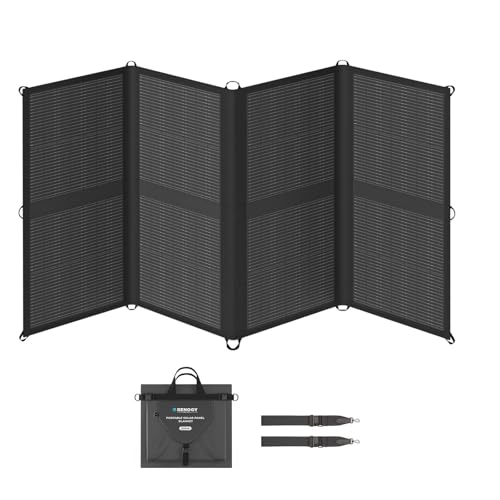
Renogy 200W Portable Solar Panel for Power Stations, 25% High Efficiency

100W Foldable Solar Panel – Charger for Power Stations
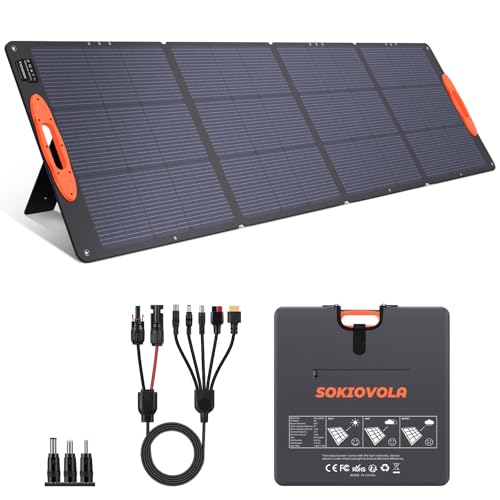
SOKIOVOLA N-Type 16BB 220W Portable Solar Panel
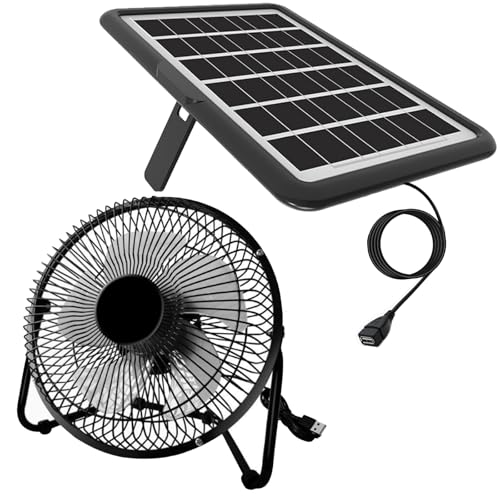
Solar Powered Fan, 8 Inch Install-Free, with 18W IP65 Portable Solar Panel
60W Portable Solar Panels Charger with USB-C, USB-A and DC Outputs

Renogy Bifacial Solar Panel 200W N-Type, 16BB 25% High-Efficiency
Solar Powered Fan, 8 Inch Install-Free with 25W Dual Solar Panels

SOLUPUP 100W Portable Solar Panel for Power Station
More Details On Our Top Picks
Rooftop installs and shaded runs are where this Renogy panel set makes the most sense. The N-Type cell design leans toward better output retention, and the 2-piece 200W format gives you more layout flexibility than a single large panel.
You’ll appreciate that flexibility on an RV roof with vents, on a marina setup with nearby mast shadows, or beside a home array that loses sun to trees. The trade-off is size and commitment, because a 400W system asks for more room and a more permanent plan than the portable options below.
Strong Points
- Two 200W panels make placement easier around roof hardware.
- The N-Type build suits cloudy stretches and partial shade better than basic panels usually do.
- Useful for a home backup layout, not just travel rigs.
- The split format can simplify cable runs on awkward surfaces.
- Good fit for steady daily power needs rather than occasional top-ups.
Things To Consider
- It needs meaningful mounting space, so cramped roofs may feel tight.
- Fixed installs take more planning than foldable kits.
- Cleaning and seasonal checks matter more on permanent roof placement.
Feature Snapshot
Who It Suits Best
RV owners, boat setups, and home users with partial shade get the most value from this arrangement.
A Better Fit Elsewhere
Renogy Bifacial Solar Panel 200W N-Type, 16BB 25% High-Efficiency suits you better when your roof gets reflected light and you want a smaller, single-panel path.
This one shifts the focus from fixed mounting to carry-friendly power. The backpack-size foldable build matters most for road trips, campsite setups, and storage inside a vehicle where hard panels would feel awkward.
USB-A and Type-C outputs make it friendlier for smaller electronics, while the 200W output still keeps it useful for power stations. The trade-off is obvious, you gain portability but give up the brute-force feel of the 400W Renogy roof option above.
What We Like
- Folds down small enough for easier packing.
- Works well for power-station owners who want a simple travel panel.
- USB-A and Type-C outputs cover common charging needs without extra adapters.
- The 25% efficiency rating helps it make more of weaker daylight.
Points To Note
- Portable gear usually asks for more setup and takedown time than roof-mounted panels.
- Backpack-size storage still needs a safe, dry place in the van or garage.
- It’s better for transportable use than for a permanent array.
Core Details
Who Will Love This
Travel campers and van setups that move often will get the most from the foldable format.
Another Choice May Suit
Renogy ShadowFlux Solar Panel 400 Watt, N-Type 25% High-Efficiency works better for you when roof space and partial shade matter more than portability.
Smaller power needs fit this panel well, especially for weekend camping or blackout prep with a modest power station. The 100W class keeps the kit manageable, and the foldable build should be easier to stow than the bigger Renogy options above.
Direct USB-A and USB-C charging gives it a practical feel for phones and small accessories, while QC3.0 adds a faster-charge note for compatible gear. The compromise is capacity, so you’re choosing convenience and portability over the extra headroom of the 200W and 400W picks.
Highlights
- Foldable format keeps storage and transport easy.
- USB-A and USB-C outputs suit everyday device charging.
- QC3.0 support gives compatible gear a more efficient charging path.
- Monocrystalline cells are a familiar, reliable panel style for portable kits.
Room For Improvement
- 100W is enough for lighter jobs, not larger household backup plans.
- Folded gear still needs careful storage to avoid wear on hinges and cables.
- It makes more sense as a travel charger than as a main off-grid panel.
Feature Rundown
The Right Fit
Weekend campers, van travelers, and backup-kit users with small device loads will feel right at home here.
Look Elsewhere When
Renogy 200W Portable Solar Panel for Power Stations suits you better when a larger battery station needs more daily input.
This SOKIOVOLA panel sits in a nice middle zone, larger than the 100W foldables but still easier to move around than a rooftop install. The 16BB cell layout, meaning 16 thin conductor bars across the cell, points to a design focused on efficient current collection.
The IP68 rating gives it a tougher outdoor profile, which matters around damp campsites, boat decks, or unpredictable weather. You may find the brand compatibility callout useful too, especially around portable power stations from EF, Jackery, Bluetti, and Anker.
Reasons To Buy
- 220W output gives you a step up from basic portable panels.
- IP68 rating suits wetter outdoor conditions better than lighter-rated panels.
- Folding design keeps it practical for trips and storage.
- Broad power-station compatibility makes planning easier for mixed setups.
Areas To Watch
- It still takes more space than a 100W travel panel.
- Foldable gear benefits from dry storage and careful cable handling.
- Compatibility helps, but power-station matching still deserves a quick check.
At A Glance
Whose Shelf It Belongs On
Campers and RV users who want a stronger portable panel without moving to a rigid roof setup will get the most from it.
Swap It Out When
Renogy ShadowFlux Solar Panel 400 Watt, N-Type 25% High-Efficiency works better for you if a permanent shaded roof install matters more than portability.
This is less about charging a battery station and more about keeping air moving in places that get stuffy. In a greenhouse, chicken coop, pet shelter, or attic, the install-free layout keeps the setup straightforward, and the 14-foot cable gives you placement freedom that fixed kits usually don’t.
Both the fan and the panel are IP65 rated for outdoor use, and the foldable support makes the panel easier to position than a rigid frame. The honest read is that this suits light ventilation jobs best, not rooms that need serious airflow pressure.
Upsides
- No complicated mounting hardware is needed.
- Long cable length gives you room to place the panel where sun reaches best.
- IP65 construction fits damp outdoor work areas better than indoor-only fans.
- Useful for small enclosures that need steady air movement.
Softer Spots
- It’s a ventilation tool, not a charging panel for electronics.
- The 18W panel keeps the system in a light-duty range.
- Outdoor placement still needs regular dust and debris checks.
Technical Sheet
Built With In Mind
Greenhouse keepers and small-structure owners who want easy airflow on cloudy days are the best match here.
Where A Sibling Pick Shines
Solar Powered Fan, 8 Inch Install-Free with 25W Dual Solar Panels suits you better when you want a similar fan setup with more panel headroom.
Small electronics, power banks, and compact stations are the natural home for this 60W charger. It gives you the basics without much bulk, and the foldable format makes it easier to keep in a trunk or cabinet than the larger portable panels in this list.
USB-C, USB-A, and DC output options make it useful across mixed gear, especially for someone who wants fewer adapters in the bag. The trade-off is capacity, so this is more of a utility panel than a solution for larger backup systems.
Best Bits
- Compact power for smaller charging jobs.
- USB-C, USB-A, and DC outputs broaden compatibility.
- Foldable body makes transport easier.
- IP67 rating gives it a tougher outdoor profile than many light panels.
Honest Caveats
- 60W suits lighter gear, not serious house backup.
- Portable panels need care during packing so connectors stay tidy.
- Users with bigger stations will likely want more wattage.
Details At A Glance
Best Suited To
Campers and emergency-kit planners who carry smaller devices will get the cleanest fit.
Reach For A Different Pick When
SOLUPUP 100W Portable Solar Panel for Power Station suits you better when you want a little more charging room with a similar portable footprint.
This one stands out for its bifacial design, meaning it can use light from both the front and back sides. That matters on reflective surfaces, open decks, and off-grid installs where bounce light can add a bit of extra utility without changing your whole setup.
Compared with the ShadowFlux panel earlier, this Renogy model leans less on split-panel flexibility and more on the double-sided capture idea. You may find it a smarter fit where reflected light is part of the environment, but it still asks for a proper mounting plan and enough open exposure.
Best Bits
- Bifacial design can make use of reflected light.
- N-Type cells and 25% efficiency point toward strong conversion potential.
- 16BB construction supports efficient current flow across the panel.
- Works well for off-grid rooftops, boats, and open backyard layouts.
Small Caveats
- Bifacial performance depends on where and how the panel is mounted.
- It’s more installation-oriented than a travel-first foldable panel.
- Outdoor dust and back-surface grime can reduce the benefit of double-sided capture.
Core Details
Right Fit For
RV, marine, rooftop, and off-grid setups with reflective surroundings will benefit most here.
Where Shoppers Go Wrong
Renogy 200W Portable Solar Panel for Power Stations suits you better if portability matters more than bifacial mounting gains.
This fan takes the same install-free idea as the 18W version, then adds more panel capacity. That extra solar surface should help in stubborn light or more demanding ventilation spots, especially in a greenhouse or chicken coop that needs steadier movement through the day.
The 14-foot cable still gives you layout flexibility, and the larger solar input makes this the more ambitious choice of the two DELUMEE fans. The catch is that more capacity still doesn’t turn it into a whole-building ventilation system, so the use case should stay focused.
Reasons To Buy
- Dual panels give the fan a stronger solar feeding setup.
- Install-free design keeps setup simple.
- Long cable helps with sun placement and fan placement separately.
- Well suited to small structures that need more consistent airflow.
Worth Noting
- It’s still a niche airflow tool, not a general power product.
- Dual-panel parts need a bit more space than the 18W version.
- Outdoor dust and debris can build up on panels over time.
Feature Card
Who Should Grab It
Greenhouse owners and small outbuilding users who want more airflow support will get the best fit.
Skip It When
BeoYjVon 100W Foldable Solar Panel – Charger for Power Stations suits you better when charging devices matters more than moving air.
SOLUPUP leans into practical flexibility, with MC4 output and a 5-in-1 cable that broaden connection options for portable power gear. That makes it attractive for camping, blackout kits, and off-grid use where connector variety matters almost as much as raw wattage.
The bifacial design and 24% efficiency rating help it feel more serious than a bare-bones foldable panel, while the waterproof build supports outdoor use. The trade-off is the usual one with portable solar, you get more flexibility than a fixed array, but you still need decent placement and careful setup.
Positives
- MC4 output suits more portable power-station setups.
- 5-in-1 cable reduces the need for extra accessories.
- Bifacial design gives it more light-collection flexibility.
- Waterproof foldable format works well for travel and storage.
Trade Offs
- Connector versatility helps, but you still need to match your gear carefully.
- Portable foldables need thoughtful storage to avoid wear on cables and hinges.
- It suits moderate power needs better than large-scale backup.
Feature Rundown
Made For
Campers and off-grid setup owners who want flexible cable options in a 100W class panel will feel at home here.
Consider Something Else When
Renogy Bifacial Solar Panel 200W N-Type, 16BB 25% High-Efficiency suits you better if you want the same bifacial idea with more output headroom.
How To Choose The Right Solar Panels For Cloudy Days
Efficiency Matters More Than Hype
Cloud cover softens sunlight, so panel efficiency becomes the quiet hero. N-Type and bifacial designs usually deserve attention because they’re built to make more of the light that’s available, not just the light you wish you had.
That matters most for RV roofs, portable battery stations, and backup setups that need useful output before noon. A lower-efficiency panel can still work, but cloudy conditions make the gap more noticeable.
Match The Format To Your Routine
Rooftop panels suit people who want a fixed setup and don’t want to pack gear after every stop. Foldable panels fit campers, van travelers, and anyone who stores solar in a closet or truck bed between uses.
The right choice depends on movement, not just wattage. A 200W panel that fits your routine often beats a larger panel that stays home because it’s awkward to carry.
Check The Connections Before You Commit
USB-A, USB-C, DC, and MC4 each serve different gear. USB ports help with small devices, DC suits certain stations, and MC4 is common in more serious solar connections.
Knowing your device ports saves you from a panel that looks right but needs more adapters than you planned. That’s especially useful for mixed kits where one panel feeds a station, a phone, and a small accessory.
Weather Resistance Should Fit The Setting
IP ratings tell you how well a product handles dust and moisture. For a damp campsite, greenhouse, or boat, a tougher rating gives more peace of mind than a bare-bones outdoor label.
Still, no rating replaces sane placement and basic care. A panel that lives outside all season will ask for more cleaning and storage attention than one that comes out on weekends.
What To Weigh Before You Click
Traps First Timers Fall Into
Many people chase wattage alone and skip the real fit question. A 400W rooftop panel looks strong, but it’s not the right move for a small car setup or a traveler who needs something packable.
Another common miss is ignoring connector type. That’s how you end up with a panel that sounds right but doesn’t line up cleanly with your power station or handheld gear.
When Paying More Pays Off
Higher-tier panels usually cost more because of better cell architecture, tougher weather sealing, and more thoughtful layouts. N-Type cells, bifacial designs, and stronger waterproofing all add value in cloudy or unpredictable settings.
The upgrade makes sense when you depend on the system often, not just occasionally. For a permanent roof install, a tougher build can feel worth it long after the unboxing stage.
Frequently Asked Questions
Do cloudy days make solar panels useless?
No, they still collect energy, just at a lower rate than bright sun. Higher-efficiency panels and better placement help narrow that gap.
Is bifacial solar worth it in low light?
It can be, especially on reflective ground, pale rooftops, or boat decks. The extra gain depends on how much light reaches the back side.
Should you choose a foldable or rigid panel?
Foldable panels suit travel and temporary use. Rigid panels fit permanent installs and usually feel easier to live with long term.
What output range works for a small power station?
100W to 200W covers many compact setups well. Larger stations and heavier daily use usually need more than that.
Do waterproof ratings matter for camping solar gear?
Yes, they matter a lot around wet ground, dust, and rough storage. A stronger rating gives you more flexibility in outdoor conditions.
Final Thoughts
Cloudy-day solar is less about chasing a headline wattage number and more about picking the right shape, cell type, and connection style for your routine. The Renogy roof panels suit more committed setups, while the foldable 100W and 200W picks fit travel and smaller stations with less fuss. For airflow jobs, the DELUMEE fan kits solve a different problem entirely, and that’s useful if your space needs motion more than power. Choose the option that matches your day-to-day use, and you’ll feel the difference quickly.
