

Home backup power looks very different once you start thinking about outages, a fridge, internet gear, and the devices you still need to charge. These solar battery banks fit that daily reality better than a noisy fuel setup, especially for apartments, suburban homes, RV overflow, and anyone who wants stored power ready before a storm rolls through. The range here goes from compact carry-anywhere units to whole-home sized systems, so you can match capacity to your space instead of overbuying a giant box you barely use.
The Shortlist At A Glance

Jackery Explorer 2000 v2 Portable Power Station 2042Wh 2200W AC Output

Jackery HomePower 3000 and 2x200W Solar Panels 3072Wh 3600W AC Output

Jackery HomePower 3000 Portable Power Station 3072Wh 3600W AC Output

Jackery HomePower 3600 Plus Portable Power Station 3600W AC Output 3584Wh LFP Solar Generator

Jackery Solar Generator 300 and 40W Solar Panel 292Wh 300W AC

Jackery HomePower 3600 Plus Portable Power Station with 2X 200W Solar Panels 3600W AC Output
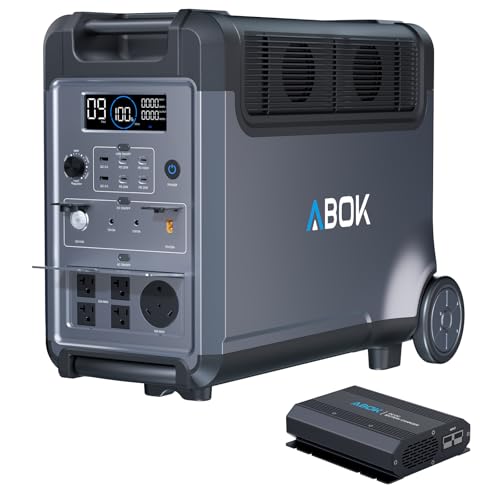
ABOK Ark3600 Portable Power Station 3600W 3840Wh LiFePO4 Battery
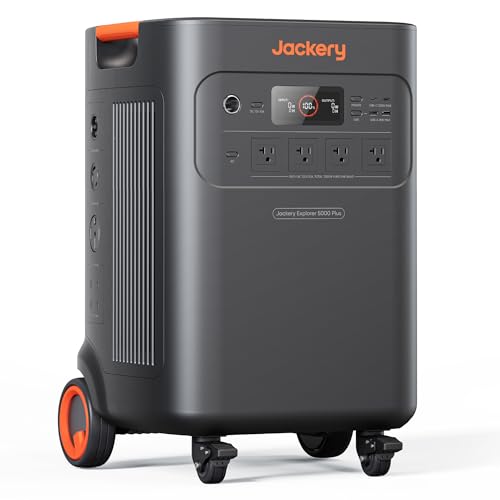
Jackery Solar Generator 5000 Plus Portable Power Station 5040Wh LiFePO4 7200W AC Output
More Details On Our Top Picks
This Jackery sits in the useful middle ground for a home office, a small apartment, or a family that wants backup without jumping straight to a giant cabinet-sized system. The 2042Wh battery gives you room for essentials, and the 2200W AC output suits everyday appliances better than tiny travel units like the Explorer 300.
LiFePO4 means lithium iron phosphate, a battery chemistry known for stable, long-cycle use, and that matters when a unit may sit ready for months between outages. The USB-C PD 100W port also helps for laptops and newer phones, though the solar panel is optional, so you may want to pair it with panels sooner rather than later.
Strong Points
- 2042Wh gives you a solid cushion for lights, network gear, and charging during a typical outage.
- 2200W AC output handles more household gear than the compact Explorer 300.
- USB-C PD 100W is well suited to modern laptops and fast top-ups.
- LiFePO4 chemistry usually suits long-term storage better than older battery styles.
Things To Consider
- Solar panels are separate, so your off-grid setup takes a little extra planning.
- The form factor is still portable, but it is not something you want to carry across a campsite every hour.
- For whole-home duty, the larger HomePower models below give you more breathing room.
Feature Snapshot
Who It Suits Best
Homeowners who want a mid-size backup battery for essentials, not a full utility replacement, fit this one well.
Where Another Pick Suits Better
Jackery HomePower 3000 and 2x200W Solar Panels suits you better for a more complete solar-ready home setup.
This bundle makes sense for a house that wants solar support built into the purchase instead of added later. The 3072Wh battery and 3600W AC output put it above the Explorer 2000 v2, and the included 2x200W panels remove one of the first setup decisions that slows people down.
That extra solar pairing matters during long outages, since you can recharge from daylight without hunting for matching accessories. It is a heavier, more committed setup than the smaller Jackery units, though, so it fits a garage, utility room, or basement corner better than a grab-and-go shelf.
Highlights
- Panels are included, which simplifies the first step of building a solar backup system.
- 3072Wh gives you more staying power for kitchen and networking essentials.
- 3600W AC output opens the door to more demanding home loads.
- It suits a house that wants a complete package instead of piecing parts together.
Minor Gripes
- The bundle takes more storage space than a battery-only unit.
- Panel placement and cable routing add setup work, especially in cramped areas.
- For very mobile use, the simpler Explorer 300 is far easier to haul around.
Quick Facts
Built With In Mind
Households that want an integrated battery and panel setup for outages and daylight recharging fit this bundle well.
A Better Fit Elsewhere
Jackery HomePower 3600 Plus Portable Power Station works better for you if expandability matters more than included panels.
This version strips away the included panels, which gives you a cleaner path if you already have a charging plan or want to choose your own solar setup later. You still get the same 3072Wh capacity and 3600W AC output as the bundle above, so the core power story stays strong.
That makes it a practical fit for someone building a backup system in stages, especially in a garage or utility area where the unit can sit ready. Compared with the HomePower bundle, you trade convenience for flexibility, and that trade-off feels honest rather than awkward.
Upsides
- Same strong battery and output numbers as the bundled HomePower 3000.
- Battery-only format gives you more freedom in how you build the rest of the system.
- Good match for households that already own compatible charging gear.
- Less accessory bulk than a full panel bundle.
Softer Spots
- You will need to plan your panel setup separately.
- It gives you fewer out-of-box conveniences than the kit version.
- For very large homes, the HomePower 3600 Plus brings more room to grow.
At A Glance
Right Fit For
Shoppers who already know their solar setup and want a strong battery base without bundled panels will like this one.
Another Choice May Suit
Jackery HomePower 3000 and 2x200W Solar Panels is the easier path for you if you want the panels included from day one.
Expansion is the big reason this model stands apart, because the battery starts at 3584Wh and can grow to 21kWh. That scale makes sense for a home that expects longer outages, more circuits, or a gradual move toward a larger backup system.
The 3600W AC output gives you more headroom than the midsize Jackery options, and the optional solar panel route keeps the purchase flexible. For a garage, laundry area, or dedicated backup corner, it feels more like infrastructure than a portable gadget, which is the point.
Reasons To Buy
- 3584Wh starting capacity gives you a serious baseline for home essentials.
- Expandable storage up to 21kWh leaves room for future needs.
- 3600W AC output supports a broader set of household loads.
- The optional panel setup lets you decide how solar-friendly you want the system to be.
- It fits well in a permanent backup spot instead of a grab-and-go shelf.
Points To Note
- The expansion path makes most sense for people who plan ahead.
- The size and ambition place it above what casual camping usually calls for.
- Compared with the HomePower 3000 bundle, you are buying into the bigger growth path, not the easiest starter kit.
Core Details
Whose Shelf It Belongs On
Homeowners planning a larger, layered backup setup will get the most from this one.
Swap It Out When
Jackery HomePower 3000 and 2x200W Solar Panels suits you better if you want a simpler, bundled first step.
Small is the whole appeal here, and the 7.5-pound weight makes that plain. For camping, a road trip, or backup for phones, tablets, cameras, and a laptop, this model keeps the load light without feeling bare-bones.
The 2 AC outlets, 100W USB-C PD port, 2 USB-A ports, and 120W car port cover a good spread of devices, which helps when your charging list keeps changing. Compared with the larger HomePower units, it gives up serious household capacity, but that trade-off makes sense for travel and casual off-grid use.
Best Bits
- 7.5 pounds is easy to carry with camping gear or a day bag.
- Integrated handle design helps the unit move cleanly from car to campsite.
- Three output types, plus AC, make it flexible for small electronics.
- The included 40W panel helps you start with a basic solar setup.
Areas To Watch
- 292Wh is built for small loads, not refrigerator duty.
- The panel is modest, so recharging speed depends on realistic sun conditions.
- Compared with the Explorer 2000 v2, it is far less suited to home outage coverage.
Details At A Glance
Who Should Grab It
Travelers and campers who want a light backup source for small electronics will be happiest here.
Where A Sibling Pick Shines
Jackery Explorer 2000 v2 Portable Power Station suits you better for home outage coverage and much heavier everyday loads.
This bundle is built for someone who wants the higher-capacity HomePower 3600 Plus without piecing together panels after the fact. You get the same 3584Wh base, the 3600W AC output, and the solar panels in one package, which makes the setup story much simpler.
The package also fits households that prefer a more complete system from the start, especially for outages where daylight charging matters. Compared with the battery-only HomePower 3600 Plus, the real advantage is convenience, not raw capacity, and that distinction matters.
Positives
- Includes 2 x 200W panels, so your solar path starts immediately.
- 3584Wh and 3600W keep the system in a serious home-backup class.
- Helpful for households that want one purchase instead of separate components.
- Works well in a planned backup spot where panels can stay organized.
Trade Offs
- The bundle takes more room than a battery-only version.
- Panel setup adds a little more handling and cable management.
- For smaller apartments, the Explorer 2000 v2 is easier to live with.
Feature Card
The Right Fit
Households that want a ready-made solar backup package with strong capacity will get the most from this one.
Look Elsewhere When
Jackery HomePower 3600 Plus Portable Power Station is the better fit if you want the same core battery without the panel bundle.
This ABOK unit pushes hard on output density, with 3600W power, 3840Wh capacity, 15 outlets, and an expandable ceiling of 11,520Wh. That mix suits a home backup spot where several devices may need power at once, and it also gives RV setups more room than smaller Jackery picks.
The 10ms UPS matters for gear that dislikes a long interruption, since UPS means uninterruptible power supply and the transfer window is very short. The honest read is that this model makes more sense for organized backup use than casual carry-around duty, but that is exactly where it earns its keep.
Standout Traits
- 15 outlets help you spread power across a busier setup.
- 3840Wh gives you a large starting reserve for home essentials.
- 10ms UPS supports devices that need a quick handoff during power loss.
- Expandable to 11,520Wh, which gives you meaningful growth room.
Room For Improvement
- The scale makes storage and placement more deliberate.
- It feels more like a backup station than a portable weekend carry.
- Compared with the Jackery HomePower 3600 Plus, the bigger capacity path is there, but the brand ecosystem is less established for many households.
Spec Overview
Best Suited To
Homes, RV owners, and backup-minded households that want lots of outlets and growth potential will appreciate this model.
Reach For A Different Pick When
Jackery HomePower 3600 Plus Portable Power Station suits you better if you want a more familiar home-backup route with a broader accessory ecosystem.
For a house that wants serious outage coverage, this is the biggest statement piece in the group. The 5040Wh battery, 7200W AC output, and 120V/240V support put it well beyond the midsize options, and the expandable path to 60kWh signals a setup built for a long horizon.
That scale comes with a clear trade-off, because this is less about portability and more about anchoring a home backup plan. Compared with the HomePower 3600 Plus, it moves into a much larger tier, so you feel the gain in capacity, but you also need the space and budget for a system this serious.
Positives
- 5040Wh gives you a large battery base for extended outage coverage.
- 7200W AC output is built for heavier home loads.
- 120V and 240V support broadens what the system can serve.
- Expandable to 60kWh, which gives you exceptional room to scale.
- LiFePO4 chemistry fits the long-term backup role well.
Honest Caveats
- The scale is far beyond what most camping setups need.
- It asks for a dedicated place in the home, not casual storage.
- Compared with the Explorer 2000 v2, it is a much bigger commitment in both size and purpose.
Core Details
Whose Shelf It Belongs On
Homes that want a high-capacity backup hub for serious outage planning fit this one best.
Another Choice May Suit
Jackery HomePower 3600 Plus Portable Power Station suits you better if your backup plan needs a smaller footprint and a gentler entry point.
How To Choose The Right Solar Battery Banks For Home
Start With The Loads You Actually Need
Capacity, measured in watt-hours, tells you how much energy the battery stores. Bigger numbers help you keep a fridge, lights, routers, and phones running longer, but only the devices you truly plan to power should shape that number.
AC output matters just as much, because it tells you how much power the inverter can deliver at once. An inverter converts stored battery power into household AC power, and a strong one matters when a sump pump, microwave, or space heater enters the picture.
Match The Build To Your Space
Portable power stations fit better in apartments, hall closets, and garages that double as storage. Larger home systems want a steadier home base, because their size and cable layout make them feel more like installed equipment than a camping accessory.
Weight, handles, and panel layout matter for real use, not just spec sheets. A 7.5-pound travel unit can move with you easily, while a 3600W home backup unit is the sort of thing you stage once and leave in place.
Think About Charging, Not Just Storage
Solar input changes the ownership experience because it affects how quickly you can restore the battery after use. Bundled panels help you start sooner, while solar-panel-optional models give you room to choose a different panel size or charging plan later.
LFP and LiFePO4 both point to lithium iron phosphate batteries, which are a smart fit for backup use that repeats through the year. That chemistry usually suits people who want a unit to stay ready in the background, not just sit in a closet until a vacation.
Look At The Whole Backup Plan
Some homes need a battery for a few critical loads, while others need something closer to a scaled household system. Expansion support, outlet count, and voltage options become more important as your backup plan gets bigger and more layered.
The best match is the unit that fits your home, your storage space, and the way you expect outages to play out. A smaller station can feel like a safety net, while a larger system can act more like a private power reserve.
Things Worth Knowing First
Mistakes Worth Dodging
Many shoppers focus on battery size and ignore output, which leads to a unit that stores plenty of energy but cannot run the device they wanted. Another common slip is skipping panel planning, so the battery arrives before the charging plan does.
Storage space is easy to forget too. A compact station can live on a shelf, but a large home backup unit needs a stable, reachable place where cables do not turn into clutter.
The Upgrade Payoff
Higher-tier systems usually cost more because they bring larger batteries, stronger output, more outlets, and sometimes better expansion paths. Those extras matter most in homes that want to power several essential devices at once, especially during longer outages.
You also pay for convenience when panels are included, since that trims setup decisions and gets you to a working system faster. For a small apartment, that extra scale may be unnecessary, but for a house with real outage concerns, it often earns its place.
Frequently Asked Questions
How much capacity makes sense for home backup?
That depends on the number of devices you want to keep alive and how long you want them running. A midsize battery works for basics, while a larger system suits longer outages and more room-to-room coverage.
Do bundled solar panels matter?
They matter a lot if you want a straightforward start with fewer separate purchases. A battery-only model gives you more freedom later, but the setup takes more planning.
Is LiFePO4 the same as LFP?
Yes, both point to lithium iron phosphate battery chemistry. That term matters because it helps you compare backup units built for repeated storage and use.
What is UPS in a backup station?
UPS means uninterruptible power supply. In plain terms, it helps keep connected equipment from seeing a long interruption during a power changeover.
Should you choose a huge system for a small home?
Not usually, because oversizing can waste space and complicate placement. A smaller or midsize unit often feels more practical unless you expect long outages or several high-demand devices.
Closing Thoughts
The right solar battery bank for home use is the one that fits your actual outage plan, not the one with the loudest numbers. A midsize unit like the Explorer 2000 v2 works well for essentials, while the HomePower and 5000 Plus options move you toward a more serious backup setup. Travel-friendly models still have a place, especially when your needs stay light. Match capacity, output, and storage space to your home, and the choice becomes a lot clearer.
