

Power cuts rarely arrive on schedule, and that’s exactly why a good home backup setup matters. You may want a compact radio-and-charger for short outages, a foldable panel for steady topping up, or a larger power station that keeps key devices alive longer. This lineup focuses on practical fit, not hype, so you can match the right capacity, ports, and panel setup to your home routine.
Quick Look At Our Top Picks

Mesqool Solar Radio Emergency Hand Crank 12000mAh

ZeroKor 300W Portable Battery Power Station with Solar Panel 40W

Ryno Tuff 21W Portable Solar Charger

Cuddeback Solar Power Bank PW-3600

Leaton Hand Crank Emergency Radio 10000mAh

Jackery HomePower 3600 Plus Portable Power Station
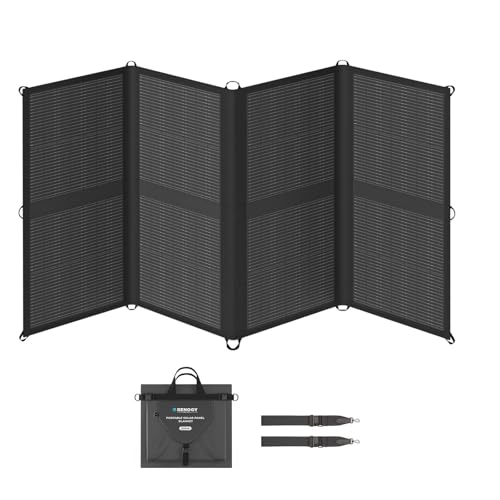
Renogy 200W Portable Solar Panel for Power Stations

ZeroKor Solar Generator with Panel 300W Portable Power Station

ZeroKor Portable Solar Power Station Generator 100W
More Details On Our Top Picks
For outage kits that need more than a plain battery, this Mesqool unit makes sense because it folds radio, light, and phone charging into one compact body. The 12,000mAh capacity gives you a decent buffer for short disruptions, while the AM/FM and NOAA weather bands help you stay informed during storm season.
The trade-off is straightforward, it’s not meant to replace a larger home power station like the Jackery HomePower 3600 Plus. You’ll appreciate it most in kitchens, bedside drawers, and car emergency kits, where quick access matters more than raw output.
Strong Points
- Built-in radio keeps updates close during outages.
- LED flashlight adds usable hands-free light.
- 12000mAh capacity gives you a useful phone top-up.
- Dual outputs make it easier to share power.
Things To Consider
- It suits short backup needs better than long household use.
- Smaller capacity means it works best as a support device.
- Hand-crank charging is a backup habit, not a daily routine.
Feature Snapshot
Whose Shelf It Belongs On
You’ll get the most from this one as a family emergency backup, especially for storm prep, bedside use, or keeping a phone alive after the lights go out.
Look Elsewhere When
ZeroKor’s 300W Portable Battery Power Station with Solar Panel 40W suits you better when you need AC outlets for larger everyday gear.
ZeroKor gives you a more traditional small power station layout, so it feels closer to a home backup tool than a pocket charger. Two AC outlets, a DC port, three USB ports, and a USB-C port give you room to handle phones, tablets, and smaller appliances without swapping cords all evening.
The pure sine wave AC output matters because sensitive electronics usually prefer cleaner power than a rougher waveform. In a camping cabin, RV, or a living room during a brief outage, that difference can make the setup feel calmer and less fussy.
What We Like
- Multiple outlet types cover a broad mix of devices.
- Pure sine wave output is a thoughtful touch for electronics.
- Built-in flashlight with reading and SOS modes adds utility.
- BMS protection package adds useful control over power behavior.
- Low-noise, gas-free design fits indoor use more comfortably.
Worth Noting
- It’s better for modest household loads than heavy-duty backup.
- The listing advises regular recharging during storage, so it asks for attention.
- Solar input is useful, but the bundled panel stays in small-system territory.
Core Details
Who It Suits Best
You’ll like this most for apartment backup, RV travel, or a home office that needs a flexible starter station.
Where A Sibling Pick Shines
Jackery HomePower 3600 Plus Portable Power Station fits you better when your backup plan needs far more storage and a much stronger AC side.
This one leans hard into portability, which is why it feels better for day trips, hiking bags, and small emergency kits than a shelf-bound home station. The foldable solar cells and two USB ports make it a simple way to top up smartphones, tablets, and battery packs in the background while you’re outdoors.
For a household setting, it works best as a charger for the people, not the fridge. The honest read is that it earns its place by staying light and easy to pack, while bigger picks in this list handle the real backup heavy lifting.
Highlights
- Foldable design packs down neatly for travel.
- Two USB ports help you charge more than one device.
- Lightweight build suits backpacks and glove boxes.
- Simple layout keeps everyday use straightforward.
Areas To Watch
- It’s a charging panel, not a full household reserve.
- Best results depend on having usable sun exposure.
- You may want a protective storage spot to avoid wear in a packed bag.
At A Glance
Built With In Mind
You’ll appreciate it most as a travel charger for hikers, campers, and anyone who wants a light solar layer in the emergency kit.
A Better Fit Elsewhere
Renogy 200W Portable Solar Panel for Power Stations suits you better when your goal is feeding a larger station instead of charging phones alone.
Unlike the broader home backup picks, this Cuddeback model is focused on a narrower job, keeping compatible trail cameras running for long stretches outdoors. That makes it a smart fit for hunters, property watchers, and wildlife setups where frequent battery swaps get old fast.
The built-in NiMH battery and mount kit push it toward a more permanent installation style, so it feels closer to a set-it-and-monitor-it tool than a portable grab-and-go charger. You may find the specialized fit limiting, but that same focus is exactly why it makes sense for camera duty.
Positives
- Purpose-built for CuddeLink and Tracks cameras.
- Solar charging helps reduce manual battery changes.
- Built-in NiMH storage supports longer outdoor use.
- Mount kit makes placement easier for fixed setups.
Softer Spots
- It’s not a general household backup option.
- Compatibility matters here, so matching your camera line is important.
- Outdoor mounting needs a tidy, stable location.
Details At A Glance
Whose Shelf It Belongs On
You’ll get the most from this on hunting land, remote trails, or a property perimeter where supported cameras stay in place.
Swap It Out When
Mesqool Solar Radio Emergency Hand Crank 12000mAh fits you better for a home storm kit that needs radio and phone support together.
Leaton follows the same emergency-minded path as the Mesqool radio, but it trims the capacity slightly and adds a USB-C charging angle that modern households often appreciate. The mix of NOAA weather radio, flashlight, SOS alarm, and solar charging makes it feel ready for a desk drawer, glove box, or camping bin.
That balance works best for short outages and quick status updates rather than long running sessions. A small gripe is that compact emergency gear like this depends on you keeping it charged and stored where you can actually reach it.
Bright Spots
- USB-C support fits many newer charging setups.
- AM/FM and NOAA coverage keeps information close.
- Solar, crank, and battery power give you several ways to stay ready.
- Flashlight and SOS alarm add useful emergency depth.
Small Caveats
- It works better as a compact backup than as a large power source.
- Portable gear like this still needs regular storage checks.
- Capacity is suited to phones and small accessories, not big appliances.
Quick Facts
Made For
You’ll like this best as a compact emergency station for apartments, cars, and families who want simple backup in reach.
Another Choice May Suit
ZeroKor 300W Portable Battery Power Station with Solar Panel 40W fits you better when wall-style outlets matter more than a radio-first layout.
This is the unit that changes the conversation from gadget backup to serious household resilience. With 3600W AC output, 3584Wh LFP storage, and two 200W solar panels included, it’s built for homes that want a stronger bridge through outages, not just a way to keep phones awake.
LFP means lithium iron phosphate, a battery chemistry known for long-cycle stability and a calmer temperature profile than many older pack styles. The catch is obvious, size and cost track upward with that kind of capacity, so it belongs in homes that can actually use the extra reach.
Upsides
- High AC output supports more demanding household gear.
- Large storage capacity makes longer backup windows more realistic.
- Included solar panels reduce the need to piece together a kit.
- Expandable design gives you room to scale later.
- LFP battery chemistry suits frequent use better than tiny emergency packs.
Honest Caveats
- It asks for more space than the smaller picks in this list.
- Home backup gear like this usually needs a clearer setup plan.
- The upgrade path makes sense only when you’ll use the added capacity.
Core Details
The Right Fit
You’ll get the most from this in a home that wants real backup coverage for outages, RV travel, or a dedicated preparedness space.
Not Your Match When
Ryno Tuff 21W Portable Solar Charger fits you better for light travel charging where portability matters more than whole-home support.
Renogy is the panel-first choice in this group, so it suits you best when a larger station already sits in the house and needs a cleaner solar source. The N-Type design and 25% efficiency rating point to a panel built for tighter spaces, since it folds into a backpack-size shape instead of taking over a storage corner.
USB-A and Type-C outputs add some direct device flexibility, which helps on mixed-use weekends or RV stops. Compared with the smaller 21W Ryno Tuff, this is the panel you reach for when the charging job is bigger and the storage space is still limited.
Standout Traits
- 200W output gives you far more solar reach than compact panels.
- Foldable build stores neatly between uses.
- USB-A and Type-C outputs widen compatibility.
- Backpack-size format suits mobile solar setups.
Points To Note
- It is a panel, so you still need a station to store the power.
- Solar gear like this benefits from careful setup and tidy cable management.
- Large output does not equal small size, so placement still matters.
Feature Rundown
Best Suited To
You’ll get the most from this in a home solar kit, RV setup, or marine system where a foldable panel needs to save space.
Skip It When
Leaton Hand Crank Emergency Radio 10000mAh fits you better for a simple emergency kit that needs a radio and flashlight first.
This ZeroKor bundle lands in the middle ground, which is useful for households that want a simple solar starter without a more complex parts list. The 300W station pairs with a 40W panel and a pure sine wave AC outlet, so the setup feels approachable for casual backup use and weekend power needs.
It’s the kind of choice that works well beside the more portable Leaton radio and the larger Jackery station, depending on how much equipment you actually want to cover. The honest read is that it’s more about convenience than scale, and that’s not a bad thing for a modest home setup.
Reasons To Buy
- Bundled panel and station reduce the guesswork.
- Pure sine wave outlet is friendlier to sensitive electronics.
- 300W class keeps the system manageable for casual use.
- Good middle ground for home, RV, and outdoor use.
Room For Improvement
- It stays in the small-to-mid backup range.
- Users who want longer runtime will need a larger station.
- Bundle-style kits still need a tidy storage spot for the panel.
Feature Card
Who Will Love This
You’ll like this most for a modest home, RV, or apartment where you want a packaged solar starter that feels easy to manage.
Consider Something Else When
Jackery HomePower 3600 Plus Portable Power Station fits you better when the priority is serious home backup rather than a compact bundle.
This ZeroKor bundle is the smallest-feeling home-adjacent option in the list, which makes it useful for laptops, phones, cameras, and other light gear. The 65W power bank, 110V AC outlet, and 40W foldable panel give you a tidy starter kit without making storage a project.
It sits well below the larger 300W and 3600W choices, so you’ll want it for light backup rather than apartment-wide coverage. That simpler profile is exactly why it makes sense for desk setups, dorm-style spaces, and occasional camping use.
Best Bits
- Small footprint makes storage easy.
- AC outlet adds flexibility beyond plain USB charging.
- Bundled panel keeps the kit more complete out of the box.
- Good fit for light device support.
Minor Gripes
- It’s not built for heavy household loads.
- Smaller output suits a narrow set of uses.
- Like any foldable solar kit, it works best with careful handling and dry storage.
Key Specs
Perfect Match For
You’ll get the most from this as a light backup station for phones, laptops, and a few essentials in a compact home or travel setup.
Reach For A Different Pick When
Renogy 200W Portable Solar Panel for Power Stations suits you better when your goal is feeding a larger system instead of keeping things ultra-compact.
How To Choose The Right Solar Battery Banks For Homes
Match Capacity To The Job You Actually Need
Capacity, usually shown in mAh, Wh, or both, tells you how much energy the unit can store. A 10,000mAh emergency radio helps with phones and alerts, while a 3,584Wh station like the Jackery HomePower 3600 Plus supports far more demanding backup work.
Think in household terms, not just numbers on a page. A small bedside unit is for lighting and communication, while a full power station is for keeping several essentials moving through a longer outage.
Look Closely At Output And Ports
Output is the amount of power the unit can deliver at once, and port variety tells you what kinds of devices can plug in. AC outlets matter for wall-style gear, USB-C helps with modern charging cables, and DC ports often suit smaller electronics or dedicated accessories.
That mix matters more than a flashy headline watt figure. A station with several low- and mid-power ports often works better in a real home than a bigger unit with fewer connection options.
Decide Whether You Need A Panel Too
Some picks are complete bundles, while others are only the battery side or only the panel side. A bundled station-and-panel setup is easier for a first-time backup plan, but a separate 200W panel like the Renogy makes more sense when you already own a larger station.
Placement matters here. Foldable panels need sunlight and a dry storage spot, so the right choice depends on whether your backup space lives in a hall closet, garage shelf, or RV bin.
Choose By Real-Life Use, Not Just Spec Sheets
Storm prep, apartment backup, RV travel, and camera monitoring all ask for different shapes of support. A radio-first model suits quick information and phone charging, while a higher-tier station fits households that want longer runtime and wider device coverage.
The cleanest choice is usually the one that matches your most common outage routine. That keeps you from paying for capacity you won’t use, or underbuying and needing a second unit later.
A Quick Reality Check Before You Choose
Wrong Turns To Avoid
Don’t let panel wattage hide the bigger question of stored energy. A 40W panel can help top up a compact station, but it won’t substitute for a serious reserve during a long outage.
Another common miss is ignoring storage habits. Solar gear that sits untouched for months often needs periodic attention, and that matters as much as the headline features.
Where The Extra Money Goes
Higher-tier models usually pay for more battery storage, stronger AC output, better battery chemistry, and cleaner power delivery. They also tend to add better scaling options, which helps once your home starts needing more than phone charging.
The upgrade starts making sense when your backup plan includes several devices at once, longer runtime, or equipment you’d rather not gamble with. For light emergency use, a smaller kit is still the calmer choice.
Frequently Asked Questions
What makes a solar battery bank useful for home backup?
You get stored power that can keep lights, phones, radios, and small electronics running during a power cut. The best match depends on how long you want coverage to last.
Do you need a solar panel with the battery bank?
Not always, but a panel gives you a way to refill the unit from sunlight. Bundles are simpler, while separate panels give you more flexibility.
Is a hand-crank radio actually useful in a home kit?
Yes, because it gives you weather updates and a light source without needing wall power. It works especially well as part of a broader emergency setup.
What size works for phones and tablets?
A compact power bank or small station is usually enough for phones and tablets. Larger devices need higher AC output and more storage.
What should you store these products with?
Keep them near the cables, adapters, and chargers they use most often. A tidy storage spot makes the setup easier to reach during an outage.
Closing Thoughts
Your best match depends on how much of the house you want to keep moving when the power goes out. A radio-and-flashlight unit covers the basics, a 300W station handles modest backup, and the Jackery class of system steps into serious home support. Panels matter too, especially when you want sunlight to play a real role in recharge planning. Pick the setup that fits your actual routine, and the whole system feels a lot less complicated.
