

Power interruptions feel easier to manage when your backup plan is already in place. These solar battery backup systems for home range from compact portable stations to rack-style storage built for longer outages, so you can match the setup to your space, load needs, and comfort with installation. Some are better for keeping essentials running, while others are closer to a whole-home backbone.
The list below focuses on capacity, output, expandability, and the practical details that matter once the lights go out. You’ll also see where each pick fits best, because the right system for a condo closet is rarely the same as the right one for a garage or utility room.
The Shortlist At A Glance

Jackery Explorer 2000 v2 Portable Power Station 2042Wh 2200W AC Output

ECO-Worthy Cubix100 48V 600Ah Server Rack Battery LiFePO4 6 Pack 30.72kWh Solar Battery Kit

Jackery HomePower 3000 and 2x200W Solar Panels 3072Wh 3600W AC Output

Anker SOLIX F3800 Portable Power Station 3840Wh 6000W

EF ECOFLOW DELTA Pro Ultra 6144Wh Power Station 120/240V 7200W AC Output

ECO-WORTHY Home Power Station Backup Power 10000W AC Output 30720Wh LiFePO4 Battery
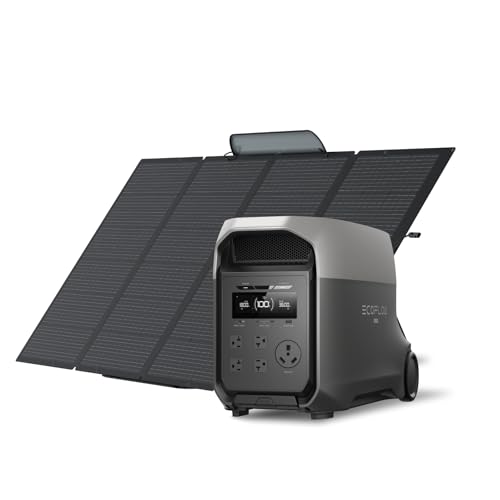
EF ECOFLOW Delta 3 Ultra 3072Wh Solar Generator with 400W Solar Panel

OUPES Guardian 6000 V2 Power Station with G5 Extra Battery 4x240W Panels
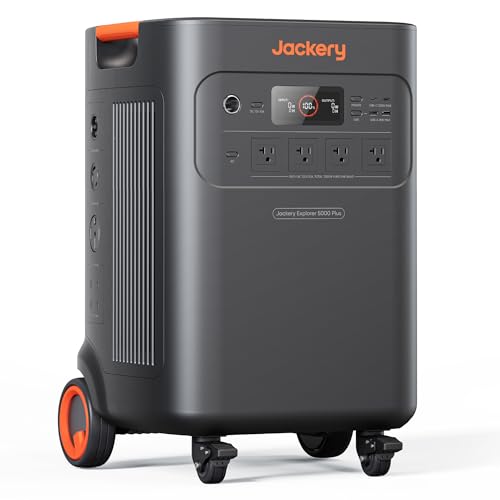
Jackery Solar Generator 5000 Plus Portable Power Station 5040Wh LiFePO4 7200W AC Output
More Details On Our Top Picks
The Explorer 2000 v2 sits in that useful middle ground where you can keep a fridge, lights, and charge gear without moving into heavy rack-equipment territory. Its 2042Wh capacity and 2200W AC output make it a practical match for apartment backup plans, tailgates, and weekend cabins, while the LiFePO4 battery chemistry points to a more durable storage format than older lithium setups. The trade-off is simple, you get real capability without the same household-scale reach as the larger units below.
You’ll also appreciate the USB-C PD 100W port when laptops and tablets need a fast refill, which makes this easier to live with during a long outage or a road trip. Compared with the rack-style ECO-Worthy options, it asks for much less installation effort, and that’s a relief for most households that want backup power without turning the garage into a project.
Strong Points
- 2042Wh gives you a solid reserve for essentials, which is handy for phones, routers, and a few small appliances through a short outage.
- 2200W AC output keeps it flexible for mixed household loads, so you’re not boxed into only charging devices.
- LiFePO4 battery chemistry usually suits long-term ownership better than older pack types, especially for frequent cycling.
- USB-C PD 100W helps modern laptops charge directly, which cuts adapter clutter during travel or backup use.
Things To Consider
- It is still a portable station, so it won’t replace the deeper storage and higher output of the bigger home systems here.
- Solar panels are optional, which means you’ll need to build out the charging side separately.
- For garage storage, the unit’s carry-friendly format is convenient, though it still asks for a dry, well-ventilated spot.
Feature Snapshot
Who It Suits Best
You’ll like this most as a portable backup for essentials, travel, and lighter home outage coverage.
A Better Fit Elsewhere
Jackery HomePower 3000 and 2x200W Solar Panels suits you better if you want a bundled solar setup with more capacity right out of the box.
This Cubix100 kit is for people who already think in system design, not casual plug-and-play backup. A 48V, 600Ah server-rack format, plus 30.72kWh of storage across six batteries, gives it the kind of depth that suits a dedicated backup room or a serious solar install. Compared with the Jackery portable units above, this is far less about mobility and far more about staying power.
The rack format also helps with organization in a utility area, though it naturally asks for more planning, space, and comfort with a fixed installation. Because the listing notes hazardous-material shipping and no returns, this is a stronger fit for a careful planner than for someone who wants a simple setup and easy reversal.
Positives
- 30.72kWh of storage gives you serious reserve, which is a real advantage during longer outages or heavier daily cycling.
- Server-rack packaging keeps multiple batteries arranged in a cleaner footprint than a loose pile of separate units.
- LiFePO4 chemistry makes sense for home backup where repeated charging and discharging are part of the plan.
Softer Spots
- No-return handling and regulated shipping make this a commitment-heavy purchase.
- The fixed rack style needs proper placement, so it’s not the casual choice for a spare room or small condo.
- Storage and upkeep are easier in a dedicated utility area than in a crowded garage.
Core Details
Best Suited To
You’ll get the most from this as a fixed home backup bank for a dedicated install and bigger energy needs.
Reach For A Different Pick When
Jackery Explorer 2000 v2 Portable Power Station suits you better if you want a portable unit that’s easier to move and simpler to live with.
Here the appeal is pretty clear, you get the station and the solar panels together, which removes a lot of guesswork from a first backup setup. The 3072Wh battery and 3600W AC output give you more headroom than the Explorer 2000 v2, and the 7200W surge rating helps with brief startup demands from certain appliances. That makes it a practical bridge between portable convenience and stronger home coverage.
For a detached house, camper, or emergency kit you actually want to use, the bundle format saves time and makes planning easier. The honest read is that you’re paying for a more complete package rather than just a power box, so it suits households that want the solar side handled in one go.
What We Like
- The included 2x200W panels make the system more ready-to-use than a station-only setup.
- 3072Wh capacity offers a strong middle-to-upper reserve for fridge duty, device charging, and lighting.
- 3600W AC output gives you more room for household loads than the smaller Jackery option in this list.
- LiFePO4 battery construction fits repeat backup use with less worry about short-term wear.
Minor Gripes
- The panel bundle adds more pieces to store and position, so setup takes a little more thought.
- It still sits below the largest home-scale systems here for very heavy loads.
- Outdoor panel placement means you’ll want a clear, organized charging spot.
Details At A Glance
Made For
You’ll like this as a ready-made backup bundle for home use, RV trips, and emergency planning.
Where A Sibling Pick Shines
EF ECOFLOW DELTA 3 Ultra 3072Wh Solar Generator with 400W Solar Panel suits you better if you want a bundled option with a different solar-panel setup and a lighter portability focus.
The F3800 is built for homes that need more than a few lamps and a router. With 3840Wh of storage, 6000W output, and 120V / 240V dual-voltage support, it moves into territory that feels much closer to a serious backup anchor than a weekend power pack. Compared with the Jackery options, it gives you a stronger path for larger appliances and more varied circuit needs.
That dual-voltage output matters because some homes split loads across different equipment, and having both 120V and 240V available can make planning much easier. You’ll notice the trade-off in size and weight expectations, so this suits a garage or utility corner better than a shelf by the sofa.
Upsides
- 6000W output gives you more breathing room for larger appliances and mixed home loads.
- Dual-voltage support opens up more practical use cases than single-voltage portable stations.
- 3840Wh storage pairs well with backup plans that need more than short-term device charging.
- LiFePO4 battery chemistry fits repeated household use without feeling disposable.
Areas To Watch
- This is a heavier-duty system, so placement matters more than it does with lighter portable picks.
- Its size makes storage less casual, especially in tighter homes.
- For smaller apartments, it may feel like more system than you need.
Technical Sheet
Right Fit For
You’ll get the most value from this in a home that needs high output and dual-voltage support.
Swap It Out When
EF ECOFLOW DELTA Pro Ultra 6144Wh Power Station suits you better if you want even more storage and a clearer path to expansion.
The Pro Ultra is the kind of backup system that makes sense when you want a large reserve and room to grow. Its 6144Wh battery, 7200W AC output, and expansion path to 90kWh put it in a different class from the mid-size portable stations above. Add the claim of a 2-hour full charge, and you start to see why this suits structured home backup planning rather than casual use.
For households that want more than emergency lighting, the 120/240V output and expansion support matter a lot. The trade-off is obvious, it is a big commitment in both space and planning, so it suits a dedicated storage spot and a clear electrical plan more than a grab-and-go setup.
Reasons To Buy
- 6144Wh capacity gives you a strong base for home backup needs.
- 7200W AC output helps support demanding loads that smaller stations can’t comfortably cover.
- The expansion path up to 90kWh leaves room for a much larger long-term system.
- 120V / 240V output makes it easier to think in household terms, not just portable-device terms.
Worth Noting
- Its scale calls for more planning than a simple portable unit.
- Expansion is a strength, but it also means the starter system can lead into a larger project.
- A dedicated place to store and manage the unit helps keep the setup orderly.
Core Details
Who Should Grab It
You’ll appreciate this most if you want a premium backup core that can grow into a larger home system.
Look Elsewhere When
Anker SOLIX F3800 Portable Power Station suits you better if you want a high-output option that still feels a bit easier to manage day to day.
This ECO-WORTHY system is aimed squarely at large home backup installs, not casual portable coverage. With 10,000W AC output and 30,720Wh of storage, plus Bluetooth, WiFi, and a six-layer movable server cabinet, it reads like a control center for a serious energy setup. Compared with the ECO-WORTHY Cubix100 kit, this one adds more output and built-in communications, which makes ongoing monitoring more approachable.
The server-cabinet format will appeal to anyone who wants a tidier installation than a loose battery stack, though it does take real space and planning. For most homes, that means a utility room, garage, or dedicated power corner rather than a casual shelf setup.
Standout Traits
- 30,720Wh of storage gives you a very large reserve for home backup planning.
- 10,000W AC output supports heavier loads than the portable stations in this roundup.
- Bluetooth and WiFi help you keep tabs on the system without standing right next to it.
- The movable cabinet gives the installation a more organized, managed feel.
Points To Note
- This is a substantial system, so placement and installation planning matter a lot.
- Maintenance and dust control are easier when you give it a dedicated location.
- It makes more sense for large backup use than for a smaller home or apartment.
Feature Rundown
Whose Shelf It Belongs On
You’ll suit this best if you’re building a large, monitored backup installation for a dedicated home space.
Another Choice May Suit
ECO-Worthy Cubix100 48V 600Ah Server Rack Battery LiFePO4 6 Pack 30.72kWh Solar Battery Kit fits you better if you want a simpler battery-bank style with less emphasis on integrated controls.
This Delta 3 Ultra keeps the focus on ready-to-use solar backup without drifting into oversized territory. Its 3072Wh battery, 3600W output, 7200W surge rating, and included 400W panel make it a tidy package for home use, camping, or RV time. Compared with the Jackery HomePower bundle, it offers a different panel package, but the bigger story is how neatly it combines charging and storage in one listing.
For households that want a practical, mobile-leaning backup setup, that bundled solar panel lowers the number of missing pieces you have to source separately. The honest read is that it still lives in the portable-station lane, so it’s a strong fit for essentials rather than full-house independence.
Best Bits
- The included 400W panel makes solar charging easier to plan.
- 3072Wh storage and 3600W output give you a useful balance of reserve and capability.
- 7200W surge support helps with short bursts of higher demand.
- The portable format keeps the system easier to move than rack-style installations.
Small Caveats
- The included panel helps, but a larger household may still want more total capacity.
- Portable storage is simpler than permanent installation, yet it still needs a sensible charging spot.
- For a garage backup plan, the lighter format is convenient, though not as deep as the larger home units here.
Quick Facts
Perfect Match For
You’ll like this most if you want a portable solar backup bundle for essentials, travel, and light outage coverage.
Where A Sibling Pick Shines
Jackery HomePower 3000 and 2x200W Solar Panels suits you better if you want a two-panel bundle with a different balance of components and capacity.
The Guardian 6000 V2 feels like a system for someone who wants a stronger backup path without stepping all the way into a massive cabinet build. With 240V output, 6000W of power, 9.2kWh total capacity, an extra battery, and four 240W panels, it already arrives looking like a serious package. The real advantage is expandability up to 41kWh, which gives you room to grow around the same core platform.
Native RV plugs and transfer-switch readiness make the setup feel more directly connected to real household wiring needs than a plain portable station. The trade-off is that you are clearly in higher-commitment territory, so storage, placement, and setup confidence matter more here than with the lighter picks.
Highlights
- 9.2kWh total capacity gives you a strong starting point for backup planning.
- 240V output and 6000W power make the system more flexible for home loads.
- The extra battery and four panels help create a fuller kit from the start.
- Expandability to 41kWh leaves real room for future growth.
Honest Caveats
- The package is substantial, so installation and storage need planning.
- It makes the most sense in homes that can support a larger backup system.
- For quick portable use, it is more system than you’re likely looking for.
At A Glance
Built With In Mind
You’ll suit this best if you want a transferable home backup setup with room to scale.
Skip It When
Jackery Explorer 2000 v2 Portable Power Station fits you better if you want a lighter, simpler station for short outages and easier storage.
The Solar Generator 5000 Plus lands near the top of the range in both capacity and output, with 5040Wh of LiFePO4 storage and 7200W AC output. That puts it in strong company alongside the Pro Ultra and Guardian 6000 V2, but this Jackery keeps the presentation straightforward and focused on home backup first. The expandable design up to 60kWh gives it a longer runway than most portable stations.
For power-outage planning, that combination of large base storage and expansion potential makes the system feel more future-ready than a simple emergency unit. You may find it best suited to a garage or utility space, since a system at this level is easier to live with when it has a set home of its own.
Positives
- 5040Wh of storage gives you a substantial starting reserve for home backup.
- 7200W AC output opens the door to heavier household loads than the mid-size stations can handle comfortably.
- Expansion to 60kWh gives you flexibility for a growing backup plan.
- LiFePO4 battery construction fits frequent charge and discharge cycles well.
Points To Note
- This is a larger system, so placement and setup deserve real attention.
- The solar panel is optional, so the charging side may need a separate purchase.
- For a small apartment, the scale can feel more serious than necessary.
Feature Card
The Right Fit
You’ll like this most if you want a strong home backup system with serious expansion room.
Another Choice May Suit
EF ECOFLOW DELTA Pro Ultra 6144Wh Power Station suits you better if you want even more base storage and a faster-feeling path into a larger home build.
How To Choose The Right Solar Battery Backup Systems For Home
Start With The Load, Not The Logo
Capacity and output come first. Wh or kWh tells you how much energy sits in the tank, while AC output tells you how much the unit can deliver at once, which matters for refrigerators, sump pumps, and other startup-heavy appliances.
Portable stations work well for essentials, but a 240V or high-watt system better matches homes that need more than lighting and charging. The right size usually feels boring in the best way, because it covers your normal outage routine without constant compromise.
Match The Format To Your Space
Portable stations suit closets, shelves, and garage corners, while rack systems belong in a utility area or dedicated backup room. That difference matters as much as the numbers, since large battery banks need airflow, organization, and a place you can reach without rearranging half the house.
Solar panel bundles help shorten the setup path, but they also ask for outdoor placement and storage space for the panels themselves. A tidy bundle is helpful, yet you still need a real home for every part.
Think About Daily Handling
Some systems feel easy to live with because they include handles, wheels, or a plain portable format. Others are better described as installed equipment, which means they reward planning and long-term placement more than frequent moving.
Cleaning, dust control, and cable management sound minor until the first outage lands. A setup that stays organized is usually the one you’ll trust later.
Choose Expansion For Future Headroom
Expandable systems cost more because you are paying for room to grow, stronger power electronics, and a design built for larger loads. That extra spend makes sense for households expecting more appliances, longer outages, or a move toward solar integration.
Smaller homes often do better with a simpler portable station, especially when the real need is backup for essentials. Bigger homes, or households planning around frequent outages, usually benefit from the larger step up.
Things Worth Knowing First
Mistakes Worth Dodging
Don’t size a system by battery capacity alone. A large Wh number can still disappoint if the output is too low for the appliance you want to run.
Another common miss is buying a fixed rack system for a space that can’t support it. The better move is to match the hardware to the room you already have, not the room you wish you had.
The Upgrade Payoff
Higher-tier systems cost more because they usually bring larger capacity, higher output, wider voltage support, and more expandability. You’re also paying for a setup that can handle more of the household instead of just the essentials.
That upgrade makes the most sense for homes that lose power often or need to keep more than a few circuits running. For lighter use, a mid-size portable station often stays the smarter, calmer choice.
Frequently Asked Questions
What size backup system works for a typical home?
That depends on which loads you want to cover and for how long. A small portable station suits essentials, while a larger 240V or expandable system fits heavier household demands.
Why do LiFePO4 models matter here?
LiFePO4 is a battery chemistry that fits repeated charge cycles well, which matters for backup use. It shows up often in these systems because home backup is usually about long-term ownership, not one-off emergencies.
Do solar panels need to come with the station?
No, and some of the strongest units here are sold without panels. A bundle saves planning time, while a station-only setup gives you more freedom to choose the panel size later.
Are rack systems better than portable stations?
Rack systems suit fixed installs and larger storage needs. Portable stations are easier to move, easier to store, and usually simpler for smaller homes.
What should you check before setting one up?
Look at space, output, and charging plan before anything else. A system that fits the room and the appliances usually ends up being the calmer long-term choice.
Closing Thoughts
The right solar battery backup system for home use depends less on hype and more on how your household actually loses power. Portable options make sense for essentials, while the larger rack and expandable systems fit homes that want deeper reserve and more serious output. Jackery covers the easier-to-live-with end of the range, ECO-WORTHY handles the fixed-storage side, and ECOFLOW or Anker fill the middle where power and flexibility meet. Pick the format that matches your space first, then the capacity, and the rest gets much easier.
