

Solar Battery Backup Systems matter most when the grid goes quiet and your house still needs lights, internet, and a way to keep essentials running. You’re looking at a mix of portable stations, large home backup units, and rack-style batteries, so the right pick depends on space, runtime, and how hands-on you want the setup to be. The smaller units suit camping or short outages, while the heavier systems are built for more serious home coverage.
The Shortlist At A Glance

Jackery Explorer 2000 v2 Portable Power Station 2042Wh 2200W AC Output

Portable Power Station with 40W Solar Panel 100W Solar Powered Generator 146Wh

ECO-Worthy Cubix100 48V 600Ah Server Rack Battery LiFePO4 6 Pack 30.72kWh Kit

Jackery HomePower 3000 and 2x200W Solar Panels 3072Wh 3600W AC Output

Anker SOLIX F3800 Portable Power Station 3840Wh 6000W Dual-Voltage Output

Jackery HomePower 3600 Plus Portable Power Station 3584Wh 3600W AC Output
BLAVOR Portable Power Station 1600W Peak 3200W Built-in Solar Panel 1024Wh
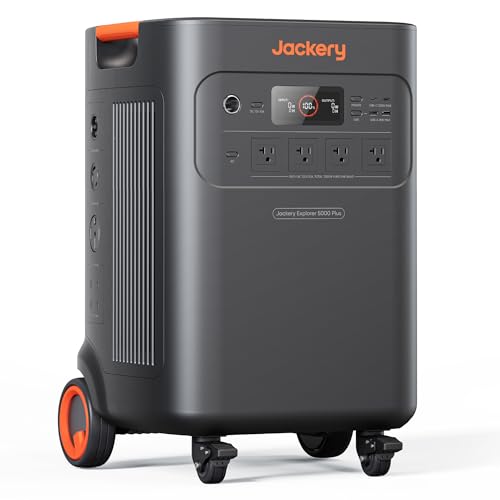
Jackery Solar Generator 5000 Plus Portable Power Station 5040Wh 7200W AC Output

ECO-WORTHY Home Power Station Backup Power 5120Wh LiFePO4 Battery 5000W Inverter
More Details On Our Top Picks
For households that want a portable reserve without jumping straight to a whole-home cabinet, this Jackery sits in a very useful middle lane. The 2042Wh battery means enough stored energy for a serious set of essentials, while the 2200W AC output helps it suit appliances that need more than a tiny travel unit can offer.
LiFePO4, or lithium iron phosphate, usually points to a chemistry favored for long-term cycling and steadier ownership feel, which matters during repeated outages or weekend use. The 100W USB-C PD port is a nice detail for laptops and modern devices, though the solar panel is optional, so you’ll want to factor in your charging setup rather than assume it’s complete out of the box.
Strong Points
- 2042Wh capacity gives you room for lights, networking gear, and smaller kitchen loads.
- 2200W AC output makes the jump from camping gear to home backup much easier.
- USB-C PD at 100W is well suited to laptops and fast-charging phones.
- LiFePO4 battery chemistry fits repeated use better than many older battery styles.
Things To Consider
- The panel is optional, so solar charging depends on what you already own.
- Size and weight will matter more once you move past simple carry-in, carry-out use.
- You may want a dedicated storage spot, because units this size tend to live better when they are not constantly moved around.
Key Specs
Who It Suits Best
Households that want a mid-size backup unit for outages, weekend projects, or RV use will get the most from this format.
Where A Sibling Pick Shines
Jackery HomePower 3000 and 2x200W Solar Panels makes more sense for you if home backup coverage matters more than portability.
This ZeroKor setup looks built for light-duty backup rather than whole-room coverage, and that’s the point. The 146Wh battery is small by home-backup standards, but the included 40W solar panel makes it more practical for phones, tablets, and short camping stays where you want a simple charging base.
The AC outlet adds flexibility, though you’ll notice the limits quickly once your loads get larger or more power-hungry. It’s a sensible match for travel bags, glove boxes, and emergency kits, while a heavier model like the Jackery Explorer 2000 v2 feels more appropriate for people expecting longer outages.
What We Like
- Included solar panel helps you start with a more complete small setup.
- 146Wh capacity keeps the unit easy to stash in tight spaces.
- AC outlet broadens use beyond basic USB charging.
- Small footprint makes it practical for travel, tailgates, and backup kits.
- Good as a starter option for lighter emergency planning.
Worth Noting
- The battery size is best treated as modest, not room-wide backup.
- Solar charging at this scale is more about topping up than running big devices.
- Owners commonly find small units easier to store, but also easier to outgrow.
Feature Snapshot
Whose Shelf It Belongs On
Campers, students, and car-kit planners will appreciate the small size and simple setup.
Skip It When
Jackery HomePower 3600 Plus is the better route for you if outage coverage for a larger home load matters more than portability.
This ECO-Worthy kit lives in a different category from the portable Jackery and Anker units. It’s a server-rack battery setup, so you’re looking at fixed home backup storage rather than something you casually move from room to room.
The 30.72kWh system size is the kind of number that makes sense for larger backup planning, especially in homes built around inverters and a more permanent solar layout. The trade-off is straightforward: the unit is non-returnable, shipping is treated as hazardous-material transport, and this is a system that asks for a real installation plan rather than impulse shopping.
Positives
- 30.72kWh capacity gives you substantial stored energy for home backup planning.
- Server-rack format works well in a dedicated utility space or equipment closet.
- LiFePO4 chemistry suits repeated cycling in a stationary system.
- Listed compliance markers help this feel more appropriate for serious system builds.
- Better fit for homeowners who want storage around an inverter-centered setup.
Minor Gripes
- Non-returnable status makes the purchase feel more permanent than portable options.
- Hazardous-material shipping can add friction to delivery planning.
- You’ll want installation confidence, because rack batteries are not plug-and-play in the usual sense.
Core Details
Best Suited To
Homeowners building a dedicated solar backup room or inverter-based system will get the most value here.
Another Choice May Suit
ECO-WORTHY Home Power Station Backup Power makes more sense for you if you want a simpler all-in-one cabinet with WiFi and Bluetooth control.
This Jackery bundle lands in the sweet spot for households that want solar panels included from the start. The 3072Wh battery and 3600W AC output make it feel far more home-centered than the smaller Explorer 2000 v2, while the 7200W surge rating gives extra breathing room for startup loads.
In a power outage, that extra buffer matters because some appliances pull harder for a moment before settling down. You’re still buying a sizable system, so storage space and weight will matter, but for family homes, RVs, and emergency kits that stay ready year-round, it reads as a well-balanced setup.
Highlights
- Two 200W solar panels are included, which simplifies the starting setup.
- 3072Wh capacity gives you a larger reserve for essential household use.
- 3600W AC output supports more demanding appliances than mid-size portables.
- 7200W surge rating helps with brief startup spikes.
- Good middle ground for homes that want serious backup without moving into rack systems.
Softer Spots
- The bundle takes more storage room than smaller stations.
- You may want help moving and setting it up, depending on your space.
- It sits below the larger 5000 Plus in total capacity, so very large homes may want more headroom.
Details At A Glance
Right Fit For
Family homes, RV users, and anyone who wants a bundled solar start with meaningful backup capacity will feel at home here.
Look Elsewhere When
Anker SOLIX F3800 makes more sense for you if dual-voltage output and a heavier appliance mix matter more than the bundled panel approach.
The F3800 is built for people who want real flexibility from a backup station. The 3840Wh battery is substantial, and the 120V/240V dual-voltage output gives it a step up in usefulness for homes that need more than standard single-voltage gear.
That dual-voltage setup is the headline, because it can match a wider range of household equipment than simpler portable units can handle. For RV owners, workshop spaces, or homes that want a stronger appliance story than the Jackery Explorer 2000 v2, this is one of the more convincing large-format options here.
Upsides
- 3840Wh capacity gives you a large reserve for long essential-use periods.
- 120V/240V dual-voltage output broadens appliance compatibility.
- 6000W output supports demanding home and RV gear.
- LiFePO4 battery chemistry fits repeat-use backup planning.
- Strong choice for spaces where one outlet standard is not enough.
Areas To Watch
- The larger footprint calls for dedicated placement and more storage thought.
- It’s more system-like than casual portable power, so setup planning matters.
- For light travel use, the size is more than you probably need.
Feature Card
Perfect Match For
Homes, RV users, and workshop setups that need more output flexibility will get the most out of this unit.
Swap It Out When
Jackery HomePower 3000 fits better for you if you want a bundled solar package with a slightly simpler home-backup feel.
At 3584Wh with 3600W AC output, this HomePower 3600 Plus lands close to the kind of capacity many homes want for practical outage coverage. The included two 200W solar panels help the package feel more complete than a power station-only listing, and the expandable design raises its ceiling in a way smaller units cannot.
That expandability is the real draw, because it gives you room to plan for future needs instead of replacing the whole setup later. The trade-off is simple enough: you’re stepping into a more committed home-backup purchase, so you’ll want to think about where it sits, how it charges, and what kind of household loads you expect to support.
Reasons To Buy
- 3584Wh capacity makes it a serious reserve for outages and off-grid living.
- 3600W AC output handles a wide range of household equipment.
- Two 200W solar panels are included in the bundle.
- Expandable design gives you a longer upgrade path.
- Useful for people who want one system to grow with their setup.
Small Caveats
- Higher-capacity equipment usually asks for more storage space and planning.
- The expandable path is helpful, but it also signals a more involved system mindset.
- For very small households, it can be more than basic backup needs require.
Quick Facts
The Right Fit
Homeowners who want a larger reserve with an upgrade path built in will appreciate this bundle most.
Consider Something Else When
Anker SOLIX F3800 is a better match for you if dual-voltage output is the feature that matters most.
BLAVOR splits the difference between a compact travel unit and a home-oriented station. The built-in solar panel is the detail that sets it apart from the Jackery Explorer 2000 v2 and the ZeroKor starter kit, because it trims down the number of separate pieces you need to manage.
The 1024Wh battery and 1600W output make it feel more useful for regular backup habits than tiny pocket-style stations, though it still stays below the larger home-first systems in raw reserve. For cabins, RVs, and outage kits that benefit from an integrated layout, it’s a tidy, practical shape.
Best Bits
- Built-in solar panel reduces the need to carry extra charging gear.
- 1024Wh capacity gives you a real step up from entry-level portable units.
- 1600W output is useful for a broader set of household electronics.
- 100W USB-C fast charging suits laptops and modern devices.
- LiFePO4 battery chemistry fits repeat use and regular backup planning.
Points To Note
- It’s still smaller than the home-first Jackery and Anker options here.
- Built-in panel convenience can also mean less flexibility in panel placement.
- Storage is easy, but you’ll still want a dry, organized spot for the unit and cables.
Core Details
Built With In Mind
Campers, RV owners, and small-household planners who want simpler charging gear will appreciate this format.
Where A Sibling Pick Shines
Jackery HomePower 3000 is a better fit for you if you want bundled solar panels and more home-focused runtime.
This 5000 Plus sits near the heavy end of the shortlist, and the 5040Wh battery is a clear reason why. The 7200W AC output plus 120V/240V support makes it feel like a serious home reserve rather than a scaled-up camping box, which is exactly why it stands apart from the smaller Jackery units above it.
The expandable path to 60kWh is the sort of spec that signals long-term planning, not casual backup. That kind of headroom suits larger homes or households that expect their energy needs to grow, though you’ll want to think carefully about installation space and the broader system cost before moving in this direction.
What We Like
- 5040Wh capacity offers substantial reserve for larger backup needs.
- 7200W AC output handles demanding loads with more confidence.
- 120V/240V output expands compatibility with home equipment.
- Expandable to 60kWh, which leaves room for future scaling.
- Strong match for homes that want a more permanent backup backbone.
Trade Offs
- This is a large system, so placement matters a lot.
- The expansion path is useful, but it also points to a bigger upfront commitment.
- For light travel or occasional camping, the format is more than you need.
Technical Sheet
Whose Shelf It Belongs On
Large homes and long-range backup planners who want a growth path will get the most value here.
Not Your Match When
Jackery HomePower 3000 is the better fit for you if you want a more approachable all-in-one bundle.
ECO-WORTHY leans into home-control features in a way most of the other picks here do not. The 5120Wh battery and 5000W inverter point to a serious backup role, while Bluetooth and WiFi add a layer of monitoring that matters most in a fixed home setup.
The 1 hour and 2.5 hour fast-charge claims suggest a system designed for quicker recovery between outages, though that kind of performance makes the charging environment worth planning carefully. For homeowners who want a connected system and prefer a more modern control experience, it feels distinct from the simpler portable stations above.
What We Like
- Bluetooth and WiFi support make remote monitoring more convenient.
- 5120Wh storage gives the unit strong home-backup potential.
- 5000W inverter suits larger household load planning.
- Fast-charge timing helps the system recover more quickly between uses.
- Good choice for setups that benefit from app-connected oversight.
Honest Caveats
- Connected features are useful, but they also ask for a little more setup attention.
- As with most larger systems, placement and cable management deserve planning.
- It makes more sense in a permanent or semi-permanent spot than in a mobile kit.
Feature Rundown
Who Should Grab It
Homeowners who want a connected backup station with app-style oversight will appreciate this model most.
Reach For A Different Pick When
Jackery Solar Generator 5000 Plus is the better fit for you if expandability to a much larger storage ceiling matters more.
How To Choose The Right Solar Battery Backup Systems
Start With The Load You Actually Need
The first decision is energy demand, not brand. A compact station like the ZeroKor unit suits phones, lights, and light travel use, while something like the Jackery HomePower 3000 or Anker SOLIX F3800 makes more sense once you’re trying to keep appliances and home networks running.
Battery capacity, measured in watt-hours, tells you how much stored energy you have to work with. Bigger numbers matter most during outages that stretch past a few hours, but they also bring more size, weight, and setup commitment.
Match Output To Your Appliances
AC output is the other side of the equation, because a battery can hold plenty of energy and still struggle with a load that asks for too much at once. The 5000W and 6000W units here sit in a different class from the 100W and 1600W portable options, and that gap changes what you can reasonably expect to power.
Dual-voltage support, like the 120V/240V output on the Anker SOLIX F3800 and Jackery Solar Generator 5000 Plus, helps when your setup includes equipment that does not all speak the same electrical language. That matters most in larger homes, workshops, and more permanent backup layouts.
Think About Charging And Placement
Solar panel inclusion changes convenience a lot. Bundled panels, such as the ones with Jackery HomePower 3000 and HomePower 3600 Plus, reduce the number of separate purchases, while optional panels let you build around gear you already own.
Placement deserves equal attention. Portable stations live well in closets, garages, and RV compartments, but rack batteries and large cabinets ask for a fixed spot with room for cables, airflow, and regular access.
Choose For Your Use Pattern
Frequent outages call for stable chemistry and easier monitoring, which is where LiFePO4 setups and connected systems can feel worth the step up. Occasional camping, on the other hand, usually rewards lighter weight, simpler carrying, and a format that won’t feel like moving a second appliance.
The honest read is that more capacity solves one problem while creating another, usually in the form of space, installation, or cost commitment. The right pick is the one that fits your routine without asking you to redesign your life around it.
Things Worth Knowing First
Mistakes Worth Dodging
Many shoppers focus on battery size alone and miss the output number, which leads to a unit that stores plenty of energy but still feels limited in real use. Another common slip is treating a portable station like a whole-home solution when it was really built for essentials, electronics, and shorter outages.
Panel planning also gets overlooked. A system with optional solar charging can be fine, but only when your charging setup is already thought through.
The Upgrade Payoff
Higher-tier systems cost more because they usually add larger batteries, stronger inverters, better output flexibility, and more complete charging options. You’re also paying for format changes, since rack batteries, dual-voltage stations, and expandable systems are built for more involved use.
That step up is worth it when your home actually needs longer runtime or heavier appliance support. For lighter backup habits, the extra capacity may just sit there, taking up space and budget without changing your daily life much.
Frequently Asked Questions
What size solar battery backup system works for a small apartment?
A compact unit around the ZeroKor or BLAVOR size usually fits better than a heavy home-backup cabinet. You get easier storage and simpler charging without paying for capacity you won’t use.
Do LiFePO4 batteries matter in home backup use?
LiFePO4, or lithium iron phosphate, is a battery chemistry commonly chosen for repeated charging and long-term ownership comfort. That matters most in backup gear that may sit charged and get used again and again.
Is bundled solar better than optional solar panels?
Bundled panels save you from piecing together the first setup, which helps with simpler planning. Optional panels give you more freedom to use gear you already own or choose a different panel size later.
What is dual-voltage output good for?
Dual-voltage output supports both 120V and 240V equipment, so it broadens what the station can serve. That feature matters most in larger homes and more complex backup setups.
Should you choose a portable station or a rack battery?
Portable stations suit temporary use, lighter storage, and easier movement from room to room or into an RV. Rack batteries fit a fixed backup plan and make more sense once your system starts looking permanent.
Final Thoughts
Your best match depends on how much of the house you want to keep running and how much setup you’re willing to manage. The compact picks cover light backup and travel, while the bigger Jackery, Anker, and ECO-WORTHY systems move into serious home planning. For most homes, the sweet spot sits between convenience and capacity, not at either extreme. Pick the format that fits your space, your appliances, and your tolerance for installation, and the rest becomes much easier.
