

Home solar batteries can steady a house when the grid stumbles, trim the mess of cord-hunting during outages, and keep small solar setups doing useful work after sunset. The right choice depends on scale, from a few AA cells for garden lights to rack-style lithium storage for whole-home backup. You’ll see both ends of that range here, along with a portable power station for people who want a more flexible backup option.
The shortlist below is built around real use cases, not just capacity numbers. Some picks suit a patio full of solar lights, while others fit garages, RV bays, or a dedicated battery room. The trade-off is simple: the bigger and more capable the battery, the more space, planning, and installation care it usually asks for.
Quick Look At The Shortlist

Jackery Explorer 2000 v2 Portable Power Station 2042Wh 2200W AC Output

Ni-MH AA 600mAh 1.2V Rechargeable Solar Batteries 4-Pack

12V 600Ah LiFePO4 Lithium Battery with 200A BMS
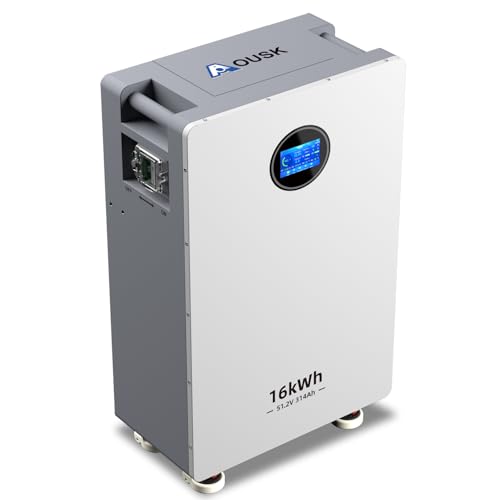
48V 314Ah Lifepo4 16.07kWh Lithium Battery

12V 100Ah LiFePO4 Lithium Battery Group 31 Deep Cycle

12 Pack AA Rechargeable Batteries for Solar Lights 1600mAh 1.2V NiMH

ECO-WORTHY 48V 280Ah 4 Pack 12V 280AH Metal Case LiFePO4 Lithium Battery

ECO-WORTHY Powermega 48V 314Ah 2 Pack LiFePO4 Battery Energy Storage

ECO-Worthy Cubix100 48V 600Ah Server Rack Battery LiFePO4 6 Pack
More Details On Our Top Picks
For households that want backup without wiring a fixed battery bank, this portable power station makes sense straight away. The 2,042Wh capacity is the part that matters most in real life, because it can support a router, phones, lights, or a CPAP-style setup for stretches that feel far less fragile than a small inverter pack.
The 2,200W AC output gives you room for more demanding appliances, while the LiFePO4 chemistry, a lithium-iron-phosphate battery type known for steadier cycle life, fits the sort of person who values long service over a light shell. The trade-off is size and weight, which keep it more at home near a wall outlet or in a vehicle than on a quick one-handed carry.
Strong Points
- Large capacity gives you more cushion during short outages.
- 2200W AC output supports a broader mix of household gear.
- USB-C PD 100W helps fast-charge modern laptops and phones.
- LiFePO4 construction suits repeated use over many seasons.
Points To Note
- Portable form still takes up more space than compact battery packs.
- As with most high-capacity stations, storage planning matters in smaller homes.
Feature Rundown
Who It Suits Best
Households that want a flexible backup source for outages, camping, or apartment-friendly storage will get the most value here.
Where A Sibling Pick Shines
VEMDIA’s 12V 100Ah LiFePO4 battery fits RV setups and smaller home backup projects better, especially when you want a simpler fixed installation.
These are the small-scale workhorses in the group, aimed squarely at solar path lights, fence lamps, and other outdoor fixtures that run on AA cells. The 1.2V Ni-MH format matches the usual replacement slot, so you’re not wrestling with adapters or oddball fitment.
The 600mAh rating tells you these are modest-capacity cells, which is fine for light-duty garden lighting but not a match for anything that needs deep reserve. They’re pre-charged and low self-discharge, meaning they’re ready sooner and should hold charge better while sitting in a drawer, though they still benefit from periodic rotation.
What We Like
- Ready-to-use format saves a step during replacement.
- Low self-discharge suits seasonal outdoor lighting.
- Standard AA size makes them easy to slot into common fixtures.
- Good fit for keeping several yard lights consistent.
Softer Spots
- Small capacity limits them to lighter solar-light jobs.
- Battery life still depends on the light fixture and sun exposure.
- You’ll want to keep track of which fixtures use AA cells versus AAA cells.
Core Details
Made For
Homeowners refreshing a few outdoor solar lights, especially in patios and narrow garden paths, will find these easy to slot in.
Swap It Out When
WENJOOP’s 12-pack AA rechargeable set makes more sense for larger yards, since it covers more fixtures in one purchase.
This is the step up for someone who wants serious reserve in a 12V format. With 600Ah capacity, it sits in a different class from the portable Jackery unit, and the 200A BMS, or battery management system, helps govern charging and discharge behavior so the pack can live in a more demanding system.
The IP65 rating points to dust resistance and protection against low-pressure water spray, which matters in garages, utility spaces, or mobile setups that see grime and damp conditions. The honest trade-off is weight and installation complexity, so this fits best where you have room to place it properly and support it securely.
Upsides
- Large 7680Wh energy reserve supports longer backup periods.
- 200A BMS gives the battery a stronger control layer.
- IP65 enclosure adds comfort in rougher utility spaces.
- Low-temperature cutoff helps the battery stay out of cold-charge trouble.
- Fits RV, off-grid, and home storage use well.
Room For Improvement
- Size and weight make placement more demanding than smaller 12V options.
- Big reserve only pays off in systems that can use it.
Technical Sheet
Best Suited To
RV owners, off-grid setups, and homes that need a large 12V reserve will get the clearest benefit from this pack.
Another Choice May Suit
VEMDIA’s 12V 100Ah battery is the simpler route for smaller backup plans or lighter-weight installations.
This one is built for serious stationary storage, not casual backup. The 48V format suits larger solar and home-battery systems, and the 16.07kWh figure gives you a strong sense of scale, the kind that can anchor a substantial backup plan rather than just patch a short outage.
The built-in 200A BMS, breakers, LCD touchscreen, and RS485, CAN, and RS232 communication ports point to a battery meant for system builders who want monitoring and integration options. That extra control is useful, though it also means you’ll want a careful install and enough technical comfort to make use of all those connections.
Bright Spots
- Large 16.07kWh capacity supports major backup projects.
- 48V design suits many modern home energy systems.
- LCD touchscreen makes status checks easier at a glance.
- Multiple communication ports support more advanced setups.
- Breakers add a practical layer for system management.
Areas To Watch
- Installation is far more involved than with portable or small-format batteries.
- Works best in a planned cabinet, garage, or utility space.
Details At A Glance
Right Fit For
Homes, cabins, or backup rooms that already use a 48V architecture will benefit most from this battery.
Look Elsewhere When
Jackery’s Explorer 2000 v2 is a simpler route for portable backup needs and lighter handling.
This is the sort of battery that fits into many real-world backup plans without demanding a giant footprint. Group 31 sizing matters because it’s a familiar deep-cycle format, so RV owners and off-grid tinkerers often have an easier time planning around it.
The Smart 100A BMS and low-temperature cutoff add practical control, and the claimed cycle count points to a battery meant for repeated use rather than occasional emergency duty. The trade-off is straightforward: 100Ah is useful, but it’s still a mid-size choice, so whole-home ambitions will need a larger bank.
What We Like
- Group 31 sizing helps with fit planning in common battery compartments.
- Smart 100A BMS supports more controlled operation.
- Low-temperature cutoff suits colder storage spaces better.
- Lightweight for its class, which helps during handling and install.
- Good middle ground for RV, marine, and backup use.
Minor Gripes
- Capacity stays moderate compared with larger home-storage batteries.
- You’ll still want a charger and system that match LiFePO4 needs.
Feature Snapshot
Built With In Mind
RV, marine, solar, and home backup setups that need a familiar 12V deep-cycle profile are the clearest match.
Reach For A Different Pick When
dumfume’s 12V 600Ah battery gives you a far larger reserve for more demanding off-grid storage.
For yards with a line of solar lights, this 12-pack is the kind of purchase that keeps maintenance simple. The 1600mAh rating gives these cells more headroom than the smaller 600mAh pack above, so they’re a better fit for fixtures that need a bit more staying power across darker evenings.
The precharged, low self-discharge design is handy for seasonal setups, because you can store extras and bring them back into rotation without much fuss. They’re still AA cells, though, so the real benefit is breadth of coverage rather than serious standalone runtime.
Reasons To Buy
- 12-pack coverage helps refresh several fixtures at once.
- 1600mAh capacity is stronger than many basic solar-light cells.
- Low self-discharge suits storage between seasons.
- Precharged condition makes them easier to put in service sooner.
Small Caveats
- AA format still limits use to compatible solar lights and small devices.
- You may need to track mixed fixtures carefully during replacement time.
Feature Card
Who Will Love This
Homeowners with several path, deck, or fence lights will appreciate having a full replacement set ready to go.
Skip It When
JiajaX’s 4-pack makes more sense for a smaller light cluster or a quick one-for-one swap.
The metal-case build gives this battery a sturdier feel on paper than the plastic-bodied options above, and that matters in a garage or utility room where equipment gets handled more than you’d like. Bluetooth support also makes sense for people who want status checks without opening up the whole setup every time.
The 14.34kWh energy figure puts it in a serious backup class, though the right install still matters more than the headline number. For many homes, this is the kind of battery that earns its keep in a fixed location, not something you casually move around.
Standout Traits
- Metal case adds a more rugged feel for installed setups.
- Bluetooth support helps with quick monitoring.
- Low-temp protection suits colder storage spaces.
- 14.34kWh reserve is useful for more ambitious backup plans.
- Works across RV, off-grid, and home storage use.
Honest Caveats
- Best results come from a planned install with enough space around it.
- Bluetooth is helpful, but it doesn’t replace good system sizing.
Quick Facts
The Right Fit
Homes and off-grid systems that want a tougher-feeling 48V battery with monitoring support are the best match here.
A Better Fit Elsewhere
Jackery’s Explorer 2000 v2 suits renters or portable-use setups that need easier movement and simpler storage.
This battery leans hard into system-level features, and that makes it appealing for a home backup room where monitoring matters as much as raw capacity. Active balancing helps keep individual cells closer in line during charging and discharge, which is the kind of detail that tends to matter more as the system gets larger.
The LCD, Bluetooth, WiFi, and RS485, CAN, and RS232 connections suggest a battery designed for people who want visibility and integration. Compared with the simpler VEMDIA or Jackery options, this one is clearly built for a more permanent, more connected setup.
Best Bits
- Active balancing supports more even cell management.
- Bluetooth and WiFi add convenient monitoring paths.
- 200A BMS supports stronger system demands.
- Aerosol fire protection is a notable extra layer in the design.
- Multiple communication ports fit more advanced home energy systems.
Worth Noting
- The feature set is substantial, so setup planning matters.
- Works best for installations that can use networking and monitoring tools.
Feature Card
Whose Shelf It Belongs On
Owners building a connected home backup system with room for monitoring and communication tools will get the most out of this battery.
Where Shoppers Go Wrong
dumfume’s 12V 600Ah pack fits simpler systems better, especially when you do not need networking or WiFi support.
Server-rack packaging changes the whole ownership story here, because it points to a more organized installation path than loose floor-standing batteries. The 30.72kWh kit size is substantial, and that matters for homes aiming at stronger backup coverage rather than merely keeping a few essentials alive.
The listing’s UL9540, UL1973, and CEC references are useful signals for anyone comparing system paperwork, though installation still needs proper planning and a sensible enclosure. Compared with the Powermega or AOUSK units, this one feels aimed at a structured battery room where expansion and order are part of the plan.
Positives
- Server-rack format helps keep a larger installation organized.
- 30.72kWh kit size supports bigger backup ambitions.
- Useful for home backup power projects that need scale.
- Shipped as a multi-pack kit, which suits staged builds.
Things To Consider
- Rack installation needs careful planning and enough dedicated space.
- Non-returnable shipping and hazardous-material handling raise the stakes around fit and placement.
Core Details
Built With In Mind
Homes that want a large, rack-style battery array for a dedicated backup area are the clearest fit.
Skip It When
Jackery’s Explorer 2000 v2 suits flexible, portable backup far better than a server-rack system.
How To Choose The Right Home Solar Batteries
Start With The Job You Need Done
A battery for patio lights solves a very different problem from a battery meant to carry a refrigerator through an outage. Small Ni-MH AA cells are about convenience and replacement cycles, while 12V and 48V lithium packs are about stored energy, current handling, and system fit.
Match the battery to the space first, then the power need. A portable station works well for apartments, sheds, and travel, while rack batteries belong in a planned utility area with room for cables, ventilation, and maintenance access.
Pay Attention To Chemistry And Control Gear
LiFePO4, short for lithium iron phosphate, is common in the larger batteries here because it suits frequent use and steady discharge behavior. A battery management system, or BMS, matters just as much, because it helps oversee charge, discharge, and basic protection functions.
For simple outdoor lights, Ni-MH is the sensible chemistry because it fits standard AA slots and keeps the swap easy. For home backup, the trade-off is between simplicity and scale, and the right answer depends on whether you need a few watts or a whole room of them.
Size The Battery To Your Install, Not Your Wishlist
Capacity numbers can sound huge on paper, but they only help when the rest of the system can use them. A 600Ah battery is overkill for a small shed light setup, while a 4-pack of AA cells won’t support anything beyond small fixtures.
Take note of voltage, footprint, and weight together. A 48V rack battery might be the better long-term move for a serious solar installation, but a 12V battery often feels easier to place and wire for RVs or starter home backup systems.
Think About Monitoring And Maintenance
Bluetooth, LCD screens, and communication ports are not just nice extras, they make ownership easier when the battery lives in a fixed location. You’ll appreciate that during seasonal checks, because it’s simpler to confirm status without tearing apart the setup.
Maintenance also includes plain old storage reality. Portable stations need a dry corner, outdoor AA cells need occasional rotation, and large lithium packs need enough room for safe access and cleaner cable runs.
What To Weigh Before You Decide
Hidden Buying Traps
Many people miss the match between voltage and the rest of the system. A 48V battery can be a poor fit for a 12V setup, and oversized storage can become expensive dead weight.
Another common slip is ignoring the installation space. Metal-case and rack-style batteries need a more deliberate home than a small portable station or a handful of AA cells.
The Upgrade Payoff
Higher-tier batteries usually cost more because of capacity, control hardware, and better system visibility. Features like Bluetooth, active balancing, LCD screens, and stronger BMS ratings add real usefulness in larger installations.
The upgrade makes sense when the battery is central to your home backup plan. For a few garden lights, it doesn’t, and that’s exactly why the smaller picks above deserve attention.
Frequently Asked Questions
What size battery works for basic home backup?
A 12V 100Ah battery can cover modest backup needs, especially in RV-style or small-home setups. Larger homes usually need a 48V battery bank with more total storage.
Are LiFePO4 batteries a good choice for solar storage?
LiFePO4 fits solar storage well because it suits repeated charging and discharge. It also appears in many of the larger options above for that reason.
Do solar light batteries need special care?
AA rechargeable cells for solar lights usually need only periodic replacement and occasional rotation. Keeping them clean and matched to the fixture helps them stay useful.
Why do some batteries use Bluetooth or WiFi?
Those features make it easier to check battery status without opening up the system. They matter most in installed setups where quick monitoring saves time.
Is a portable power station the same as a home battery bank?
Not quite, because a portable station is designed for flexibility and movement. A home battery bank is usually built for fixed installation and larger capacity.
Final Thoughts
The best home solar battery for you depends on whether you need a simple light replacement, a portable backup source, or a fixed storage system with real staying power. Jackery handles portable emergency use well, the AA packs make outdoor lighting easier, and the larger LiFePO4 units suit more serious home energy planning. Once you match capacity, voltage, and install style to your space, the shortlist gets much clearer. Choose the battery that fits the way you actually live, not just the biggest number on the page.
