

Long trail days reward gear that keeps phones, GPS apps, and lights ready without adding much bulk. That matters whether you’re topping up at a campsite, squeezing charge into a lunch break, or packing for a weekend off-grid. The eight picks below cover panel-first options, power banks, and a few hybrid-style choices, so you can match your pack weight, charging style, and storage space without guessing.
Quick Look At The Shortlist
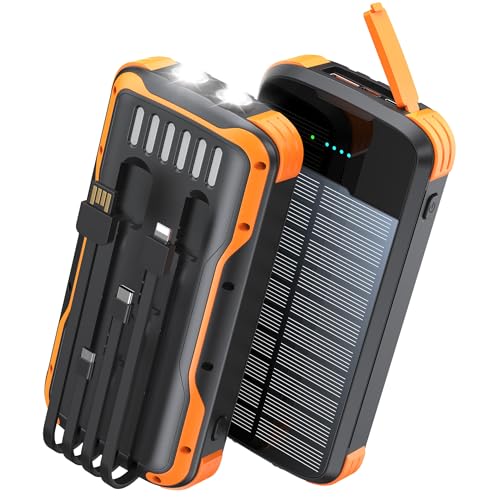
SOXONO 40000mAh Solar Power Bank, PD20W, Orange

ELECOM NESTOUT Portable Solar Panel 28W, 4-Panel
BLAVOR 10W Portable Solar Charger, Foldable Panel

BLAVOR Solar Power Bank with Hand Crank, 20000mAh

SOLUPUP 30W Foldable Solar Charger, USB-A and USB-C
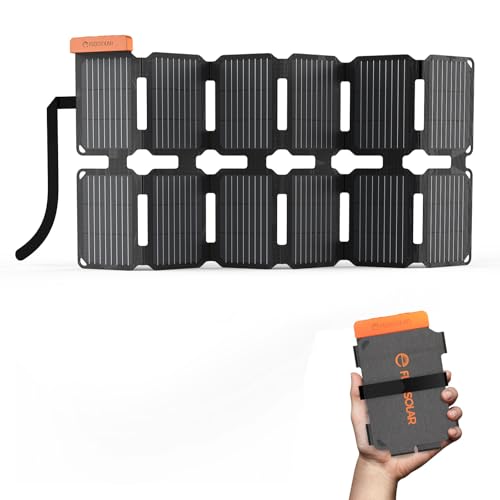
FlexSolar 36W Ultra-Portable Solar Panel Charger

YELOMIN 20000mAh Solar Power Bank, 22.5W

BLAVOR Solar Power Bank 10000mAh, Wireless Charger
More Details On Our Top Picks
Trail groups and longer car-camping weekends tend to favor a power bank like this because the 40000mAh capacity gives you more breathing room between outlets. The built-in cables and three output ports also cut down on cable clutter, which matters when your pack already feels crowded.
The 20W PD output, where PD means Power Delivery, helps it serve phones and smaller gear with less waiting around than a basic USB bank. The trade-off is size and weight, so this makes more sense for base camp use than for ultralight day hikes.
Strong Points
- Large capacity suits multi-device days without constant recharging.
- Built-in leads reduce the chance of forgetting a cable.
- Three ports make shared charging less awkward in camp.
- Dual flashlights add useful utility after dark.
Things To Consider
- The larger battery size is easier to carry in a pack than in a pocket.
- Orange is easy to spot, though it may not suit every kit color scheme.
- High-capacity banks still need occasional top-offs during longer storage.
Core Details
Who It Suits Best
You’ll get the most out of this on camping trips, long weekends, or group outings where several devices need backup power.
Where Another Pick Suits Better
FlexSolar 36W Ultra-Portable Solar Panel Charger fits hikers who want to recharge gear directly from sunlight and keep the pack lighter.
Compared with the power-bank style SOXONO, this ELECOM panel leans into direct solar collection instead of stored battery capacity. The ripstop nylon build and adjustable stands make sense for campers who set up once and let the panel face the sun for hours.
Dual USB-A ports suit older cords and simpler phone charging, though you do give up the versatility of USB-C in the panel itself. For base camps and car-camping setups, that trade feels reasonable, especially when storage space matters more than pocket portability.
What We Like
- 28W output is a useful middle ground for trail and camp charging.
- Ripstop nylon should handle rough packing better than thin fabric.
- Adjustable stands help you aim the panel more deliberately.
- Foldable layout makes it easier to stash beside camp gear.
Areas To Watch
- USB-A only means some USB-C setups need an extra cable.
- The panel format works best with steady daylight and good placement.
- It asks for a bit more setup space than a small bank.
Feature Rundown
The Right Fit
This suits campers, overnighters, and base-camp setups where direct solar charging matters more than built-in battery storage.
Swap It Out When
BLAVOR 10W Portable Solar Charger fits lighter hikers who want a smaller foldable panel and fewer setup steps.
Small-pack hikers usually care more about footprint than raw output, and this 10W BLAVOR panel fits that mindset well. The USB-C and USB-A outputs keep it flexible for basic devices, while the IPX4 rating, meaning splash resistance, gives you a little breathing room in damp weather.
It’s not the panel you’d choose for heavy, all-day charging, and that’s fine. The honest read is that it makes more sense for topping up a phone or power bank during a slower day than for powering a busy family campsite.
Bright Spots
- Small folded size sits well in daypacks.
- USB-C and USB-A outputs broaden compatibility.
- IPX4 splash resistance helps in unsettled weather.
- Simple layout is easy to understand at camp.
Minor Gripes
- 10W output is better for modest charging needs.
- Smaller panels can take more patience in weaker sun.
- Foldable fabric needs tidy storage to avoid wear marks over time.
Details At A Glance
Built With In Mind
Backpackers, day hikers, and minimalists who want a light solar helper will get the most value here.
A Better Fit Elsewhere
SOLUPUP 30W Foldable Solar Charger suits hikers who want more output and a broader device mix from one panel.
Some trail kits need more than one way to stay charged, and this BLAVOR bank leans hard into that idea. The 20000mAh capacity, four built-in cables, wireless charging pad, hand crank, and camping light make it a busy little power station rather than a plain backup brick.
The hand crank is the sort of feature that appeals to preparedness-minded hikers and storm-season household use, though it won’t replace normal charging speed. That trade-off feels fair because the rest of the unit still gives you everyday convenience in a package sized for a pack, not a toolbox.
Reasons To Buy
- Multiple charging paths reduce dependence on a single cable or port.
- Wireless charging can be handy for quick, no-cord top-ups.
- Camping light adds value in tents and emergency kits.
- 20000mAh capacity suits weekend use with several devices.
Softer Spots
- The extra features add complexity compared with a plain panel.
- Hand-crank charging is better as backup support than as a routine plan.
- More functions mean more parts to keep organized in storage.
Feature Card
Whose Shelf It Belongs On
You’ll like this most if your hiking kit doubles as an emergency kit and you value backup options over bare-minimum weight.
Reach For A Different Pick When
YELOMIN 20000mAh Solar Power Bank, 22.5W suits you better when fast phone charging and a simpler layout matter more than extras.
That 30W rating puts the SOLUPUP panel in a useful middle zone for hikers who want more than a tiny emergency charger but less bulk than a larger rig. The smart chip, a small control circuit that helps manage device matching and output, is meant to recognize gear quickly and keep charging steadier.
The automatic reconnection feature matters on trails where clouds move through and sunlight comes and goes. The honest catch is that a foldable panel still depends on placement, so you’ll get the most from it at camp or on a break rather than clipped to a pack while moving.
Positives
- 30W output gives you useful headroom over smaller panels.
- USB-A and USB-C broaden day-to-day compatibility.
- Smart chip support helps match devices more neatly.
- Auto-reconnect behavior suits changing light conditions.
- Works well for topping up phones and power banks at camp.
Points To Note
- Panel charging depends heavily on sun angle and placement.
- Folded size is still more awkward than a compact battery pack.
- Managing the hinges and folds takes a little care in a dusty pack.
Quick Facts
Perfect Match For
Campers and hikers who want a versatile panel for phones, tablets, and power banks will appreciate this middle-ground format.
Another Choice May Suit
BLAVOR 10W Portable Solar Charger fits lighter daypacks better when you want the smallest practical panel in this group.
FlexSolar steps up output and connection flexibility, which is exactly what matters once your trips get longer and your gear list gets busier. USB-A, USB-C, and DC outputs mean this panel can cover more categories of equipment than the smaller BLAVOR option, while still keeping a travel-friendly profile.
The larger appeal here is practical: fewer compromises during a multi-day outing and less juggling between different chargers. It still asks for direct sunlight and enough space to set it out well, so you’ll prefer this for deliberate camp use rather than fast moving miles.
Highlights
- 36W output gives it more charging headroom than 28W or 30W options.
- USB-A, USB-C, and DC outputs widen compatibility.
- Lightweight build fits longer carries more comfortably than bulkier panels.
- Helpful for emergency kits and off-grid camp setups.
Small Caveats
- Higher output still depends on strong sun and good placement.
- Multiple outputs are useful, but they also add cable management.
- Panel care matters, especially if you pack it with hard-edged gear.
Feature Snapshot
Right Fit For
Backpackers and campers who want a higher-output solar panel without jumping to a much heavier setup will get the most from it.
Look Elsewhere When
SOXONO 40000mAh Solar Power Bank makes more sense when you want stored battery capacity instead of direct-panel charging.
YELOMIN lands in a sweet spot for hikers who want a power bank that can handle normal daily charging without feeling oversized. The 20000mAh capacity, 22.5W fast charging, three built-in cables, and dual LED flashlight make it easy to picture in a weekend pack or storm kit.
That built-in-cable setup is especially helpful on shared trips, because it reduces the chance of someone forgetting the cord they need. It’s a little less flexible than a loose-cable kit for custom setups, but most hikers will value the cleaner carry more than that extra freedom.
Best Bits
- 20000mAh capacity feels well matched to weekend use.
- 22.5W charging offers a stronger pace for compatible devices.
- Three built-in cables simplify packing and sharing.
- Dual LED flashlight adds a practical nighttime bonus.
Worth Noting
- Built-in cables reduce clutter, but they also limit cable choice.
- The pack still takes room in a day bag.
- Repeated pocket carry can make a heavier bank feel noticeable over time.
Core Details
The Right Fit
Weekend hikers, commuters who spend time outdoors, and anyone wanting one tidy backup charger will appreciate this format.
Where A Sibling Pick Shines
BLAVOR Solar Power Bank with Hand Crank, 20000mAh suits you better if backup charging methods matter more than a simpler everyday layout.
This BLAVOR model is the smallest-feeling choice in the group, and that gives it a clear place in a hiking kit where space is tight. The 10000mAh capacity, 20W fast charging, wireless charging, USB-C support, and dual flashlight make it easy to use without much setup.
Compared with the larger YELOMIN and SOXONO banks, it asks you to accept less reserve power in exchange for a more compact carry. For short outings, airport layovers, or a phone-only backup, that compromise is sensible and easy to live with.
Positives
- Smaller capacity keeps the footprint easier to manage.
- Wireless charging offers a neat cord-free option for compatible phones.
- USB-C support covers common modern charging needs.
- Dual flashlight adds practical utility in camp or car use.
Trade Offs
- 10000mAh is better for short trips than for full weekends.
- Wireless charging can be less efficient than a wired connection.
- You’ll likely refill this more often than the 20000mAh options.
Core Details
Who Should Grab It
Light packers, short-trip hikers, and anyone who wants a small backup bank for a phone or earbuds will find this easy to live with.
Where A Sibling Pick Shines
YELOMIN 20000mAh Solar Power Bank, 22.5W suits you better when you want more reserve power and built-in cords for longer outings.
How To Choose The Right Hiking Solar Chargers
Match The Format To Your Trip
Panel-first chargers make sense for base camp, car camping, and longer stops where sunlight can do steady work. Power banks suit moving days better because you charge once and carry the energy with you.
That split matters more than raw wattage on paper. A 36W panel can still underperform a well-packed 20000mAh bank on a cloudy trail day, while a smaller bank can feel cramped during a two-night outing.
Look Past Capacity Alone
mAh, which stands for milliamp hours, tells you stored energy, not speed or flexibility. A 40000mAh bank like SOXONO carries more reserve than a 10000mAh model, but it also asks for more space and weight.
Charging output matters just as much. PD20W, 22.5W, and 30W help explain how quickly compatible phones and accessories can refill, though cable quality and device support still shape the real result.
Check Ports, Cables, And Carry Style
Built-in cables save hassle when you pack fast or share gear with others. They also limit cable choice, so a shopper who uses specialty cords may prefer a simpler body with standard ports.
USB-C is increasingly useful for modern phones and small electronics, while USB-A still covers plenty of older gear. For hikers, a tidy layout often matters as much as output, because loose cords tangle fast in small packs.
Think About Weather And Placement
Solar panels live or die by exposure, angle, and shade. Foldable stands, water-resistant fabric, and auto-reconnect behavior help, but they do not replace good placement in open sun.
That’s why a direct solar panel can feel brilliant at a bright campsite and merely adequate under trees. A rain shell in your pack is still smart, because moisture and rough handling are part of real trail life.
Things Worth Knowing Before You Choose
Common Shopping Slip Ups
Many shoppers focus on wattage and miss the rest of the system. A high-output panel still disappoints without enough sun, and a large bank still feels awkward when it’s too heavy for your pack style.
Another easy miss is port mix. USB-C, USB-A, built-in cords, and wireless charging each solve different problems, so the right blend depends on the devices you carry.
When Paying More Pays Off
Higher-tier models usually cost more because they add stronger output, more ports, tougher materials, or extra backup functions. That’s helpful for longer trips, group use, and gear bags that need fewer separate accessories.
Spending up makes sense when you want one item to cover several jobs. It makes less sense for casual day hikes, where a small bank or compact panel is easier to live with.
Frequently Asked Questions
Do hiking solar chargers work in shade?
Shade cuts performance sharply, especially for panels. A power bank with a solar input can still be useful, but it works best as stored backup rather than a sun-dependent main source.
Is a solar panel better than a solar power bank?
A panel suits camp setups where sunlight is available for hours. A power bank suits moving days because it stores energy ahead of time.
How much capacity do you really need?
Short outings often feel fine with 10000mAh. Weekend trips, shared charging, or multiple devices usually feel easier with 20000mAh or more.
Which port type matters most?
USB-C matters most for newer phones and many small accessories. USB-A still helps because plenty of cords and devices continue to use it.
Are built-in cables worth it?
They are handy for quick packing and fewer loose pieces. The trade-off is less flexibility if your setup uses special charging leads.
Final Thoughts
The right hiking solar charger depends on how you travel, not just how much power looks good on paper. A panel like FLEXSolar or ELECOM fits deliberate camp use, while SOXONO, YELOMIN, and BLAVOR banks make more sense for movement and quick top-ups. Keep your eye on output, capacity, and how much gear you’re willing to carry, because those details shape the day-to-day experience. Pick the form that matches your trail routine, and the rest tends to fall into place.
