

Choosing high-output solar panels gets easier once you match wattage, panel style, and mounting plan to the way you actually use power. A cabin setup, an RV roof, and a foldable camp kit ask for very different things, even when the watt numbers look close. This roundup keeps the focus on real-world fit, from fixed installations to portable panels that pack down between trips.
Quick Shortlist for Busy Installers

DOKIO 400W Solar Panel 31V Monocrystalline 24V Off-Grid Systems

Renogy ShadowFlux Solar Panel 400 Watt N-Type 2PCS 200W Panels

N-Type 16BB 400W Bifacial Solar Panel 2Pcs 200 Watt Solar Panel

Renogy Solar Panels 200 Watt N-Type 200W Solar Panel 16BB
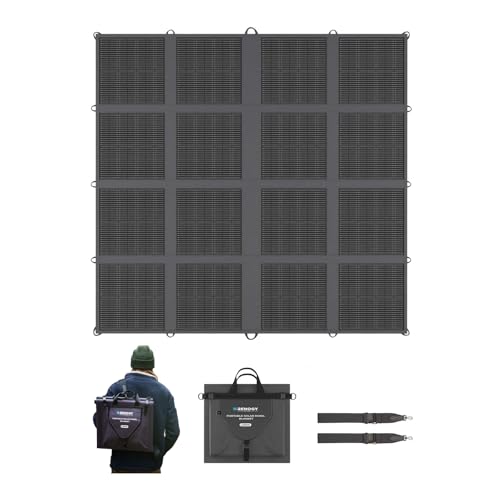
Renogy 400W Portable Solar Panel for Power Stations N-Type
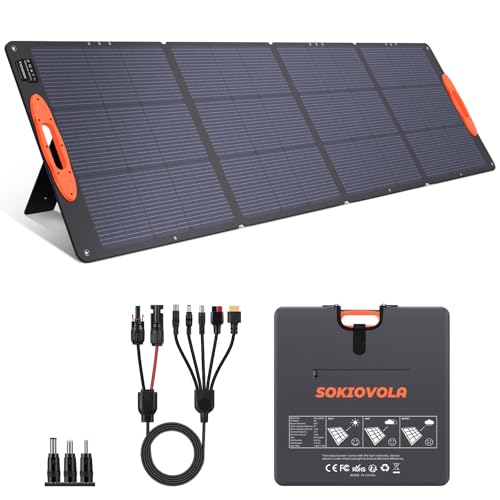
SOKIOVOLA N-Type 16BB 220W Portable Solar Panel for EF
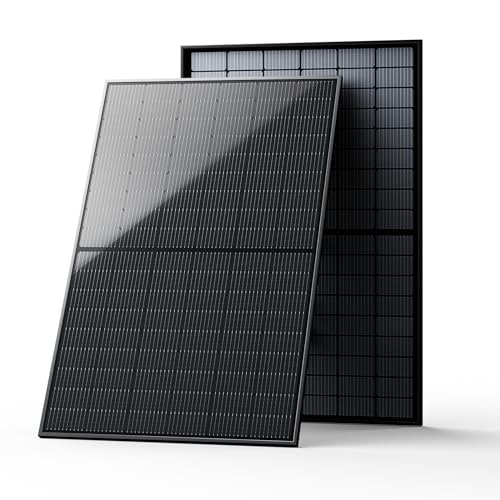
EPOCH 860W Bifacial Solar Panels N-Type Class A 12/24 Volt Monocrystalline Solar Panel

Renogy Bifacial Solar Panel 200W N-Type 16BB 25% High-Efficiency
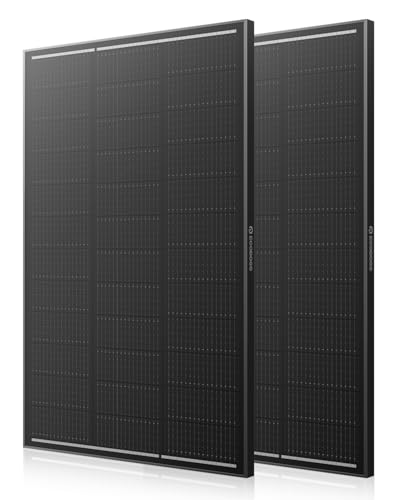
200W TÜV Certification Solar Panel 2PC 100 Watt N-Type 25.8% Solar Panels
More Details On Our Top Picks
DOKIO’s fixed-panel format makes sense for yards, sheds, and cabins where you want steady mounting rather than constant packing and unpacking. The 31V monocrystalline layout fits 24V off-grid systems, and the 9.84-foot cable gives you a little room to place the panel where sun exposure is better. The aluminum frame and pre-drilled holes matter just as much as the wattage, because they simplify installation on a roof or rack.
Compared with the portable Renogy and SOKIOVOLA options later in the list, this one is the steadier, less fussy route. The honest trade-off is that a rigid panel asks you to think through mounting and cable routing up front, so it suits permanent spaces more than weekend carry use.
Strong Points
- Rigid aluminum framing supports a more permanent setup.
- Pre-drilled mounting points save time during installation.
- The 31V output suits 24V off-grid layouts.
- The included cable gives useful placement flexibility on a roof or outbuilding.
Things To Consider
- Rigid construction makes storage less convenient than foldable panels.
- You need a plan for mounting hardware and panel placement.
- The setup is more at home in fixed spaces than on the move.
Feature Snapshot
Who It Suits Best
You get the most from this panel if you’re building a permanent off-grid setup for a shed, cabin, or yard structure.
Where A Sibling Pick Shines
Renogy 400W Portable Solar Panel for Power Stations N-Type fits travelers and campers who need something that folds away after use.
Renogy’s ShadowFlux setup is aimed at places where shade is part of daily life, not a rare annoyance. Trees, rooflines, buildings, leaves, and snow all show up in the product focus, so you’re looking at a panel set designed with uneven light in mind. That makes it a smart fit for rooftop installations that never stay perfectly clear all day.
Relative to the DOKIO rigid panel, this pack is less about a single fixed panel and more about flexibility across two 200W units. The trade-off is simple, more parts in the setup usually means more planning, but you gain more placement options across RV, marine, or home roof layouts.
What We Like
- Shade-aware design helps in mixed-light locations.
- Two 200W panels give you layout flexibility.
- N-type cell construction suits higher-efficiency goals.
- Works across RV, marine, rooftop, and home use cases.
- Helpful for roofs that see changing shadows through the day.
Worth Noting
- Two-panel setups take more space planning than a single compact unit.
- Roof or rack mounting still needs a clear installation path.
- Shade tolerance helps, but it doesn’t remove the need for good placement.
Core Details
Who Will Love This
You’ll get the most from this set on a rooftop or RV setup that faces morning shadows, tree cover, or other uneven light.
A Better Fit Elsewhere
DOKIO 400W Solar Panel 31V Monocrystalline 24V Off-Grid Systems suits you better for a simpler, single-panel fixed installation.
This Callsun set leans hard into efficiency terms, with 16BB cell layout and a bifacial design that can gather light from both sides. Bifacial means the rear face can also contribute power in the right surroundings, which is why this style often interests rooftop, van, and marine setups. The dual-module parallel anti-shade design gives it a more technical profile than the simpler DOKIO panel.
For off-grid rigs that see reflected light from pavement, water, or lighter surfaces, that extra rear-side opportunity can matter. The catch is that bifacial panels tend to make more sense where the install leaves room for reflected light, so a cramped mount won’t get the same payoff.
Highlights
- Bifacial design can add useful output from the rear side.
- 16BB cell layout points to a more advanced panel build.
- Two 200W modules make system planning easier.
- Anti-shade design helps in mixed-light placements.
- Fits 12V and 24V systems, which broadens compatibility.
Points To Note
- Bifacial benefits depend on the mounting surface and light bounce.
- Two-panel installation needs a little more room and wiring thought.
- The tech-forward design may be more than some simple cabins need.
Feature Rundown
Best Suited To
You’ll appreciate this set most in an RV, van, boat, or home array where reflected light and careful placement are part of the plan.
Look Elsewhere When
Renogy Solar Panels 200 Watt N-Type 200W Solar Panel 16BB suits you better for a simpler, single-panel roof layout.
This Renogy 200W panel is the kind of option that makes sense when you want a compact fixed module instead of a large multi-panel array. Its N-type cell design and 16BB layout signal a more advanced panel structure, and the 12V or 24V fit keeps it useful across common van, cabin, and farm setups. It sits closer to the DOKIO panel in spirit than the more specialized bifacial and portable picks.
For a Class B van roof or a smaller outbuilding, the 200W size can be easier to place without taking over the whole surface. The trade-off is plain, you give up total output compared with the 400W and 860W choices, so it suits modest power goals better than heavy daily loads.
Upsides
- Smaller footprint fits tighter roofs and racks.
- N-type construction suits efficiency-minded installs.
- Works across 12V and 24V systems.
- Useful for smaller daily energy budgets.
Small Caveats
- 200W output is modest beside the larger panels in this list.
- Best for space-aware setups, not major storage demands.
- Fixed mounting still calls for careful placement and wiring.
Details At A Glance
The Right Fit
You’re looking at a smart match for a smaller roof, a Class B van, or a cabin that doesn’t need a huge array.
Swap It Out When
EPOCH 860W Bifacial Solar Panels N-Type Class A 12/24 Volt Monocrystalline Solar Panel suits you better for a larger off-grid bank that needs more output headroom.
Portable power users usually care about two things first, output and storage space, and this Renogy blanket-style panel leans into both. The backpack-size foldable design makes it easier to stash in a vehicle or camper, which is a different job entirely from the rigid DOKIO and Renogy roof panels above. At 400W, it aims to feed power stations without forcing you into a permanent mount.
The honest read is that portability changes the way you use solar, because setup and takedown become part of the routine. That suits camping, pickup trips, and marine storage better than fixed installations, though foldable gear generally asks for a little more care during packing than a hard-framed panel.
Reasons To Buy
- Foldable design stores neatly in tighter spaces.
- 400W output is strong for a portable format.
- Works well with power stations on trips or at camp.
- Useful for people who move between sites often.
- Smaller packed size helps in vehicle storage.
Area To Watch
- Portable gear needs more handling than a fixed roof panel.
- Folded storage works best when you keep the panel protected.
- It suits mobile power better than a permanent cabin array.
Quick Facts
Whose Shelf It Belongs On
You’ll like this most for camping, pickup travel, or marine storage where a foldable setup fits the routine.
Another Choice May Suit
DOKIO 400W Solar Panel 31V Monocrystalline 24V Off-Grid Systems is the better match for a permanent cabin or shed install.
SOKIOVOLA’s 220W portable panel targets people who want a smaller foldable unit for power stations from EF, Jackery, Bluetti, or Anker. The ETFE surface, a durable top layer often used to help panel wear resistance, adds a more rugged feel for outdoor use. In plain terms, it’s the kind of panel that fits a camping kit without swallowing all your storage space.
Compared with Renogy’s 400W portable blanket, this one is easier to carry around and less demanding in packing space, but it also offers less output. That trade-off makes sense for weekend trips and lighter charging needs, especially when your gear list already runs long.
Bright Spots
- Portable foldable format is easy to store.
- 220W size suits lighter charging needs.
- ETFE top layer adds a tougher outdoor feel.
- Works with several major power-station brands.
- Good match for shorter camping trips.
Rooms For Improvement
- 220W output is smaller than the larger panels here.
- Portable gear still needs careful packing and drying after use.
- Less suited to heavy all-day power demands.
Feature Card
Built With In Mind
You’ll appreciate this most for camping, quick road trips, or a compact power-station setup that needs easy storage.
Reach For A Different Pick When
Renogy 400W Portable Solar Panel for Power Stations N-Type suits you better if your charging needs are larger and you can spare more pack space.
EPOCH goes big, and the 860W total makes that clear right away. The two 430W modules are aimed at larger off-grid systems where you want serious array capacity for RV, boat, marine, or backup use. Compared with the 200W and 400W choices earlier, this is the kind of set you reach for when your energy draw is no longer modest.
Waterproof construction adds confidence for outdoor installs, though large bifacial panels also ask for more mounting planning and more physical room. That’s the main trade-off, because bigger output usually brings bigger hardware and a bigger commitment to the installation itself.
Best Bits
- Very high total output for large systems.
- Two 430W panels split the array into manageable modules.
- Bifacial style can help in reflective surroundings.
- Fits 12V and 24V systems.
- Waterproof construction suits outdoor placements.
Softer Spots
- Size and output level make installation more involved.
- Needs more room than the smaller panels in this list.
- Probably more panel than a tiny cabin or weekend kit needs.
Technical Sheet
Perfect Match For
You should look here for a large RV, marine, or backup-power setup that needs serious array capacity.
Where A Sibling Pick Shines
Renogy Solar Panels 200 Watt N-Type 200W Solar Panel 16BB fits much better for a smaller roof or a lighter daily load.
Renogy’s bifacial 200W panel is interesting because it keeps the output in a compact format while adding a double-sided, anti-shading design. Bifacial again means both sides can contribute in the right setup, and that gives this panel a different personality from the standard Renogy 200W module earlier in the roundup. It suits rooftop, marine, and boat layouts where reflected light can help.
The upside is a more flexible energy path in a relatively modest-size panel. The trade-off is the same one you see with any bifacial setup, placement matters, so a dull mounting surface or cramped install can mute the advantage.
Positives
- Double-sided design can help in reflective environments.
- Anti-shading layout gives it more placement flexibility.
- 200W size fits smaller roof areas.
- IP68 rating is useful for exposed outdoor use.
Areas To Watch
- Bifacial gains depend on the surface beneath the panel.
- 200W output keeps it in the smaller-array category.
- Mounting angle and placement matter quite a bit here.
Core Details
Who Should Grab It
You’ll like this most for a rooftop, marine, or boat setup where reflected light can play a real part.
Skip It When
EPOCH 860W Bifacial Solar Panels N-Type Class A 12/24 Volt Monocrystalline Solar Panel makes more sense for a much larger energy target.
ECOBOSS takes a two-panel route here with 2 x 100W modules, which can be easier to arrange on trailers, campers, rooftop rigs, and RVs. The N-type cells and 25.8% efficiency claim put it in the more ambitious end of the 200W class, while the IP68 note adds outdoor confidence. Compared with the single 200W Renogy panel, this one gives you more layout flexibility from the start.
The TÜV certification mention also matters because many installers care about independently reviewed product standards before adding gear to an off-grid system. The trade-off is straightforward, a two-piece setup still means more installation pieces, but it can fit better on awkward roof shapes than a larger single module.
What We Like
- Two 100W panels make placement easier on irregular surfaces.
- High-efficiency N-type design suits compact power goals.
- IP68 construction supports outdoor use.
- Works across trailers, campers, rooftops, and RVs.
- Useful for backup power plans that need flexible panel layout.
What To Watch
- Two-panel installs ask for a bit more wiring attention.
- 200W total output sits below the larger array options.
- Best fit is a compact system rather than a heavy-duty load profile.
At A Glance
Who It Belongs On
You’re looking at a strong fit for trailers, campers, and rooftop systems that need flexible panel placement.
Another Choice May Suit
Renogy Bifacial Solar Panel 200W N-Type 16BB 25% High-Efficiency suits you better if you want a single-panel double-sided design.
How To Choose The Right Highest Output Solar Panels
Match Panel Style To Your Space
Rigid panels make sense for cabins, sheds, and rooftops that stay in one place. Foldable or blanket-style panels fit trips, power stations, and storage-tight vehicles better.
That split matters more than raw wattage. A 400W portable panel that lives in a truck bed has a very different job from a 400W rigid module bolted to a roof.
Look At Voltage And System Fit
Voltage compatibility decides whether the panel works cleanly with your battery bank, controller, or inverter plan. The 12V and 24V labels in this roundup help you sort panels by setup without guessing.
Higher output on paper means little if the rest of your system does not line up. For most off-grid builds, clean matching beats forcing a panel into the wrong architecture.
Think About Shade And Mounting Conditions
Partial shading from trees, roof equipment, or winter snow can change a panel’s real-world value. Designs that mention anti-shade, bifacial capture, or shade tolerance can help in mixed-light areas.
Still, placement remains the main lever. A well-placed standard panel often outperforms a more advanced panel mounted in a poor spot.
Balance Output With Handling Needs
High wattage often brings larger size, more weight, or more installation work. That trade-off shows up most clearly with the 860W EPOCH set compared with the 220W SOKIOVOLA panel.
You get the strongest payoff when the panel size fits your routine. If you move gear often, convenience matters almost as much as output.
What To Weigh Before You Commit
Hidden Buying Traps
Shoppers often focus on wattage alone and ignore the panel style. That leads to awkward installs, poor storage, or a setup that never really fits the vehicle or roof.
Another common miss is forgetting the rest of the system. Mounting space, cable routing, and voltage match all need to work together.
The Upgrade Payoff
Higher-tier panels usually cost more because of cell design, bifacial construction, shade handling, or tougher materials like ETFE. Those details matter most when your setup sees rough weather, patchy light, or repeated handling.
The upgrade makes sense for long-term roof installs, daily off-grid living, and portable systems that get regular use. For lighter weekend power, a simpler 200W or 220W panel can be enough.
Frequently Asked Questions
What does “highest output” mean in solar panels?
In this category, it usually means the panel or panel set can deliver more rated wattage than smaller options. That matters because higher wattage can support larger battery banks or heavier daily use.
Are bifacial solar panels worth it?
Bifacial panels can be a smart choice when the mounting surface reflects light back to the panel. They matter less on dark roofs or tight installs where the rear side has little room to contribute.
Do portable solar panels work for full-time off-grid use?
Portable panels can work well for mobile power, camping, or backup charging. Fixed panels usually suit full-time off-grid setups better because they stay put and are easier to integrate.
Why do some panels mention 12V and 24V systems?
That wording points to the system voltage the panel is meant to support. Matching voltage helps the rest of your solar gear operate in a cleaner, more predictable way.
Does shade tolerance matter a lot?
Yes, especially on roofs near trees or chimneys. Shade-aware designs can help, but the panel still works best with clear sun exposure.
Closing Thoughts
You get the best result by matching panel design to the way you actually live with power, not just chasing the biggest watt number. A fixed cabin setup, an RV roof, and a foldable camp panel each solve different problems, and this list covers all three angles. For most off-grid spaces, the right panel is the one that fits your mounting, storage, and daily load without extra fuss. Pick the shape that suits your routine, and the rest gets easier from there.
