

Choosing a high-output solar panel gets easier once you match wattage to how you actually live. A rooftop array, a cabin setup, and a foldable power-station panel ask for very different things, even when the numbers look impressive on paper.
That’s why this roundup focuses on panels that make sense for homes, RVs, off-grid spaces, and portable backup use. You’ll see where each pick fits, what kind of space it suits, and where the trade-offs show up in daily use.
Quick Look At The Shortlist

JJN 550 Watt Bifacial Solar Panels 2PCS

DOKIO 400W Solar Panel 31V Monocrystalline

Renogy 200W Portable Solar Panel


ZOUPW 450W Portable Solar Panel N-Type 16BB

Renogy ShadowFlux Solar Panel 400 Watt
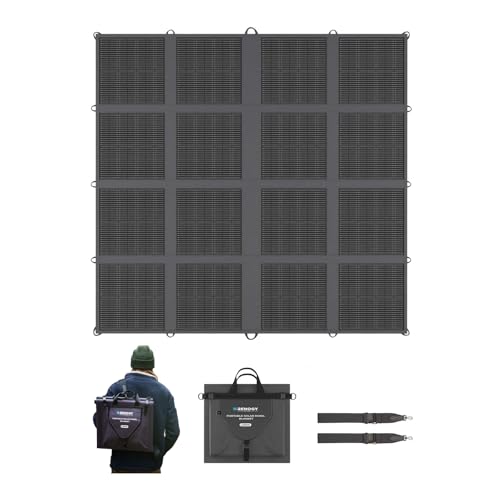
Renogy 400W Portable Solar Panel

STAR 990 Watt Solar Panel 2PCS 495W
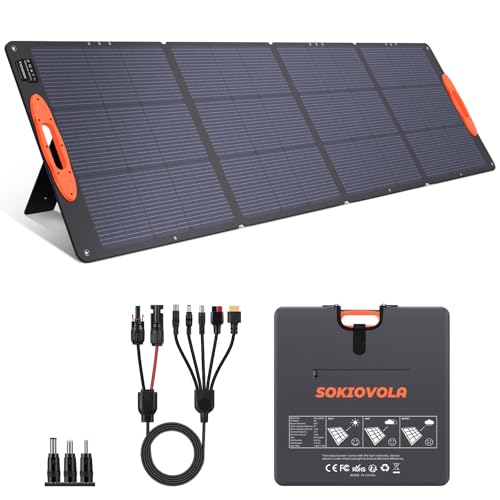
SOKIOVOLA N-Type 16BB 220W Portable Solar Panel
More Details On Our Top Picks
Big rooftop or farm-style installs need panels that can earn their keep without fuss, and this JJN set leans hard into that use case. The bifacial design means the rear side can also contribute under the right setup, so ground reflection and mounting height matter more than they do with a basic flat panel.
The 12V, 24V, and 48V compatibility gives you some room to build around your system, which is handy for a shed, cabin, or RV rig that may grow later. The trade-off is size and complexity, so this makes more sense for a permanent array than for anyone who wants something light to move around.
Strong Points
- 550-watt output per panel gives you a serious jump for larger fixed systems.
- Bifacial construction can pull in extra energy from reflected light behind the panel.
- Works with 12V, 24V, and 48V setups, which helps with system planning.
- Fits rooftop, farm, and off-grid installs where footprint is less of a concern.
- Good match for you if you want to build around fewer, higher-output modules.
Things To Consider
- Its scale is better suited to fixed mounting than frequent moving.
- Bifacial performance depends on the surface and spacing behind the panel.
- Cleaning the rear side matters more here than with a standard monofacial panel.
Key Specs
Who It Suits Best
You benefit most from this pick if your setup is a permanent home, cabin, or farm array and you want high output per panel.
Where A Sibling Pick Shines
JJN Bifacial 425 Watt Solar Panel suits you better if you still want a fixed-install panel from the same brand but prefer a smaller jump in size and output.
Compared with the JJN 550-watt set, this DOKIO panel feels more approachable for a smaller off-grid build. The 31V output and included 9.84-foot cable make wiring a little easier to plan, and the aluminum frame with pre-drilled holes points toward straightforward mounting.
That makes it a sensible fit for a shed, cabin, or yard setup where you want a fixed panel without the bulk of the larger bifacial units. The honest read is that it’s less about headline size and more about clean installation, so it suits neat, practical projects.
Highlights
- 31V output works well for 24V off-grid systems.
- The included 9.84-foot cable helps with placement flexibility.
- Aluminum framing gives you a familiar, sturdy mounting surface.
- Pre-drilled holes make permanent installation more straightforward.
Room For Improvement
- Its fixed-panel format is not meant for frequent repositioning.
- For larger energy demands, you may outgrow a single panel quickly.
- Dust and pollen on a yard or shed roof can reduce everyday output, so routine cleaning matters.
Technical Sheet
Who Will Love This
You fit this panel well if you want a tidy, fixed solar setup for a cabin, shed, or yard system.
Another Choice May Suit
Renogy 400W Portable Solar Panel is the better call for campers and travelers who need a foldable format instead of a mounted panel.
Portable panels live or die by convenience, and this Renogy unit is built for that exact job. The foldable shape, kickstand, and lightweight design make more sense for camp setups and emergency backup than for a fixed roof install.
The USB-A and Type-C outputs add everyday usefulness, since you can top off smaller devices without extra adapters in some situations. For a long-haul trip or a weekend at a campsite, that kind of flexibility is worth a lot, though the smaller 200W class naturally trails the bigger fixed arrays here.
Upsides
- Foldable format packs down more neatly than the fixed panels in this list.
- Kickstand support helps with quick setup at camp or beside a vehicle.
- USB-A and Type-C outputs add a layer of convenience for small devices.
- IP65 protection suits dusty campsites and light weather exposure.
Minor Gripes
- Its 200W class is better for portable backup than for large household loads.
- Foldable gear needs careful storage so hinges and cables stay tidy.
- As with most portable panels, placement angle makes a noticeable difference.
Feature Snapshot
Built With In Mind
You suit this pick best if your priority is portable charging for camping, RV travel, or backup use during outages.
Look Elsewhere When
JJN 550 Watt Bifacial Solar Panels 2PCS fit you better if your goal is a fixed high-output home or roof array instead of a travel-ready panel.
This JJN panel sits in a sweet spot between brute force and sensible sizing. The N-type, 16BB cell layout means you’re looking at a modern cell structure, and the 25% efficiency claim helps explain why it stands out among fixed panels in this group.
Compared with the larger 550-watt JJN option, this one is easier to picture on a rooftop or RV where each panel still needs to fit around vents, rails, or roof edges. The trade-off is simple, you get less single-panel output, but the install can feel less overwhelming.
What We Like
- 425 watts gives you a strong fixed-install option without jumping to the largest size here.
- Bifacial construction can make sense on reflective surfaces and raised mounts.
- N-type and 16BB cell design point toward modern panel architecture.
- Works across 12V, 24V, and 48V PV systems.
Points To Note
- You still need enough mounting space for a full-size rigid panel.
- Rear-side gain depends on the light and mounting surface behind the module.
- Rooftop dust and edge grime can affect long-term upkeep, especially in farm or road-dust settings.
Core Details
Right Fit For
You fit this panel well if you want a modern fixed module for a home roof, RV roof, or off-grid array with decent output and manageable size.
Swap It Out When
STAR 990 Watt Solar Panel suits you better if you want a larger two-panel setup and have the space for a wider, heavier-duty array.
Portable panels usually ask you to choose between output and convenience, and this ZOUPW model tries to keep both in view. The 25% efficiency claim and N-type 16BB construction suggest a panel that’s built for stronger power density than basic foldables, while still staying portable.
Its compatibility with EcoFlow, Anker, Jackery, and Bluetti power stations makes it especially useful for people who already own a named power station ecosystem. The catch is that a 450W foldable panel still takes room in storage, so it fits best in a van, RV, or garage with space to spare.
Reasons To Buy
- 450 watts is a strong portable rating for power-station charging.
- Broad brand compatibility helps with common backup-power setups.
- IP68 rating gives you a high level of sealing for outdoor use.
- Foldable design keeps it more practical than a rigid panel on the road.
- Good choice for campers who want more output without a roof mount.
Softer Spots
- The folded package still needs thoughtful storage and dry placement.
- High-output portable gear can feel bulky during quick campsite moves.
- Portable panel output still depends heavily on angle and available sun.
Details At A Glance
The Right Fit
You suit this pick if your power station setup travels with you and you want a foldable panel that still brings substantial wattage.
Where A Sibling Pick Shines
Renogy 400W Portable Solar Panel works better for you if you prefer a slightly smaller, more space-conscious portable blanket-style panel.
Shade is the quiet problem that can drag down a rooftop system, and this Renogy ShadowFlux panel is built with that issue in mind. The product page points to partial shading from trees, roofs, buildings, leaves, and snow, which makes it especially relevant for messy real-world mounting spots.
Two 200W panels give you a 400W total package, and that split can help with roof planning on RVs, marines, or compact home installs. It’s a thoughtful middle ground, though very open, full-sun roofs may not need this much shading awareness.
Positives
- Designed with partial shade conditions in mind, which is useful for imperfect roof layouts.
- Two-panel setup can be easier to place around vents and roof hardware.
- 25% efficiency is a strong figure for a fixed panel in this class.
- Works across RV, marine, rooftop, and home settings.
Honest Caveats
- You still need a mounting plan that handles two separate panels.
- Shade tolerance helps, but it does not erase poor placement.
- Roof-mounted panels often need periodic checks for dirt, leaf buildup, and hardware movement.
Feature Card
Whose Shelf It Belongs On
You fit this panel best if your roof has partial shade or awkward obstacles and you still want a fixed solar solution.
Reach For A Different Pick When
JJN 550 Watt Bifacial Solar Panels 2PCS make more sense for you if your installation has room for a larger, more output-heavy array.
Backpack-size foldable panels are about space discipline, and this Renogy model leans into that idea more than the bulkier ZOUPW foldable unit. The blanket-style format is easier to stash in a vehicle, which makes it appealing for camping, pickup beds, and marine storage where room gets tight.
The 400W rating keeps it serious enough for power-station users who want more than a basic trickle charger. The trade-off is predictable, a compact pack-up usually means a more careful setup routine, so this is better for organized travel than for rushed grab-and-go use.
Best Bits
- Backpack-size folding format helps when storage space is tight.
- 400 watts gives you strong portable output without moving into the largest class here.
- Works well for camping, pickups, and marine use where portability matters.
- Blanket-style layout makes transport easier than a rigid panel.
Worth Noting
- Portable panels need setup space and a clear angle to work well.
- Foldable gear is easier to store when cables are kept organized.
- Space-saving designs usually ask for a little more handling care.
Quick Facts
Made For
You suit this pick best if you want a portable panel that stays manageable in storage and travel gear.
Consider Something Else When
Renogy 200W Portable Solar Panel is the safer fit for lighter travel kits and casual backup charging.
Two 495W panels put this STAR set into serious large-array territory, and the frameless build changes the ownership feel quite a bit. Without the usual border, you get a cleaner look and less frame edge to worry about, though installation planning has to be precise.
The 25.6% efficiency claim is the headline here, and the 48V and 24V compatibility makes the panel pair relevant for bigger home, roof, and off-grid systems. It suits you best when visual simplicity and high output both matter, though it is not the friendliest option for a small roof or casual portable use.
Standout Traits
- 990 watts total gives you a very large fixed-panel output pool.
- Frameless construction creates a cleaner overall hardware profile.
- 25.6% efficiency is a strong fit for space-conscious big systems.
- Maintenance-free framing language points to a simpler exterior surface.
- Works well for RV, marine, roof, and home installs with enough room.
Areas To Watch
- Frameless panels can demand careful mounting and handling.
- The two-panel format needs more planning than a single module.
- Large rooftop gear often needs regular inspection for mounting security and surface buildup.
Feature Rundown
Best Suited To
You fit this set best if you want a high-output home or off-grid array and have the installation space to match.
Skip It When
JJN Bifacial 425 Watt Solar Panel is the easier fit for smaller roofs, RVs, and tighter mounting layouts.
This SOKIOVOLA panel aims squarely at portable power-station owners who want a travel-friendly foldable setup without dropping into a tiny wattage class. The ETFE surface, which is a durable front-layer material used on outdoor panels, adds practical value for camping and RV trips where gear gets handled often.
IP68 sealing and 25% efficiency give it a serious-feeling spec sheet for this size, and the compatibility list covers several common power-station brands. It doesn’t chase the biggest number in the group, but for weekender setups and car-based trips, that restraint can actually make life easier.
Highlights
- 220W output fits portable charging without becoming unwieldy.
- Foldable design stores more neatly than fixed panels.
- ETFE front layer supports outdoor handling and travel use.
- IP68 sealing is well suited to rougher campsite conditions.
- Brand compatibility covers several popular power-station ecosystems.
Small Caveats
- It is smaller than the higher-watt portable options in this roundup.
- Foldable units need dry, organized storage after trips.
- Power output still depends heavily on sun angle and placement.
Core Details
Who Should Grab It
You fit this panel best if you want a foldable camping companion for a compatible power station and you value easy storage.
Another Choice May Suit
Renogy 400W Portable Solar Panel is the stronger fit for you if you need more portable output and can handle a larger folded package.
How To Choose The Right Highest Watt Solar Panels
Start With Your Real Power Need
Wattage tells you how much energy a panel can produce under standard conditions, but your actual setup decides whether that number matters. A cabin fridge, an RV battery bank, and a power station all place different loads on the system, so the right panel is the one that fits the way you use power every day.
Larger fixed panels usually make sense for rooftops, sheds, and off-grid structures, while foldable options suit mobile use. Bigger is not always better, because a panel that’s awkward to mount or store can create more friction than it solves.
Match The Form Factor To The Space
Rigid panels work best where you can mount once and leave them alone. That covers roof racks, outbuildings, and ground frames, where aluminum borders, pre-drilled holes, and larger footprints are less of a problem.
Portable panels bring convenience, but they also ask you to manage folding seams, kickstands, and storage space. For camping or van life, that trade-off usually pays off, while a permanent home system benefits more from rigid construction and cleaner installation.
Look Closely At Cell Type And Efficiency
N-type and monocrystalline both point to modern panel builds, and efficiency describes how much sunlight the panel turns into usable electrical output. A higher efficiency figure helps when roof space is tight, because you can pull more power from the same surface area.
That matters most on RV roofs, compact cabins, and crowded home arrays. It matters less on a wide-open ground mount, where space is easier to work with and a larger panel count can solve the same problem.
Don’t Ignore Setup And Maintenance
Panels with bifacial designs, frameless edges, or foldable bodies each bring a different maintenance rhythm. You’ll clean and inspect a fixed rooftop system differently than you would a travel panel that gets packed into a vehicle after each trip.
Think about cable length, mounting hardware, and how often you’ll reposition the panel. The best match is the one that stays easy to live with after the box is long gone.
Things Worth Knowing First
Wrong Turns To Avoid
Many people focus on peak wattage and forget about space, wiring, and storage. That’s how a huge panel ends up being a poor fit for a small roof or a travel kit that needs to stay compact.
Another common miss is buying a portable panel for a fixed install, or a rigid panel for a system you move often. The shape has to match the job, or the project gets annoying fast.
Where The Extra Money Goes
Higher-tier panels often cost more because of cell design, efficiency, sealing, and structural details such as bifacial backs or frameless construction. Those features can help with output, durability, or space use, especially in tighter installs.
Spending up makes sense when roof room is limited, shade is a real issue, or you want fewer modules to reach your target. For simple backup charging, a more basic panel often does the job without adding complexity.
Frequently Asked Questions
What Makes A Solar Panel “High Watt”?
High watt usually means the panel is built to produce more power per module than small portable charging panels. In this roundup, that includes both large fixed panels and higher-output foldable options.
Are Higher Watt Panels Always Better?
No, because the best fit depends on your space and your setup. A high-watt panel that’s too large for your roof or too bulky for travel can create more problems than it solves.
Do Portable Panels Work For RV Use?
Yes, portable panels are a solid match for RV travel, especially when storage space is tight. Foldable models are easier to move and stow than rigid modules.
Why Does Efficiency Matter So Much?
Efficiency tells you how well a panel turns sunlight into electrical output. Higher efficiency helps most when your installation space is limited and every inch matters.
Should You Choose Bifacial Panels?
Bifacial panels can make sense when light can reach the back side, such as on raised mounts or reflective surfaces. They are less useful on crowded, flush-mounted setups where the rear side stays blocked.
Closing Thoughts
You get the best result here by matching wattage to how you actually use power, not by chasing the biggest number on the page. For a roof or cabin, the JJN and STAR options stand out for larger fixed systems, while Renogy and SOKIOVOLA make more sense for travel and backup use. DOKIO stays practical for smaller off-grid builds, and ZOUPW gives you a stronger portable middle ground. Pick the shape that fits your space, and the watts start working for you instead of against you.
