

Home solar storage can feel confusing fast, especially once you start comparing compact AA cells, portable power stations, and large wall-style lithium packs. You need a setup that fits your panels, your backup goals, and the amount of space you can actually give it. The right match keeps porch lights steady, cushions outages, and avoids the kind of overbuying that sits half-used in a garage.
The Shortlist At A Glance

Jackery Explorer 2000 v2 Portable Power Station 2042Wh

Ni-MH AA 600mAh Rechargeable Solar Batteries 4-Pack

12V 100Ah LiFePO4 Lithium Battery Group 31

12 Pack AA Rechargeable Batteries for Solar Lights 1600mAh

ECO-WORTHY 48V 280Ah Metal Case LiFePO4 Battery

ECO-WORTHY Powermega 48V 314Ah LiFePO4 Battery
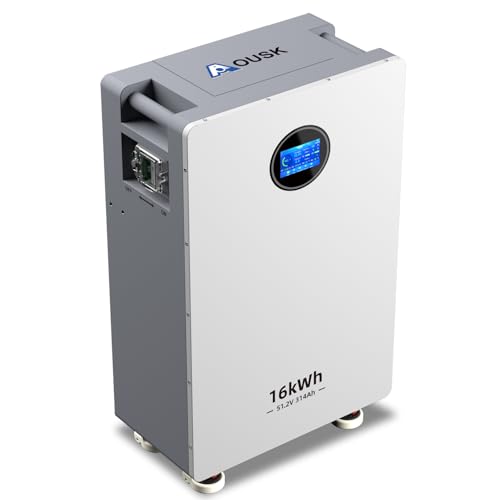
48V 314Ah LiFePO4 Lithium Battery 16.07kWh

Brightown 12 Pack Rechargeable AA Batteries 2000mAh
More Details On Our Top Picks
For a house that needs backup you can move around, this Jackery sits closer to a carryable reserve than a fixed battery bank. The 2042Wh capacity and 2200W AC output give you room for lights, networking gear, and other household essentials during a short outage, while the LiFePO4 battery chemistry usually matters to anyone who plans to cycle it often. The trade-off is size and weight, because portable power of this scale still asks for storage space.
The USB-C PD 100W port is handy for modern laptops and phones, so it works well during storms, camping weekends, or a garage workstation that needs clean outlets. Compared with the smaller AA picks later in this list, it serves a very different role, more like a rolling backup hub than a point-solution. For most homes, that difference is the whole story.
Strong Points
- Large 2042Wh reservoir gives you meaningful runtime for household essentials.
- 2200W AC output handles gear that goes far beyond lighting.
- LiFePO4 battery chemistry suits repeated use better than basic portable packs.
- USB-C PD 100W charging helps modern devices top off without extra adapters.
- Useful in outages, tailgate setups, and camping where a single station simplifies power.
Things To Consider
- It takes more storage space than the small solar AA cells in this roundup.
- Portable stations like this need a clear spot for safe handling and airflow.
- Solar panel support is optional, so your charging setup depends on the kit you choose.
Feature Snapshot
Who It Suits Best
You get the most from this station when you want portable household backup with enough output to cover more than just phone charging.
A Better Fit Elsewhere
ECO-WORTHY 48V 280Ah Metal Case LiFePO4 Battery suits homeowners building a fixed, higher-capacity solar storage setup rather than a movable backup unit.
These are the small, sensible kind of batteries that keep path lights and decorative fixtures working without much fuss. The 600mAh capacity is modest, so they suit low-drain solar lights more than anything power-hungry, and the pre-charged design saves a step at setup. You may find the smaller cell size a little limiting, but that’s the point, they’re made for compact fixtures, not heavy backup.
Compared with the Jackery above, these AA cells solve a completely different problem, one light at a time instead of whole-house support. That makes them a practical refill for patios, garden borders, and little accent lamps that you’d rather keep consistent than replace. Nothing flashy, just useful.
Positives
- Pre-charged cells get you started without an extra prep step.
- Ni-MH chemistry fits common solar-light battery trays.
- Low self-discharge helps them hold usable charge between uses.
- Four-pack format works well for a small cluster of fixtures.
Softer Spots
- 600mAh is better for small lights than for longer runtime needs.
- Only four cells are included, so larger fixtures need another set.
- Keep contacts clean in outdoor housings, because grime can shorten practical run time.
Core Details
Who Will Love This
You’re the best fit here when your solar lights use AA cells and you want a tidy replacement pack for a few fixtures.
Skip It When
Brightown 12 Pack Rechargeable AA Batteries is the better route for larger yards or mixed household use that needs more cells at once.
Among the bigger battery choices, this one lands in a very practical middle ground. A 12V 100Ah LiFePO4 pack in Group 31 format is the kind of size many RV, marine, and solar owners already understand, so swapping into an existing setup feels more familiar than starting from scratch. The 100A BMS, or battery management system, helps regulate the pack, and the low-temperature cut-off matters in colder storage spaces.
That mix makes it easier to picture in a travel trailer, a small cabin bank, or a backup cabinet that needs dependable cycle life without going huge. Compared with the Jackery, this is less about portability and more about building a steady system. The honest read is that it fits users who want a standard battery shape with modern lithium behavior.
Highlights
- Group 31 sizing suits common retrofit and replacement setups.
- 12V, 100Ah capacity fits many modest solar and RV builds.
- LiFePO4 chemistry supports frequent cycling better than lead-acid style batteries.
- 100A BMS adds a layer of control around charging and discharge.
- Low-temperature cutoff is helpful in cool garages or seasonal storage.
Points To Note
- It is still a substantial battery, so handling and mounting take planning.
- Replacement fit depends on your tray or enclosure dimensions.
- Owners generally need to match the rest of the system carefully, especially in multi-battery setups.
Details At A Glance
Built With In Mind
You’ll get the best fit here if your setup calls for a 12V Group 31 battery with moderate storage and modern lithium chemistry.
Where A Sibling Pick Shines
VEMDIA 12V 100Ah LiFePO4 Battery is a closer match for someone wanting a similar mid-size battery with a different brand path.
This pack makes sense for yards with several small fixtures, because twelve AA cells cover a lot of common solar-light slots at once. The 1600mAh rating gives you more capacity than the tiny 600mAh option above, and the precharged, low-self-discharge design is convenient for storage between swaps. That said, the real advantage is coverage, not drama, just a practical batch for busy garden lighting.
Compared with Brightown’s 12-pack later in the list, this one leans more toward solar-light replacement than mixed-device flexibility. You may find that distinction useful if your main goal is keeping fence lights, pathway lamps, and patio accents fed without piecemeal purchases. It’s a straightforward maintenance refill.
Upsides
- Twelve cells cover a broader run of outdoor lights.
- 1600mAh gives more headroom than compact low-capacity AA packs.
- Precharged cells reduce setup time for quick replacement.
- Low self-discharge helps the pack sit ready between seasonal uses.
Areas To Watch
- It is still a specialty AA pack, so larger battery jobs need a different category.
- Outdoor fixtures vary, so terminal fit and housing cleanliness matter.
- Storage in a dry bin helps keep spare cells organized and easy to rotate.
Quick Facts
Right Fit For
You’re in the sweet spot here when your property has several AA-powered solar lights that all need the same replacement size.
Look Elsewhere When
Jackery Explorer 2000 v2 Portable Power Station is the smarter route for anyone needing portable backup beyond lighting.
This is the sort of battery bank you think about when the system starts living in a garage or utility room instead of on the move. The metal case points to a sturdier install, and the Bluetooth feature gives you a simple way to check battery behavior without opening up the whole setup. In a larger solar installation, that can make day-to-day monitoring feel less opaque.
The 14.34kWh figure puts it in a very different class from the Jackery or the AA packs, since it’s aimed at fixed storage rather than small devices. Low-temperature protection is a useful detail for colder spaces, though the trade-off is that installation planning becomes more serious. For homeowners building around a bigger inverter or backup plan, this is a serious anchor point.
Bright Spots
- 14.34kWh energy storage suits larger home backup plans.
- Metal housing gives the system a more permanent, installation-friendly feel.
- Bluetooth support helps you check battery status without guesswork.
- Low-temperature protection is useful in cool utility spaces.
- LiFePO4 chemistry fits repeated charge and discharge cycles well.
Honest Caveats
- This is far beyond a casual plug-and-play backup unit.
- Space, mounting, and wiring all need planning before purchase.
- Routine dusting and cable checks help a fixed system stay orderly.
Technical Sheet
Whose Shelf It Belongs On
You’re the right match for this bank when your home solar setup needs a fixed storage core with monitoring and a larger reserve.
Swap It Out When
VEMDIA 12V 100Ah LiFePO4 Battery is the easier starting point for smaller RV or cabin installs that do not need this scale.
Once you move into multi-battery solar storage, active balancing becomes a detail worth caring about. In plain terms, it helps the cells stay more even inside the pack, which can matter in larger systems that run often or sit on standby for long stretches. The LCD, Bluetooth, and WiFi support make this feel more like a monitored installation than a simple battery block.
Compared with the ECO-WORTHY 48V 280Ah unit above, this Powermega version leans harder into system control and communication features. RS485, CAN, and RS232 are connection standards used to talk to compatible equipment, so the battery can fit into more organized setups. The catch is that the feature set makes sense most clearly for experienced installers or ambitious off-grid plans.
What We Like
- Active balancing helps support more even pack behavior over time.
- 200A BMS suits demanding system use.
- Bluetooth, WiFi, and LCD support make status checks more convenient.
- RS485, CAN, and RS232 improve compatibility with advanced setups.
- Off-grid and backup use cases fit the hardware style well.
Small Caveats
- This level of feature density is easier to use in a planned system.
- More communication options can mean more setup decisions.
- For tidy ownership, cable labeling and enclosure organization help a lot.
Feature Rundown
Who Should Grab It
You fit this battery best when your solar setup needs advanced communication and a higher-control storage package.
Another Choice May Suit
AOUSK 48V 314Ah LiFePO4 Battery suits installers who want a large-capacity system with breakers and a touchscreen interface instead.
This AOUSK pack looks built for people who want a high-capacity storage block with more hands-on system visibility. The touchscreen, breakers, and 200A BMS point to a setup where direct control and protection features matter, especially in a home backup room or off-grid site. In practical terms, breakers give you a straightforward way to isolate the battery during service.
It sits near the top of this roundup in sheer storage size, so the trade-off is obvious, you are moving into a serious installation category. Compared with the Powermega unit above, this one swaps in a touchscreen and breaker emphasis, which may suit you better if you prefer a more direct interface. For the right space, it feels substantial in the best plain sense.
Best Bits
- 16.07kWh storage fits heavier home backup demands.
- 200A BMS supports demanding connected loads.
- Breakers make service and isolation more straightforward.
- LCD touchscreen gives you direct status access at the unit.
- Useful for fixed solar rooms where capacity matters more than portability.
Room For Improvement
- Large-capacity batteries need careful placement and wiring.
- Touchscreen control is handy, but it adds another part to protect in a utility space.
- Dust control and routine inspection help keep a fixed system orderly.
Core Details
Built For In Mind
You’re the right fit here if your home backup or off-grid setup needs large reserve capacity with a touchscreen interface.
Where Shoppers Go Wrong
ECO-WORTHY 48V 280Ah Metal Case LiFePO4 Battery is a more forgiving place to start for homeowners who want a large but slightly simpler system.
This Brightown pack is the broad-use AA option in the lineup, and that versatility is the point. The 2000mAh rating gives it more capacity than the 1600mAh solar-light pack above, while the pre-charged NiMH format keeps it friendly for both solar fixtures and common household devices. For mixed-use homes, that balance is handy.
Compared with the narrower solar-light packs, this one feels better suited to people who want a single rechargeable AA set for several jobs around the house. The claim of up to 1000 recharge cycles is useful context, though real ownership still depends on care, storage, and the devices you put them into. It’s the kind of practical battery pack you tend to keep around because it solves more than one small problem.
Reasons To Buy
- 2000mAh capacity gives you a strong AA option for regular use.
- Pre-charged cells are ready for immediate placement.
- Works in both solar lights and many everyday devices.
- Rechargeable format keeps spare battery drawers more organized.
- 12-pack quantity helps cover several remotes, lights, or fixtures at once.
Worth Noting
- AA form factor is versatile, but it still won’t replace larger power storage.
- Storing rechargeables in one labeled tray helps avoid mixing old and fresh sets.
- For outdoor lights, keeping the battery compartment dry helps preserve usability.
At A Glance
Perfect Match For
You’re a strong match for this pack when you want one rechargeable AA set that can handle both solar lighting and daily household devices.
Reach For A Different Pick When
JiajaX Ni-MH AA 600mAh Rechargeable Solar Batteries 4-Pack is the cleaner choice for a few small outdoor fixtures and nothing else.
How To Choose The Right Home Batteries For Solar
Match The Battery To The Job
Start with the job, not the chemistry label. A portable power station like the Jackery helps with outages and moving power around the house, while AA rechargeables belong in solar path lights and small fixtures.
Fixed lithium packs, such as the ECO-WORTHY and AOUSK units, serve a different role again, because they’re built for storage rooms, inverters, and larger backup plans. That basic split keeps you from overspending on capacity you can’t use.
Check Capacity, Voltage, And Form Factor
Capacity tells you how much energy the battery can hold, while voltage tells you how the battery fits into the system. A 12V 100Ah battery works in many RV and small solar setups, but a 48V bank suits larger installations with different inverter needs.
Form factor matters just as much, because Group 31, AA, and fixed metal-cased packs do not serve the same space. Measure the compartment, tray, or wall location before you settle on a shortlist.
Look Closely At Control And Monitoring
Battery management systems, Bluetooth, WiFi, and touchscreens all change the day-to-day experience. They help you check status, limit stress on the cells, and keep a larger system easier to live with.
That said, more control usually means more setup work. Homeowners who want a simple swap often prefer the smaller AA packs, while people building a serious solar room usually welcome the extra visibility.
Think About Storage, Climate, And Maintenance
Outdoor AA cells need clean contacts and dry housings, because garden fixtures collect grime faster than most indoor devices. Large lithium batteries want room for wiring access, airflow, and inspection.
Cold spaces matter too, which is why low-temperature protection and cut-offs can be worth paying attention to. The right battery is the one you can actually maintain without turning every recharge into a project.
A Quick Reality Check
Wrong Turns To Avoid
Many shoppers mix up solar-light batteries with true home backup storage, and that usually leads to disappointment. A 600mAh AA cell is fine for a lantern, but it won’t hold a house through an outage.
Another common miss is forgetting form factor, especially with Group 31 and fixed 48V batteries. Fit, mounting, and wiring matter as much as the cell chemistry itself.
The Upgrade Payoff
Higher-tier batteries cost more because you are paying for larger storage, stronger battery management, and better integration features. Bluetooth, WiFi, active balancing, breakers, and touchscreen controls all add convenience, and in larger systems they can add clarity too.
The upgrade makes sense once you start relying on the battery every day or tying it to an inverter-heavy solar setup. For a few porch lights, the extra complexity is hard to justify.
Frequently Asked Questions
What kind of battery works best for solar lights?
AA NiMH rechargeables are the usual fit for small garden and pathway lights. Capacity matters, but the battery also needs to match the fixture’s slot and charging design.
Can a portable power station handle home backup?
Yes, for selected devices and shorter outages. It works best for phones, routers, lights, and a few appliances rather than full-house loads.
Why do many larger solar batteries use LiFePO4?
LiFePO4, or lithium iron phosphate, is popular for repeated cycling and steady storage use. It suits fixed backup systems better than tiny disposable-style setups.
Do I need Bluetooth or WiFi on a home battery?
You do not need it for every setup. Monitoring helps more once your battery bank gets larger and you want easier status checks.
How do I choose between 12V and 48V storage?
Use the voltage your inverter and system are built for. Smaller cabins and RV-style builds often use 12V, while larger home storage systems commonly move to 48V.
Conclusion
The right home solar battery depends on scale, not just capacity. Small AA cells fit lights and fixtures, a portable station gives you movable backup, and the large 48V lithium packs belong in serious storage systems. Once you match the battery to the job, the rest gets much easier. Start with your space, your inverter, and the devices you want to keep running, then choose the battery that fits that picture cleanly.
