

A 60 cell solar panel setup can mean very different things depending on your space. You might need a flexible panel for a curved roof, a foldable charger for travel, or a rigid module for a fixed off-grid array. This roundup helps you sort those use cases without guesswork, so you can match the panel to the roof, rack, or kit you actually plan to use.
Quick Look At Our Shortlist

Renogy Flexible Solar Panel 100 Watt 240° Ultra Flex Bendable
FlexSolar 60W Portable Solar Panels Chargers IP65 Waterproof
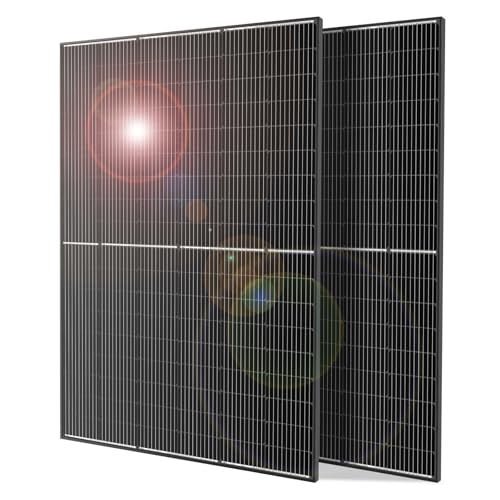
DOKIO 800W Solar Panel Set Two 400W 31V Panels

JJN Bifacial 425 Watt Solar Panel N-Type UL 61730 16BB

FlexSolar 60W Foldable Portable Solar Panel Charger IP67 Waterproof

N-Type 16BB 400W Bifacial Solar Panel 2Pcs 200 Watt

Renogy Solar Panels 200 Watt N-Type 200W Solar Panel 16BB
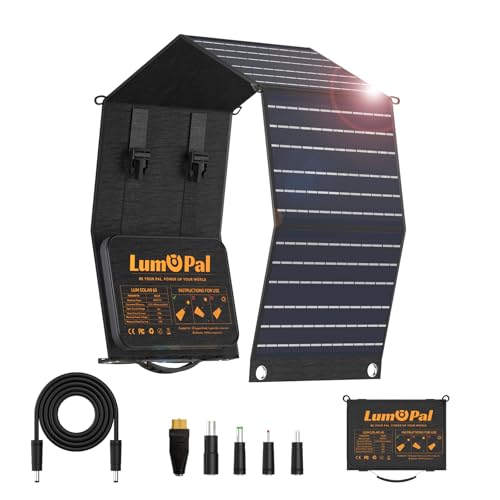
LUMOPAL 60W Foldable Solar Panels Folding Solar Charger
More Details On Our Top Picks
Curved roofs are where this Renogy panel makes sense, especially on marine decks, vans, and other uneven surfaces. The flexible build and slim 0.1-inch profile keep it from feeling bulky, while IP68 protection points to strong dust and water resistance for exposed installs.
The trade-off is straightforward, flexible panels suit awkward shapes better than they suit rigid mounting plans, so a flat roof rack may be a better home for a traditional module. You may also want to think about heat buildup and airflow on tight installs, since thin panels rarely behave like framed glass modules.
Strong Points
- Flexes up to 240 degrees for curved mounting zones.
- Low profile helps on vans and boats with limited clearance.
- IP68 rating gives you added peace of mind in wet conditions.
- Lightweight construction makes handling simpler during setup.
Things To Consider
- Flexible panels usually need careful placement to avoid poor airflow.
- It fits curved installs better than rigid roof arrays.
Feature Snapshot
Whose Shelf It Belongs On
You benefit most here as a van owner, boat owner, or cabin camper dealing with a curved or uneven mounting surface.
Where A Sibling Pick Shines
Renogy Solar Panels 200 Watt N-Type fits you better for a rigid roof or rack where steady framing matters more than bendability.
This FlexSolar panel leans into direct charging, so it suits camp tables, tailgate setups, and emergency kits that need simple device power. The mix of PD3.0 USB-C, QC3.0 USB-A, and DC output makes it easier to cover phones, tablets, banks, and a small power station without extra adapters.
IP65 protection means it handles dust and splashing better than basic travel panels, though it still belongs in a sensible carry routine rather than being tossed around loose. For a weekend camper or a car-camping setup, that balance feels practical, not flashy.
Highlights
- Three output styles widen device compatibility.
- IP65 rating supports rougher outdoor use.
- Good fit for direct charging without a large array.
- Works well in compact travel kits.
Minor Gripes
- Small output format suits gadgets better than full home backup.
- You may still need extra gear for larger battery stations.
Details At A Glance
Made For
You fit this panel best as a camper, road-tripper, or prep-minded shopper who wants simple device charging in a small kit.
Another Choice May Suit
LUMOPAL 60W Foldable Solar Panels Folding Solar Charger fits you better for laptop-friendly direct charging with a foldable layout.
For sheds, yards, and larger off-grid layouts, this DOKIO set looks built around straightforward installation rather than portable convenience. Two 400W panels, 9.84-foot cables, an aluminum frame, and pre-drilled holes point to a more fixed approach that suits permanent mounting plans.
That fixed-panel direction is the real story here, and it differs sharply from the folding FlexSolar units above. You trade travel convenience for a heavier-duty setup that makes more sense for a 24V system and a space where the panels can stay put.
Upsides
- Two-panel layout suits larger arrays and steadier output needs.
- Pre-drilled holes simplify mounting on frames or structures.
- Aluminum framing should hold up well in fixed installs.
- Long cables give you more placement flexibility.
- Good match for dedicated off-grid spaces.
Softer Spots
- Large panels need planning for lift, spacing, and support.
- They fit permanent installs better than portable use.
Core Details
Right Fit For
You suit this set best as a property owner or off-grid builder planning a stable, mounted array for a shed, yard, or cabin.
Look Elsewhere When
Renogy Flexible Solar Panel 100 Watt 240° Ultra Flex Bendable fits better for curved roofs, boats, or vans where flexibility matters more than size.
Compared with the earlier portable picks, this JJN module is about serious fixed output and broader system compatibility. The bifacial design means it can gather light on both sides, which matters in bright ground-reflection settings like rooftops, open farms, and roomy off-grid sites.
N-type cells and a 16BB layout point toward a more advanced module structure, and the 12V, 24V, and 48V compatibility makes system planning easier. The honest read is that this is a better match for a planned array than for casual backup, because the size and output profile lean into committed installs.
Reasons To Buy
- Bifacial construction can make use of reflected light.
- N-type cell design suits more demanding array plans.
- Works with 12V, 24V, and 48V systems.
- Good fit for rooftops, farms, and off-grid properties.
Areas To Watch
- It suits fixed layouts more than portable use.
- Planning matters, since large modules need secure mounting.
Feature Rundown
Best Suited To
You fit this module best as a property owner or installer building a larger fixed array with room for careful placement.
Swap It Out When
DOKIO 800W Solar Panel Set Two 400W 31V Panels is the more practical route for a multi-panel off-grid project that needs two matched modules and longer cables.
Foldable panels are handy for campsites, car trunks, and small emergency kits, and this FlexSolar model keeps that use case clear. IP67 protection means better sealing than the IP65 option above, so you get a bit more confidence around dust and heavier water exposure, provided you still store it sensibly after use.
The direct output mix is the same practical story as the other FlexSolar unit, but the foldable format makes packing easier for moving trips. That matters most for backpackers and weekend campers who want panel, cable, and charging ports in a package that doesn’t eat much space.
Best Bits
- Foldable layout makes packing and transport easier.
- PD3.0 USB-C, QC3.0 USB-A, and DC cover many devices.
- IP67 rating supports tougher outdoor conditions.
- Useful for small kits where storage space is tight.
Points To Note
- It still fits device charging better than large household power plans.
- Folded gear needs a bit more storage care than rigid panels.
At A Glance
The Right Fit
You fit this panel best as a camper, backpacker, or travel-minded shopper who wants compact charging gear with modest footprint.
A Better Fit Elsewhere
FlexSolar 60W Portable Solar Panels Chargers IP65 Waterproof suits you better when you want a simpler travel panel and less concern about the foldable format.
This Callsun pair makes sense for mixed-light places where shade happens during part of the day, like an RV roof near vents or a home setup with partial obstruction. The parallel anti-shade layout is the key detail here, because parallel wiring helps one shaded section interfere less with the rest of the array.
Compared with the JJN panel, this set leans toward a two-module layout that may suit modular planning better. You also get 12V and 24V compatibility, so the setup can slot into common off-grid systems without feeling overly specialized.
Positives
- Two-module format gives you layout flexibility.
- Parallel design helps reduce the impact of partial shade.
- N-type 16BB structure suits more serious off-grid plans.
- Works with common 12V and 24V systems.
Room For Improvement
- Large modules call for a careful mounting plan.
- It suits fixed installs more than travel use.
Core Details
Who Should Grab It
You suit this set best as an RV owner, van builder, or off-grid planner dealing with uneven light across the install area.
Skip It When
DOKIO 800W Solar Panel Set Two 400W 31V Panels fits better for a larger permanent array where long cables and aluminum framing matter more.
This Renogy panel sits in the middle ground between compact travel gear and oversized array hardware. The 200W format fits class B vans, cabins, marine builds, and roof installs where a single rigid module can do steady work without overwhelming the mounting area.
Compared with the bigger JJN and Callsun options, it asks for less system planning while still keeping the N-type, 16BB layout. That makes it a sensible step-up for many van or cabin owners who want a fixed panel that feels manageable, not overbuilt.
Bright Spots
- 200W format suits many small fixed systems.
- N-type 16BB cell structure supports a more modern module build.
- Works with 12V and 24V systems.
- Good size for vans, cabins, and marine roofs.
Small Caveats
- Fixed installation still takes planning and secure mounting.
- It is less portable than the foldable FlexSolar models.
Feature Card
Built With In Mind
You fit this panel best as a van owner, cabin owner, or rooftop installer who wants a manageable rigid module with modern cell layout.
Where Shoppers Go Wrong
JJN Bifacial 425 Watt Solar Panel N-Type UL 61730 16BB suits you better for a larger array where bifacial capture and higher output matter more.
LUMOPAL goes after people who want direct device charging from a foldable panel, not a full house-style array. The 60W PD USB-C output, 22W max USB-A ports, and 18 to 20V DC output give you a clear path for phones, laptops, and portable power stations without extra fuss.
Compared with the two FlexSolar options, this one leans harder into broad port utility, and that can matter for campsite tech or travel workdays. The foldable build keeps storage simple, though it still makes sense to pack it carefully so the panel fabric and wiring stay tidy.
What We Like
- Foldable format packs neatly for travel.
- PD USB-C output reaches up to 60W.
- USB-A and DC outputs widen device support.
- Good fit for phones, tablets, laptops, and portable stations.
Trade Offs
- Direct charging focus suits gadgets more than large arrays.
- Folded storage needs a bit of care on the road.
Key Specs
Who Will Love This
You fit this panel best as a traveler, campus commuter, or camping setup owner who wants direct charging for a small device stack.
Where A Sibling Pick Shines
FlexSolar 60W Foldable Portable Solar Panel Charger IP67 Waterproof suits you better when you want a tougher-sealed foldable panel for rougher outdoor use.
How To Choose The Right 60 Cell Solar Panels
Match the panel style to the mount
Rigid panels fit roofs, racks, sheds, and planned arrays. Flexible and foldable panels fit curved surfaces, travel kits, and places where storage space matters more than raw output.
Think in system size, not just wattage
A 60W travel panel and a 400W fixed module solve very different problems. A small charger keeps phones and a power bank alive, while a larger panel supports longer off-grid use and heavier daily loads.
Check output and connection type
USB-C, USB-A, and DC ports matter for direct charging gear. For fixed systems, system voltage compatibility and the physical mounting style matter more than portable convenience.
Look at the maintenance burden too
Foldable and flexible panels need gentler storage and cleaner handling than rigid modules. Aluminum frames and pre-drilled holes can make fixed installs easier to live with over time, especially on sheds, roofs, and cabins.
A Quick Reality Check
Common Shopping Slip Ups
A common mistake is treating every solar panel like a portable charger. That can leave you with the wrong mounting style, the wrong output format, or a panel size that clashes with your available space.
Another slip-up is ignoring the way shade affects the site. A roof with vents, branches, or nearby structures needs a different panel layout than an open field or clear cabin roof.
The Upgrade Payoff
Higher-end panels usually cost more because they use more advanced cell layouts, stronger framing, or bifacial designs that can use reflected light. You also tend to pay for better fit across more demanding setups, not just a bigger number on the label.
That upgrade makes sense for rooftops, farms, and off-grid systems that stay in place. For travel use, the extra money is better spent on compactness, sealing, and ports that match the devices you carry.
Frequently Asked Questions
Are 60 cell solar panels only for homes?
No, they can work for homes, vans, cabins, and off-grid structures. The right choice depends on whether you need a rigid install or a portable charging setup.
What does bifacial mean?
A bifacial panel can collect light from both the front and the back. That matters most in bright areas with reflective surfaces nearby.
Is a foldable panel better than a rigid one?
Foldable panels help when storage and transport come first. Rigid panels fit better for permanent mounting and larger fixed systems.
Do USB ports replace a battery system?
Not really, they are best for direct charging of devices and small gear. A full battery setup still makes more sense for longer household or cabin use.
What should you check before mounting a panel?
You should check space, cable reach, support strength, and how much shade hits the area. A good panel can still underperform in a poor location.
Final Thoughts
The best match depends on how permanent your setup is and how much space you have to work with. Flexible panels suit curved roofs and tight installs, foldable panels suit travel and direct charging, and rigid modules suit fixed arrays that need steadier output. The safer choice is the one that fits your site cleanly instead of forcing a compromise. Once that part is clear, the rest gets much easier.
