

Choosing a bifacial solar panel setup gets easier once you stop treating every watt as the whole story. You also need the right fit for roof space, mounting style, shading, and how much of the system lives on a van, a cabin, or a backup array. This roundup focuses on panels that make sense for real use, from compact portable options to larger fixed installs.
Quick Look At The Shortlist

Callsun N-Type 16BB 400W Bifacial Solar Panel

Renogy Bifacial Solar Panel 200W N-Type 16BB

ECO-WORTHY 30PCS 590W Solar Panels N-Type Bifacial
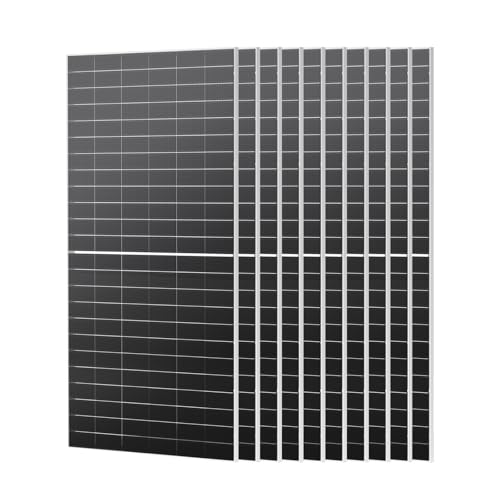
Renogy Solar Panels 10Pcs 590 Watt Bifacial N-Type12V 16BB

Renogy Bifacial Solar Panel 4PCS 590 Watt N-Type 16BB

VEVOR 100W Bifacial Solar Panel 16BB N-Type Foldable

Renogy Bifacial Solar Panel 2PCS 590 Watt N-Type 16BB

SUNGOLDPOWER 590W Bifacial Solar Panel 20PCS N-Type 16BB
More Details On Our Top Picks
Callsun’s two-panel format makes sense for van builds, rooftop kits, and marine setups where split placement helps you work around vents or rails. The dual-module parallel layout matters here, because it gives you more placement flexibility than a single oversized panel, and the anti-shade design is aimed at keeping partial shade from dragging the whole array down.
You may find this especially useful on a travel rig where tree cover changes through the day. The trade-off is simple: you’re buying convenience and layout flexibility, not a compact single-sheet solution, so mounting space still deserves a careful look.
What We Like
- Two 200W modules let you split placement across tighter roof sections.
- N-type 16BB cell construction points to a more refined panel layout.
- Anti-shade behavior helps the array stay more useful in mixed light.
- Works across 12V and 24V systems, which broadens system matching.
- Good fit for moving setups where roof hardware gets in the way.
Points To Note
- Two-panel installs take a little more planning than a single slab format.
- Roof mounting hardware and cable routing deserve extra attention.
- The split layout can be less tidy on very small roofs.
Feature Snapshot
Who It Suits Best
You get the most from this pick if your roof has obstacles, partial shade, or limited continuous space.
A Better Fit Elsewhere
Renogy Bifacial Solar Panel 200W N-Type 16BB suits a more compact single-panel setup, especially on smaller boats or tight rooftops.
This one leans into compact, flexible system design rather than bulk output. The double-side anti-shading layout matters in real use on a rooftop with antennas, rails, or the occasional branch shadow, and the IP68 rating signals strong dust and water resistance at the enclosure level.
Compared with the Callsun split-panel setup, this Renogy option feels cleaner for single-module installs. The honest read is that it’s easier to plan around, but it gives you less total surface than the bigger 590W class models later in the list.
Highlights
- Single-panel format keeps installation simpler on compact roofs.
- Anti-shading layout helps in mixed-light mounting spots.
- IP68 enclosure rating suits harsher outdoor exposure.
- N-type 16BB construction points to a modern panel design.
- Good match for boats, RVs, and home backup add-ons.
Worth Noting
- 200W output sits well below the larger 590W group.
- Single-panel coverage may leave more unused roof space.
- You’ll still want careful sealing and cable management during install.
Core Details
Who Should Grab It
You’ll appreciate this panel most in smaller systems where roof simplicity matters more than sheer size.
Swap It Out When
Callsun N-Type 16BB 400W Bifacial Solar Panel fits you better when split placement and a little more total panel area matter more than a single compact module.
ECO-WORTHY is aimed at larger rooftop plans, and the 590W format makes that clear right away. Half-cut monocrystalline cells split each cell in two to reduce the effect of resistance across the panel, which matters more as arrays get bigger and wiring runs get less forgiving.
Compared with the smaller Renogy 200W panel, this one is built for far more ambitious coverage, especially on a house roof or a dedicated off-grid array. The trade-off is physical scale, because you’ll want a proper mounting plan and enough roof or ground space to do it justice.
Upsides
- 590W format suits larger arrays and fewer module connections.
- Half-cut cell design helps the panel work more efficiently across the surface.
- 23.23% conversion efficiency gives the spec sheet real weight.
- Good fit for home rooftops, RVs, and boat systems.
- Bifacial construction can use reflected light from the rear side.
- Strong choice for setups that favor fewer, larger panels.
Softer Spots
- Larger-format panels need more careful shipping, handling, and mounting.
- Big-array planning can feel less forgiving for first-time installers.
Technical Sheet
Built With In Mind
You suit this panel best when you’re assembling a larger home or off-grid array and can plan space around the module size.
Look Elsewhere When
Renogy Bifacial Solar Panel 200W N-Type 16BB is the easier route for compact roofs, tighter marine decks, and simpler single-panel installs.
This Renogy bundle clearly leans toward larger fixed installations, especially where you want to plan an array rather than add a single module. The 12V wording in the title and the 16BB cell design point to a system that’s built around broad compatibility and orderly current handling, which helps in a farm shed, garden structure, or home backup layout.
Compared with ECO-WORTHY’s 590W entry, this one pushes more into bulk purchasing territory. The catch is that it asks for more upfront space and more disciplined installation work, so it fits projects that already have a solid mounting plan.
Best Bits
- Ten-panel quantity suits larger build-outs.
- 590W module class supports substantial system planning.
- Bifacial design can make good use of reflected light.
- Useful for homes, farms, marine systems, and off-grid setups.
- 16BB construction points to a more modern cell layout.
Areas To Watch
- Bulk quantity means storage and installation take more coordination.
- Better suited to planned arrays than casual add-on use.
Details At A Glance
Whose Shelf It Belongs On
You fit this pick best when you’re putting together a planned multi-panel array for a site that already has room and mounting structure.
Another Choice May Suit
ECO-WORTHY 30PCS 590W Solar Panels N-Type Bifacial makes more sense for shoppers who want a simpler larger-format panel path rather than a ten-panel bundle.
Four 590W panels put this squarely into serious array territory, and the 2360W setup language tells you the system is meant for real load planning rather than casual expansion. Bifacial panels can collect some reflected light from the rear side, so placement over a bright roof or light-colored surface may matter more here than on the smaller 200W options.
That extra capacity comes with a familiar trade-off, you’re managing a larger install footprint and more careful balance between roof area, mount strength, and cable routing. For sheds, camps, and marine systems with plenty of room, it feels like a polished step up, especially compared with the smaller standalone Renogy panel.
Reasons To Buy
- Four-panel set supports a more substantial array design.
- 2360W setup language makes the system purpose very clear.
- Bifacial build can help capture reflected light from below.
- Good match for farm, camper, marine, and home installs.
- N-type 16BB cell layout points to a modern construction style.
Minor Gripes
- The larger set asks for more installation planning.
- Storage and transport take more care than with a single-panel option.
- Best suited to projects with enough uninterrupted space.
Feature Rundown
Right Fit For
You suit this set best when your project already calls for a broad array and you want all the main pieces to match cleanly.
Where A Sibling Pick Shines
Renogy Bifacial Solar Panel 2PCS 590 Watt N-Type 16BB works better for a mid-size setup that still wants strong output without moving to four panels at once.
VEVOR heads in a different direction from the fixed-install panels above, because this one folds down and travels well. The output side matters less here than the convenience side, and the included MC4 output plus USB-A, Type-C, and DC ports make it feel built around real campsite charging rather than permanent roof mounting.
For camping, hiking, or keeping a power station topped up in the truck, that mix of ports is the useful part. The honest read is that 100W sits far below the big 590W panels, so this is the practical travel companion, not the main house array.
Bright Spots
- Foldable design makes packing and carrying much easier.
- Multiple output types support a range of charging gear.
- Good fit for power stations used on the move.
- 16BB N-type panel layout gives it a more current-focused build.
- Useful for short trips, campsites, and mobile setups.
Small Caveats
- 100W output makes it a support piece, not a main array panel.
- Foldable gear needs a little more care in storage.
- Port-rich designs are handy, though cable organization matters.
At A Glance
Made For
You fit this pick best when portability matters more than raw output and you want a panel you can pack with other travel gear.
Skip It When
SUNGOLDPOWER 590W Bifacial Solar Panel 20PCS suits permanent home backup and large storage systems much better than a foldable travel panel.
This two-panel Renogy set sits in a nice middle ground between the bulkier four-panel option and the smaller standalone modules. The 1180W setup language makes the capacity clear, and the bifacial design can matter more on bright roofs, pale ground surfaces, or other reflective mounting spots.
Compared with the larger Renogy four-pack, this one is easier to place and manage while still pushing strong output. You may find it a better fit for mid-size off-grid systems where enough capacity matters, but so does keeping the installation tidy.
Standout Traits
- Two 590W panels make the array easier to manage than a four-pack.
- 1180W setup suits serious mid-size electrical plans.
- Bifacial construction can add value in reflective settings.
- Good fit for home, farm, camper, and marine projects.
- N-type 16BB structure gives it a modern panel profile.
Room For Improvement
- Still a large system, so planning and mounting matter.
- Not as compact as the 200W options earlier in the list.
- Storage takes more room than with a travel panel.
Key Specs
The Right Fit
You suit this pair best when you want larger-panel output without moving all the way to a four-panel bundle.
Where Another Pick Suits Better
Renogy Bifacial Solar Panel 4PCS 590 Watt N-Type 16BB fits you better when your install already calls for a broader array and enough space to spread out.
SUNGOLDPOWER aims squarely at larger 24V and 48V system planning, and that 44.4V-per-panel figure gives you a clue about the electrical profile right away. The title’s mention of extra power and on-grid, off-grid, and energy storage use cases makes this feel like a panel set for serious fixed installations rather than casual add-ons.
Compared with the Renogy two-panel 590W set, this one pushes harder into large-array planning and higher-voltage system structure. The trade-off is that the install demands more forethought, so it suits homes and backup systems that already have room for a deliberate design.
Best Bits
- 590W format pairs well with larger storage and backup builds.
- Vmp 44.4V per panel helps define the electrical design path.
- Fits 24V and 48Vdc systems, which broadens use options.
- Useful for home backup, energy storage, and grid-tied planning.
- 20-panel quantity supports a major array build.
Honest Caveats
- Large quantity means more mounting and staging work.
- Storage and handling are less casual than with travel panels.
- Better suited to committed installs than small retrofit jobs.
Core Details
Best Suited To
You suit this set best when you’re planning a large, structured solar array around a 24V or 48V system.
Reach For A Different Pick When
VEVOR 100W Bifacial Solar Panel 16BB N-Type Foldable works better for mobile charging and short-trip portability.
How To Choose The Right 590w Bifacial Solar Panels
Match The Panel Size To The Job
Panel wattage matters, but usable area matters just as much. A 590W bifacial module makes sense for a house roof, farm shed, or fixed off-grid array where you can plan spacing, tilt, and mount strength around a larger format. Smaller rooftop layouts, narrow van roofs, and mixed-obstacle surfaces often work better with split-panel or 200W-style options, because the installation is easier to distribute.
Think about the whole footprint, not just the number on the label. Large panels reduce the number of modules you need, yet they can be harder to handle, ship, and position during installation. That trade-off becomes obvious the moment roof access gets awkward.
Check The Electrical Match Before Anything Else
N-type, 16BB, 12V, 24V, and 48V labels all point to how the panel fits into the electrical plan. N-type describes a cell design that’s commonly chosen for cleaner current behavior, while 16BB means 16 busbars, the conductive strips that help move electricity across the cell surface. That matters because a panel only works well when it matches the rest of the system, including charge controller, battery bank, and inverter path.
For home backup or storage-heavy builds, voltage matching deserves extra attention. A panel with the wrong system profile can make the layout more complicated than it needs to be, even when the wattage looks impressive on paper. For simpler travel or camping use, portability and output ports may matter more than maximum panel size.
Think About Shade And Rear-Side Gain
Bifacial panels can capture light from both sides, so the mounting surface underneath them matters more than many shoppers expect. Pale roofing, reflective ground, or a well-spaced rack can help the rear side contribute more usefully than a dark, crowded surface. Partial shade also matters, because anti-shading or split-module layouts can keep a setup more usable during the day.
The right choice depends on where the array lives. A van roof with vents and satellite hardware needs a different layout than a fixed shed array or a backyard backup bank, and that’s where bifacial design can either help or simply sit there doing ordinary panel work.
Choose Between Portable Convenience And Permanent Output
Foldable options work for trips, power stations, and quick deployment. Fixed 590W modules suit installations that stay in place and feed a larger electrical system. You’re really choosing between convenience and capacity, and neither one is wrong.
Travel setups benefit from lighter handling and built-in output flexibility. Permanent systems benefit from fewer panels, cleaner layout planning, and stronger long-term system coherence. The clearest path is the one that matches how often you’ll move the panel and how much energy you need to collect.
Things Worth Knowing First
Mistakes Worth Dodging
One common slip is focusing on wattage alone and ignoring roof geometry. A high-output panel can still feel awkward on a cramped van or a roof with vents, rails, and trim pieces in the way.
Another mistake is skipping the voltage match. A 24V or 48V setup asks for different planning than a basic 12V-style arrangement, so the electrical path should come before the purchase.
What The Higher Tier Buys
Higher-tier panels usually bring more refined cell layouts, better bifacial behavior, and stronger system fit for larger arrays. You also tend to see more deliberate construction details, which matter when the panel lives outdoors year-round.
That upgrade makes the most sense for home backup, farm outbuildings, and storage-focused systems. For a campsite or short-trip charger, the extra panel complexity often brings less payoff than a simpler portable unit.
Frequently Asked Questions
What does bifacial mean in solar panels?
A bifacial panel can collect light from both the front and rear surfaces. The rear side works best when the mounting area reflects some light back upward.
Are 590W panels only for large systems?
They fit larger systems best, especially rooftops and off-grid setups with enough space. Smaller systems can use them too, but layout planning matters more.
Do N-type and 16BB matter to the average shopper?
Yes, because they describe the panel’s internal design and how it moves current. Those details often point to a more modern construction style.
Are foldable panels a substitute for fixed 590W modules?
No, they serve different jobs. Foldable panels suit travel and quick setup, while fixed 590W modules suit permanent output planning.
What should you check before mounting a bifacial panel?
Check roof space, shade, and the electrical match with your system. The mounting surface below the panel also matters because it affects rear-side light capture.
Closing Thoughts
You’ve got two very different paths in this roundup: portable convenience on one side, and serious fixed-array output on the other. The 590W bifacial panels make the most sense when your roof, rack, or backup system can actually use that larger format, while smaller 200W and foldable options solve different space problems more cleanly. Start with your real mounting space and electrical plan, and the right pick becomes much easier to spot.
