

You want backup power that travels light, folds neatly, and still makes sense once you’re a few miles from the car. That usually means balancing panel size, port options, weather resistance, and how easy the setup feels after a long day on the trail. The eight picks below cover ultralight day-hike kits, weekend camp setups, and larger panels for basecamp-style use.
Quick Look At Our Shortlist

ELECOM NESTOUT Portable Solar Panel 4-Panel
Anker SOLIX PS30 Portable Solar Panel 30W
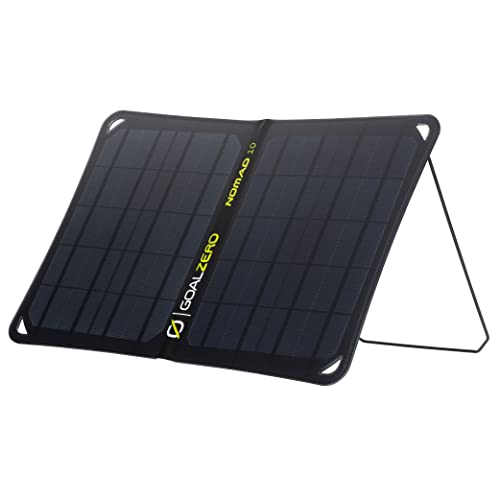
Goal Zero Nomad 10 Foldable Monocrystalline 10 Watt Solar Panel

BigBlue Ultra-Light Portable 25W Solar Panel Charger

SOLUPUP Solar Panels 30W Portable Foldable Solar Charger

ELECOM NESTOUT Portable Solar Panel 2-Panel

FlexSolar 60W Foldable Solar Panel

FlexSolar 10W Foldable Solar Charger 4-Fold Solar Panel
More Details On Our Top Picks
The four-panel layout gives you a sensible middle ground, especially for campsite charging where you can set the stands and leave it working while you handle other gear. The ripstop nylon shell and water-resistant build point toward rough trail use, though the trade-off is simple enough, this is still a panel you’ll want to pack with a little care.
Compared with the smaller Goal Zero Nomad 10, this ELECOM feels better suited to people who want more charging headroom without jumping into a much heavier rig. In most camps, that balance matters more than flashy output numbers, and the dual USB-A ports make it easier to serve two smaller devices at once.
Strong Points
- Four-panel format gives you a larger working surface without going into basecamp bulk.
- Dual USB-A ports make two-device charging easier in camp.
- Ripstop nylon is a practical outer material for backpack travel.
- Adjustable stands help angle the panel toward stronger sun.
- Foldable construction keeps the carry shape manageable in a pack pocket or side sleeve.
Points To Note
- USB-A only means newer USB-C-only setups need an adapter path.
- The larger surface is helpful, but it still asks for more packing space than ultralight 10W options.
- Water resistance helps with trail weather, though it still deserves normal dry storage after use.
Feature Snapshot
Who It Suits Best
You get the most out of this pick as a camper or weekend hiker who wants a practical middle-size panel and doesn’t mind a bit more bulk than the most compact options.
A Better Fit Elsewhere
Goal Zero Nomad 10 fits better for ultralight hikers who care more about pack space than charging speed.
This is the sort of panel that makes sense for hikers who want a bit more confidence from a 30W class setup, without stepping into a bulky power-station companion. The foldable design keeps it trail-friendly, and the IP65 rating means it’s built to shrug off dust and light water exposure better than many basic panels.
Compared with ELECOM’s four-panel unit, the Anker leans more clearly toward outdoor durability and day-use convenience than toward a larger surface footprint. In a packed tent site or on a windy overlook, that cleaner balance can feel easier to live with, especially since it supports two-device charging.
What We Like
- 30W rating gives you a practical step up from tiny travel panels.
- IP65 protection helps in dusty camps and damp conditions.
- Foldable format keeps it workable for hiking carry.
- Dual-device charging suits shared power use in camp.
- The shape is easy to stow beside a pack or bin with other outdoor gear.
Minor Gripes
- It still asks for open sunlight, so tree cover can slow the day down.
- Two-device use can divide output, which matters on low-light days.
- The panel is portable, but not the lightest path for minimalist packers.
At A Glance
Made For
You’ll appreciate this most as a camper or hiker who wants a tidy, weather-aware panel that still stays fairly simple to carry.
Where A Sibling Pick Shines
BigBlue Ultra-Light Portable 25W Solar Panel Charger suits backpackers who care more about the lightest possible carry than Anker’s sturdier outdoor feel.
This one is built for pack-conscious trips where every ounce and inch matters. The monocrystalline panel type, which uses a single-crystal silicon surface, matters because it’s a common route to efficient small-panel charging, and the adjustable kickstand helps you point it toward the sun without fuss.
Compared with the Anker PS30, the Nomad 10 gives you a lighter, more stripped-back setup that makes sense for shorter outings or topping up a power bank. The honest read is that you’re trading raw output for easier carry, which is exactly why ultralight hikers tend to care about it.
Highlights
- 10W format keeps the panel modest and trail-friendly.
- Monocrystalline design is a smart fit for compact solar gear.
- USB port support works well with portable power banks.
- Adjustable kickstand helps with sun angle in camp.
- Small size makes it easier to slip into a packed bag.
Softer Spots
- 10W output is better for topping up than for fast, broad charging.
- Smaller panels can feel slow on cloudy days or in partial shade.
- You may want a power bank in the chain, since direct solar use is more modest here.
Details At A Glance
Whose Shelf It Belongs On
You’ll like this most as a backpacker, day hiker, or traveler who wants a light, tidy solar option more than a large charging surface.
Swap It Out When
ELECOM NESTOUT Portable Solar Panel 4-Panel fits better for campers who want more panel area and a sturdier camp-side setup.
The big story here is the weight and size, because 0.84 pounds is the kind of number that changes how a panel feels in a backpack. USB-A and USB-C outputs make it more flexible than the older USB-A-only style found on the ELECOM panels, and the IP68 rating points to stronger dust and water protection than many trail panels.
That makes it a smart fit for minimalist trips where you want a solar option without feeling like you packed a second appliance. The trade-off is straightforward, this lighter design serves small gear well, but it does not pretend to be a large-camp power source.
Upsides
- 0.84-pound carry weight helps keep the pack light.
- USB-A and USB-C support broadens device compatibility.
- IP68 protection is a strong fit for rough outdoor conditions.
- Pocket-size form makes storage simple in a day pack.
- Works well for charging phones, power banks, and small campsite lights.
Room For Improvement
- The tiny footprint is great for carry, but it naturally limits panel surface.
- Very small panels are more sensitive to angle and shade.
- Some setups may need careful cable management to keep the trail kit tidy.
Core Details
Right Fit For
You’ll get the most value from this as a backpacker or light traveler who wants a tiny, flexible panel for everyday carry.
Look Elsewhere When
FlexSolar 60W Foldable Solar Panel suits people who need more output for a basecamp, RV stop, or small power station.
SOLUPUP takes a more device-friendly route than several earlier picks, thanks to its USB-A and USB-C mix plus the built-in smart chip. That chip identifies connected gear, manages charging speed, and helps guard against overcurrent, overvoltage, and short-circuit problems, while the auto-restart behavior matters after clouds roll through and sunlight returns.
For mixed-use camping, that combination is handy because you can move between phones, tablets, and power banks without feeling boxed in by one port style. The trade-off is that a more feature-heavy panel usually invites more cable attention, so neat setup habits help.
Reasons To Buy
- USB-A and USB-C support makes device matching easier.
- Smart chip control adds a more guided charging experience.
- Auto-reconnect behavior is useful during shifting cloud cover.
- 30W output gives a solid middle ground for campsite charging.
- Works cleanly with phones, tablets, and power banks in a mixed kit.
Small Caveats
- The extra feature set can mean more cord handling at camp.
- Solar charging still depends on sun exposure, so shade remains a problem.
- For tiny day-hike kits, this may feel more capable than necessary.
Quick Facts
The Right Fit
You’ll like this best as a camper who carries several small devices and wants one panel to handle the mix.
Another Choice May Suit
Goal Zero Nomad 10 fits better for ultralight hikers who want a simpler, lower-profile solar piece.
The two-panel version keeps the same general ELECOM idea, but the smaller fold gives you a simpler carry shape than the four-panel model above. That can matter on short backpacking trips, because less panel to manage often means less fuss at breakfast and pack-up time.
It still uses dual USB-A ports and a durable ripstop nylon exterior, so the basic ownership story stays practical and familiar. The catch is obvious enough, you give up some surface area, so this version makes more sense for lighter charging demands or tighter pack space.
Best Bits
- Smaller fold than the four-panel ELECOM option.
- Dual USB-A ports support two-device charging.
- Ripstop nylon helps the panel hold up in rough carry.
- Good fit for compact camp kits and shorter trips.
Areas To Watch
- Reduced surface area means less charging headroom than the 4-panel sibling.
- USB-A only compatibility can be less handy for USB-C-first gear.
- Like most foldable panels, it rewards careful drying and packing after wet use.
Feature Card
Built With In Mind
You’ll appreciate this most as a backpacker who wants the ELECOM approach in a slightly simpler form factor.
Reach For A Different Pick When
ELECOM NESTOUT Portable Solar Panel 4-Panel suits campers who want more surface area and a steadier camp-side setup.
FlexSolar moves past the backpack-first format and starts looking more like a camp power tool, especially with 60W output and support for USB-C, USB-A, QC3.0, and a DC port rated for 20 to 28V. That breadth makes it useful for phones and a small power station, though the payoff is clearest when you’ve got room to set it out and let it work.
Compared with the smaller BigBlue and Goal Zero options, this one is the better fit for basecamp, RV stops, or longer stays where surface area matters more than ultra-light carry. IP67 protection also gives you a stronger weather-minded profile than the more basic trail panels in this list.
Standout Traits
- 60W output makes it far more capable than the compact trail panels here.
- USB-C, USB-A, QC3.0, and DC support widen device compatibility.
- IP67 rating suits rougher outdoor conditions.
- Good fit for small power stations and larger camp setups.
- Foldable design still keeps transport easier than a rigid panel.
Worth Noting
- The larger format makes it less appealing for strict ultralight packing.
- More output usually means more space needed for setup and storage.
- It is a stronger camp solution than a casual daypack add-on.
Technical Sheet
Built For
You’ll get the best match here as a car camper, RV traveler, or basecamp user who values output more than pack-light minimalism.
Not Your Match When
BigBlue Ultra-Light Portable 25W Solar Panel Charger suits hikers who want a much smaller carry.
This is the small, practical end of the category, aimed at phones and other light gear rather than bigger power demands. The built-in USB-A port with 5V/2A maximum output keeps it simple, and the note about not storing power matters because you’re using sunlight directly instead of carrying energy in the panel itself.
Compared with the 60W FlexSolar above, this one is clearly the lighter-duty choice, but that’s also why it stays easier to slip into emergency kits and short-trip packs. For hikers who only need a basic solar backup for small electronics, the honest read is that this is enough without feeling overbuilt.
Positives
- 10W format keeps the panel compact for emergency kits.
- USB-A output supports a broad range of light gear.
- Four-fold design helps the panel stay packable.
- IP67 protection suits rough trail weather better than plain fabric-only options.
Honest Caveats
- The panel does not store energy, so it only works while the sun is available.
- Charging speed stays modest, especially with larger-capacity devices.
- Best results come from low-draw gear such as phones, flashlights, and small power banks.
Core Details
The Right Fit
You’ll get the most out of this as a backpacker, hiker, or kit-builder who wants a modest solar backup for small electronics.
Where A Sibling Pick Shines
FlexSolar 60W Foldable Solar Panel suits anyone who needs enough output for a small power station or a longer camp stay.
How To Choose The Right Backpacking Solar Panels
Start With Your Carry Weight And Space
Backpacking gear lives or dies on pack volume, so the panel’s folded size matters almost as much as its watt rating. A 10W panel like the Goal Zero Nomad 10 or FlexSolar 10W suits light kits, while a 30W or 60W option makes more sense once you have extra room or a basecamp.
Weight changes the feel of a trip too, especially on steep climbs or long trail days. The BigBlue panel’s 0.84-pound weight is easy to appreciate in that context, because every ounce starts to matter after several hours on foot.
Match The Ports To The Gear You Carry
USB-A still works well for plenty of phones and accessories, but USB-C has become much more useful for newer charging cables. The SOLUPUP and BigBlue models handle both, which gives you more flexibility than the ELECOM units that stay with USB-A.
That difference sounds small until your cable bag gets messy at camp. A panel with the right port layout saves you from carrying extra adapters, and that makes the whole setup easier to live with.
Read Weather Ratings As Real-World Clues
Water and dust resistance do not make a panel invincible, but they do tell you how relaxed you can feel around damp ground, windblown grit, or a surprise shower. IP67 and IP68 ratings point to stronger protection than basic outdoor fabric alone, while IP65 and IPX5 are still helpful for ordinary trail use.
For most backpacking trips, that protection is about peace of mind rather than rough treatment. You still want to dry the panel, store it flat or folded, and avoid stuffing it into a wet pocket right after use.
Think About How You Plan To Charge
Some backpackers only need a slow top-up for a phone or power bank, and a 10W panel handles that role well enough. Others want to run two small devices, and then 28W to 30W starts to make more sense.
Once you move toward a small power station or longer camp stays, 60W becomes a more meaningful jump. That’s the point where a panel stops feeling like a backup accessory and starts acting like part of your camp system.
Things Worth Knowing First
Hidden Buying Traps
One common mistake is chasing watt numbers without checking carry size, because a panel that looks strong on paper can feel awkward in a pack. Another is ignoring port type, which leaves you stuck with adapters or a cable you forgot at home.
Shade and tree cover cause trouble too, so the best panel still needs a workable sun angle. Adjustable stands help, but a panel tucked under dense canopy will always underperform.
Where The Extra Money Goes
Higher-tier panels usually pay for tougher materials, stronger weather resistance, and broader charging options. That’s why models like the FlexSolar 60W and BigBlue 25W feel more versatile than simpler emergency panels.
You also tend to get cleaner setup details, better fold layouts, and more confidence around mixed gear. For frequent campers or hikers who charge several devices, that upgrade often makes daily use easier.
Frequently Asked Questions
How much power do you need for backpacking?
For a phone and a small power bank, 10W can be enough for light backup use. For two devices or more regular charging, 25W to 30W is a more comfortable range.
Do higher watt panels always charge faster?
Higher wattage usually helps, but sun angle, cloud cover, and cable quality still affect results. A 60W panel only shows its value when you have enough sunlight and a device setup that can use it.
Is USB-C better than USB-A for solar panels?
USB-C is more convenient for newer devices, especially phones and accessories that already use that cable type. USB-A still works fine for many small electronics and can be easier if your gear is older.
What weather resistance should you look for?
IP ratings give you a rough idea of protection against dust and water exposure. For backpacking, that kind of protection helps the panel handle damp camps and dusty trails more calmly.
Should you pair a solar panel with a power bank?
That pairing usually makes sense because it gives you more flexible charging through the day. A panel handles sunlight, while the power bank lets you use stored energy later.
Final Thoughts
The best backpacking solar panel for your kit depends on how much space you can spare and how much power you actually need. Small panels like the Goal Zero Nomad 10 and FlexSolar 10W keep things light, while the Anker PS30, SOLUPUP 30W, and ELECOM NESTOUT options give you more practical charging room. For longer stays or heavier gear, the FlexSolar 60W stands apart for sheer output. Choose the panel that matches your trail pace, and your pack will feel a little more prepared on the next trip.
