

Backpacking days get easier when your phone, headlamp, and power bank can top up without hunting for an outlet. You want a panel that packs flat, survives rough handling, and still makes sense once the sun shifts behind trees or clouds. The eight picks below focus on real trail use, from ultralight kits to higher-output panels for longer trips.
Quick Look At Our Shortlist

ELECOM NESTOUT Portable Solar Panel 28W

BigBlue Ultra-Light Portable 25W Solar Panel Charger

FlexSolar 20W Foldable Solar Panel Charger

SOLUPUP Solar Panels 30W Portable Foldable Solar Charger

FlexSolar 30W Foldable Portable Solar Panel Charger
FlexSolar 25W Portable Solar Panel Charger
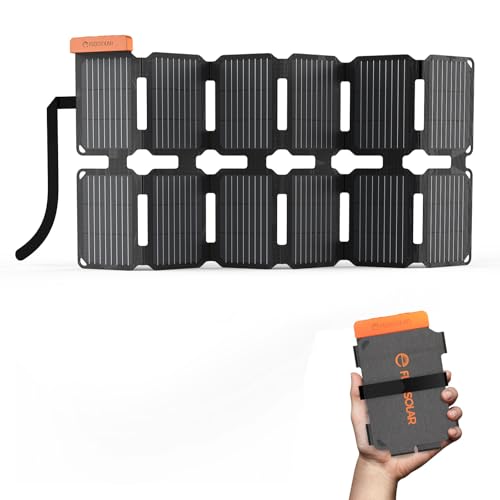
FlexSolar 36W Ultra-Portable & Lightweight Solar Panel Charger
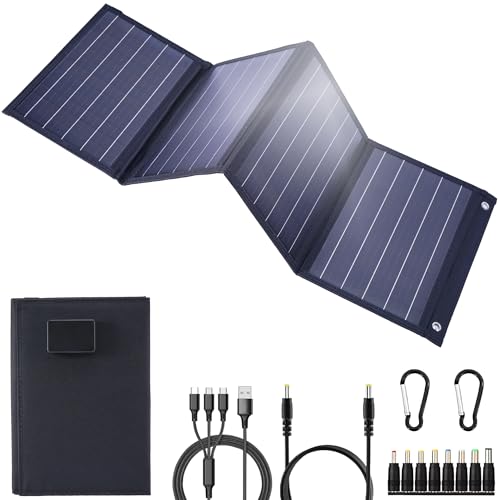
2026Upgrade 40W Foldable Solar Panel Charger
More Details On Our Top Picks
ELECOM’s NESTOUT panel leans into durability first, with ripstop nylon, a foldable build, and adjustable stands that help you angle it on uneven ground or a campsite table. The dual USB-A ports suit basic trail charging well, especially for phone top-offs and small accessories, though you still need good sunlight and realistic expectations from a 28W panel.
Compared with the lighter BigBlue and FlexSolar options below, this one feels more like a pack-camping workhorse than a featherweight travel piece. The honest read is that the sturdier shell makes sense for rougher handling, but it also means you’re choosing protection over the slimmest possible carry profile.
Strong Points
- Ripstop nylon gives you a tougher shell for rough pack storage.
- Foldable construction keeps it easier to tuck into side pockets or a lid compartment.
- Adjustable stands help you set a better sun angle at camp.
- Dual USB-A ports suit straightforward charging for phones and small trail gear.
Things To Consider
- USB-A only means newer USB-C-only setups need a cable strategy.
- The sturdier build is sensible, but it is not the lightest choice here.
- As with most folding panels, dust and grit can collect at seams and hinges.
Feature Snapshot
Who It Suits Best
Trail users who want a tougher carry piece for phone charging and don’t mind a little extra bulk will get the most from this one.
A Better Fit Elsewhere
BigBlue Ultra-Light Portable 25W Solar Panel Charger suits ultralight hikers who care more about carrying comfort than a heavier-duty shell.
BigBlue’s appeal starts with weight and keeps going from there, because 0.84 pounds is the kind of number that matters in a long pack. The USB-A and USB-C mix gives you more cable flexibility than the ELECOM panel, and the pocket-size folded format makes it easier to stash without reorganizing your pack.
IP68 waterproofing is the standout detail here, since that rating signals strong resistance to dust and water exposure, which helps on wet trails and messy campsites. The trade-off is obvious enough: this is still a compact panel, so you’re buying portability and weather tolerance more than brute output.
What We Like
- Very light carry weight helps on long mileage days.
- USB-A and USB-C ports reduce cable mismatch headaches.
- Pocket-size folded shape stores neatly in a smaller pack.
- IP68 rating gives you more confidence around dust and water exposure.
Points To Note
- Compact size leaves less panel surface than the bigger 30W and 40W picks.
- You may want a protective pouch so the folded edges stay tidy in your pack.
- Portability comes first, so charging pace matters more than sheer output.
Technical Sheet
Who Should Grab It
Ultralight hikers and commuters who need a compact panel they can carry without noticing it much will appreciate this one most.
Swap It Out When
ELECOM NESTOUT Portable Solar Panel 28W suits you better when a tougher outer build matters more than shaving every ounce.
This FlexSolar model keeps the pitch simple, and that helps a lot for weekend packing or emergency kits. Dual 5V USB-A and USB-C output means it can serve phones, power banks, flashlights, tablets, and smartwatches under sunlight, though 20W puts it on the modest side for bigger batteries.
Compared with the BigBlue 25W, you give up some power headroom, but you also get a very straightforward compact panel that feels easier to stash. For short trips, that balance can be exactly right, especially beside a sleeping bag, food bag, and stove all fighting for room.
Highlights
- USB-A and USB-C output supports a wide mix of small gear.
- 20W sizing works well for lighter-duty backup charging.
- IP67 waterproofing helps the panel handle rough outdoor use.
- Foldable layout fits neatly into compact emergency or weekend kits.
Small Caveats
- Lower output suits smaller loads more than power-hungry setups.
- Like most folding panels, it needs thoughtful packing to avoid crease wear.
- Direct sunlight matters a lot, so shade can slow the pace quickly.
Core Details
Who Will Love This
Weekend hikers and backpackers who want a simple backup panel for phones and small electronics will find the size easy to live with.
Look Elsewhere When
FlexSolar 30W Foldable Portable Solar Panel Charger makes more sense for you when a bit more charging headroom is worth the extra size.
SOLUPUP takes a more gadget-friendly path than the simpler FlexSolar 20W panel, and the smart chip is the reason. A smart chip identifies a connected device and adjusts delivery to help avoid overcurrent, overvoltage, and short-circuit problems, while the auto-reconnect function restarts charging after sunlight returns.
That makes this a practical choice for mixed-device camps where phones, tablets, and power banks all move through the same charging window. The catch is that added electronics can be nice to have, but they also raise the importance of keeping connectors clean and the panel folded carefully.
Reasons To Buy
- USB-A and USB-C support covers a broad set of common devices.
- Smart chip control adds a more polished charging experience.
- Auto-reconnect behavior helps after clouds or shade break the session.
- 30W output gives you more breathing room than the 20W option above.
Worth Noting
- Extra control electronics are useful, but they also add another thing to keep dry and clean.
- Folded panels still need room in your pack, so the 30W size is not tiny.
- More features can mean more complexity than a bare-bones backup charger.
Quick Facts
Best Suited To
Campers who carry a few different gadgets and want more charging smarts than a basic panel offers will get the most out of this one.
Where A Sibling Pick Shines
FlexSolar 30W Foldable Portable Solar Panel Charger suits you better when you want a more straightforward 30W panel without extra control features.
This FlexSolar panel lands in a useful middle ground, with 30W output and QC3.0 support for faster USB-A charging on compatible gear. That matters on trail days when a phone or power bank needs a quicker top-up before you break camp, and it keeps the panel relevant without pushing into bulkier territory.
Compared with the SOLUPUP 30W model, this one looks more stripped back, which some people will prefer because there’s less to think about. The trade-off is that you’re buying straightforward charging behavior rather than extra device-detection features.
Upsides
- QC3.0 support helps compatible devices charge more quickly through USB-A.
- 30W output gives you a practical step up from smaller 20W panels.
- USB-A and USB-C ports make cable packing easier.
- IP67 waterproofing suits rough outdoor conditions.
Areas To Watch
- QC3.0 helps only with compatible devices and cables.
- The simpler design is nice, though it offers fewer smart features than SOLUPUP.
- Foldable panels still need deliberate packing so hinges and leads do not get stressed.
Details At A Glance
The Right Fit
Backpackers who want a straightforward 30W panel with a useful speed boost for compatible USB-A gear will find this one easy to live with.
A Better Fit Elsewhere
SOLUPUP Solar Panels 30W Portable Foldable Solar Charger suits you better when smart-chip behavior and auto-reconnect matter more than simplicity.
FlexSolar keeps this model refreshingly straightforward, with built-in USB-A and USB-C ports that remove one extra thing from your packing list. For hikers who move quickly and camp lightly, that built-in layout can feel cleaner than carrying a more complicated charging chain.
Its 25W rating sits between the smallest emergency panels and the more capable 30W and 36W options, so it fits a broad middle ground. The honest read is that you give up some output for convenience, but many trail setups are better served by easy handling than by chasing the biggest number.
Bright Spots
- Built-in USB-A and USB-C ports simplify setup on the trail.
- 25W output gives you a practical middle option for common devices.
- Ultra-lightweight carry suits hikers who count every ounce.
- Quick Charge support helps compatible gear move along faster.
Softer Spots
- Built-in ports are convenient, but they also make cable placement less flexible than a separate adapter setup.
- 25W is capable, though power-hungry users may want more headroom.
- Like other folding panels, it still benefits from careful drying and storage after wet use.
Feature Rundown
Whose Shelf It Belongs On
Hikers and backpackers who want a neat all-in-one charging setup without much fuss should find this panel an easy fit.
Where Another Pick Suits Better
FlexSolar 36W Ultra-Portable & Lightweight Solar Panel Charger suits you better when your gear list runs a little heavier and you want more output.
FlexSolar’s 36W panel is where the shortlist starts leaning into more capable trail charging without jumping into a huge carry. USB-A, USB-C, and DC outputs broaden compatibility, which is useful when your kit includes a phone, a battery bank, and perhaps a small accessory that uses a barrel-style connection.
That extra output helps on longer trips, especially for people who spend more time in camp than moving through it. The trade-off is simple enough: more capability usually means a little more space in the pack, so this suits campers who want stronger charging and can spare the room.
Best Bits
- 36W output gives you more headroom than the smaller trail panels.
- USB-A, USB-C, and DC outputs cover a wider spread of gear.
- Ultra-portable design still keeps it in backpack-friendly territory.
- Quick Charge support improves compatibility with faster USB charging setups.
Honest Caveats
- More output can mean a bit more bulk than the 25W models.
- DC output is useful only for gear that actually uses that connector style.
- Folding hinges and cords still need careful handling during repeated pack cycles.
Core Details
Built With In Mind
Longer camping trips and mixed-device gear bags suit this panel especially well, because it carries more charging flexibility than the lighter models.
Skip It When
FlexSolar 25W Portable Solar Panel Charger is the more sensible call when your pack space is tight and your charging needs stay modest.
Dongindar’s 40W panel aims higher than the rest of the list, and the feature set makes that clear. You get N-type cells, which are a newer solar cell design commonly valued for better efficiency in compact panels, plus USB-C, USB-A, DC12V output, and MPPT, short for Maximum Power Point Tracking, a controller that helps the panel work closer to its usable output.
That combination is appealing for more demanding trail gear or longer off-grid stretches where you want the panel to do more of the heavy lifting. The honest trade-off is that more capability usually means more cost and a more deliberate setup, so this makes the most sense for people who will actually use the extra headroom.
Standout Traits
- 40W output gives you the strongest charging capacity in this roundup.
- N-type cells are a more advanced panel design for compact solar gear.
- USB-C, USB-A, and DC12V output broaden compatibility.
- MPPT support helps the panel work more efficiently under changing sunlight.
- IP67 waterproofing adds confidence for rough outdoor travel.
Areas To Watch
- The added capability makes it a more serious carry than the ultralight options above.
- DC12V output only matters for devices or setups built for that connector.
- More advanced electronics reward careful cable management and tidy storage.
Feature Card
Perfect Match For
Backpackers with bigger power needs, multi-device camps, or longer off-grid plans will benefit most from this higher-capacity panel.
Reach For A Different Pick When
BigBlue Ultra-Light Portable 25W Solar Panel Charger suits you better when low carry weight matters more than reaching for the strongest output.
How To Choose The Right Backpacking Solar Chargers
Match Output To Your Trip Length
For short overnights, 20W to 25W often covers a phone, earbuds case, or a small battery bank without adding much mass. Longer routes with more screen time or navigation use benefit from 30W or higher, especially once cloud cover or tree shade enters the picture.
More wattage usually helps, but only in the right conditions. A strong panel still needs direct sun and a sensible angle, so output matters most when your route gives the panel enough daylight to work with.
Keep Weight And Pack Shape Honest
Ultralight hikers feel every extra ounce, which makes the BigBlue and the lighter FlexSolar models easier to justify than heavier rugged panels. A panel that folds neatly and sits flat against sleeping gear tends to be easier to live with than a bulkier one that steals space from food and insulation.
Pack shape matters too. A slim panel is easier to lash outside a pack, while a tougher model often rides better inside the bag where it gets less abrasion.
Choose Ports Around Your Gear
USB-A still works for plenty of cables, but USB-C is becoming the more flexible daily connection. Panels with both, such as the BigBlue, FlexSolar 20W, SOLUPUP, and the 25W model, reduce cable headaches for mixed gear.
DC output matters only for specific accessories or larger setups. You do not need it for every trail kit, but it becomes valuable once your charging plan includes more than a phone and a power bank.
Look For Trail-Friendly Durability
Water resistance ratings and tougher fabrics help, but the real-world value shows up in rough pack handling, wet mornings, and dusty camp tables. Ripstop nylon, IP67, and IP68 each point to a different kind of protection, so the right choice depends on how hard your gear life tends to be.
Smart charging features can help too, though they add complexity. A panel with auto-reconnect or MPPT makes more sense for you when you want steadier behavior during changing light, not just a simple panel and cable.
Things Worth Knowing Before You Choose
Common Shopping Slip Ups
Many backpackers focus only on watts and forget the rest of the setup. Port types, folded size, and the weight of the panel can matter just as much once the route gets long.
Another common miss is forgetting that solar panels are sunlight tools, not wall plugs. Shade, bad angle, and cloudy weather can all slow charging far more than the spec sheet suggests.
What The Higher Tier Buys
Higher-end panels usually pay for better materials, more output, and smarter charge control. N-type cells, MPPT, and stronger weather resistance tend to show up once the product is built for more demanding use.
You’re also paying for convenience. A panel that handles multiple outputs or reconnects after light interruption can save time at camp, especially on longer trips where every charging window counts.
Frequently Asked Questions
How much wattage do you need for backpacking?
20W to 25W works for light phone and small-device charging. 30W to 40W suits longer trips or more gear.
Is USB-C more useful than USB-A on a trail panel?
USB-C is more flexible for newer devices and charging cables. USB-A still matters because plenty of trail gear uses it.
Does waterproofing matter on a solar panel?
It helps when weather turns damp or dusty at camp. A stronger rating also gives you more peace of mind during pack storage and handling.
Why does panel size matter so much?
Size affects both packing ease and usable surface area. Smaller panels carry more easily, while larger panels can gather more sunlight.
Should you choose a simple panel or one with smart features?
Simple panels suit you when you want fewer parts and less setup. Smart features make more sense when you carry mixed devices and want more consistent behavior in changing light.
Closing Thoughts
The best backpacking solar charger for you depends on how much weight you’re willing to carry and how much gear needs power. A compact 20W or 25W panel can be enough for short trips, while 30W to 40W models make more sense once you start carrying multiple devices or staying out longer. The short version is simple: match the panel to your pack, not to a spec sheet. That way, your charging setup feels like part of the trip instead of extra baggage.
