

Backpacking, camping, and long travel days all get easier when your charging plan is smaller than your gear list. These seven backpack solar chargers cover the range from tiny backup panels to higher-output foldables and power banks with built-in extras, so you can match the pick to your route, device load, and packing space. The trade-off always shows up in speed, weight, and weather resistance, so the right choice depends on how far you travel and how much power you actually carry.
Quick Look At Our Top Picks
BLAVOR 10W Portable Solar Charger 5V/2A Max

BLAVOR Solar Power Bank with Hand Crank and 4 Cables

SOLUPUP Solar Panels 30W Portable Foldable Solar Charger
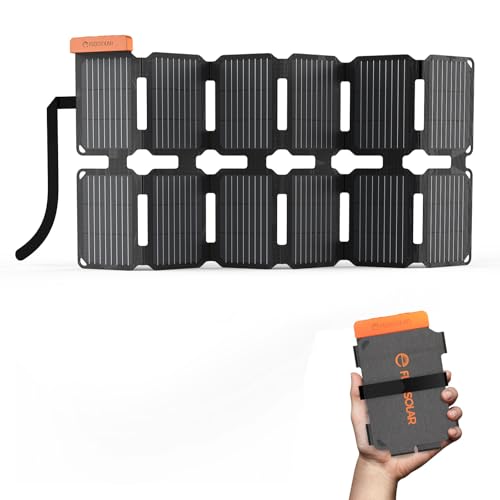
FlexSolar 36W Ultra-Portable Lightweight Solar Panel Charger
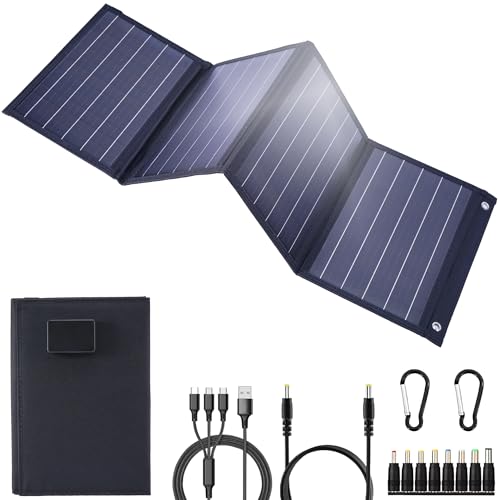
2026Upgrade 40W Foldable Solar Panel Charger 25% High Efficiency

45W Portable Solar Panel Charger 25.4% Efficiency Dual USB-C
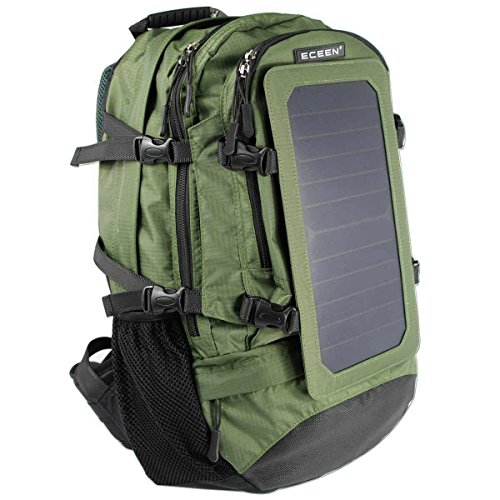
Solar Backpack 7W Solar Panel Charge
More Details On Our Top Picks
This BLAVOR panel makes sense for day hikes and lighter backpack kits where every ounce matters. The USB-C and USB-A outputs give you flexible device pairing, and the IPX4 splash rating is useful for damp trail conditions, though it’s not the same thing as heavy-rain protection.
Compared with the larger panels later in this list, it asks less from your pack and gives less output in return. That makes it a practical fit for phones, earbuds, and small battery packs, especially on routes where you expect only short charging windows.
Strong Points
- Foldable panel shape tucks away cleanly in a daypack.
- Dual USB output support adds flexibility for mixed devices.
- Lightweight carry suits commuters and hikers alike.
- IPX4 rating helps with splashes and damp weather.
Points To Note
- 10W output is modest, so larger devices charge slowly.
- Splash resistance still calls for sensible storage in storms.
- The smaller footprint means less energy capture than the 30W and 45W picks.
Feature Snapshot
Who It Suits Best
Minimalist hikers, students, and commuters with a small phone-centric load will get the most from it.
Where A Sibling Pick Shines
GEYOTO 45W Portable Solar Panel Charger 25.4% Efficiency suits you better for longer trips and heavier power needs.
This BLAVOR option leans more toward backup planning than pure panel charging, which helps when a trail day turns cloudy or longer than expected. A 20,000mAh power bank gives you stored energy on demand, and the four included cables reduce the usual rummaging through your bag.
The wireless pad and camping light add convenience, though the hand-crank is best treated as an emergency fallback rather than a fast charging path. For road trips, storm kits, or multi-device carry, the extra layers make it more versatile than the simple panel in Item 1.
What We Like
- 20,000mAh capacity gives you a useful energy reserve.
- Built-in cables cut down on extra packing.
- Wireless charging suits quick top-ups for compatible phones.
- Camping light adds utility around tents and dark campsites.
- Hand crank offers a backup charging path in a pinch.
Small Caveats
- The all-in-one build is bulkier than a plain foldable panel.
- Solar charging in a power bank usually works better as support than as the main feed.
- The extra features add complexity, so organization matters.
Details At A Glance
Right Fit For
Campers and emergency-minded travelers who want backup power in one carry piece will appreciate it most.
Swap It Out When
FlexSolar 36W Ultra-Portable Lightweight Solar Panel Charger suits you better when lighter trail carry matters more than built-in extras.
Thirty watts puts this SOLUPUP panel in a useful middle lane, especially for weekend campers who want more breathing room than a 10W panel without moving into heavier territory. The smart chip matters because it identifies connected devices and helps manage overcurrent, overvoltage, and short circuit risk, which is a lot of protection language for a simple field charger.
The auto-optimization feature is also handy after clouds pass or you shift position in camp, because it reconnects once sunlight returns. Compared with BLAVOR’s smaller panel, this one better suits power banks and phones that need steadier charging during longer outdoor stays.
Highlights
- 30W output gives more headroom than compact starter panels.
- USB-A and USB-C support broad device compatibility.
- Smart-chip control helps manage charging behavior.
- Auto-reconnect logic is useful when light conditions change.
Areas To Watch
- Foldable panels still need careful setup for good sun angle.
- IPX5 water resistance helps with spray, not rough soaking.
- It carries more bulk than the smallest backpack-friendly pick here.
Core Details
Best Suited To
Weekend hikers and car campers who want a middleweight charging setup will likely get the most from it.
A Better Fit Elsewhere
GEYOTO 45W Portable Solar Panel Charger 25.4% Efficiency is the stronger match for long hauls and higher power demands.
FlexSolar steps up output without turning into a bulky camp panel, which is the balance many trail regulars end up wanting. The USB-A, USB-C, and DC outputs broaden compatibility, so you can cover phones, battery packs, and other gear with less cable juggling.
The included support coverage is also part of the story, because setup help and breakdown coverage matter more than people expect once gear starts living in a pack. Compared with SOLUPUP’s 30W panel, this one adds output and connection options, though the extra capability naturally sits closer to the top end of the weight-and-space trade.
Reasons To Buy
- 36W output gives strong charging capacity for travel days.
- USB-A, USB-C, and DC ports widen device reach.
- Lightweight build helps it stay practical for backpack carry.
- Quick-charge support is useful for time-sensitive top-ups.
- Support coverage adds peace of mind for rough use.
Honest Caveats
- More output usually means a larger packing footprint than 10W and 30W options.
- DC output adds flexibility, but some users will never need it.
- Like any folding panel, placement angle still affects real-world output.
Feature Rundown
Whose Shelf It Belongs On
Frequent campers and backpackers who want more output without leaping to the heaviest class will appreciate it.
Look Elsewhere When
BLAVOR 10W Portable Solar Charger 5V/2A Max is the easier carry for short day trips and lighter loads.
This 40W panel pushes harder on efficiency than the earlier picks, thanks to its high-efficiency N-type cell design and MPPT charging support. MPPT stands for maximum power point tracking, a control method that helps the panel pull more useful energy from changing sunlight, which matters on cloudy trails or moving camp setups.
The IP67 rating also gives it a tougher outdoor profile than the splash-rated options above it. For travel emergencies or frequent off-grid use, the added durability and DC12V output make it feel more serious than the midrange crowd, though it also asks for a little more pack room.
Best Bits
- 40W output supports heavier charging needs.
- High-efficiency cell design helps make better use of sunlight.
- MPPT control can improve charging consistency in changing light.
- IP67 rating suits harsher weather and dust exposure.
- USB-C, USB-A, and DC12V outputs broaden use.
Areas To Watch
- The extra capability can mean less casual packability than smaller panels.
- More advanced charging logic can feel overbuilt for simple phone top-ups.
- The higher-spec setup makes placement and cable management worth doing carefully.
At A Glance
Built With In Mind
Backpackers who spend more time off-grid and want tougher weather tolerance will get the most from this pick.
Another Choice May Suit
BLAVOR Solar Power Bank with Hand Crank and 4 Cables works better for you if stored power and built-in extras matter more than panel-first output.
At 45W, this GEYOTO panel sits near the top of the output range in this roundup, and the 25.4% efficiency claim is the kind of spec that matters on short daylight windows. Dual USB-C support, 25W PD output, and USB-A give you a flexible setup for phones and power banks without feeling locked into one cable style.
Its 1.7-pound foldable build keeps it in backpack territory, which is the real appeal here. Compared with the 40W option above, it is a little more focused on practical carry than system-level extras, and that makes it a strong fit for people who want serious panel performance without a bulky frame.
Bright Spots
- 45W output gives you more charging headroom than the midrange picks.
- 25.4% efficiency is a meaningful spec for limited sunlight.
- Dual USB-C plus USB-A support keeps cable planning simple.
- 1.7-pound foldable design stays manageable in a backpack.
Worth Noting
- The stronger output focus still depends on good panel placement.
- Less built-in convenience than the power-bank style BLAVOR option.
- Higher-capacity gear can expose cable clutter in a small pack.
Technical Sheet
The Right Fit
You get the most from this model on longer backpack trips, especially when phone and battery-pack charging both matter.
Reach For A Different Pick When
BLAVOR 10W Portable Solar Charger 5V/2A Max is easier to live with for ultra-light day bags and short outings.
This ECEEN backpack-integrated panel is the most direct fit for someone who wants charging built into the bag itself rather than carried separately. Seven watts is modest, so the honest read is that it works best as a slow, simple phone-support setup rather than a power-hungry travel station.
That simplicity can be helpful for students, casual commuters, or light outdoor use where you want one less item to remember. Compared with every foldable panel above it, the trade-off is plain output, but the backpack-style layout keeps the concept easy to understand and easy to wear.
Best Bits
- Backpack-integrated design keeps charging gear in one place.
- 7W output is enough for light device support.
- Simple 5V device focus keeps use straightforward.
- Works well for low-drama, everyday carry.
Things To Consider
- 7W is limited for bigger batteries and fast top-ups.
- Built-in panels give you less placement flexibility than folding models.
- Backpack wear and cleaning matter because the panel stays attached to the bag.
Core Details
Who Should Grab It
Casual users who want a simple backpack-mounted charger for occasional top-ups will find the concept easiest to live with.
Look Elsewhere When
FlexSolar 36W Ultra-Portable Lightweight Solar Panel Charger is a better fit for trail trips where output matters more than built-in bag mounting.
How To Choose The Right Backpack Solar Chargers
Output, Efficiency, And Real-World Pace
Panel wattage tells you how much charging headroom you have, while efficiency tells you how well the panel turns sunlight into usable power. A 10W option fits light support, a 30W to 40W panel makes more sense for repeated phone top-ups, and 45W pushes into the more serious end of this category.
The numbers matter most on short travel days, partial shade, and cloudy camp conditions. Higher wattage cannot fix bad sun exposure, but it does give you more room to work with.
Weight, Folded Size, And Pack Fit
Backpack carry is where many solar setups win or lose their appeal. A 1.7-pound panel still feels manageable, while a backpack-integrated 7W setup stays simple in a different way because it never leaves the bag.
Think about where the charger lives during the hike, not just while it’s deployed. Large foldable panels often charge better, but they also ask for more space, more careful cable routing, and a little more patience at camp.
Ports, Battery Backup, And Device Mix
USB-C, USB-A, and DC outputs solve different problems, so port layout should match the gear in your pack. Phones and power banks benefit from USB-C and USB-A support, while a power bank with built-in cables cuts down on loose accessories.
Hand-crank backup and integrated lights matter more for emergency-minded kits than for casual weekend carry. The right choice is the one that matches your actual devices, not the one with the longest feature list.
Weather Resistance And Trail Care
IPX4, IPX5, IP67, and IP68 all signal different levels of protection against water and dust, and those differences are worth attention. Splash resistance is fine for light weather, but rougher trips call for tougher sealing and careful storage.
Panel care also matters after the hike. Folding hinges, cable ports, and attached backpack fabric all benefit from dry storage and regular wipe-downs, especially after dusty or wet outings.
Things Worth Knowing First
Common Shopping Slip Ups
One common mistake is picking a panel by wattage alone and ignoring size, cables, and the rest of the kit. A high-output panel still frustrates you on a cramped route if it barely fits your bag.
Another miss is overlooking weather protection. A splash-rated panel and a tougher IP67 model are built for different conditions, and that gap becomes obvious on wet weekends.
The Upgrade Payoff
Higher-tier models usually cost more because they add efficiency, stronger output, more ports, or tougher weather sealing. MPPT control, dual USB-C, and higher-rated enclosure protection all add parts and design complexity.
The upgrade makes sense when you travel farther, carry more devices, or depend on solar more often. For a light weekend kit, a simpler panel can still be the smarter fit.
Frequently Asked Questions
What wattage works well for backpack trips?
Ten watts is fine for light support and small devices. Thirty watts and up suits longer outings and repeated phone charging.
Do foldable panels work better than backpack-mounted panels?
Foldable panels usually give you more output and better placement flexibility. Backpack-mounted panels stay simpler, but they tend to be slower.
Why does efficiency matter so much?
Efficiency shows how well a panel turns sunlight into usable power. Higher efficiency helps more on short days, partial shade, and weaker sunlight.
Is water resistance worth paying attention to?
Yes, because outdoor gear sees mist, drizzle, dust, and wet pack storage. A stronger sealing rating helps the charger handle rougher trail use.
What matters more, solar input or stored battery capacity?
Solar input helps you charge in the field, while stored capacity gives you power on demand. A power bank helps on cloudy days, but a panel keeps the system from running dry.
Closing Thoughts
For backpack solar charging, the right pick comes down to how you travel, not just how much output looks good on paper. A small panel keeps life light, a midrange foldable gives you useful balance, and a higher-output model earns its keep on longer routes with more gear. The BLAVOR, SOLUPUP, FlexSolar, Dongindar, GEYOTO, and ECEEN options each fill a different role, so your best match is the one that fits your pack and your pace.
