

Roof solar panels make the most sense when your space is fixed, your power needs are steady, and you want hardware that fits the roof line without drama. The right panel can support a cabin, RV, shed, or home roof, but the differences in wattage, cell type, and shading tolerance matter more than the glossy product page language.
This roundup keeps the focus on practical fit, so you can match panel size and design to your setup. Some picks suit full-size roof arrays, while others work better for smaller off-grid systems, partial shade, or tighter mounting layouts.
Quick Look At The Shortlist

JJN 550 Watt Bifacial Solar Panels 2PCS
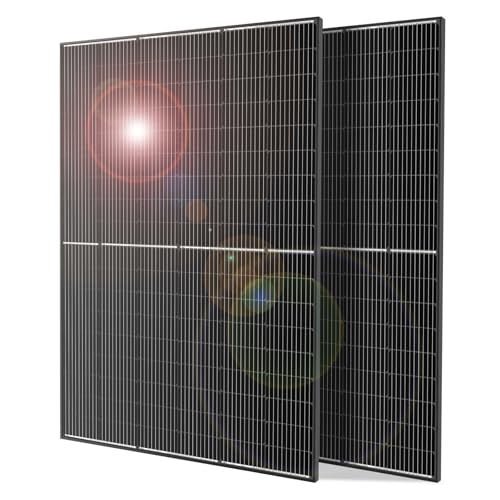
DOKIO 800W Solar Panel Set, Two 400W 31V Panels

JJN Bifacial 425 Watt Solar Panel, N-Type UL 61730 16BB

Renogy ShadowFlux Solar Panel 400 Watt, N-Type

N-Type 16BB 400W Bifacial Solar Panel, 2Pcs 200 Watt

Renogy Solar Panels 200 Watt N-Type, 200W Solar Panel

200 Watt Solar Panel 18BB, 25% High Efficiency, N-Type 12V
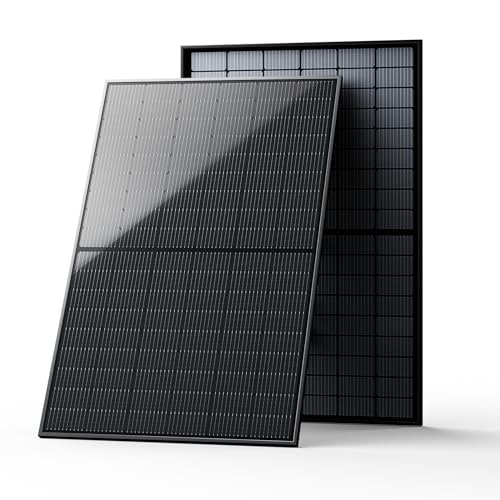
EPOCH 860W Bifacial Solar Panels, N-Type Class A
More Details On Our Top Picks
Roof space adds up fast, so a pair of 550-watt bifacial panels makes sense for larger off-grid layouts and roomy rooftop installs. Bifacial means both sides can capture light, which matters around reflective surfaces like pale roofs or bright ground cover.
The trade-off is plain size and a heavier commitment to mounting and wiring, so this suits steadier systems more than casual weekend setups. Compared with the 200-watt options later in the list, this one is built for people who want fewer panels doing more work.
Strong Points
- Two large panels give you a strong starting point for a bigger array.
- Bifacial construction can help you make better use of reflected light.
- Works across 12, 24, and 48 volt setups, which broadens system planning.
- Monocrystalline cells suit compact roof layouts where output per panel matters.
- Good fit for barns, RV roofs, and remote cabins that need scale.
Things To Consider
- The size makes handling and roof placement more demanding than a smaller 200-watt panel.
- More output per panel can mean more careful charge-controller planning.
- Cleaning and inspection take a bit more reach on sloped or high roofs.
Feature Snapshot
Who It Suits Best
You get the most from this set when your roof has room and your power plan calls for strong per-panel output. It fits cabin, farm, and RV projects that are already designed around a serious solar array.
A Better Fit Elsewhere
Renogy Solar Panels 200 Watt N-Type, 200W Solar Panel suits smaller roofs and lighter van setups that do not need such a large footprint.
This set keeps the layout straightforward, which is handy for yard sheds, outbuildings, and other places where you want a cleaner install path. The 9.84-foot cables and pre-drilled holes lower the friction of mounting, especially on roof frames that already have a clear mounting plan.
Because the panels are sized as two 400-watt units, the package feels more modular than the larger JJN option above. That makes it easier to work into a 24-volt off-grid system without jumping straight to oversized hardware.
Highlights
- Pre-drilled holes help speed up roof or rack installation.
- Long cable reach gives you more flexibility in panel placement.
- Two-panel format makes wiring and handling more manageable.
- Aluminum framing should suit regular outdoor exposure well.
Worth Noting
- This set fits best around a 24-volt plan, so system matching matters.
- The twin-panel format still needs enough roof or rack space.
- Owners usually benefit from careful cable routing to keep runs tidy.
Details At A Glance
Who Should Grab It
You get a strong match here for sheds, ground-mounted setups, and roof spaces that need a straightforward two-panel layout. It suits people who want capacity without moving into very large modules.
Swap It Out When
JJN 550 Watt Bifacial Solar Panels 2PCS is the better fit for larger roofs that can use more output from each panel. That extra power density matters more than easier handling when space is not tight.
Compared with the bigger 550-watt JJN set, this 425-watt panel lands in a more flexible middle zone. The N-type cell build matters here, since N-type cells usually aim for better efficiency and steadier output than older layouts, especially on roofs where every square foot has to count.
The 16BB layout, meaning 16 busbars that help carry current across the cell, also signals a more advanced panel structure. That makes it a smart fit for mixed 12, 24, or 48 volt systems, especially in farm or RV installs where you want solid output without going oversized.
What We Like
- Bifacial design helps you take advantage of reflected light below the panel.
- N-type construction usually suits users who want a more efficient module style.
- 425 watts gives you useful output without the bulk of the largest picks.
- Works across several voltage setups, which helps with planning.
- Good middle ground for rooftop arrays that need room for ventilation too.
Softer Spots
- It still asks for careful mounting, especially on narrower roof sections.
- Efficiency terms can sound close across listings, so the system design matters more than the headline number.
- Cleaning a high roof-mounted panel still takes ordinary access planning.
Core Details
Made For
This suits you best when you want a more advanced panel than a basic 200-watt module, but still need enough flexibility for a mixed-use rooftop array. It feels well matched to people building a long-term off-grid setup.
Reach For A Different Pick When
Renogy ShadowFlux Solar Panel 400 Watt makes more sense for roofs that spend part of the day under trees or nearby structures. Its shade-aware design shifts the focus from raw output to steadier real-world performance in tricky light.
Shaded roofs are where this Renogy set starts making sense fast. The listing points to partial shade from trees, buildings, leaves, roofs, and snow, so it addresses a common headache for rooftop solar: light that changes through the day instead of staying clean and open.
That makes it especially appealing for RVs, marine setups, and homes with awkward roof lines. Compared with the JJN and DOKIO options, this pick looks less about brute output and more about keeping production steadier in messy conditions.
Bright Spots
- Shade-aware design suits roofs that rarely get full uninterrupted sun.
- Two 200-watt panels make the package easier to place and route.
- N-type cells and high-efficiency positioning point to a more advanced build.
- Good fit for mixed-use rigs where roof obstructions are common.
Areas To Watch
- The split-panel format still needs enough mounting room.
- For open, unshaded roofs, a larger single-output panel may be simpler.
- Roof cleaning still matters, especially where leaves or snow build up.
Feature Rundown
Right Fit For
You get the most value from this set when your roof sees shifting light across the day and a standard panel would struggle with consistency. It suits RV owners and homeowners with trees or nearby structures casting shadows.
Where A Sibling Pick Shines
DOKIO 800W Solar Panel Set, Two 400W 31V Panels fits more open spaces that can use a direct, higher-capacity layout without shade-first design priorities. That choice makes more sense for a cleaner roof line.
This Callsun set sits in a comfortable middle ground, especially for RV vans and marine roofs where a two-panel layout is easier to plan than a single oversized module. The anti-shade parallel design is the detail that stands out, since parallel wiring tends to keep part of the array working better when one section is shaded.
That matters in real use, because roof gear, vents, and antennas can interrupt light in ways product photos do not show. Compared with the Renogy shade-focused set, this one leans a bit more toward general versatility while still giving shade tolerance a meaningful role.
Reasons To Buy
- Parallel anti-shade layout helps keep output steadier around partial obstruction.
- Bifacial design can capture reflected light from bright surroundings.
- Two 200-watt modules make installation and handling more flexible.
- Fits 12V and 24V systems, which helps with compact off-grid builds.
Small Caveats
- Parallel wiring is useful, but it still asks for thoughtful installation planning.
- Two panels mean two points to mount, align, and inspect.
- On simple open roofs, a less segmented panel can feel more straightforward.
At A Glance
Built With In Mind
You get a good match here for compact roof systems that still need shade tolerance and flexible placement. It suits RV and marine owners who want a more forgiving panel layout.
Look Elsewhere When
JJN Bifacial 425 Watt Solar Panel, N-Type UL 61730 16BB is the stronger fit for users who want a single-panel power step up and a slightly simpler system plan. That route makes sense when roof space is less constrained.
For smaller roof installs, this 200-watt Renogy panel feels easier to place without turning the roof into a puzzle. The N-type 16BB build keeps the design modern, while the 12V and 24V compatibility gives you enough flexibility for cabin, van, or marine use.
It is a quieter sort of pick, which can be a good thing when you want a straightforward panel instead of a large multi-panel project. Compared with the 400-watt and 550-watt options above, this one fits better on tight roofs or as part of a gradual system build.
Upsides
- Smaller footprint works well on compact roofs.
- N-type 16BB cell structure suits users who want a more current panel design.
- Broad 12V and 24V compatibility helps with common off-grid setups.
- Good choice for step-by-step system expansion.
Room For Improvement
- Two-hundred-watt output is modest compared with the larger panels here.
- Smaller capacity means you may need more panels for a full roof array.
- Roof hardware planning still matters, since panel space can fill fast.
Technical Sheet
The Right Fit
You should look here when roof space is tight and your power plan is modest rather than sprawling. It suits smaller off-grid systems that value easy placement over maximum output.
Skip It When
JJN 550 Watt Bifacial Solar Panels 2PCS makes more sense for a roof that can handle larger modules and higher per-panel output. That stronger capacity can reduce the number of panels you need.
This Rvpozwer panel is the simple, familiar 200-watt route for roof solar projects that do not need extra complexity. The 18BB layout, or 18 busbars, adds another layer of internal current support, and the N-type build keeps it aligned with more modern module designs.
It feels especially sensible for starter systems, trailer roofs, and marine use where one panel needs to do a clean job without much fuss. Compared with the Renogy 200-watt option, it takes a more generic path, which can suit you well when you want a straightforward module instead of brand-specific extras.
Best Bits
- Simple 200-watt format makes system planning easy.
- 18BB cell layout gives the panel a more advanced internal structure.
- Fits many roof, trailer, and RV setups without excess bulk.
- Works well as a building block in larger arrays.
Minor Gripes
- The output level suits smaller plans more than high-demand roofs.
- Less brand-specific detail means you may lean more on system design choices.
- Regular roof cleaning still matters in dusty or leaf-heavy areas.
Feature Card
Who Will Love This
This suits you best when your goal is a practical roof panel that slots into a simple off-grid setup without overthinking the layout. It is a comfortable fit for trailers, RVs, and smaller cabins.
A Better Fit Elsewhere
Renogy ShadowFlux Solar Panel 400 Watt, N-Type is a smarter choice for roofs that fight partial shade and need a more purpose-built response to changing light. That extra shade handling is the point.
The EPOCH set aims at bigger roof arrays and heavier-use rigs, especially where waterproofing and bifacial capture both matter. At 430 watts per panel, it sits closer to the high-output end of this list, so it fits larger RV, boat, marine, and off-grid installs with more serious load planning.
Compared with the 200-watt choices, this is the sort of panel you reach for when fewer, stronger modules are the goal. The trade-off is the same one you see with most high-capacity panels: more roof commitment, more planning, and less room for casual placement.
Positives
- 430-watt per-panel output supports larger roof energy plans.
- Bifacial construction can help make use of reflected light.
- Class A N-type monocrystalline build points to a higher-end module style.
- Waterproof design suits outdoor use on boats, RVs, and rooftops.
- Two-panel format can simplify large-array planning.
Honest Caveats
- The stronger capacity comes with a bigger installation commitment.
- Large panels can be less forgiving on narrow roof sections.
- Cleaning and access matter more once the array is mounted high.
Core Details
Whose Shelf It Belongs On
You get the best match here when your project needs higher output per panel and your roof can support the size and planning that come with it. It suits larger RVs, boats, and off-grid properties that demand more from each module.
Another Choice May Suit
Renogy Solar Panels 200 Watt N-Type, 200W Solar Panel is the easier fit for compact roofs and smaller systems that do not need such a large energy step up. That smaller footprint keeps the install simpler.
How To Choose The Right Roof Solar Panels
Match Output To Roof Space
Wattage tells you how much potential energy a panel can produce, but roof fit decides whether that potential is useful. A 430-watt or 550-watt panel can be efficient on paper and awkward on a cramped van roof, while a 200-watt panel can feel modest but much easier to place cleanly.
For larger cabins and farm roofs, higher-output modules reduce panel count and simplify wiring. On smaller roofs, fewer watts per panel can be the smarter move because vents, skylights, and edge clearances eat space fast.
Look At Cell Type And Layout
N-type panels use a newer cell structure that many shoppers favor for efficiency-minded builds. 16BB and 18BB refer to busbar counts, the thin conductive strips that help move current across the cell, and higher counts often point to more advanced internal design.
Bifacial panels add another layer by using light from both front and back. That helps most when the roof or ground around the array reflects light well, while plain dark roofs and tight mounting setups may get less benefit.
Think About Shade And Mounting Conditions
Shade is a bigger issue on roofs than many people expect. Trees, roof vents, antennas, and nearby buildings can cut output in ways that matter more than a glossy efficiency claim, so panels built with shade tolerance or parallel wiring deserve a closer look.
Mounting matters too. Pre-drilled holes, cable length, frame material, and panel size all change how easy the install feels, especially on a sloped roof or a vehicle that moves and vibrates.
Plan For The Whole System
The panel is only part of the job. You still need compatible charge control, enough roof area for airflow, and a layout that leaves room for maintenance.
Think about how often you’ll inspect the array, clean dust or leaf buildup, and reach the mounting points. A panel that looks ideal in isolation can become inconvenient once it sits on a real roof with corners, seams, and weather exposure.
What To Weigh Before You Click Through
Mistakes Worth Dodging
One common mistake is chasing wattage without checking roof dimensions. A bigger number sounds appealing, but a panel that crowds vents or leaves no service space can become a headache during installation and upkeep.
Another slip is ignoring voltage match. A 12V panel, a 24V system, and a mixed array each ask for different planning, so the clean-looking listing needs a second look before you commit.
The Upgrade Payoff
Higher-tier panels usually cost more because they lean on newer cell types, stronger frame build, better shading behavior, or bifacial construction. Those details matter most on roofs with partial shade, rough weather exposure, or a premium on every square foot.
Spending up makes sense when you want fewer panels, steadier output, or a system built for years of roof exposure. It matters less for a small starter setup where simple placement and modest output already cover your needs.
Frequently Asked Questions
What size roof solar panel works for a small RV?
A 200-watt panel is usually the easier fit for smaller RV roofs. It gives you room for vents and clear mounting paths.
Are bifacial panels useful on rooftops?
Bifacial panels help most when reflected light reaches the rear side. Bright roofs, pale gravel, and reflective surroundings make that more likely.
Does shade always make solar panels a poor choice?
No, but shade changes the kind of panel you should choose. Shade-aware or parallel designs handle broken light better than basic layouts.
What does N-type mean on a solar panel?
N-type refers to a newer solar cell design. It often appears on panels marketed for stronger efficiency-focused builds.
Should you choose one big panel or several smaller ones?
One big panel can simplify wiring and reduce roof clutter. Several smaller panels give you more placement options around vents and curves.
Closing Thoughts
The best roof solar panels for your setup depend less on hype and more on fit, shade, and roof shape. Large bifacial modules suit bigger arrays, while 200-watt panels make life easier on tighter roofs and starter systems. If your roof sees trees, vents, or mixed light, a shade-aware design deserves extra attention. Match the panel to the space you actually have, and the rest of the system gets a lot easier.
