

RV solar setups live or die by battery fit, not just panel count. You need enough storage for overnight loads, a BMS that handles the draw, and a size that works in your battery bay without turning maintenance into a headache.
The nine picks below cover everything from compact 100Ah replacements to very large bank options for bigger off-grid setups. You’ll also see where Bluetooth, low-temp protection, and Group 31 sizing matter in real travel use.
The Shortlist At A Glance

dumfume 12V 600Ah LiFePO4 Battery with 200A BMS

CHINS LiFePO4 Battery 12V 100Ah with Low-Temp Protection

dumfume 12V 600Ah LiFePO4 Battery with IP65 Protection

VEMDIA 12V 100Ah LiFePO4 Group 31 Battery

GRNOE 2-Pack 12V 100Ah Group 31 Batteries

ECO-WORTHY 12V 280Ah Metal Case 2-Pack

ECO-WORTHY 12V 314Ah LiFePO4 Battery with Bluetooth
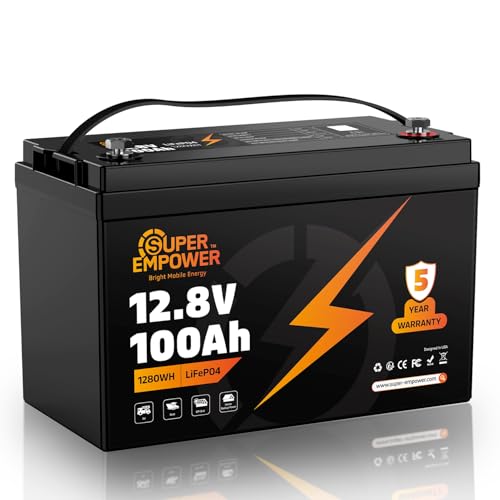
SUPER EMPOWER 12V 100Ah Group 31 Battery

Dyness 12V 100Ah LiFePO4 Battery 2-Pack
More Details On Our Top Picks
A 600Ah bank changes the rhythm of an RV trip, especially for long stays where the fridge, lights, fans, and inverter loads all add up. The 200A BMS, which is the built-in battery management system that controls charging and discharge, gives this pick a clear edge for larger solar setups.
The trade-off is size, plain and simple. You’re looking at a battery that makes sense for a dedicated compartment, a roomy storage bay, or a home backup corner where capacity matters more than compact weight.
Strong Points
- Very large 7200Wh storage suits extended off-grid camping.
- 200A BMS supports heavier current demands from inverters and appliances.
- LiFePO4 chemistry usually suits frequent cycling better than lead-acid.
- Useful for a full RV energy bank, not just a small backup role.
Points To Note
- The large footprint makes planning and mounting more important.
- It fits bigger systems better than casual weekend use.
- Moving and handling a battery this size takes care and some extra space.
Feature Snapshot
Who It Suits Best
You’ll get the most from this in a large RV, a cabin-style solar setup, or a home energy bank that needs serious storage.
Where A Sibling Pick Shines
VEMDIA 12V 100Ah LiFePO4 Group 31 Battery suits travelers who want a simple drop-in replacement instead of a massive storage build.
This one stays close to the familiar 100Ah format many RV owners already know, so it feels less like a project and more like a replacement path. Low-temp protection matters for shoulder-season camping, because lithium batteries generally should not charge in freezing conditions without protection.
The 100A BMS keeps the package straightforward, which helps when your solar array and inverter loads are moderate rather than huge. Compared with the 600Ah dumfume models above, this CHINS option is much easier to fit into a simpler electrical layout.
What We Like
- 100Ah size works well for common RV battery swaps.
- Low-temp protection supports cooler-weather use with less guesswork.
- Built-in 100A BMS keeps the system simple.
- Cycle range listed by the brand suggests solid long-term use for regular travel.
Minor Gripes
- Single-battery capacity can feel modest in power-hungry rigs.
- You may need more than one unit for longer dry-camp stays.
- Battery-space planning still matters, especially in tighter compartments.
Core Details
Made For
Travelers with smaller solar loads, weekend campers, and marine setups will find the size and feature set easy to live with.
Another Choice May Suit
SUPER EMPOWER 12V 100Ah Group 31 Battery suits you better when you want the same compact class with a standard BCI Group 31 fit.
Compared with the first dumfume battery, this version adds IP65 protection, which means the enclosure is built to resist dust and water jets from normal exposure. That matters in damp storage bays, rougher camper installs, or places where splash protection simply feels worth having.
You also get 7680Wh, a low-temp cutoff, and a 200A BMS, so the shape of the product is still large-system first. The honest read is that the protection rating and capacity make this a stronger fit for owners who expect less-than-perfect storage conditions.
Upsides
- IP65 protection adds useful peace of mind in wet or dusty storage areas.
- Large energy reserve suits extended dry camping.
- Low-temp cutoff helps the battery avoid charging in poor conditions.
- 200A BMS supports demanding RV or off-grid loads.
- Deep-cycle design fits regular solar charging patterns.
Small Caveats
- Large capacity also means a larger planning burden.
- It makes more sense for bigger rigs than light weekend use.
- Handling and mounting take care, especially in tight compartments.
Details At A Glance
Whose Shelf It Belongs On
You’ll appreciate this most in an RV that sees real weather, storage, and travel wear, not just perfect garage conditions.
Swap It Out When
CHINS LiFePO4 Battery 12V 100Ah with Low-Temp Protection is a better fit for smaller rigs that need a simpler, lighter replacement.
Group 31 sizing makes this one easier to place in common RV battery boxes, and that’s a real convenience during a swap. The 100A smart BMS and low-temp cut-off keep it in the sweet spot for steady solar use without pushing into oversized territory.
VEMDIA also leans into long-life positioning with a 15,000-cycle claim and a 10-year lifespan statement, which signals a battery meant for repeat service rather than occasional backup. Compared with the bigger ECO-WORTHY banks, this option feels more straightforward for a single-battery upgrade.
Bright Spots
- Group 31 form factor helps with common RV fitment.
- 100Ah capacity works for many direct replacements.
- Low-temp cut-off is useful for cooler travel seasons.
- Smart BMS helps manage the battery without extra gear.
- Lightweight design usually makes installation less awkward than lead-acid swaps.
Areas To Watch
- Single-battery capacity may not cover heavy inverter loads alone.
- Long-life claims still depend on charge habits and system setup.
- Standard maintenance still includes keeping terminals clean and secure.
Key Specs
Right Fit For
You’ll like this most in a standard RV swap where the battery tray already expects a Group 31 footprint.
Look Elsewhere When
GRNOE 2-Pack 12V 100Ah Group 31 Batteries makes more sense for a setup that needs two matched batteries from the start.
A two-pack matters because it gives you room to build a larger bank without hunting for a second matching unit later. For RV owners who wire batteries in parallel, that can simplify planning and keep the system balanced from day one.
GRNOE also gives you a clear shipping note: each battery comes in its own box, so the deliveries may not land together. That’s a small practical wrinkle, but it’s the kind of detail that helps you plan around installation day rather than wonder where part of the order went.
Reasons To Buy
- Matched two-pack format supports parallel builds.
- Group 31 sizing works with many RV battery trays.
- Low-temp protection helps during cooler weather use.
- 100A BMS keeps the batteries straightforward to integrate.
- Battery-by-battery packaging can help with handling smaller lifts.
Room For Improvement
- Separate shipment boxes can arrive at different times.
- You need enough space for two batteries, not just one.
- Parallel wiring adds a little more setup work.
Feature Card
Built With In Mind
You’ll get the most from this pair in a trailer, van, or RV setup that wants a planned two-battery bank from the start.
A Better Fit Elsewhere
SUPER EMPOWER 12V 100Ah Group 31 Battery suits a simpler single-battery swap with less wiring work.
Bluetooth changes the ownership feel here, because you can check battery status from a compatible device instead of guessing from a panel alone. The metal case also suggests a tougher physical shell than a plain plastic body, which is useful in an RV bay that sees bumps, vibration, and general travel wear.
This is a 2-pack with 280Ah batteries and a 200A BMS, so the setup leans toward more ambitious solar storage. Compared with the 100Ah Group 31 choices above, it’s a clear step up for owners who want more headroom and monitoring in the same package.
Positives
- Bluetooth monitoring supports easier status checks during travel.
- Metal case construction feels suited to rougher storage areas.
- 280Ah capacity gives you more room between charge sessions.
- 200A BMS handles heavier electrical demand.
- Two-pack format suits larger off-grid plans.
Worth Noting
- Two large batteries need real space and thoughtful mounting.
- Bluetooth adds convenience, but it also adds another thing to learn.
- Heavier storage builds can take more planning during installation.
Technical Sheet
The Right Fit
This suits RVers who want monitoring, larger capacity, and a sturdier enclosure in the same build.
Where Shoppers Go Wrong
Dyness 12V 100Ah LiFePO4 Battery 2-Pack is easier to live with when you want a more compact two-battery setup.
The SOC LEDs, or state-of-charge lights, give you a quick glance at remaining battery status without opening an app first. That small touch matters in an RV kitchen or storage bay, where you want the answer fast and don’t want to poke around for it.
This battery sits in a sweet middle ground between the smaller 100Ah class and the very large 600Ah banks. You get 4019Wh, Bluetooth, a 200A BMS, and low-temp protection, which makes it attractive for longer boondocking trips that still need a manageable footprint.
Best Bits
- SOC LEDs make quick battery checks easy.
- Bluetooth adds remote visibility on compatible devices.
- 314Ah capacity gives more breathing room than standard 100Ah models.
- 200A BMS suits larger RV electrical loads.
- Low-temp protection helps support cooler-weather use.
Softer Spots
- It’s still a sizable battery, so space planning matters.
- Bluetooth and LEDs help, but they don’t replace good system design.
- Installation is easier in roomy bays than cramped compartments.
Feature Rundown
Who Should Grab It
You’ll like this most for extended RV stays where you want more storage than a 100Ah battery without jumping all the way to a giant bank.
Reach For A Different Pick When
dumfume 12V 600Ah LiFePO4 Battery with 200A BMS is the better match for a full-scale off-grid power bank.
This pick keeps the familiar 100Ah, Group 31 formula front and center, which makes it easy to imagine in a direct replacement role. The 1280Wh rating and 100A BMS keep expectations grounded, so you’re looking at a practical everyday battery rather than a huge storage bank.
For smaller RV solar systems, that can be exactly the right amount of battery without overcommitting on size or weight. The low-temp protection also matters for seasonal camping, especially when mornings get cold and charging conditions aren’t ideal.
Bestest Choices
- Group 31 sizing helps with standard battery-box fit.
- 100Ah capacity suits common RV and marine replacements.
- Low-temp protection supports use in colder weather.
- Compact footprint is helpful in tight storage spaces.
Hidden Buying Traps
- Standard capacity may feel limited for larger inverter loads.
- Smaller banks still need sensible charging habits and wiring.
- It makes more sense as a compact system piece than a giant energy source.
Core Details
Built With In Mind
You’ll get the best fit in a smaller RV, a travel trailer, or a solar setup that needs a straightforward battery replacement.
What Separates Premium From Basic
ECO-WORTHY 12V 314Ah LiFePO4 Battery with Bluetooth makes more sense when you want remote monitoring and more reserve capacity.
The two-pack format makes this Dyness set appealing for anyone building a system in stages. You can treat it as a pair for RV use, or think about it as a flexible base for a larger off-grid layout later on.
Low-temp protection and a built-in 100A BMS keep it in the familiar 100Ah class, while the A+ grade cell note signals attention to cell quality rather than flashy extras. It compares nicely with the GRNOE two-pack, though this one feels a touch more modular in spirit.
What We Like
- Two batteries give you flexibility for system planning.
- Group 31 sizing helps with common RV compatibility.
- Low-temp protection supports cold-season travel use.
- 100A BMS keeps the design familiar and easy to understand.
Things To Consider
- Two batteries still need space, mounting, and wiring planning.
- It suits modular builds more than ultra-simple single swaps.
- Routine care still includes checking connections and keeping the battery bay tidy.
Spec Overview
Perfect Match For
You’ll appreciate this most as a flexible two-battery starting point for RV solar or home energy storage.
Where Another Pick Suits Better
VEMDIA 12V 100Ah LiFePO4 Group 31 Battery works better for a single-battery replacement with less setup complexity.
How To Choose The Right Rv Batteries For Solar
Start With Real Daily Load
Battery size should follow the way you actually camp. A couple of lights and a fan call for a very different bank than an inverter running a microwave, coffee maker, or laptop charging station.
That’s why 100Ah batteries suit simple weekend rigs, while 280Ah, 314Ah, and 600Ah choices make sense for longer stays. Match the battery to the loads you carry, not just the label on the solar panel box.
Check The Form Factor Before Anything Else
Group 31 sizing matters because it tells you whether the battery is likely to fit a common RV tray or box. A strong battery that won’t sit properly in the compartment turns into extra work fast.
Large banks also need space for cables, ventilation around the compartment, and safe access for inspection. In a cramped trailer bay, compact shape can matter just as much as capacity.
Choose BMS And Cold-Weather Features Carefully
The BMS, or battery management system, controls charge and discharge behavior, so it’s a core feature rather than a bonus. Higher current ratings like 200A suit bigger inverter loads, while 100A works well for simpler systems.
Low-temp protection helps in shoulder-season travel and winter storage, especially with lithium chemistry. That feature can spare you a lot of setup guesswork when mornings are cold and the solar controller wants to start charging early.
Think About Monitoring And Build Style
Bluetooth and SOC LEDs, meaning state-of-charge lights, help you keep an eye on battery status without opening every compartment. That becomes useful on longer trips, where power status changes from day to day.
Metal cases add a tougher exterior feel, while lighter housings may be easier to install in tighter bays. The right choice depends on whether you want simpler handling, better visibility, or a more rugged shell.
Things Worth Knowing First
Wrong Turns To Avoid
One common mistake is buying more capacity than your charging gear can reasonably support. A giant battery bank with a modest solar array can leave you waiting around for recoveries that never feel fast enough.
Another slip-up is overlooking temperature limits. Lithium batteries in RVs work best when charging conditions match the battery’s protection features, especially in colder regions or early spring travel.
The Upgrade Payoff
Higher-tier models usually cost more because they add capacity, stronger BMS ratings, monitoring features, and better enclosure materials. Bluetooth, metal housings, and large two-pack formats all raise the usefulness, not just the sticker.
That extra spend makes the most sense for full-timers, long-distance campers, and off-grid setups that ask more from the battery every day. For short weekend trips, a simpler Group 31 battery often covers the job with less fuss.
Frequently Asked Questions
What size battery works best for a small RV solar setup?
A 100Ah battery usually fits a smaller RV well and keeps the installation simple. It gives you enough storage for lights, fans, and lighter electronics without overbuilding the system.
Why does low-temp protection matter in an RV battery?
Low-temp protection helps the battery avoid charging under cold conditions that can cause trouble for lithium chemistry. That matters most in chilly mornings, winter storage, and shoulder-season trips.
Is a 200A BMS always better than a 100A BMS?
Not always, because the right rating depends on your inverter and expected load. A 200A BMS suits larger electrical draws, while 100A fits many smaller RV solar systems just fine.
Do two 100Ah batteries work better than one larger battery?
Two 100Ah batteries can give you flexibility and easier system expansion. A single larger battery can be simpler to install, so the better choice depends on your space and wiring plan.
Why do Group 31 batteries matter for RV swaps?
Group 31 is a common battery case size, so it helps with fit in many RV trays. That makes replacement planning easier and reduces the chance of measuring headaches later.
Closing Thoughts
The right RV solar battery depends on how long you stay off-grid, how much space you have, and how much current your setup asks for. A 100Ah Group 31 battery suits simple swaps, while larger 280Ah, 314Ah, and 600Ah options make sense for longer trips and bigger loads. Bluetooth, low-temp protection, and a stronger BMS all add real comfort in daily use. Choose the battery that matches your camping style, and the rest of the system feels easier to live with.
