

Picking portable solar for an RV usually means balancing output, setup time, and how much space you can spare in storage bays or a tow vehicle. Some setups are built for quick campsite charging, while others are better for topping off batteries during long stops, cloudy stretches, or emergency backup at home. You’ll see a mix of suitcase panels, foldable blankets, and paired power-station kits here, so the right fit depends on how you travel and what you need to keep running.
Quick Look At The Shortlist

Renogy 200W Portable Solar Panel N-Type Foldable with Kickstand

DOKIO 200W Foldable Solar Panel Suitcase with Charge Controller

SUNER POWER 30W 12V Solar Battery Charger Maintainer MPPT
Go Power GP-PSK-130 130W Portable RV Solar Panel Kit

Renogy 400W Portable Solar Panel Foldable Suitcase with Kickstand
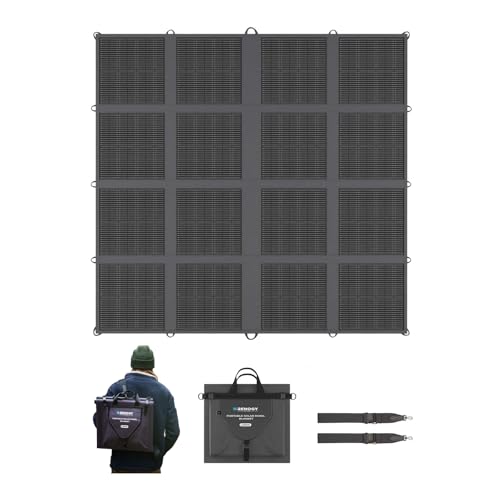
Renogy 400W Portable Solar Panel N-Type Solar Blanket

Jackery HomePower 3600 Plus Portable Power Station with 2X 200W Panels
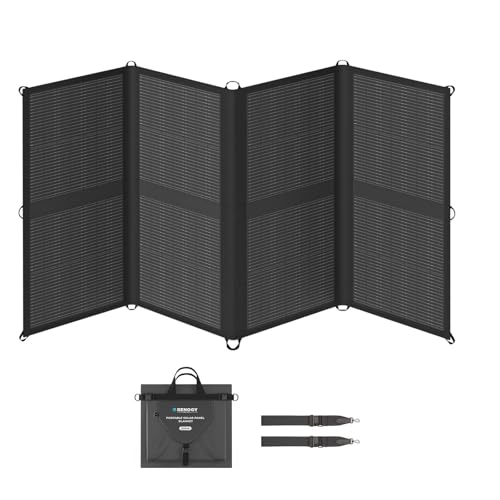
Renogy 200W Portable Solar Panel N-Type Solar Blanket

BougeRV 200W Portable Solar Panel N-Type Foldable with Fiberglass
More Details On Our Top Picks
Renogy gives you a 200W foldable setup with a kickstand, so campsite positioning feels less awkward than juggling loose panels on the ground. The USB-A and USB-C outputs add convenience for smaller gear, while the IP65 rating matters for dusty pullouts and damp mornings.
The trade-off is size, because a 200W panel still asks for room in the rig or truck bed. For weekend RV trips, blackout prep, or a power station you move by hand, this one lands in a practical middle ground. Compared with DOKIO’s suitcase format, it feels more streamlined for quick outdoor setup.
Strong Points
- Foldable layout makes campsite setup straightforward.
- Kickstand helps angle the panel without improvised supports.
- USB-A and USB-C outputs add useful small-device charging.
- IP65 protection suits dusty sites and light weather exposure.
Points To Note
- The larger panel size takes real storage space.
- USB outputs help with accessories, not heavy loads.
- Carrying it over longer distances may feel bulky.
Feature Snapshot
Who It Suits Best
It suits RV travelers who want a portable panel with simple placement and a few extra charging options for everyday gear.
A Better Fit Elsewhere
DOKIO 200W Foldable Solar Panel Suitcase with Charge Controller suits you better when a built-in controller and suitcase-style carry matter more than a lighter travel setup.
DOKIO leans into suitcase-style portability, and that matters for anyone who wants a cleaner carry from the storage bay to the campsite. The included charge controller simplifies the chain between panel and battery, which helps in RVs, boats, and 12V battery setups where you want fewer separate parts.
Its 30 x 26 inch folded size and 26 lb weight give you a real sense of scale before it lands in your rig. Compared with Renogy’s kickstand panel, this one feels more like a grab-and-go kit with a sturdier carry shape, though the extra weight is the trade-off. It suits setups that value structure over ultralight packing.
Highlights
- Suitcase format keeps transport tidy.
- Charge controller is already part of the kit.
- Works across 12V batteries, power stations, RVs, and boats.
- Folded dimensions make storage more predictable.
Small Caveats
- At 26 lb, it is not the lightest carry.
- The folded footprint still needs a decent storage slot.
- More packed parts can mean more careful cable management.
Details At A Glance
Who Will Love This
It suits RV, boat, and backup-power setups where carrying a self-contained panel kit matters more than trimming every ounce.
Another Choice May Suit
Renogy 200W Portable Solar Panel N-Type Foldable with Kickstand fits you better when you want lighter-feeling campsite placement and built-in USB outlets.
This SUNER POWER kit is less about running appliances and more about keeping a 12V battery topped up between trips. The built-in MPPT charge controller, which is a smarter regulator that helps manage solar input, makes the package feel more complete than a bare panel.
That makes it a steady companion for parked RVs, trailers, boats, and cars that sit more than they move. The adjustable mount bracket gives you flexibility on placement, but the 30W ceiling keeps expectations grounded. Compared with the 200W panels above, it belongs in maintenance duty rather than daily camp power.
Positives
- Built-in MPPT controller simplifies the system.
- 30W output works well for battery tending.
- Adjustable bracket helps with placement.
- Good fit for parked vehicles that sit often.
- Smaller footprint makes storage easier.
Trade Offs
- 30W is not meant for large power draws.
- Best used as a maintainer, not a main supply.
Core Details
Built With In Mind
It suits RV owners and trailer users who want battery maintenance for storage periods, not a full portable power setup.
Swap It Out When
Go Power GP-PSK-130 130W Portable RV Solar Panel Kit makes more sense for you when you need a larger charging buffer and a fuller camping kit.
Go Power keeps things familiar for RV owners, with folding panels, a 10 Amp controller, adjustable legs, battery clamps, and a nylon case. That mix makes it feel ready for someone who wants the basic pieces lined up without piecing together extra accessories.
The 130W output sits below the 200W units in this list, so it’s a more modest option for lighter needs or shorter stays. In most campgrounds, the adjustable legs help with angle changes across the day, though the lower wattage limits how quickly it can build a charge. It’s steady, not flashy, and that honesty helps.
What We Like
- Complete kit format keeps setup simple.
- Adjustable legs help set the angle at camp.
- Battery clamps are useful for direct connection.
- Nylon case helps with storage and transport.
Areas To Watch
- 130W gives you less headroom than 200W options.
- Kit parts mean a bit more organization.
- It suits modest power needs better than heavy loads.
Technical Sheet
Whose Shelf It Belongs On
It fits RV travelers who want a familiar folding solar kit with the main accessories already in the box.
Where Shoppers Go Wrong
DOKIO 200W Foldable Solar Panel Suitcase with Charge Controller suits you better when you want a larger output buffer and a suitcase-style carry.
This Renogy panel moves into a much higher-output lane, and that matters for RVs running bigger power stations or staying off-grid for longer stretches. The foldable suitcase format and sturdy kickstand make setup feel deliberate rather than improvised, which helps when you want repeatable placement at camp.
IP67 protection, which is a tougher dust and water-resistance rating than the lighter IP65 entries here, adds confidence for rougher conditions. The honest trade-off is size and weight, because 400W portable gear is never as casual as a 200W panel. It suits serious travel rigs better than quick day-trip use, and compared with the Renogy 400W blanket below, it leans toward sturdier structure over smaller pack size.
Bright Spots
- 400W output suits larger charging needs.
- Kickstand helps the panel sit securely at camp.
- IP67 rating is reassuring around dust and water.
- Foldable suitcase format keeps the system portable.
Softer Spots
- The larger build will need more storage room.
- Moving 400W gear by hand takes more effort.
- Not as compact as the solar blanket option.
Feature Rundown
Perfect Match For
It suits RV owners who need high-output portable charging and have the storage room for a larger folding panel.
Look Elsewhere When
Renogy 400W Portable Solar Panel N-Type Solar Blanket is the better fit when storage space is tight and you want a flatter pack profile.
Renogy takes the 400W idea in a different direction here, using a blanket-style foldable design that asks for less storage space than a suitcase panel. That makes it a smart thought for pickup beds, marine storage, and RV compartments where every inch counts.
The 25% efficiency figure is the key spec, and higher efficiency means more of the sun hitting the panel can be turned into usable electricity. The trade-off is that this kind of compact format usually feels less rigid in hand than a framed suitcase panel, so you’ll want to keep your packing routine tidy. Compared with the Renogy 400W suitcase above, this one is the better space saver.
Reasons To Buy
- 400W output offers serious charging capacity.
- Blanket-style fold keeps the packed profile smaller.
- 25% efficiency helps make better use of sun exposure.
- Good fit for storage-tight rigs.
Minor Gripes
- Less rigid than a framed suitcase panel.
- Compact packing can ask for neat storage habits.
- Best for people who value space over structure.
Quick Facts
Right Fit For
It fits travelers who want 400W capacity but need a flatter, smaller pack than a traditional suitcase setup.
Where A Sibling Pick Shines
Renogy 400W Portable Solar Panel Foldable Suitcase with Kickstand suits you better when a more structured carry and built-in support feel important.
Jackery goes beyond a panel-only setup, pairing a 3600W AC output power station with two 200W solar panels and a 3584Wh LFP battery pack. LFP means lithium iron phosphate, a battery chemistry known for steady cycle life and predictable performance, which matters when RV backup turns into home backup during outages or long stays.
The expansion path up to 21kWh puts it in a different class from the portable panels around it, so you’re really buying a whole system, not just a charging accessory. That extra capability also brings extra bulk and a higher setup commitment, which is fair for the output level. Compared with the pure panels in this list, it suits people who want one bundled backup center rather than separate pieces.
Upsides
- Full power-station bundle simplifies the solar setup.
- 3600W AC output covers much larger household and RV needs.
- 3584Wh LFP battery gives you a substantial storage base.
- Expandable design supports a longer-term backup plan.
Room For Improvement
- Much larger system than a panel-only option.
- More involved setup than a simple folding panel.
- Best suited to people ready for a full backup stack.
Core Details
The Right Fit
It fits RV owners who also want serious home backup in one expandable system.
Skip It When
Renogy 200W Portable Solar Panel N-Type Foldable with Kickstand is the better match when you want a lighter standalone panel for travel days.
This 200W Renogy panel follows the same space-saving blanket idea as the 400W version, just in a lighter output class that feels easier to slot into a travel routine. USB-A and USB-C outputs give it extra day-to-day usefulness for phones and smaller accessories, which helps on road trips where the main power station isn’t always the only thing needing attention.
The backpack-size fold is the headline for a reason, because it gives you a better chance of stashing the panel without giving up half a storage bay. The trade-off is simple, though, since 200W won’t match the capacity of the larger 400W models in this roundup. Compared with the BougeRV panel below, this one feels more travel-first and accessory-friendly.
Standout Traits
- Backpack-size fold helps with storage and carry.
- 200W output suits portable power stations well.
- USB-A and USB-C ports add convenience.
- Good fit for road-trip charging routines.
Honest Caveats
- 200W is less ambitious than the 400W options.
- Blanket design favors space savings over rigidity.
Feature Card
Who Should Grab It
It suits RV and SUV travelers who want a compact 200W panel with extra device charging convenience.
Reach For A Different Pick When
BougeRV 200W Portable Solar Panel N-Type Foldable with Fiberglass fits you better when a fiberglass layer and IP65 protection matter more than USB outputs.
BougeRV combines a 200W N-type panel with a fiberglass layer and a foldable design, so it feels built for more rugged travel than a bare-bones light-duty panel. The 25% efficiency figure lines it up with the stronger-performing compact options here, and IP65 protection adds a sensible layer of outdoor confidence.
That mix is useful for RV camping, off-grid stops, and marine use where gear gets moved, packed, and exposed more often. The fiberglass layer is the detail that stands out most, since it should add a sturdier feel without changing the basic portable format. Compared with Renogy’s 200W blanket, this one leans more toward protection and structure than pack-minimizing convenience.
Best Bits
- Fiberglass layer adds a sturdier build feel.
- 200W output suits common portable charging needs.
- 25% efficiency supports solid use of sunlight.
- IP65 protection suits outdoor travel conditions.
Worth Noting
- Structure-first design can feel less compact than a blanket panel.
- Best for campers who want added durability cues.
Feature Rundown
Who It Suits Best
It suits RV, camping, and marine users who want a compact 200W panel with a more rugged build cue.
Another Choice May Suit
Renogy 200W Portable Solar Panel N-Type Solar Blanket fits you better when the smallest packed footprint and USB charging ports matter more.
How To Choose The Right Portable Solar Panels For Rv
Match Output To Your Actual Load
Start with what you want to run, not with the biggest watt number on the page. A 200W panel can make sense for a power station, phone charging, and light RV use, while 400W models fit longer stays or larger energy needs.
For battery maintenance only, even a 30W maintainer can be enough. That’s the cleanest way to avoid overspending on capacity you won’t use.
Think About Storage And Carry Weight
Folded size matters in an RV because storage bays, truck beds, and pass-through compartments fill up fast. Suitcase panels carry more structure, while blanket-style panels usually tuck away with less fuss.
Weight matters just as much once you start moving gear from the rig to the sun. A lighter setup feels easier during quick stops, while a heavier kit can be fine for a fixed campsite.
Check The Parts That Make Setup Easier
Controllers, kickstands, adjustable legs, and carry cases change the day-to-day experience more than many shoppers expect. A built-in MPPT controller helps simplify the chain, while adjustable supports make it easier to angle the panel without improvising with rocks or coolers.
USB outputs can be handy for small devices, though they do not replace the need for a proper power station in larger setups. Think of them as a useful side path, not the main route.
Plan For Your Travel Pattern
Weekend campers often do well with a simple 200W folding panel. Full-timers, boondockers, and people who want home backup should look harder at higher-output systems and expandable battery setups.
Marine, trailer, and storage-heavy use also benefits from better protection ratings and more durable panel materials. The right choice usually comes down to how often you pack it away and how much weather exposure it will face.
Things Worth Knowing First
Hidden Buying Traps
Shoppers often focus on wattage and forget the rest of the kit. That can leave you with a panel that sounds strong on paper but lacks the controller, support legs, or carry setup you wanted.
Another common miss is ignoring packed size. A panel that looks manageable online can feel awkward once it has to live in a crowded RV storage space.
What The Higher Tier Buys
More expensive portable solar gear usually brings stronger materials, higher output, better weather resistance, or a more complete bundle. You’re also paying for convenience pieces like a more capable controller, sturdier supports, or a battery system that can scale later.
That extra cost makes sense for long-haul RV travel, frequent off-grid stops, or home backup planning. For lighter weekend use, a simpler panel often does the job without extra complexity.
Frequently Asked Questions
How Much Wattage Do You Need For An RV?
A small 30W maintainer works for keeping a battery topped up during storage. A 200W panel is a more flexible travel choice, and 400W suits larger power needs.
Are Foldable Panels Better Than Suitcase Panels?
Foldable blankets usually save more storage space. Suitcase panels often feel easier to move and position at camp.
Do You Need A Charge Controller?
A controller helps manage power between the panel and battery or power station. Kits that include one reduce the number of parts you need to source separately.
What Does IP65 Or IP67 Mean?
These are protection ratings for dust and water exposure. Higher numbers signal stronger environmental resistance.
Can Portable Solar Panels Run Appliances In An RV?
Some can support light loads through a power station or battery system. Larger appliances usually call for much more output than a small panel can provide.
Final Thoughts
The right portable solar setup for your RV comes down to three things: how much power you need, how much space you can spare, and how often you move the gear. A 200W panel suits many trips, while 400W options make more sense for heavier off-grid use. Battery maintainers and full power-station bundles fill the gaps between those extremes. Pick the setup that fits your travel rhythm, and the rest tends to fall into place.
