

Camping power gets a lot easier once your solar panel matches how you travel. A weekend car camper, a long-haul RVer, and a hiker topping off a phone all need different output, port mix, and fold size, so the wrong pick can feel awkward fast.
These eight options cover that spread, from pocket-size phone charging to suitcase-style panels for power stations and battery setups. You’ll find the trade-offs plainly, so you can match the panel to your pack space, charging gear, and trip length without guesswork.
Quick Look At The Shortlist

Renogy 200W Portable Solar Panel, N-Type Foldable Panel with Kickstand

FlexSolar 100W Foldable Portable Solar Panel Charger IP67 Waterproof

SOLUPUP Solar Panels 30W Portable Foldable Solar Charger
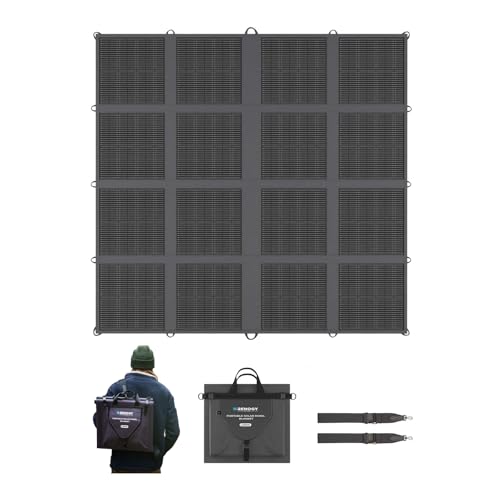
Renogy 400W Portable Solar Panel for Power Stations, N-Type Blanket

40W Portable Solar Panel Charger with USB C, USB A and DC Outputs

BougeRV 200W Portable Solar Panel, N-Type Foldable Solar Charger
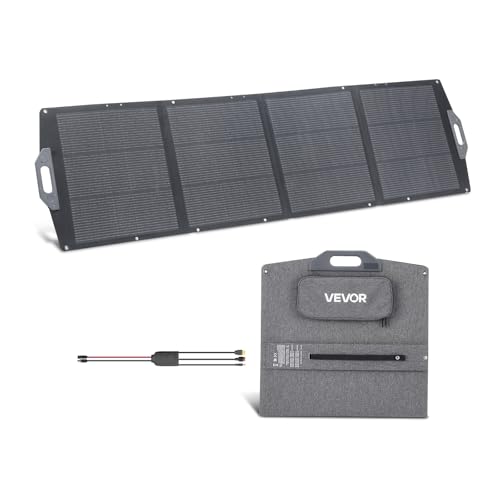
VEVOR 200W Foldable Solar Panel, 24% High-Efficiency Portable Charger
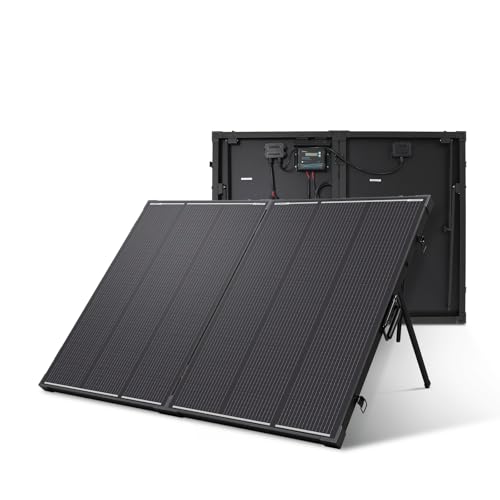
Renogy 200W Portable Solar Panel Kit for Power Station, N-Type Solar Suitcase
More Details On Our Top Picks
This 200W panel sits in the sweet spot for campers who run a power station, not just a phone. The kickstand helps you angle it at a campsite, and the USB-A plus Type-C outputs add some flexibility for small devices without extra adapters.
The IP65 rating means it’s built for dust and splashes, though that is still different from leaving it out in rough weather all day. You may find the foldable format a little bulky compared with a lighter phone-only panel, but the power output makes more sense for RV weekends and blackout backup.
Strong Points
- 200W output fits larger camping power needs better than smaller phone chargers.
- USB-A and Type-C ports cover direct charging for smaller gear.
- Kickstand design helps with campsite positioning and sun angle adjustments.
- IP65 protection adds useful peace of mind around dust and splashes.
- Works well for RV trips, off-grid cabins, and backup use at home.
Things To Consider
- Foldable panels this size take more storage room than 30W or 40W options.
- Direct USB charging helps with smaller devices, but larger setups still need the right controller or station.
- Carrying it from site to site takes a bit more effort than a backpack-size panel.
Feature Snapshot
Who It Suits Best
You want a portable panel for campsite power stations, RV use, or backup charging around a cabin.
Where A Sibling Pick Shines
Renogy 200W Portable Solar Panel Kit for Power Station fits better when you want a solar suitcase with a 20A controller for 12V battery setups.
FlexSolar leans toward people who want one panel to handle more than one kind of small device. PD3.0 is a USB-C fast-charge standard, QC3.0 is a USB-A fast-charge standard, and the DC port adds another route for compatible gear, which is handy on mixed-kit trips.
Its IP67 rating is a step up in sealing from the simpler water resistance on many travel panels, so beach mist or sudden camp weather is less of a worry. The honest trade-off is that 100W still makes this a mid-size option, so it suits phones, banks, and compact power stations better than heavy campsite loads.
What We Like
- Three port types give you flexible charging choices in camp.
- IP67 sealing is reassuring for rougher outdoor conditions.
- 100W output fits portable power stations and personal electronics nicely.
- Foldable format stores more neatly than larger blanket-style panels.
Worth Noting
- It’s not built for the highest-demand off-grid setups.
- Port-heavy designs can mean a little more cable sorting at camp.
- Fold-and-stow care matters, especially if you pack fast between stops.
Core Details
Made For
You travel with phones, battery banks, and a compact power station, and you want one panel that handles them without much fuss.
A Better Fit Elsewhere
Renogy 400W Portable Solar Panel suits campers who need far more output for longer stays or larger electrical loads.
This is the sort of panel you notice most on a day hike or a light camping trip, because it keeps the footprint modest. The built-in smart chip is there to identify connected devices and manage charging behavior, which matters more than it sounds when you’re topping up a phone in uneven sunlight.
Its auto-reconnect feature also helps after clouds or tree cover interrupt the flow, so you don’t have to babysit it constantly. The trade-off is obvious, though, 30W is great for smaller gear, but it won’t satisfy anyone trying to support a bigger station or a campsite full of electronics.
Positives
- 30W output keeps the panel light-duty and pack-friendly.
- USB-A and USB-C support cover common phone charging needs.
- Smart-chip control helps match charging to connected devices.
- Auto-reconnect behavior is useful in changing daylight conditions.
- IPX5 protection adds practical resistance around outdoor splashes.
Areas To Watch
- Small output limits it to phones, banks, and similar devices.
- It’s less suited to power stations that expect higher solar input.
- Like most foldable panels, it rewards careful storage so the hinges stay tidy.
Details At A Glance
Built With In Mind
You want a light panel for weekend camping, hiking trips, or top-ups for phones and battery packs.
Where Another Pick Suits Better
FlexSolar 100W Foldable Portable Solar Panel Charger suits you better once your trips involve a power station or more than one device at a time.
Renogy’s 400W blanket-style panel is the big-output choice in this lineup, and that matters the moment your campsite setup starts to look more like a small home system. Backpack-size folding sounds odd at first, but it points to a design that aims to pack down smaller than its output suggests.
For RV use, marine setups, or long stays where you lean on a power station, the higher wattage gives you more breathing room. The compromise is plain: more panel means more handling, more space, and less casual carry than the 100W or 30W options.
Upsides
- 400W output is built for larger portable power demands.
- N-Type panel design is paired with high stated efficiency.
- Foldable blanket form packs more neatly than rigid panels of similar output.
- Works well for RV, pickup, marine, and extended camp use.
Small Caveats
- More output usually means more bulk to move and store.
- It’s better matched to serious power setups than casual day trips.
- Careful unfolding and stowing help keep a large panel in good shape.
Technical Sheet
Right Fit For
You need serious portable solar support for an RV, truck bed, boat, or a long off-grid stay.
Another Choice May Suit
Renogy 200W Portable Solar Panel Kit for Power Station is the easier fit for smaller battery systems and more manageable carry weight.
MHPOWOS keeps this one focused on everyday utility, especially for campers who want a compact solar charger for phones and a power bank. The USB-C, USB-A, and DC layout gives you a simple spread of options, so you can carry fewer adapters on a light pack-out.
Its ultra-compact framing makes it easier to stash than the bigger 100W and 200W panels above it. The trade-off is output, of course, because 40W makes sense for personal electronics and small gear, not for a campsite trying to run everything at once.
Best Bits
- Compact build is well suited to backpacks and lighter travel.
- USB-C, USB-A, and DC outputs cover common charging needs.
- IP65 protection helps for dusty or drizzly camp conditions.
- Works nicely as a phone and power-bank charger.
Softer Spots
- 40W output keeps it in the small-device lane.
- It asks for careful folding and storage to keep the panels tidy.
- Heavy users will likely outgrow it quickly.
Feature Rundown
Who Should Grab It
You want a compact charger for backpack camping, hiking, or keeping a phone topped up between stops.
Look Elsewhere When
SOLUPUP Solar Panels 30W Portable Foldable Solar Charger makes more sense for the smallest carry setup, while Renogy 200W Portable Solar Panel fits larger power stations much better.
BougeRV takes a familiar 200W camping format and adds a fiberglass layer, which matters more than it sounds when the panel gets folded, moved, and set down on uneven ground. Fiberglass is a stiff reinforcing material, so the practical upside is a sturdier feel without turning the panel into a rigid board.
That makes this a sensible middle ground for rougher campsite handling, especially for RV users who move gear in and out often. The flip side is that you’re still dealing with a full-size 200W panel, so storage and carry space remain part of the equation.
Highlights
- 200W output suits campsite battery charging and RV power use.
- Fiberglass reinforcement adds a more confidence-inspiring structure.
- Foldable design helps the panel store better than rigid panels.
- IP65 protection is useful around dust and light moisture.
Points To Note
- It still needs room, both folded and when opened at camp.
- Fiberglass adds structure, but it doesn’t remove the need for careful handling.
- It makes more sense for planned camp setups than quick grab-and-go use.
Core Details
The Right Fit
You camp often enough to care about a sturdier-feeling 200W panel, but you still want something that folds away.
Swap It Out When
Renogy 400W Portable Solar Panel is the better move for bigger electrical loads, while MHPOWOS 40W Portable Solar Panel Charger is easier for very light pack travel.
VEVOR gives you a mix that works well for camp setups with more than one kind of gear. MC4 is a common solar connector used for linking panels to power stations or controller setups, and the presence of USB-A, Type-C, and DC ports means you can spread charging duties around.
That versatility is useful on a group trip, where one device needs a direct panel connection and another just wants a quick cable charge. The trade-off is that mixed-port panels can encourage a cluttered cable bag, so a little organization goes a long way.
Reasons To Buy
- MC4, USB-A, Type-C, and DC options widen compatibility.
- 200W output supports larger portable charging setups.
- 24% efficiency is a strong stated figure for a portable panel.
- IP67 sealing is reassuring around harsher outdoor conditions.
Room For Improvement
- More connection options can mean more cables to manage.
- It’s better suited to organized camp power than casual phone-only use.
- Port flexibility helps, but it still takes some planning to use well.
Feature Card
Whose Shelf It Belongs On
You want one folded panel that can serve a power station and still handle smaller device charging at camp.
Where A Sibling Pick Shines
FlexSolar 100W Foldable Portable Solar Panel Charger is simpler for lighter travel, while Renogy 400W Portable Solar Panel better fits bigger off-grid loads.
This Renogy kit looks like the most complete pick for campers who want solar to behave more like part of a system than a standalone panel. The 20A charger controller is the key piece here, because it helps manage charging between the panel and a 12V battery or power station setup.
Tempered glass gives the panel face a more rigid, protective feel than the softer fold-only options in this roundup. That sturdiness is useful for planned RV or off-grid use, though the suitcase style does ask for a little more room and a more deliberate setup routine.
Standout Traits
- Kit format includes a 20A charger controller for easier system setup.
- Tempered glass adds a firmer, more durable-feeling panel face.
- 200W output suits camping power stations and 12V battery use.
- High stated efficiency gives it strong appeal for serious camp power.
Honest Caveats
- Suitcase-style gear takes more setup than a simple folding charger.
- Better for planned power systems than grab-and-go phone charging.
- Heavier structure usually means a little less casual portability.
Feature Rundown
Perfect Match For
You want a more system-focused solar setup for an RV, off-grid camp, or battery-based power station.
Another Choice May Suit
Renogy 200W Portable Solar Panel, N-Type Foldable Panel with Kickstand works better for you if you want a simpler panel-first approach without the suitcase setup.
How To Choose The Right Portable Solar Panels For Camping
Match Output To Real Camp Needs
Panel wattage sets the ceiling for what you can realistically charge. A 30W or 40W panel works for phones, lights, and small banks, while 100W starts to make sense for compact power stations and 200W or 400W suits larger camp systems.
That’s the first filter because it stops you from paying for capacity you’ll never use. Campers who only top up electronics usually don’t need a suitcase-sized panel, and RV users usually outgrow tiny phone-focused gear quickly.
Check The Port Layout Before You Pack
USB-A, USB-C, DC, and MC4 each solve a different part of the charging puzzle. USB ports help with direct device charging, DC works with some camping gear, and MC4 is common for linking panels to controllers or stations.
The practical payoff is fewer adapters and less mess at camp. The trade-off is that more ports can also mean more cable organization, so mixed-gear setups benefit from a small pouch or labeled leads.
Look At Portability In Three Ways
Portable does not mean the same thing across this category. A 30W folding charger slips into a pack more easily, a 100W panel asks for more room, and a 200W or 400W unit usually needs planned storage in a vehicle or RV.
Weight, folded dimensions, and how the panel opens matter just as much as the wattage on the label. Backpack campers and day hikers usually want compactness first, while car campers can tolerate a larger footprint for better output.
Choose The Build For Your Weather Pattern
IP65, IP67, and IPX5 are water-resistance ratings, and they tell you how sealed the product is against dust and moisture. Higher numbers generally mean stronger protection, though they still don’t turn a solar panel into something you should leave exposed without care.
For humid campsites, coastal trips, or unpredictable weather, a stronger seal is worth paying attention to. The best match is the panel you can store, unfold, and dry off without babying it every time the clouds roll in.
Things Worth Knowing First
Mistakes Worth Dodging
A common slip is choosing a panel by wattage alone and ignoring the gear you actually own. A power station, a 12V battery, and a phone all ask for different connection styles, so the connection path matters as much as the panel size.
Another easy miss is forgetting storage space in the vehicle or tent. Bigger folding panels bring more output, but they also bring more surface area, more handling, and more chance of clutter if your camp setup is tight.
The Upgrade Payoff
Higher-tier panels usually cost more because they bring stronger output, sturdier materials, or more complete control gear. N-Type cells, tempered glass, fiberglass layers, and included charger controllers all add parts, refinement, and usefulness in real camp setups.
The upgrade is worth it when you camp often, travel off-grid, or rely on a power station for more than phone charging. A basic panel makes sense for light use, while a more expensive kit starts paying back through easier setup and better match with your electrical load.
Frequently Asked Questions
What wattage works best for camping?
That depends on what you plan to charge, but 30W to 40W suits phones and small banks. For power stations and longer trips, 100W or 200W usually makes more sense.
Do waterproof ratings matter much outdoors?
They matter a lot around dust, dew, and surprise weather changes. IP67 gives stronger sealing than IP65, while IPX5 still helps for lighter splash exposure.
Is USB charging enough for camp use?
USB charging is fine for phones, earbuds, and banks. Larger power setups usually need DC or MC4 connections instead.
What’s the difference between a foldable panel and a suitcase kit?
A foldable panel usually aims for lighter carry and simpler packing. A suitcase kit often adds controller gear and a more system-ready layout.
Can one panel handle both a phone and a power station?
Some can, especially models with multiple outputs or MC4 support. The panel still needs to match the station’s input needs, so the connection path matters.
Final Thoughts
The right portable solar panel for camping depends less on the headline wattage and more on how you travel. Small panels fit lighter packs and phones, mid-size options suit mixed gear, and the larger Renogy kits make more sense for RVs, long stays, and power stations. You can narrow this down quickly by checking output, port type, and folded size before anything else. Once those line up with your camp routine, the rest gets much easier.
