

RVs, vans, cabins, and backup setups all ask something similar from a 200-watt panel, steady charging without turning your roof or cargo space into a project. The right choice depends on whether you want portability, roof mounting, or a more rugged panel that can handle dust, rain, and daily movement. This roundup keeps the focus on fit, mounting style, and real-world use, so you can match the panel to how you travel.
Quick Look At The Shortlist

Renogy 200W Portable Solar Panel, IP65 Foldable Solar Panel with Kickstand

Renogy Solar Panels 200 Watt, N-Type 16BB Panel for 12V/24V Systems
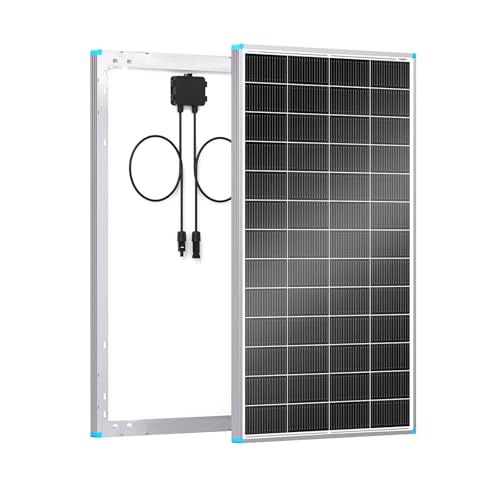
RENOGY REGO 200 Watt Solar Panel N-Type, 25% High Efficiency 16BB

DOKIO 200W Foldable Solar Panel Suitcase with Charge Controller, Gray

Callsun N-Type 16BB 400W Bifacial Solar Panel, 2Pcs 200 Watt Modules
Renogy Solar Panels 200 Watt N-Type, 200W Solar Cell Panel 16BB
More Details On Our Top Picks
Portable panels make sense for travel days, and this Renogy foldable setup leans hard into that use. The kickstand style helps you angle it without much fuss, while the USB-A and USB-C outputs add a little flexibility for smaller devices around camp. The IP65 rating points to dust and water resistance, which matters more than it sounds when your setup lives outside the whole weekend.
The trade-off is obvious, though, because a foldable panel asks you to carry, open, and store it every time. That extra handling suits a camper or blackout setup far better than a roof-mounted system that stays put. Compared with the rigid Renogy and Callsun panels below, this one is the most travel-friendly choice for people who want solar they can move around.
What We Like
- Foldable layout makes quick setup easier at camp.
- Kickstand support helps you angle the panel for better sun exposure.
- USB-A and USB-C outputs add convenience for small gear.
- IP65 resistance fits outdoor use better than a bare indoor-friendly panel.
Things To Consider
- You need storage space for transport and daily packing.
- Portable panels usually ask for more handling than roof-mounted modules.
- The better fit depends on whether you value mobility over permanence.
Feature Snapshot
Who It Suits Best
Weekend campers, van travelers, and anyone who wants a movable panel for outage backup will get the most out of this one.
Where A Sibling Pick Shines
Renogy Solar Panels 200 Watt, N-Type 16BB Panel for 12V/24V Systems suits a roof-first setup better, especially for a van or RV that stays parked and wired.
This Renogy panel shifts from portable convenience to a more permanent roof-ready setup. The N-type cell layout and 16-busbar design, where busbars are the thin conductive lines that help carry current across the panel, point to a more refined panel structure than a basic travel model. For RV roofs, cabin mounts, or marine installs, that usually matters more than a foldable frame.
The IP67 rating also gives it a tougher environmental stance than the portable pick above, and that tends to matter in wet, dusty, or fixed outdoor installs. The honest read is that it suits a system you plan to leave in place, not one you want to carry from site to site. Compared with the Renogy portable panel, this one is better for set-and-forget ownership.
Highlights
- N-type cell design supports a more efficient panel layout.
- IP67 protection fits exposed roof and marine use.
- Works with 12V and 24V battery systems.
- Cleaner fit for permanent RV or cabin mounting.
Minor Gripes
- Roof mounting asks for more planning than a foldable panel.
- Less convenient for travel setups that change location often.
Core Details
Made For
RV owners, cabin builders, and marine setups that stay mounted and wired will get the most from this panel.
Look Elsewhere When
DOKIO 200W Foldable Solar Panel Suitcase with Charge Controller, Gray suits travelers who want a panel they can pack away after each use.
REGO sits in the same roof-mounted camp as the previous Renogy panel, but it leans into a more polished installation profile. The 25 percent efficiency claim and 16BB structure matter most for people trying to get strong output from limited roof space, which is a common problem on vans and compact trailers. IP67 protection keeps the focus on fixed outdoor use rather than grab-and-go portability.
That makes it a sensible match for builders who care about a neater mounted array and a premium-feeling module. The trade-off is that it offers less flexibility than the foldable DOKIO suitcase, so it rewards people who know where the panel will live. For a roof-first setup, it feels like a tidy step up in finish.
Bright Spots
- High-efficiency design helps stretch limited roof space.
- 16BB layout supports a cleaner panel architecture.
- IP67 protection suits exposed outdoor installations.
- Works well for RV, boat, and trailer roofs.
Areas To Watch
- Permanent placement needs planning and proper mounting hardware.
- Less convenient than a foldable panel for mixed-use travel.
At A Glance
Whose Shelf It Belongs On
Van builders, RV owners, and boat setups that want a permanent panel with a cleaner appearance will feel right at home here.
Swap It Out When
Renogy 200W Portable Solar Panel, IP65 Foldable Solar Panel with Kickstand fits better for campers who need to move their panel between shade, sun, and storage.
DOKIO goes after practical storage first, and that matters for RVs, boats, and emergency kits. A 30 x 26 inch folded footprint and 26-pound weight give you a clearer sense of what you’re dealing with before it ever leaves the closet. The included charge controller is a useful touch, especially for newcomers who want fewer separate parts to sort out.
Compared with the Renogy portable panel, this one feels more like a suitcase-style workhorse than a lightweight grab-and-go panel. The trade-off is that suitcase designs can still feel bulky, even when folded, so narrow storage spaces deserve a second look. For people who value organization and a built-in controller, it’s an easy model to understand.
Reasons To Buy
- Folded suitcase form stores more neatly than a loose panel setup.
- Charge controller included, which simplifies first-time installation.
- Useful for RVs, boats, campsites, and backup power kits.
- Clear folded size helps you plan storage space before purchase.
Points To Note
- At 26 pounds, it asks for some lifting confidence.
- Bulkier than a flat roof panel once packed away.
- Storage in tight compartments may take a little planning.
Quick Facts
The Right Fit
New RV owners, weekend campers, and backup-power setups that need a tidy storage plan will appreciate this format most.
Another Choice May Suit
Renogy Solar Panels 200 Watt, N-Type 16BB Panel for 12V/24V Systems is a better match for permanent roof installs that stay in one place.
This Callsun set stands apart because you’re not looking at a single 200-watt module, you’re looking at two 200-watt panels sold together. Bifacial design means the panel can capture light from both sides, which can be useful in reflected-light setups like bright rooftops or open mounting spaces. The anti-shade layout is a real plus for travel rigs where vents, rails, or branches can interrupt sunlight part of the day.
The catch is that this is more of an array-building option than a simple one-panel choice. It makes sense for a larger van, RV, or home roof where you want more total output and have space to place the modules properly. Compared with the single Renogy options, this is the more ambitious setup and the more demanding one to plan.
Best Bits
- Two-panel package supports a larger solar layout.
- Bifacial design can make use of reflected light.
- Anti-shade layout helps in mixed-light conditions.
- Works for RV, marine, home, and off-grid roofs.
Small Caveats
- Installation takes more planning than a single-panel option.
- You need enough roof or ground space for both modules.
- Best suited to a system built for expansion.
Technical Sheet
Built With In Mind
Off-grid projects, larger roof arrays, and shoppers who want more total panel coverage will get the most from this set.
Reach For A Different Pick When
DOKIO 200W Foldable Solar Panel Suitcase with Charge Controller, Gray fits better for smaller storage spaces and frequent setup changes.
This Renogy module lands in a useful middle ground for vans, cabins, and roof-mounted battery systems. The N-type cell structure and 16BB layout point to a more modern panel build, while the 12V/24V match keeps it friendly with common off-grid electrical plans. It feels like a sensible panel for someone who wants a stable roof module without stepping into the more specialized REGO or bifacial setups.
Because it’s presented as a straightforward PV module, it suits owners who prefer simple integration and a clean, permanent install. The trade-off is that you don’t get the fold-up convenience of the portable Renogy model, so storage and transport are no part of the appeal. For many Class B vans and home roofs, that plainness is exactly the point.
Standout Traits
- Good fit for fixed rooftop electrical systems.
- N-type construction gives it a more current panel design.
- 16BB layout supports smoother current movement across the module.
- Works across class B vans, cabins, and home roofs.
Honest Caveats
- Not as easy to move as a foldable suitcase panel.
- Permanent mounting takes planning and roof space.
Details At A Glance
Who Should Grab It
You get the most from this panel when your roof space is fixed and your wiring plan already points toward a permanent install.
Where Shoppers Go Wrong
Callsun N-Type 16BB 400W Bifacial Solar Panel, 2Pcs 200 Watt Modules is the better fit for larger layouts that want more total coverage from the start.
How To Choose The Right 200 Watt Rv Solar Panels
Match The Panel Style To Your Travel Rhythm
Portable panels fit campers, van lifers, and outage kits that need flexibility. Roof-mounted panels suit setups that stay parked, wired, and exposed to sun for long stretches.
The difference is not just convenience, it affects daily use. A foldable panel takes more handling, while a rigid module saves setup time and tends to look cleaner on the roof.
Pay Attention To Cell Design And System Voltage
N-type panels are a modern solar cell format, and 16BB means 16 busbars, the thin conductive strips that help move current across the module. Those details matter because they point to the build style behind the panel, not just the wattage on the label.
Voltage match matters just as much. A 12V/24V panel fits common RV and off-grid systems more naturally, so you spend less time making the parts work together.
Think About Weather Exposure And Mounting Space
IP65 and IP67 tell you how well a panel resists dust and water intrusion, which matters on roofs, boats, and campsites. Higher protection is useful in rougher outdoor conditions, but it usually comes with a more fixed product shape.
Space also changes the choice. A two-panel bifacial setup like the Callsun set asks for more room and more planning, while a suitcase-style panel is easier to tuck away in a storage bay.
Choose For Daily Use, Not Just Output
Wattage matters, but so does how often you’ll move the panel, clean it, and store it. A compact foldable model makes sense for weekend trips, while a roof panel is better for owners who want a steadier routine.
The right choice usually feels obvious once you picture a real day with it. You either want a panel that disappears into the roofline, or one that folds into the back of the rig and tags along wherever you go.
Things Worth Knowing First
Mistakes Worth Dodging
Many shoppers focus on wattage alone and miss the mounting style. That leads to awkward installs or storage headaches, especially in smaller vans and trailers.
Another common miss is ignoring system match. A 12V/24V panel makes planning easier, but your controller, battery bank, and cables still need to line up cleanly.
When Paying More Pays Off
Higher-tier panels usually cost more because of cell type, protection rating, and layout refinement. N-type cells, 16BB construction, and bifacial designs add complexity, and that often shows up in the final price.
That extra spend makes sense for roof-mounted rigs, marine use, or any setup that lives outside a lot. For occasional camping, a simpler foldable panel can be enough without adding complexity you won’t use.
Frequently Asked Questions
What does a 200-watt RV solar panel usually power?
That depends on the battery bank, sun exposure, and what you plug in. It’s a practical size for charging smaller appliances, lights, fans, and power stations in everyday travel use.
Are portable panels better than roof panels?
Portable panels help when you want to chase sunlight or store the panel after use. Roof panels suit a permanent setup that stays mounted and ready.
Why does IP67 matter?
IP67 signals stronger resistance to dust and temporary water exposure than a basic outdoor rating. That matters most on roof installs, marine setups, and other exposed locations.
What is 16BB on a solar panel?
16BB means 16 busbars, the conductive lines that help gather and move current through the module. More busbars can support a cleaner internal layout and better electrical flow.
Should you choose one 200-watt panel or two 200-watt panels?
One panel keeps the setup simpler and easier to place. Two panels suit larger roof layouts and owners who want more total coverage.
Final Thoughts
The best 200 Watt Rv Solar Panels for your setup come down to how you travel, where you mount, and how much storage room you want to give up. A foldable panel suits mobile use, while a rigid roof module makes more sense for a parked RV or cabin. The Callsun bifacial set stands out for larger arrays, but the simple Renogy options are easier to live with for most common rigs. Pick the format that fits your routine, and the rest gets much easier.
