

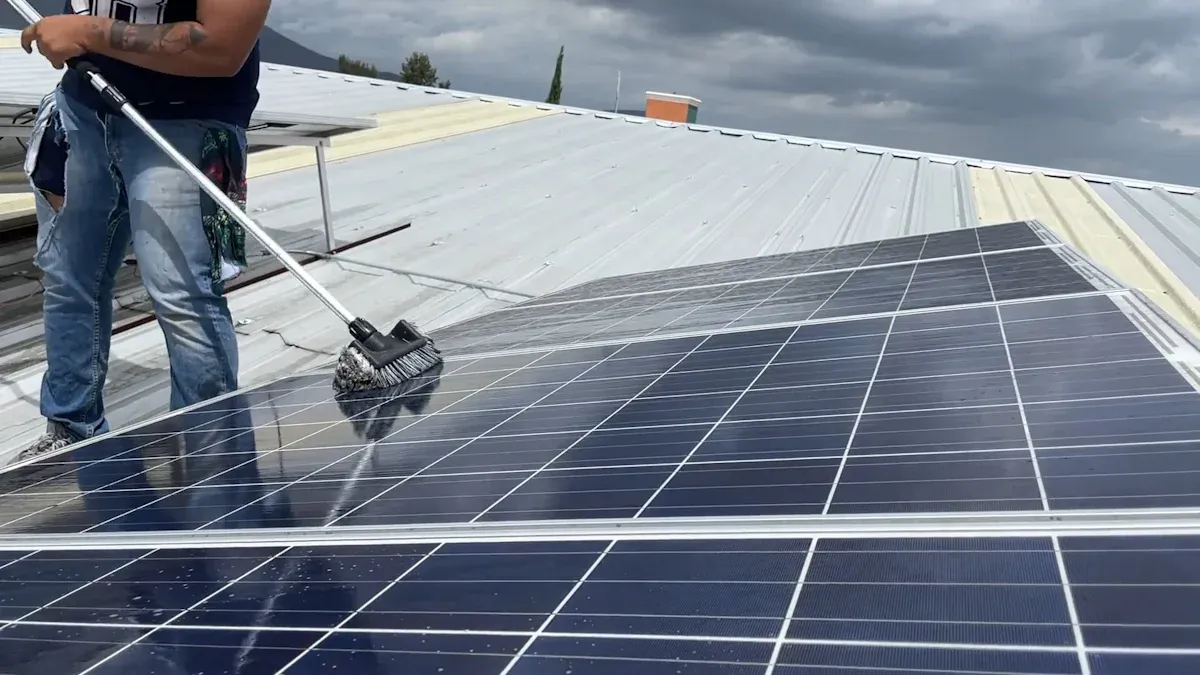
Maintaining your solar-powered tools is crucial for their efficiency and longevity. To effectively maintain your tools, proper care helps you avoid common concerns like inverter malfunctions, wiring damage, and mechanical panel issues. Neglecting maintenance can lead to significant performance problems. Regular inspections and proactive management can safeguard your investment and ensure a higher return on your investment. Here are some common concerns you might face:
Concern | Description |
|---|---|
Inverter malfunctions | Can significantly reduce power generation and should be handled by experienced professionals. |
Wiring damage | Timely repair is crucial to prevent safety hazards and ensure system efficiency. |
Mechanical panel damage | Must be promptly repaired to maintain power output and safety. |
Circuit breaker issues | Can disrupt power conversion and pose safety risks. |
Wear and degradation | Compounds the need for vigilant maintenance to ensure sustained performance. |
Key Takeaways
Regular maintenance of solar-powered tools enhances their efficiency and lifespan. Schedule inspections to catch issues early.
Clean solar panels at least twice a year to prevent dirt buildup. Use non-abrasive methods and clean during cooler hours.
Monitor battery health by checking charge levels and avoiding extreme temperatures. Proper care can significantly extend battery life.
Inspect wiring and connections regularly to prevent safety hazards. Look for signs of wear or damage to ensure safe operation.
Prepare your solar tools for seasonal changes. Clean panels before winter and monitor performance during summer heat.
Understanding Your Tools
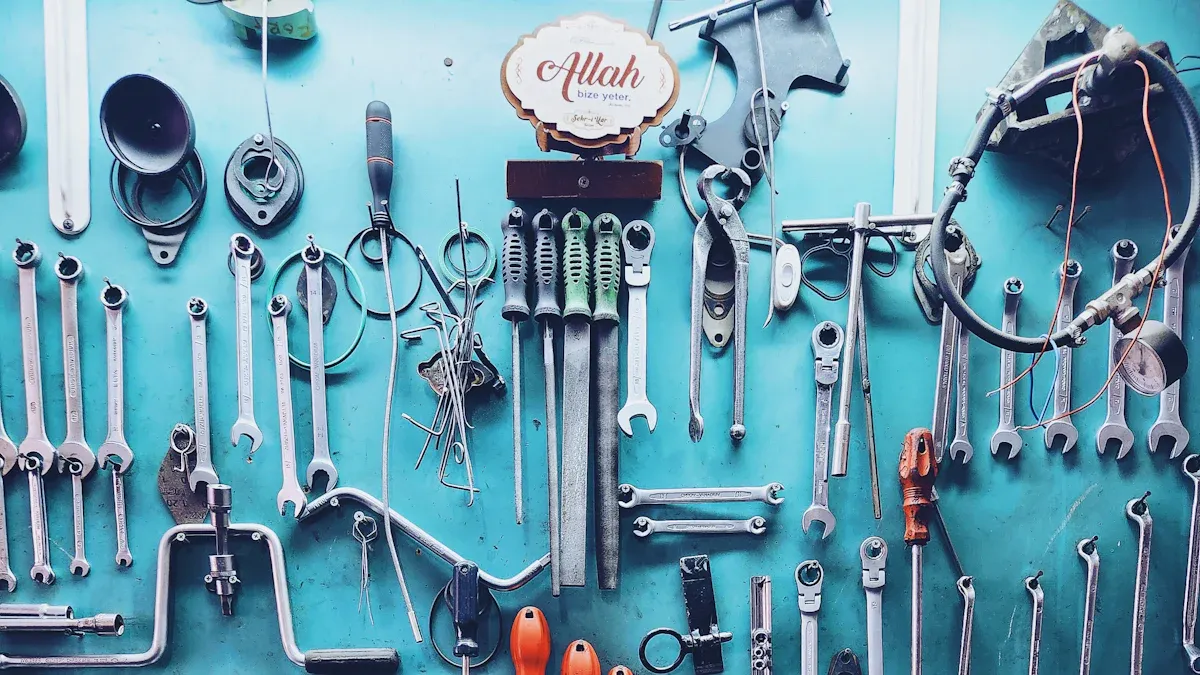
How Solar Power Works
Solar power tools harness energy from the sun to operate. They use solar panels to convert sunlight into electricity. This process begins with photovoltaic cells in the panels absorbing sunlight. The cells then generate direct current (DC) electricity. An inverter converts this DC electricity into alternating current (AC) electricity, which powers your tools. By using solar energy, you reduce reliance on traditional power sources.
Benefits of Solar Tools
Using solar-powered tools offers several advantages over traditional electric or gas-powered options. Here are some key benefits:
Cost Savings: You save money in the long run by not needing gas or oil. Lower maintenance costs also contribute to your savings.
Noise Reduction: Solar tools operate quietly compared to gas-powered tools. This feature minimizes disturbances, making your work environment more pleasant.
Improved Efficiency: Advances in battery technology have made solar tools easier to start and increasingly powerful. You can enjoy maximum output efficiency with modern solar tools.
Lower Carbon Footprint: Solar tools significantly reduce emissions compared to gas tools. This reduction is especially notable when you pair them with solar energy production.
By choosing solar-powered tools, you not only enhance your energy efficiency but also contribute to a healthier planet. Embracing solar technology allows you to work smarter while being environmentally conscious.
Maintenance Tips
Solar Panel Maintenance
To maintain your tools effectively, start with solar panel maintenance. Regular cleaning is essential to prevent dust and dirt from accumulating. This buildup can hinder solar panel efficiency. Here are some tips for effective solar panel maintenance:
Clean your panels regularly to ensure optimal performance.
Use non-abrasive methods to dry-clean before applying water.
Clean during cool hours, like early morning or dusk, to avoid thermal stress.
Use deionized water to prevent mineral residue from forming.
Monitor your solar output after cleaning to assess recovery in energy production.
By following these steps, you can enhance the efficiency of your solar panels and prolong their lifespan.
Battery Care
Battery care is another critical aspect of maintaining your solar-powered tools. Proper battery management can significantly extend battery life. Here are some effective maintenance tasks:
Limit the number of batteries in the bank to reduce resistance.
Rotate batteries periodically to balance charging across all cells.
Use large battery interconnect cables to minimize resistance.
Avoid leaving batteries uncharged for extended periods.
Ensure proper charging practices are followed.
Temperature extremes can lead to battery degradation. High temperatures accelerate chemical reactions, while low temperatures slow them down. Monitor your battery’s performance regularly to catch any issues early. Practicing smart energy use, such as running heavy appliances during the day, can also help maintain battery health.
Connection Checks
Regular connection checks are vital for ongoing operational efficiency. Faulty connections can lead to intermittent power production and system shutdowns. Here are some signs of faulty connections to watch for:
Intermittent power production
System shutdowns during certain weather conditions
Burn marks around connection points
If you notice any of these signs, shut off your system immediately and call a qualified solar technician. Never attempt to repair wiring issues yourself. Loose connections create resistance, leading to heat buildup and potential fire hazards. Regular inspections can help you detect these issues quickly, ensuring your tools operate safely and efficiently.
By implementing these maintenance tips, you can keep your solar-powered tools in top shape, enhancing their performance and longevity.
Solar Panel Cleaning
Cleaning Techniques
Regular solar panel cleaning is essential for maintaining efficiency. Dust, dirt, and debris can accumulate on the surface, blocking sunlight and reducing energy output. You should clean your panels at least twice a year, but more frequent cleaning may be necessary in dusty areas or locations with heavy bird activity. Here are some effective cleaning methods:
Cleaning Method | Description |
|---|---|
Robotics | Automatic and semi-automatic robots clean solar panels using soft microfiber and airflow, avoiding water damage. |
Soap-less brushes and sponges | Deionized water with brushes cleans panels without soap, preventing residue that attracts dirt. |
Waterless vibration | Vibration technology shakes off dust from panels, developed by scientists at Heriot-Watt University. |
Nanoparticle coatings | Coatings repel dust, allowing it to be washed off easily and maintaining panel efficiency. |
By keeping your panels clear, you can restore or enhance their efficiency. Studies show that dirty panels can lose efficiency, with losses ranging from 15% to 25%. In high-dust areas, cleaning can increase efficiency by up to 35%. Regular cleaning helps maintain up to 95% of your panels’ rated efficiency.
Inspecting for Damage
While cleaning, you should also inspect your solar panels for any signs of damage. Look for cracks, scratches, or loose connections. These issues can affect performance and safety. If you notice any damage, address it promptly to avoid further complications.
Regular inspections help you catch problems early. This proactive approach ensures your solar-powered tools operate safely and efficiently. Remember, maintaining your solar panels not only enhances their performance but also extends their lifespan.
Common Issues
Performance Problems
You may encounter several performance problems with your solar-powered tools. These issues can affect efficiency and overall functionality. Here are some common performance problems you might face:
Performance Problem | Description |
|---|---|
Reduced Power Output | You may notice a drop in energy production due to dirt, shading, faulty connections, or aging inverters. |
Cracks or Physical Damage | Look for visible cracks or discoloration caused by weather events or poor installation. |
Hot Spots on Panels | Areas of your panels may feel warmer than others, indicating shading or electrical resistance issues. |
Inverter Problems | Symptoms include error codes, unusual sounds, or no power despite sunny conditions. |
Battery Storage Problems | Issues may arise when batteries do not hold a charge or drain faster than expected due to degradation or poor maintenance. |
To troubleshoot these performance issues, follow these steps:
Check Your Energy Production: Monitor the system’s energy output regularly.
Inspect for Obstructions: Ensure no shading from trees or buildings affects performance.
Examine the Panels and Connections: Look for damage and clean the panels as needed.
Check the Inverter: Look for any error messages or warning lights.
Monitor Temperature Effects: Ensure proper installation to manage temperature fluctuations.
By addressing these common performance problems, you can maintain optimal performance and efficiency in your solar-powered tools.
Battery Issues
Battery issues can also impact the functionality of your solar-powered tools. Here are some typical battery-related problems you might encounter:
Overcharging: This occurs when a battery receives more energy than it can store, leading to overheating and reduced lifespan.
Undercharging: Insufficient energy can result in reduced functionality and a shorter lifespan.
Capacity Loss Over Time: Batteries naturally lose their ability to hold a charge as they age.
To effectively address battery issues, consider these solutions:
Solution Type | Description |
|---|---|
Battery Monitors | These devices track charge levels, preventing overcharging and undercharging. |
Battery Management Systems | They prevent voltage imbalances and optimize charging for each battery, enhancing overall performance. |
Temperature Control | Use cooling systems to maintain optimal operating temperatures and prevent heat damage. |
Regular Maintenance | Routine checks on battery terminals, voltage levels, and electrolyte levels ensure longevity. |
By implementing these strategies, you can enhance the longevity and efficiency of your batteries, ensuring your solar-powered tools operate effectively.
Seasonal Care
Winter Preparation
Preparing your solar-powered tools for winter is essential to maintain their efficiency and performance. Follow these steps to ensure your tools are ready for the cold months:
Inspect your solar panels for damage. Look for cracks or loose connections that could worsen in cold weather.
Clean your panels before the first snowfall. Dirt and debris can block sunlight, reducing energy absorption.
Invest in a snow removal tool. This tool helps you clear snow from your panels to maximize sunlight exposure.
Check your inverter and monitoring system. Ensure they function correctly to avoid issues during winter.
Protect your battery backup system. Cold temperatures can reduce battery efficiency, so keep them in a temperature-controlled environment.
Inspect wiring and connections. Look for any signs of wear or damage that could lead to performance issues.
Adjust the tilt of your panels if possible. A steeper angle can help snow slide off more easily.
Keep your panels clear of shade. Trim any nearby trees or bushes that might block sunlight.
Optimize energy usage during winter. Use energy-efficient practices to make the most of your solar power.
Schedule professional maintenance. A technician can help ensure everything is in top shape.
Summer Checks
Summer brings its own challenges for solar-powered tools. High temperatures can affect performance, so take these precautions:
Monitor your solar panels for efficiency loss. When temperatures exceed 25°C, you may lose about 0.30-0.50% efficiency for each degree Celsius increase.
Inspect for signs of overheating. Look for hot spots on panels, which can indicate potential damage.
Ensure proper ventilation around your inverter. Extreme heat can lead to solder bond failures and encapsulant degradation.
Check battery performance regularly. High temperatures can cause batteries to degrade faster, so keep them cool.
Clean your panels more frequently. Dust and debris can accumulate quickly in summer, blocking sunlight and reducing output.
By following these seasonal care tips, you can enhance the longevity and efficiency of your solar-powered tools throughout the year.
Proper Storage
Ideal Storage Conditions
Storing your solar-powered tools properly is essential for maintaining their efficiency and longevity. Aim for a temperature range of 15°C to 25°C for standard indoor storage. This range helps prevent battery degradation and ensures optimal performance. Here’s a quick reference for safe storage conditions:
Scenario | Temperature | SoC Target | Duration | Notes |
|---|---|---|---|---|
Short-term storage | 0°C to 35°C | 40%–60% | < 1 month | Avoid direct sun and hot vehicles. |
Standard indoor storage | 15°C to 25°C | 40%–60% | 1–6 months | Check SoC every 8–12 weeks. |
Cold storage | -10°C to 10°C | 50%–60% | 1–6 months | Do not charge below 0°C without approved heaters. |
Hot climates (mitigated) | 25°C to 30°C | 40%–50% | 1–3 months | Use a ventilated room. |
Transit & warehouse | -20°C to 45°C | 30%–50% | Per logistics window | Use UN-spec packaging. Monitor dwell times. |
Protecting from Elements
Environmental factors can significantly impact the longevity of your solar-powered tools. Dust and moisture can accumulate on surfaces, leading to reduced efficiency and potential damage. For instance, in harsh environments like deserts, dust can severely diminish energy output and cause physical damage to solar panels. To protect your tools, consider these tips:
Tip: Store your tools in a clean, dry area. This practice helps prevent moisture exposure, which can degrade components and lead to failures.
Ensure that your storage area is free from dust and debris. If you live in a particularly dusty area, consider using protective covers for your tools. These covers can shield them from dust accumulation and moisture exposure, extending their lifespan.
By following these storage guidelines, you can maintain the performance of your solar-powered tools and reduce the need for frequent maintenance.
Maintaining your tools is essential for optimal performance and longevity. Regular tasks include visual inspections, electrical assessments, and cleaning your solar panels. These practices help you catch small issues before they escalate.
Here are some key maintenance tasks to remember:
Maintenance Task | Description |
|---|---|
Visual inspection | Check all panels for cleanliness and inspect for physical damage, cracks, or corrosion. |
Electrical assessment | Test system components, inspect wiring for damage, and check electrical connections. |
Solar panel cleaning | Remove dirt and debris to maximize sunlight access; professional cleaning may be required. |
By implementing these tips, you can enjoy the benefits of solar tools, such as reduced carbon footprint and financial savings. Regular maintenance ensures your tools remain reliable and efficient for years to come.
FAQ
What should I do if my solar panels are dirty?
Clean your solar panels regularly to maintain efficiency. Use a soft brush or deionized water to avoid scratches. Clean during cooler hours to prevent thermal stress.
How often should I check my battery?
Inspect your battery every few months. Look for signs of corrosion, leaks, or swelling. Regular checks help you catch issues early and extend battery life.
Can I leave my solar tools outside?
You can leave solar tools outside, but protect them from extreme weather. Use covers to shield them from rain, snow, and excessive heat. Proper storage enhances their lifespan.
What are common signs of battery issues?
Common signs include rapid discharge, overheating, or swelling. If your battery fails to hold a charge, it may need replacement. Regular maintenance helps prevent these issues.
How can I improve my solar panel efficiency?
Keep your panels clean and free from debris. Trim nearby trees to reduce shading. Regular inspections and maintenance also help maximize energy output.
