

Portable solar generators are becoming increasingly popular, and for good reason. With the global market projected to grow from USD 240.62 billion in 2025 to USD 477.75 billion by 2031, it’s clear that many people see the value in these solar power solutions. You can enjoy eco-friendly energy while saving on long-term costs. But are these devices a worthwhile investment for you? Let’s explore the advantages and limitations to help you make an informed decision.
Key Takeaways
Portable solar generators provide eco-friendly energy by harnessing renewable solar power, reducing your carbon footprint.
Investing in solar generators can lead to long-term savings on fuel and maintenance costs, making them a cost-efficient choice.
Consider financing options to manage the initial investment, making solar generators more accessible for your budget.
While solar generators are versatile, they have power output limitations; ensure they meet your energy needs before purchasing.
Evaluate your specific requirements, such as price and power output, to choose the right solar generator for your lifestyle.
Advantages of Solar Generators

Eco-Friendly Energy
When you think about energy sources, the environment often comes to mind. Portable solar generators shine in this area. They harness renewable energy from the sun, which means you’re using a resource that won’t run out anytime soon. Here are some key points about their eco-friendliness:
Solar-powered generators produce no emissions during operation.
They help reduce your carbon footprint by generating zero emissions. In fact, a typical 2000Wh solar generator can prevent around 1,700 pounds of CO2 emissions annually compared to gas generators.
Their quiet operation minimizes noise pollution, making them perfect for peaceful outdoor settings.
By choosing a solar generator, you’re not just investing in a power source; you’re also contributing to a cleaner environment.
Cost Efficiency
Now, let’s talk about your wallet. Investing in portable solar generators can lead to significant savings over time. While the initial costs might seem high, consider the long-term benefits:
You won’t have to buy fuel, which can add up quickly with traditional generators.
Maintenance costs are generally lower since solar generators have fewer moving parts.
Many users report that they save money on electricity bills by using solar energy for their everyday needs.
Moreover, the versatility of portable solar generators makes them suitable for various situations. Whether you’re camping, tailgating, or need backup power during an outage, these devices can handle it all. Here’s a quick look at some applications:
Application | Description |
|---|---|
RVs | Ideal for providing power during road trips and camping adventures. |
Off-roading | Supports energy needs while exploring remote areas. |
Home backup power | Serves as a reliable power source during outages. |
Emergency situations | Useful for powering essential devices during natural disasters. |
Construction sites | Powers tools and equipment on job sites. |
Medical devices | Can run CPAP machines and other critical health equipment. |
Recreational use | Perfect for tailgating, parties, and outdoor events. |
With all these benefits, it’s clear that portable solar generators offer both eco-friendly energy solutions and cost efficiency. They’re not just a trend; they’re a smart investment for anyone looking to power their life sustainably.
Limitations of Portable Solar Generators
Initial Costs
While portable solar generators offer many benefits, the initial investment can be a significant hurdle for many. You might find that smaller generators start at around $500, but larger models can range from $1,500 to $5,000 or even more. This upfront cost can be daunting, especially if you’re on a tight budget.
Tip: Consider financing options! Financing allows you to keep some savings for emergencies while making monthly payments that can make higher-quality generators more accessible. Here are a few advantages of financing:
Solar loans reduce upfront costs, making solar generators more affordable.
Monthly payments are often lower than typical energy bills, leading to immediate savings.
Some loans come with subsidized rates, further enhancing affordability.
By exploring these options, you can make the investment in a portable solar generator more manageable.
Power Output Constraints
Another limitation to consider is the power output of portable solar generators. Most models have a minimum output of 300 watts, but for larger tasks, you’ll want at least 500 watts. This means that while they can handle small devices like lights and phone chargers, they may struggle with larger appliances.
When you think about powering your kitchen appliances, the power requirements increase significantly. For example, here’s a quick look at some common household devices and their power needs:
Device Type | Power Requirement (W) |
|---|---|
Electric Coolers | 40W – 60W (Continuous draw) |
Portable Stoves | 600W – 1500W (High draw) |
Electric Grills | 1200W – 1800W (Requires high-output models) |
You might find that while your solar generator can easily charge your phone or run a small fan, it may not be able to power larger appliances like microwaves or electric grills for extended periods. Additionally, weather conditions can affect performance. Cold temperatures can reduce battery capacity and slow down charging, making it harder to rely on your solar generator during winter months.
Cost Analysis of Portable Power Stations
Comparing Costs
When you think about investing in a portable power station, the upfront costs can be a bit shocking. However, comparing these costs to traditional gasoline-powered generators reveals some interesting insights. Check out the table below to see how they stack up:
Power Source | Upfront Cost | Cost to Run Per Outage | Total Cost Over 10 Years |
|---|---|---|---|
Pecron E3600LFP Power Station | $2,018 | $0.35 | $2,032 |
Basic 1200W Gas Generator | $200 | $25 | $1,200 |
As you can see, while the initial investment for a solar generator might be higher, the running costs are significantly lower. Over ten years, the total cost of the solar generator is only slightly more than the gas generator’s upfront cost. This shows that you can save money in the long run by choosing a solar option.
Long-Term Benefits
Investing in a portable solar generator isn’t just about the initial costs. You also need to consider the long-term benefits. Many users find that their solar generators pay for themselves over time. Here’s a breakdown of estimated payback periods based on typical usage patterns:
Application Type | Estimated Payback Period |
|---|---|
General Use | 1.5–3 years |
Outage Frequency & Electricity Pricing | 8–12+ years |
Residential Solar Applications | 5–8 years |
Fuel-Dependent Regions | 3–6 years |
Operating Hours & Energy Prices | 3–5 years |
These payback periods show that if you use your solar generator regularly, you could see a return on your investment in just a few years. Plus, you’ll enjoy the peace of mind that comes with using clean energy.
Real-Life Uses of Portable Solar Generators
Camping and Outdoor Activities
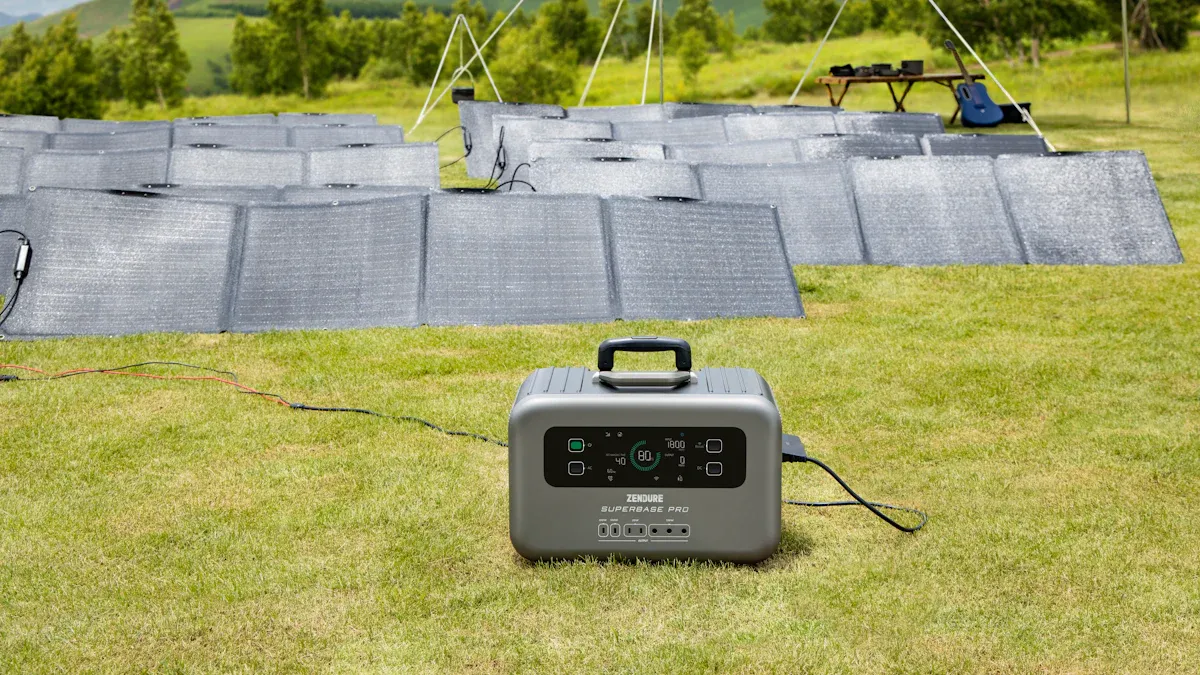
When you head out for a camping trip, having a reliable power source can make all the difference. Portable solar generators provide sustainable and dependable energy for longer camping adventures. They are perfect for remote camping and boondocking since they don’t require fuel or batteries. Here are some common uses during your outdoor activities:
Powering Lights: Keep your campsite bright and inviting.
Charging Devices: Recharge your phones, speakers, and even karaoke machines for nighttime fun.
Running Small Appliances: Use them to power coolers or small cooking devices.
One of the best features of solar generators is their quiet operation. You can enjoy the sounds of nature without the noise of a gas generator. Plus, they align with eco-friendly camping practices, leaving minimal impact on the environment.
Emergency Preparedness
In emergencies, having a backup power source is crucial. Portable solar generators can be a lifesaver during power outages. They kick in automatically, ensuring you have power when you need it most. Here’s how they compare to traditional backup generators:
Feature | Solar Batteries | Backup Generators |
|---|---|---|
Reliability | Kick in automatically during an outage | Reliable as long as fuel is available |
Dependency | Independent of fuel | Dependent on fuel availability |
With advanced battery technology, you can count on solar generators even in less-than-ideal weather conditions. They are easy to transport and set up, making them a convenient choice for any emergency situation.
Whether you’re camping or preparing for a power outage, portable solar generators offer safety and reliability. They ensure you stay connected and powered up, no matter where you are.
In summary, portable solar generators offer a mix of benefits and challenges. On the plus side, they provide eco-friendly energy, cost savings, and versatility for various situations. However, you should also consider the initial costs and power output limitations.
When deciding whether to invest, think about these key factors:
Key Factor | Description |
|---|---|
Price | The cost of the generator, which affects budget. |
Power Output | The amount of energy the generator can provide. |
Battery Capacity | The storage capacity of the generator’s battery. |
Brand Reputation | The reliability and trustworthiness of the brand. |
Ultimately, weigh your specific needs and circumstances. A portable solar generator can be a valuable backup power source, but it’s essential to choose the right one for your lifestyle.
FAQ
What can I power with a portable solar generator?
You can power small devices like phones, lights, and coolers. Some models can handle larger appliances, but check the wattage requirements first.
How long does it take to charge a solar generator?
Charging time varies by model and sunlight conditions. Typically, it takes 4 to 8 hours of direct sunlight to fully charge.
Are portable solar generators waterproof?
Most portable solar generators are not fully waterproof. However, they can withstand light rain. Always check the manufacturer’s specifications for water resistance ratings.
How long do solar generators last?
With proper care, solar generators can last 5 to 10 years. Battery life depends on usage and maintenance, so follow the manufacturer’s guidelines.
Can I use a solar generator indoors?
Yes, you can use a solar generator indoors. They produce no emissions, making them safe for indoor use. Just ensure proper ventilation for optimal performance.
