

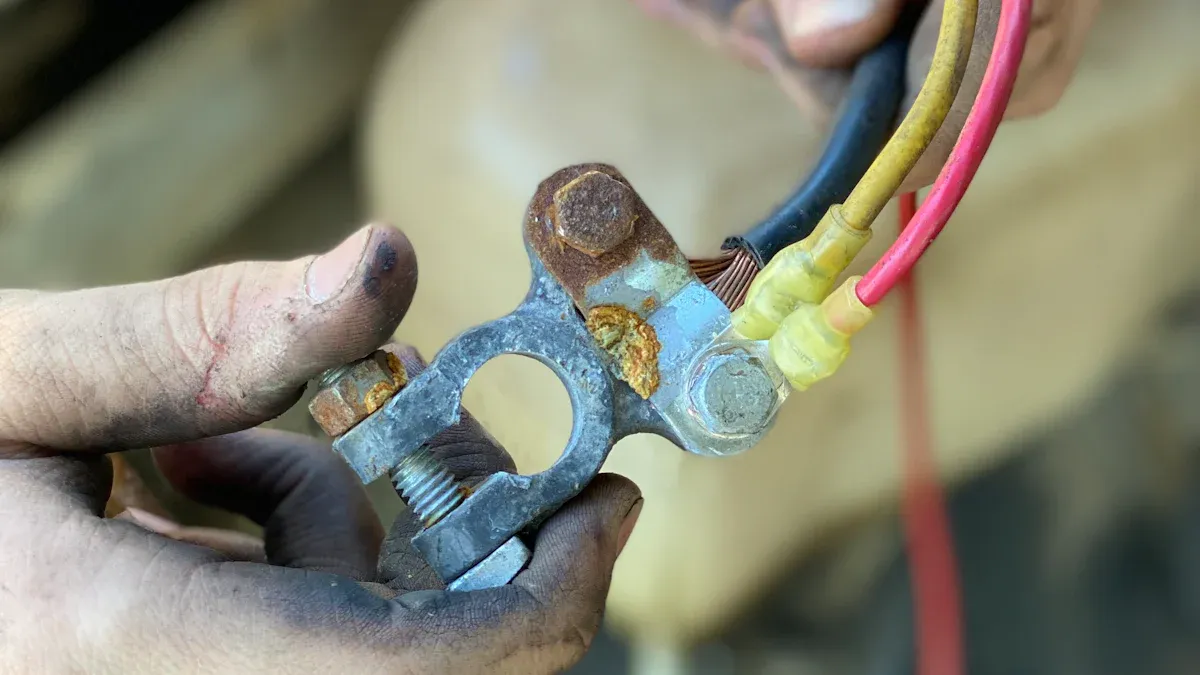
Maintaining your solar generator is crucial for its longevity and optimal performance. To maintain your solar generator effectively, it’s important to address this task diligently, as neglecting it can lead to significant issues. Did you know that 85% of generator startup failures stem from preventable maintenance problems? Common concerns include:
Inverter failures causing inconsistent power supply
Battery storage issues affecting availability
Weather-related damage impacting efficiency
The need for regular inspections to catch problems early
By taking care of your home solar generator and ensuring you maintain your solar generator properly, you not only enhance its lifespan but also save money in the long run. Proper maintenance can save you thousands compared to gas generators over time!
Key Takeaways
Regularly clean and inspect your solar panels to boost efficiency and prevent dust buildup.
Monitor your battery’s charge levels. Keep it between 20%-80% to extend its lifespan.
Schedule professional maintenance to catch issues early and save on costly repairs.
Store your solar generator indoors to protect it from extreme weather and enhance durability.
Stay informed about new technologies to improve your solar generator’s performance and maintenance needs.
Battery Care
Types of Batteries
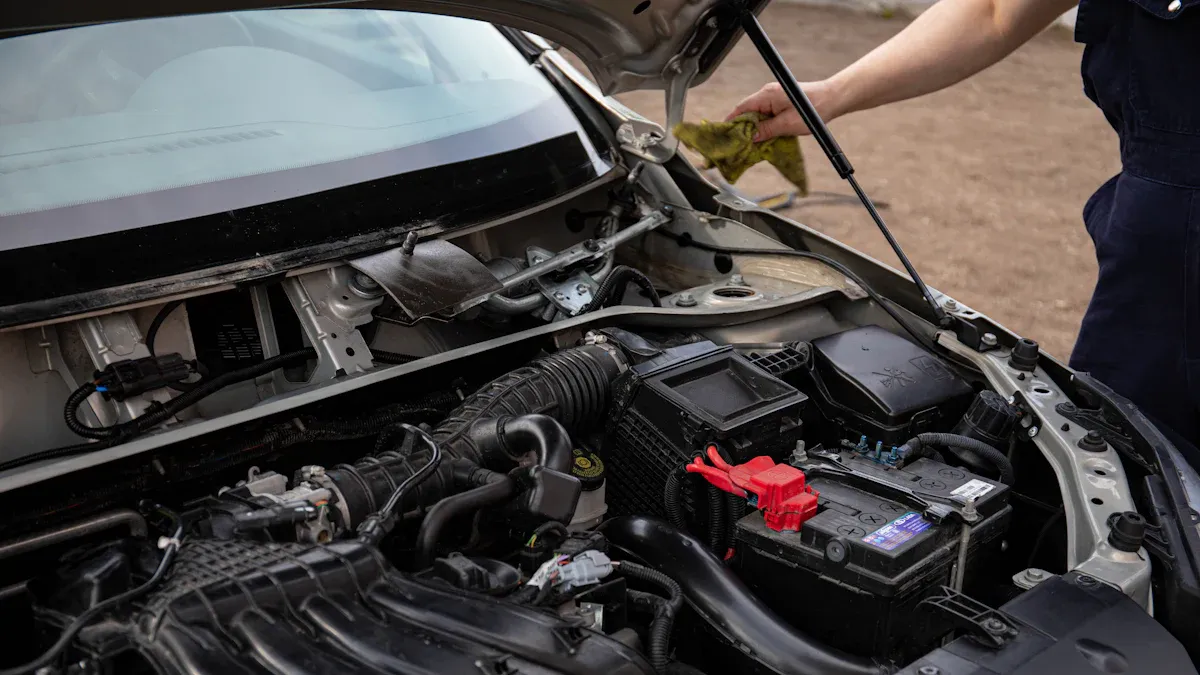
When it comes to solar generators, the type of battery you choose plays a big role in how well your system performs. Here are the main types of batteries you might encounter:
Battery Type | Maintenance Requirements |
|---|---|
Lead-acid | Requires regular maintenance, including checking water levels and cleaning terminals. |
Lithium-ion | Requires less maintenance than lead-acid batteries and has a longer lifespan. |
Lithium Iron Phosphate (LFP) | Generally requires minimal maintenance and is more eco-friendly with a longer lifespan. |
Lead-acid batteries are the traditional choice. They need regular checks to ensure water levels are adequate and terminals are clean. On the other hand, lithium-ion batteries are becoming more popular because they last longer and require less upkeep. If you want a battery that’s easy to manage, consider Lithium Iron Phosphate (LFP) batteries. They’re eco-friendly and don’t need much maintenance at all.
Monitoring Battery Health
Keeping an eye on your battery’s health is essential for maintaining your solar generator. Here are some effective methods to monitor battery levels and ensure everything runs smoothly:
Regularly monitor battery health to ensure consistent performance.
Avoid letting the battery discharge completely; maintain it between 20%-80% charge.
Charge the battery at least once a month to keep cells active.
For long-term storage, keep the battery partially charged at 40%-60%.
Watch for signs of swelling or excessive heat, and contact the manufacturer if these occur.
You should check the battery level often. This helps prevent unexpected failures and keeps your solar generator running efficiently. Using a battery analyzer can also help assess the internal health of the battery. Testing should be done in an open circuit state after a period of rest for accurate results. By staying proactive with your battery maintenance, you can extend the life of your solar generator and enjoy reliable power for years to come.
Charging Tips
Charging Frequency
To keep your solar generator running smoothly, you need to pay attention to your charging habits. Here are some best practices for charging frequency:
Maintain Depth of Discharge (DoD): Keep it between 20% and 80%. This range helps avoid significantly reducing your battery’s lifespan. Regularly discharging below 20% can cut your battery life by more than half!
Charge Regularly: Aim to charge your battery at least once a month. This keeps the cells active and ready for use.
Avoid Full Charges: Try not to charge your battery to 100%. Charging to full capacity can lead to overcharging, which risks overheating and reduces battery lifespan. Instead, aim for a maximum charge level of 90%.
Optimal Charge Levels
Understanding optimal charge levels is crucial for the longevity of your solar generator. Here’s what you need to know:
Charge Method | Voltage Level |
|---|---|
Fast charge with generator | 3.55-3.65V |
Slow charge with solar/grid | 3.45V |
Float charge | 3.40V |
Following the 20-80% state of charge (SOC) rule is recommended for maximizing battery lifespan. Operating at high SOC (above 95%) can induce structural changes in battery materials, while low SOC (below 10%) increases the risk of irreversible damage.
Overcharging can cause overheating and gassing, leading to a reduced lifespan. On the flip side, undercharging diminishes functionality and can lead to voltage drops and energy shortages. By monitoring your charging habits, you can ensure optimal performance and efficiency for your solar generator.
Temperature Management
Ideal Operating Temperatures
Temperature plays a significant role in the performance of your solar generator. Keeping your generator within the right temperature range ensures maximum efficiency. The ideal operating temperature for portable solar generators is between 0°C and 40°C (32°F to 104°F). Staying within this range helps maintain optimal battery performance and overall functionality.
Here are some effects of extreme temperatures on your solar generator:
High temperatures can enhance chemical reactions in batteries, boosting performance and storage capacity.
A study showed that raising the temperature from 77°F to 113°F can increase maximum storage capacity by 20%. However, this comes at a cost. Battery lifecycle degrades significantly at higher temperatures, with a drop of 6.7% at 113°F compared to 3.3% at 77°F over 200 cycles.
Extremely low temperatures can reduce battery capacity and overall performance. Humidity and dust can worsen battery degradation, so keep an eye on those factors too.
Weather Protection
Protecting your solar generator from adverse weather conditions is essential for its longevity. Here are some effective strategies to safeguard your equipment:
Secure Appropriate Storage Locations: Always store your solar generator in covered areas to shield it from rain, snow, and direct sunlight.
Acquire Quality Protective Equipment: Use waterproof covers and weather-resistant cases when your generator is not in use. This extra layer of protection can prevent damage from moisture and dust.
Maintain Adequate Battery Reserves: Keep extra battery capacity available to ensure you have power during adverse weather. This way, you won’t be caught off guard when the weather turns.
By managing temperature and protecting your solar generator from the elements, you can extend its lifespan and maintain its efficiency. Remember, a little care goes a long way in ensuring your solar generator remains a reliable source of power.
Maintenance and Cleaning
Regular Inspection
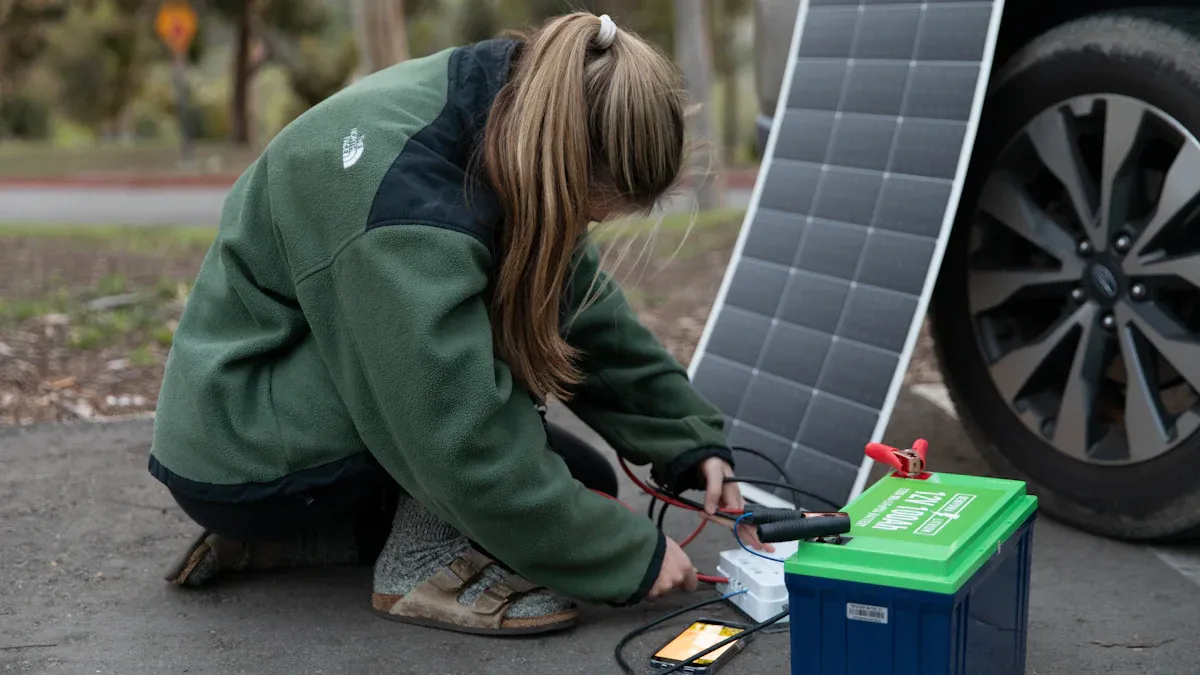
Regular inspections are vital for keeping your solar generator in top shape. You should aim to inspect your system at least once a year. This helps you catch potential issues early, preventing costly repairs down the line. Here are some key components to check during your inspection:
Physical Condition Assessment: Look for visible cracks, chips, or discoloration on the panel surfaces. Make sure the glass is clear of dirt, bird droppings, or leaves that could block sunlight.
Performance Monitoring: Use monitoring apps or web portals to track energy production. If you notice a drop in performance, it might be time for a closer look.
Electrical Safety Verification: Ensure wiring connections are intact, junction boxes are sealed, and mounting hardware is secure.
You should also conduct inspections after extreme weather events. This way, you can check for potential damage like cracks or dislodged panels. Remember, inverters should be checked every five years to ensure they function efficiently. By staying proactive with your inspections, you can significantly extend the lifespan of your solar generator.
Keeping Panels Clean
Cleaning your solar panels is another essential part of maintenance. Dirty panels can reduce energy production by 10-25%. To keep your solar generator running efficiently, follow these cleaning tips:
Clean every 6 months in low-dust areas.
Clean every 3 months in high-pollen or dusty areas.
Clean monthly if near construction sites, farmland, or areas with heavy pollution.
Here’s a simple cleaning process to follow:
Shut down the system: Turn off your inverter and follow the manufacturer’s shutdown procedure.
Gently rinse panels with water: Avoid using high-pressure washers, which can damage the surface or loosen wiring.
Apply soap solution: Use a soft sponge or cloth with soapy water to remove grime.
Scrub gently: Use circular motions and avoid abrasive materials.
Rinse thoroughly: Ensure all soap is removed, as residue can reduce performance.
Let air dry: Avoid wiping panels dry with a cloth, which can scratch the surface.
For best results, clean your panels early in the morning or late in the evening to avoid thermal stress. Also, steer clear of harsh chemicals or pressure washers to prevent damage. Using soft squeegees and non-abrasive brushes can help maintain the integrity of your panels.
Lastly, don’t forget about ventilation! Proper airflow around your battery compartment is crucial. Signs of inadequate ventilation include elevated temperatures, reduced efficiency, and visible gas emissions. Keeping your battery cool helps maintain its health and longevity.
By incorporating regular inspections and cleaning into your maintenance routine, you can ensure your solar generator remains a reliable source of power for years to come.
Professional Maintenance
Scheduling Maintenance
Scheduling regular professional maintenance for your solar generator is a smart move. It ensures that experts check your system, keeping it in top shape. Here are some benefits of scheduling maintenance:
Benefit | Description |
|---|---|
Financial Savings | Regular maintenance maximizes energy production, leading to reduced electricity bills and savings. |
Prevents Costly Repairs | Identifying minor issues early prevents major breakdowns, saving on expensive repairs. |
Higher Resale Value | Well-maintained systems attract buyers, enhancing property value. |
Environmental Impact | Efficient operation reduces greenhouse gas emissions and reliance on fossil fuels. |
When you schedule maintenance, you gain peace of mind. You can focus on other priorities, knowing that professionals are taking care of your solar panels. They can monitor performance and create customized maintenance plans that cater to your system’s specific needs. This proactive approach helps ensure your solar generator operates at peak efficiency.
Technological Advancements
Staying informed about technological advancements can significantly improve your solar generator’s performance. Here are some ways to keep your system up-to-date:
Regularly clean solar panels to remove dust and dirt, which can hinder efficiency.
Monitor battery health by checking connections for rust or corrosion and performing annual calibrations.
Ensure the inverter is clean and has good airflow to prevent performance issues.
By keeping up with the latest technologies, you can enhance your solar generator’s efficiency and longevity. New innovations often lead to better performance and lower maintenance needs. So, make it a habit to research and learn about advancements in solar technology. This knowledge can help you make informed decisions about your solar generator and its maintenance.
Maintaining your solar generator is essential for its longevity and optimal performance. Here are some key practices to keep in mind:
Regularly clean and inspect solar panels to prevent dust buildup and maintain efficiency.
Monitor the battery’s state of charge and perform deep cycle discharges and recharges as needed.
Inspect the inverter and ensure all connections are secure and free of corrosion.
Store the solar generator indoors to protect it from extreme weather conditions.
By implementing these tips, you can significantly enhance the lifespan of your solar generator. Remember, consistent maintenance not only improves performance but also saves you money in the long run. So, take these steps to ensure your solar generator remains a reliable source of power for years to come!
