

800 watt solar setups make sense for sheds, RVs, cabins, and backup-ready homes that need more than a tiny trickle of power. You get enough panel capacity to support serious charging without jumping straight into a full rooftop array, which keeps planning simpler for many off-grid spaces. The real challenge is matching panel style, voltage, and mounting approach to your battery bank or power station. That’s where this shortlist helps.
The Shortlist At A Glance

Renogy 200W Portable Foldable Solar Panel
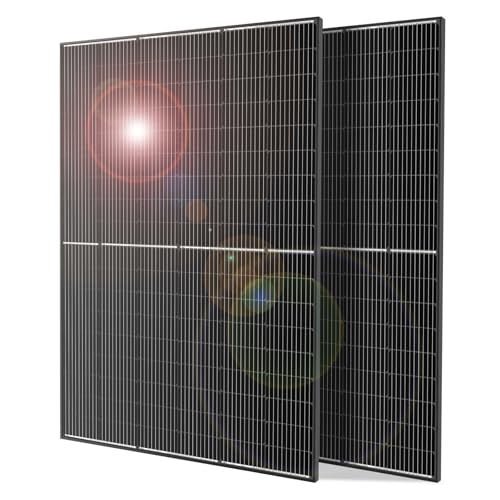
DOKIO 800W Solar Panel Set 2x400W 31V

DOKIO 800W Solar Panels 2-Pack 400W 31V

Jackery HomePower 3600 Plus Portable Power Station
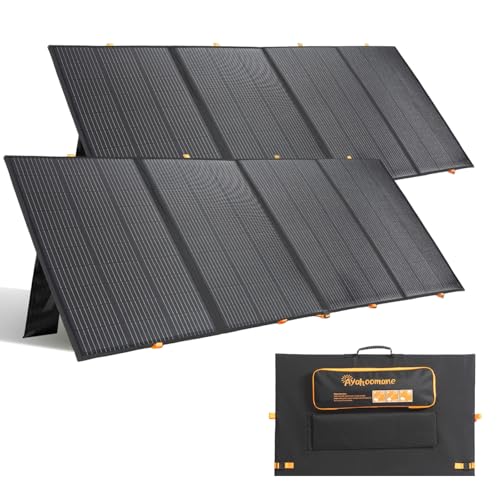
800W Portable Solar Panel 2pcs 400W Foldable
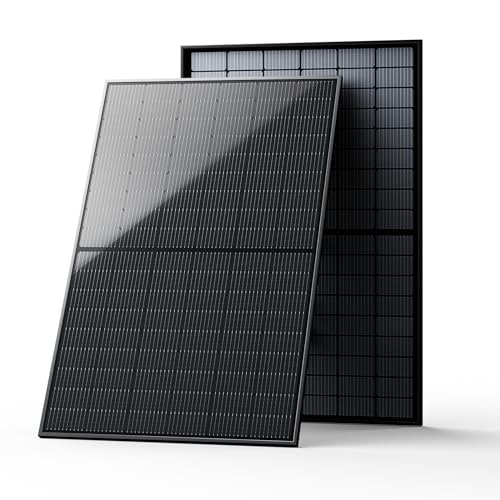
EPOCH 860W Bifacial Solar Panels N-Type Class A

800W TÜV Certification Solar Panel 4PC 200W N-Type
More Details On Our Top Picks
Portable panel setups like this make sense for campsites and weekend RV trips, where a foldable frame matters as much as wattage. The kickstand helps you angle the panel without much fuss, and the USB-A plus Type-C outputs give you a little more flexibility for direct device charging than a plain panel-only setup.
The trade-off is obvious, though, since you are looking at a single 200W panel rather than a full 800W array. It feels better matched to lighter charging jobs and backup top-offs than to heavy home supply, and the IP65 rating suits splashes and dust better than harsh soaking.
What We Like
- Foldable format packs down for travel and storage.
- Kickstand support makes backyard or campsite aiming easier.
- USB-A and Type-C outputs add direct charging flexibility.
- IP65 protection suits dusty campsites and damp setups.
Things To Consider
- Single-panel capacity stays modest for larger backup plans.
- Folded gear still needs dry storage and careful handling.
- Direct output ports help, but they do not replace a full system controller.
Feature Snapshot
Who It Suits Best
Campers and RV owners who want a portable charging panel with built-in convenience will get the most from it.
A Better Fit Elsewhere
DOKIO 800W Solar Panel Set 2x400W 31V suits shed and yard installs better, since you need a larger fixed output for a more anchored setup.
This two-panel set leans into fixed installation work, especially for sheds, yards, and other off-grid spaces where you want a more anchored layout than a foldable panel. The 31V setup and 9.84-foot cables give you room to plan placement without crowding the battery area.
Compared with the Renogy portable panel, this one is built for a more permanent path, and the aluminum frame plus pre-drilled holes support that kind of mounting. That said, the fixed-panel format asks for a little more planning up front, which is normal for a setup aimed at steady use rather than grab-and-go charging.
Reasons To Buy
- Two 400W panels suit an 800W target cleanly.
- Pre-drilled mounting points help with installation planning.
- Aluminum framing adds a sturdier feel for fixed locations.
- Long cable runs make layout choices less cramped.
Worth Noting
- Fixed-panel layouts take more setup time than portable kits.
- Best results depend on smart placement and mounting angle.
- Less convenient for users who move gear often.
Core Details
Who Should Grab It
Homeowners building a steady off-grid array for a shed or yard setup will appreciate the more permanent structure.
Another Choice May Suit
Renogy 200W Portable Foldable Solar Panel works better for travelers who need a lighter, packable charging option.
This DOKIO two-pack pushes the same basic 800W idea as the prior set, but the 12V and 24V system language makes it easier to map into a wider range of builds. For patios, cabins, and sheds, that kind of flexibility matters more than flashy extras.
Each panel uses a monocrystalline layout, which means a single-crystal silicon construction often chosen for space-conscious installs. The honest read is that you are still dealing with a fixed-array product, so it suits people who want structured output more than quick portability.
Upsides
- 12V and 24V compatibility broadens system planning.
- Monocrystalline panels suit tighter installations well.
- 9.84-foot leads help with cleaner positioning.
- Works across cabins, patios, and yard builds.
Small Caveats
- Fixed installation still asks for secure mounting work.
- Best fit leans toward planned setups, not quick moves.
- Space and angle planning still matter for day-to-day results.
Technical Sheet
Built With In Mind
You should look here for a small property or cabin setup where a tidy fixed array fits the space.
Look Elsewhere When
Ayahoomane 800W Portable Solar Panel 2pcs 400W Foldable suits campers better, since it favors portability over a more permanent install.
This is the most complete backup-oriented option in the list, because it pairs a large portable power station with two 200W solar panels right in the box. For home outage planning, that matters more than raw panel count alone, since the battery, inverter, and solar input all live in one coordinated system.
The 3,584Wh lithium iron phosphate pack, often shortened to LFP, brings a chemistry that many shoppers prefer for steady cycling and daily ownership. You also get 3,600W AC output and expansion potential up to 21kWh, which puts it in a different tier from the standalone panel sets above.
Highlights
- All-in-one format reduces guesswork in backup planning.
- Large battery capacity supports more household loads.
- High AC output suits demanding appliances better.
- Expandable design gives you room to grow later.
Areas To Watch
- More complex and heavier than a simple panel pair.
- Best fit leans toward backup planning, not casual travel.
- The added capability raises the setup and storage burden.
Details At A Glance
Whose Shelf It Belongs On
Homeowners who want a more complete emergency power setup, not just panels, will get the clearest value here.
Swap It Out When
DOKIO 800W Solar Panel Set 2x400W 31V is the leaner fit for shed or yard projects where you only need panels.
Foldable 400W panels like these suit trips where you want a 36V output path without committing to a fixed roof or wall layout. That makes them appealing for RV use, marine charging, and camping, especially for setups that move from one spot to another.
Compared with the Renogy portable panel, this one leans harder into array-style output while still keeping a portable format. The IP67 waterproof rating gives you a stronger dust-and-water seal on paper, although any foldable gear still deserves careful drying and storage after wet use.
Bright Spots
- Two-panel format gives you a practical 800W class option.
- Foldable design suits mobile charging plans.
- 36V output helps with compatible power stations.
- IP67 rating suits wetter or dustier conditions.
Minor Gripes
- Foldable panels still need room to spread out.
- Storage care matters after marine or rainy use.
- Best fit depends on matching the output to your gear.
Core Details
Made For
Travel-focused users who still want serious solar capacity in a foldable format will find the fit strongest here.
Where A Sibling Pick Shines
Jackery HomePower 3600 Plus Portable Power Station suits home backup shoppers better, since it bundles storage and output together.
Bifacial panels are different because they can use light from both the front and the rear side, which may help in reflective settings such as bright ground surfaces or boat decks. That makes this EPOCH set interesting for RV and marine users who want more output potential from the same footprint.
The N-Type Class A construction and 12/24 volt compatibility push it toward a more advanced install path than the simpler two-panel sets. It’s a strong fit for you once the system plan is already clear, though the higher-spec setup also asks for more thoughtful mounting and wiring.
Best Bits
- Bifacial layout can make use of rear-side light.
- N-Type Class A panels suit higher-spec builds.
- 12/24 volt support broadens system matching.
- Waterproof design fits marine and outdoor installs.
Points To Note
- Bifacial performance depends heavily on placement surroundings.
- Advanced build details mean more planning during install.
- Best fit goes to users ready for a more technical setup.
Feature Rundown
Perfect Match For
Users planning a higher-spec RV, boat, or off-grid setup will get the most from the bifacial format.
Reach For A Different Pick When
DOKIO 800W Solar Panels 2-Pack 400W 31V is the simpler route for a cabin or patio install that doesn’t need bifacial complexity.
This four-panel set fits the more permanent end of the category, especially for rooftops, farms, cabins, and backup-oriented installs. The 16BB layout, which refers to 16 busbars inside each panel, helps signal a more detailed internal structure, and the N-Type build with 25.8% efficiency will matter most to users who care about squeezing more from limited roof area.
Compared with the portable picks above, this ECOBOSS set is far less about movement and far more about structured output. The IP68 rating and TÜV mention point toward a more serious outdoor module, though the trade-off is that you’re clearly in fixed-install territory rather than grab-and-go territory.
Positives
- Four-panel layout spreads the 800W class target neatly.
- IP68 rating suits demanding outdoor exposure better.
- N-Type and 25.8% efficiency suit space-conscious installs.
- Works across rooftop, farm, and cabin projects.
Honest Caveats
- Fixed installation asks for mounting planning and labor.
- Less convenient than foldable options for travel use.
- Best results depend on a stable, well-aimed setup.
At A Glance
The Right Fit
Rooftop installers and property owners building a more permanent array will find the strongest match here.
Another Choice May Suit
Renogy 200W Portable Foldable Solar Panel is the better travel companion for campers who need something light and movable.
How To Choose The Right 800 Watt Solar Panels
Match The Panel Style To Your Space
Portable foldable panels suit RV trips, camping, and temporary backup charging because you can pack them away fast. Fixed panels fit sheds, cabins, rooftops, and farm structures better, since mounting, wire routing, and angle control matter more than portability.
That split sounds basic, but it drives the whole ownership experience. A foldable 200W panel feels easy to move, while a four-panel rooftop setup asks for more planning and a steadier location.
Check Voltage And System Compatibility
Voltage is the electrical pressure that helps a system move power into a battery or controller. DOKIO’s 31V panels and Ayahoomane’s 36V output show why you need to match the panel to the storage gear instead of chasing wattage alone.
12V and 24V compatibility matters for mixed setups, especially in cabins and off-grid sheds. The right match reduces frustration and helps you avoid a system that looks strong on paper but fights your equipment.
Look Closely At Protection And Build Materials
IP65, IP67, and IP68 are ingress protection ratings, which describe how well a product resists dust and water intrusion. A higher number usually matters more for marine use, wet climates, and dusty rural installs, though it does not replace sensible storage and handling.
Materials matter too. Aluminum frames, monocrystalline cells, N-Type construction, and bifacial layouts all change how a panel fits your space and how much planning it asks from you.
Think Beyond The Panels Themselves
A standalone panel set suits you differently than an all-in-one power station. Jackery’s bundle includes battery storage and AC output, so it helps more with home backup planning than a plain panel pair that still needs a controller and compatible battery bank.
For many homes, that difference decides the purchase. You are not just choosing solar hardware, you are choosing how much of the system you want to assemble on your own.
What To Weigh Before You Click Through
Where Shoppers Go Wrong
One common mistake is treating all 800W setups as interchangeable. A portable 200W panel, a two-panel fixed array, and a home backup station solve different problems, so the form factor has to match the space.
Another misstep is ignoring cable length, mounting points, and output voltage. Those details decide whether the setup feels clean and workable or awkward and cramped.
The Upgrade Payoff
Higher-tier gear often costs more because it adds better materials, more output flexibility, and stronger protection ratings. Bifacial panels, N-Type cells, larger batteries, and more refined internal layouts usually aim at better long-term ownership rather than simple entry-level use.
That upgrade makes sense for rooftops, marine systems, and home backup plans where reliability and expansion matter. For a weekend camper, the extra complexity may not pay back the same way.
Frequently Asked Questions
Are 800 watt solar panels enough for a small cabin?
Yes, an 800W setup can suit a small cabin with modest loads and a sensible battery bank. The exact result depends on how much power you use and how much sun your site gets.
Do portable solar panels work for home backup?
Portable panels can help with backup charging, especially for power stations and smaller batteries. They suit temporary support more than a full household power plan.
What does monocrystalline mean?
Monocrystalline panels use single-crystal silicon cells, a construction often chosen for space-conscious systems. That can help when roof area or yard space is limited.
Why do some panels use bifacial design?
Bifacial panels can pick up light from both sides, which may help in reflective environments. The benefit depends on placement, ground surface, and mounting height.
Should you choose 12V or 24V panels?
That depends on your batteries, controller, and the rest of the system. Matching voltage to your gear usually makes planning easier and reduces setup headaches.
Closing Thoughts
Your best 800W solar setup depends less on headline wattage than on how you actually live with it. Campers usually want portable foldable panels, shed owners tend to benefit from fixed aluminum-framed sets, and backup-focused homes get more from an integrated power station. Once you match the voltage, mounting style, and protection level to your space, the shortlist gets much easier to read. Choose the layout that fits your routine, and the rest tends to fall into place.
