

You’re probably comparing panels for a cabin, RV, shed, yard system, or backup setup, and the hard part is not finding wattage, it’s finding a layout that fits the space you actually have. Some picks lean rigid and simple, others favor portability or flexible mounting, so the right match depends on how often you move it and how cleanly you want the wiring to run. This roundup keeps the focus on usable builds, not flashy claims.
The Shortlist At A Glance
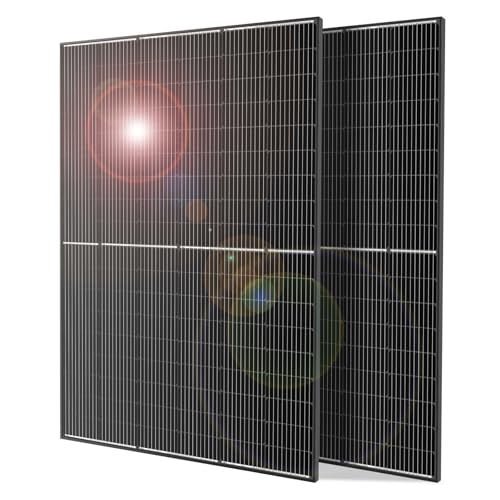
DOKIO 800W Solar Panel Set 2 x 400W 31V

DOKIO 800W Solar Panels 2-Pack of 400W 31V

DOKIO 600W Flexible Solar Panel Set Six 100W 18V ETFE Modules

ZOUPW 450W Portable Solar Panel N-Type 16BB
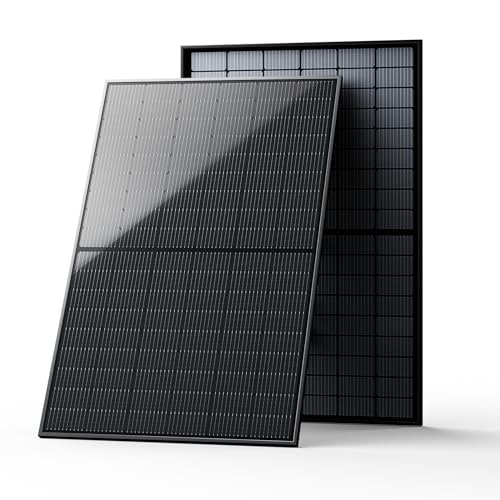
EPOCH 860W Bifacial Solar Panels N-Type Class A

600W TÜV Certification Solar Panel 6 Pack 100W N-Type

Renogy Solar Panels 2PCS 320 Watt N-Type 18BB

Renogy 1180W Solar Panels 2pcs 590 Watt N-Type Bifacial
More Details On Our Top Picks
Two 400W panels give you a straightforward layout for a 24V off-grid setup, and the 9.84 ft cables help with placement in a yard, shed, or similar fixed location. The aluminum frame and pre-drilled holes point to a mount-friendly design, which matters when you want fewer surprises during installation.
Compared with the flexible DOKIO set below, this one is the more conventional rigid option, so it suits permanent mounting better than curved surfaces. The honest trade-off is size and handling, because rigid panels take more planning in storage and positioning, but that same structure is usually easier to secure once installed.
Strong Points
- Two-panel format keeps the layout simple for fixed installs.
- 9.84 ft cables give you helpful reach in larger spaces.
- Aluminum framing suits long-term outdoor placement.
- Pre-drilled holes make mounting more straightforward.
- Works well for a shed, yard, or off-grid outbuilding.
Things To Consider
- Rigid panels need enough mounting room and careful handling.
- Storage is less convenient than with foldable options.
- The 24V focus narrows the fit for some smaller systems.
Feature Snapshot
Who It Suits Best
You benefit most from this set if you want a fixed 24V solar layout for a shed, yard, cabin, or similar off-grid space.
A Better Fit Elsewhere
DOKIO 600W Flexible Solar Panel Set Six 100W 18V ETFE Modules suits you better for curved RV or boat mounting, since the semi-flexible build is easier to adapt to uneven surfaces.
This DOKIO pair looks aimed at shoppers who want similar power in a system that can work across 12V or 24V planning. Each panel uses a monocrystalline layout, so the package feels better suited to tidy, fixed installations than to frequent relocation.
Against Item 1, the big difference is flexibility in system matching, which can matter more than the shape of the frame for mixed-use setups. In most backyards or small outbuildings, that broader compatibility makes the panel pair easier to slot into an existing plan without rethinking the whole array.
What We Like
- 12V and 24V compatibility broadens setup options.
- Two 400W panels suit a substantial fixed array.
- 9.84 ft leads give you room to place the panels.
- Monocrystalline construction fits clean, consistent outdoor installs.
Points To Note
- Rigid panels still need secure mounting and enough clearance.
- Space planning matters more than with foldable designs.
- Long-term upkeep means keeping the surface clear of dirt and debris.
Core Details
Built With In Mind
You’re the best fit for this set if you want a rigid two-panel option that can slot into either 12V or 24V planning without much guesswork.
Swap It Out When
Renogy Solar Panels 2PCS 320 Watt N-Type 18BB fit better for a home yard or shed install where you want fewer connections and a cleaner layout.
Flexible ETFE modules make this set feel much more purpose-built for curved or slightly uneven surfaces. ETFE, a tough fluoropolymer top layer, usually appeals because it adds a smoother outdoor finish than a plain exposed panel face.
Compared with the rigid DOKIO panels above, this one trades a little structural stiffness for easier placement on RVs, boats, or similar mobile surfaces. The MC4 leads and series or parallel wiring options give you room to build around the space you have, which is handy in tighter layouts.
Upsides
- Semi-flexible design suits curved mounting surfaces.
- ETFE modules bring a more durable outer layer.
- MC4 leads simplify connector compatibility.
- Series or parallel wiring gives you layout options.
- Good fit for RV and boat use.
Small Caveats
- Flexible panels still need a clean mounting surface.
- Storage and handling matter so the bend stays gentle.
- Wiring choices add some planning time.
Feature Rundown
Whose Shelf It Belongs On
You’ll get the most from this set if you’re building for an RV, boat, or other surface that does not suit rigid glass panels.
Look Elsewhere When
EPOCH 860W Bifacial Solar Panels N-Type Class A fit better for a fixed off-grid array where rigid, high-output panels make more sense than a flexible layout.
Foldable solar panels fit a very different rhythm than the fixed DOKIO sets, and this ZOUPW model leans hard into mobility. The N-Type 16BB cell design, where 16 busbars help move current across the cell, usually points to a cleaner high-output layout for a portable panel.
For camping, van travel, or power-station backup, the foldable format is the part that matters most because packing and setup stay manageable. The IP68 rating is a strong practical note for exposure, though you still need to store and unfold it with normal care, since portable gear sees more handling than roof-mounted hardware.
Reasons To Buy
- Foldable design makes transport and storage easier.
- Built for several common power-station brands.
- IP68 rating supports outdoor exposure use.
- Portable format suits travel and backup scenarios.
Worth Noting
- Portable panels need more setup and takedown time.
- Fold points deserve careful handling over the long run.
- Best fit depends on your power station’s input setup.
Details At A Glance
The Right Fit
You’re looking at the best fit here if your setup moves with you and you want a foldable panel for a power station in camp, transit, or backup use.
A Better Fit Elsewhere
Renogy 1180W Solar Panels 2pcs 590 Watt N-Type Bifacial suit a larger home or roof layout better, since they’re built for high-output fixed use instead of portable handling.
Bifacial panels are the big story here, meaning they can capture light from both the front and the back when the mounting setup allows it. That makes this EPOCH pair a more advanced fit for open installs where reflected light can matter, not just direct sun.
Compared with the portable ZOUPW panel, this is clearly the more permanent, higher-output style of choice. The trade-off is that bifacial hardware asks for better placement and more deliberate mounting, so it makes sense for setups where you want to spend more attention on layout and less on portability.
Bright Spots
- Bifacial design can use light from both sides.
- 12V and 24V support broadens system planning.
- Monocrystalline build suits efficient fixed arrays.
- Waterproof construction fits exposed outdoor use.
- Strong option for RV, marine, or off-grid installs.
Areas To Watch
- Bifacial output depends heavily on mounting environment.
- Fixed installation takes more planning than portable gear.
- Large panels are less convenient to move or store.
Technical Sheet
Made For
You’ll appreciate this most if you’re planning a fixed RV, boat, or off-grid setup where space, mounting angle, and output all matter.
Where Another Pick Suits Better
DOKIO 600W Flexible Solar Panel Set Six 100W 18V ETFE Modules suit curved roofs and lighter mounting surfaces better, especially on travel rigs.
Six separate 100W panels give you a modular path to a 600W array, which is handy when the roof line, cabin footprint, or backup space does not want a single oversized panel. The N-Type design and 16BB layout suggest a more modern cell structure, so the shape of the system feels geared toward efficiency-minded planning.
Compared with the EPOCH pair, this setup spreads the wattage across more pieces, which can help with placement but also adds more wiring decisions. That trade-off makes it a practical fit for someone who likes building an array in stages rather than committing to one large panel format.
Best Bits
- Six-panel format supports flexible array layouts.
- N-Type cells fit an efficiency-focused build.
- 100W modules are easier to position one by one.
- Works well for rooftops, farms, cabins, and backup use.
Minor Gripes
- More pieces mean more wiring to plan.
- Modular arrays take longer to install neatly.
- Surface cleaning matters across six individual panels.
Key Specs
Perfect Match For
You suit this set best if you want to build a 600W array from smaller parts and prefer to stage the install piece by piece.
Another Choice May Suit
DOKIO 800W Solar Panel Set 2 x 400W 31V suits you better if you want fewer, larger panels and a simpler two-piece setup.
Two 320W panels give this Renogy setup a cleaner route to 640W than a six-panel kit, so the wiring burden stays lighter. The N-Type 18BB structure also hints at a more efficient cell design, and the IP68 protection adds peace of mind for outdoor use around yards or sheds.
Against the modular ECOBOSS set, this feels easier to install because there are fewer pieces to mount and connect. You may find that balance especially helpful on a home site where your time matters as much as the final wattage.
Highlights
- Two-panel format keeps connections to a minimum.
- 320W per panel gives you a strong paired array.
- N-Type 18BB design suits efficiency-focused installs.
- IP68 protection supports outdoor placement.
- Good fit for home yards and sheds.
Room For Improvement
- The larger format needs enough mounting space.
- Rooftop or shed alignment still deserves careful planning.
- Fixed panels take up storage room before install.
At A Glance
Best Suited To
You’re the right match for this pair if you want a simpler two-panel install for a shed, yard, or similar fixed off-grid setup.
Reach For A Different Pick When
DOKIO 600W Flexible Solar Panel Set Six 100W 18V ETFE Modules make more sense for curved RV or boat surfaces where rigid panels are harder to place.
This Renogy pair sits at the high-output end of the list, with two 590W panels and bifacial construction for setups that can use light on both sides. That makes it a serious fit for larger roof spaces, homes, RVs, or boats where you want fewer panels but more output per piece.
Compared with the smaller Renogy 320W pair, this one clearly asks for more space and a more committed installation plan. The honest read is that it makes most sense when your site can support the size, because the payoff comes from capacity, not compactness.
Positives
- Two large panels keep the array count low.
- Bifacial design can take advantage of reflected light.
- N-Type 16BB construction suits a modern panel build.
- Strong fit for larger fixed systems.
- Good choice for homes, rooftops, RVs, and boats.
Softer Spots
- Large panels need ample installation room.
- Placement matters more because of the bifacial design.
- Storage and handling are less convenient than with smaller modules.
Core Details
Who Should Grab It
You benefit most from this set if your home or larger off-grid site can handle a high-output two-panel build without space pressure.
Where A Sibling Pick Shines
Renogy Solar Panels 2PCS 320 Watt N-Type 18BB are easier to place on smaller sheds or yard installs, especially when you want a simpler footprint.
How To Choose The Right 600 Watt Solar Panels
Match The Panel Shape To The Space
Rigid panels fit permanent structures like sheds, cabins, rooftops, and fenced yards. Flexible or foldable options make more sense on RVs, boats, and travel rigs where surfaces bend or storage space is tight.
The shape matters as much as the wattage because a panel that fits the space is easier to install, secure, and maintain. A clean fit also reduces the chance of awkward cable runs.
Pay Attention To Voltage And Wiring Style
Voltage labeling tells you how the panels are meant to slot into a system, such as 12V or 24V planning. Wiring style matters too, since series wiring increases voltage while parallel wiring keeps voltage lower and raises current.
That choice affects inverter, controller, and battery planning, so it’s worth checking the rest of your setup before you commit. A modular six-panel kit gives you more wiring freedom, while a two-panel set usually keeps things simpler.
Think About Output Density Versus Convenience
Higher wattage per panel usually means fewer pieces to mount, fewer connections, and less visual clutter. Smaller panels can be easier to place around vents, rails, or roof features, though they ask for more planning and more hardware.
That trade-off shows up fast in real life. A two-panel system often suits people who want a tidy install, while a multi-panel layout helps when the available space is broken up or irregular.
Look Past Wattage And Check The Build
Frame material, connector type, water protection, and cell layout all influence day-to-day ownership. Aluminum framing, MC4 leads, ETFE tops, IP68 protection, and N-Type or bifacial cells each solve a different problem, from mounting ease to exposure tolerance.
None of those details replace good placement, but they do shape how much upkeep and adjustment you’ll face later. The smartest choice is the panel that fits your site, not just the number printed on the box.
What To Weigh Before You Commit
Wrong Turns To Avoid
Shoppers often start with wattage and stop there, which can lead to a panel that is too large, too rigid, or too awkward for the site. Connector type and lead length deserve attention too, especially on sheds and roofs where the battery gear sits farther away.
Another common miss is buying a layout that fights the surface. A rigid pair can be awkward on a curved roof, while a flexible set may feel underbuilt for a permanent frame.
The Upgrade Payoff
Higher-tier panels usually cost more because of cell design, output density, water protection, and more refined mounting behavior. Bifacial construction, N-Type cells, and better connector layouts can also give you more usable output from the same footprint.
That extra spend makes more sense when your site is hard to access or your roof space is limited. For simple backyard or cabin builds, a solid mid-tier pair often covers the need without adding complexity.
Frequently Asked Questions
What makes 600W solar panels a practical size?
That output range works well for small off-grid arrays, backup setups, and mobile power builds that need more than a tiny starter panel. It gives you enough headroom for real use without jumping straight into a very large system.
Are rigid panels better than flexible ones?
Rigid panels usually suit permanent mounts because they feel sturdier and are easier to secure on flat surfaces. Flexible panels make more sense on curved roofs, RVs, and boats.
What does bifacial mean?
Bifacial panels can take in light from both the front and the back. That only pays off well when the mounting environment lets reflected light reach the rear side.
Why does connector type matter?
Connector type affects how easily the panels link into your charge controller or broader array. A common connector style can make installation cleaner and reduce the chance of mismatched parts.
Do more panels always mean a better setup?
More panels can help with placement and layout flexibility, but they also add wiring and mounting work. The better setup is the one that fits your space, structure, and power plan.
Closing Thoughts
Your best match depends on where the panels will live, not just how much wattage they promise. For a fixed shed or yard build, the rigid DOKIO and Renogy options make the most sense, while RV, boat, and travel setups lean toward the flexible DOKIO set or the foldable ZOUPW model. Larger sites can justify the EPOCH and Renogy high-output pairs, while the ECOBOSS kit suits a more modular approach. Choose the shape that fits your space, and the rest gets much easier.
