

Hot attics, stagnant sheds, and stuffy greenhouses all have the same problem, trapped air. The right fan helps move heat out and fresh air through without turning your roofline or wall into a maintenance headache. You’ll see solar-first models, a few hybrid-style options, and one wall fan that suits tougher ventilation jobs where attic style units are not the right fit.
This roundup focuses on spec-driven fit, not hype. You get a mix of compact greenhouse units, roof-mount attic fans, and larger exhaust options so you can match airflow, panel size, and installation style to your space.
The Shortlist At A Glance

pqins 7.1″ Solar Greenhouse Fan, 25W, 16.5 ft Cord

Remington Solar Builder Series 40 Watt Solar Attic Fan
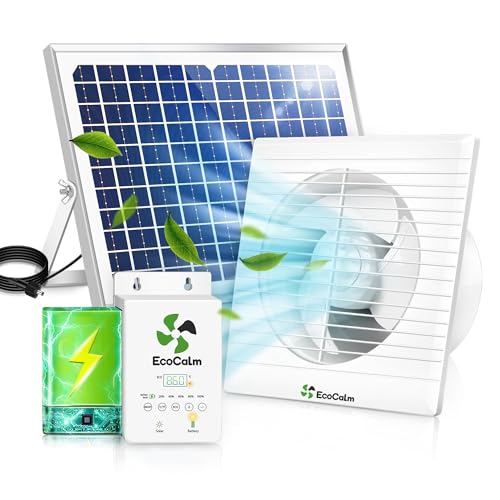
ecoCalm Solar Fan 8″ with Adjustable Thermostat and Battery

ECO-WORTHY 25W Solar Powered Attic Ventilator Gable Roof Vent Fan

iLIVING 12″ Wall Mounted Shutter Exhaust Fan, ILG8SF12V-ST

Remington Solar 30 Watt Roof Mount Solar Attic Fan

4SEASONS Solar Attic Vent Fan, 400 CFM, 12W Panel
More Details On Our Top Picks
The pqins unit fits the kind of space that needs airflow more than polished install theatrics. Its 7.1-inch fan size, 25W solar output, and 16.5-foot cord point to a flexible setup for a coop, shed, cabin nook, or greenhouse wall.
The standout detail is the intake and exhaust approach, which helps you match airflow direction to the room instead of forcing a single pattern. In a busy backyard setup, that’s a useful bit of control, though the compact format naturally suits smaller spaces more than a full attic.
Strong Points
- Intake and exhaust support gives you more placement options.
- 25W panel keeps the setup self-contained and simple.
- Long cord helps with awkward mounting distances.
- Waterproof build suits outdoor and semi-exposed locations.
- Works well for tighter structures where larger attic fans feel oversized.
Things To Consider
- Its size is better matched to small buildings than broad attic runs.
- The setup makes more sense for hobby spaces than whole-home ventilation.
- Dust and debris cleanup will matter in greenhouse or coop use.
Feature Snapshot
Who It Suits Best
You’ll get the most from this in a greenhouse, chicken coop, doghouse, or shed where airflow needs are focused and space is limited.
A Better Fit Elsewhere
Remington Solar Builder Series 40 Watt Solar Attic Fan is the stronger match for a home attic that needs broader ventilation and night operation support.
This Remington Solar model stands out because it mixes solar operation with a 110V adapter for night-running support. That makes it a stronger fit than the pqins pick for homes where airflow matters after sunset and the attic load does not stop with daylight.
The 40W setup also suggests more headroom than smaller greenhouse-style fans, which matters in a larger attic or a space that holds heat well into the evening. For most homes, that extra flexibility is the point, although the hybrid approach does add a little more complexity during setup.
What We Like
- Solar plus adapter support gives you a broader operating window.
- 40W panel size suits tougher attic ventilation jobs.
- Built for roof-mounted placement in home structures.
- Good fit for spaces that need steady air movement after dark.
Worth Noting
- The added adapter makes installation less minimal than solar-only units.
- Best results depend on a layout that supports roof mounting.
- It is more house-focused than the smaller coop and greenhouse picks.
Core Details
Made For
You’ll appreciate this most in a standard home attic where heat buildup continues into the evening and you want a solar-first setup with a backup path.
Swap It Out When
ECO-WORTHY 25W Solar Powered Attic Ventilator Gable Roof Vent Fan is the easier choice for a mixed-use roofline where a foldable panel and ready-to-use format matter more.
The ecoCalm fan leans into control, not just movement. An adjustable thermostat, a battery, and a 25W bifacial panel, meaning it can capture light from both sides, give it a stronger role in a greenhouse where temperatures swing through the day.
Compared with the first two picks, this one feels more tuned to climate management than basic exhaust. The anti-backflow design matters too, since it helps limit reverse airflow, though the trade-off is a more involved feature set than a simple one-switch fan.
Upsides
- Thermostat control helps the fan respond to temperature changes.
- Battery support adds flexibility beyond direct sunlight hours.
- Bifacial panel design can improve exposure in bright settings.
- Anti-backflow design suits spaces where reverse airflow is a nuisance.
- Strong match for greenhouse owners who want more control.
Points To Note
- The added controls make setup less straightforward than a basic fan.
- Battery-based gear usually calls for a little more upkeep and monitoring.
- It is more specialized than the simpler Remington Solar roof units.
Details At A Glance
Built With In Mind
Greenhouse owners and hobby growers will get the most from this because the thermostat and battery help handle changing daylight and heat loads.
Look Elsewhere When
pqins 7.1″ Solar Greenhouse Fan is the simpler match for small outbuildings where you want basic intake and exhaust without extra controls.
The ECO-WORTHY unit takes a practical middle path. A 25W fan paired with a 30W foldable panel makes it easier to place than some rigid-panel attic options, which helps in roof layouts where panel orientation is not ideal.
That foldable design gives it a slight edge for mixed spaces like an attic, greenhouse, or RV roof setup, though it still asks for proper mounting space. Compared with the ecoCalm model, it gives up thermostat and battery features, but it also keeps the system simpler.
Bright Spots
- Foldable panel format can ease placement in tricky roof areas.
- 25W fan output fits moderate ventilation needs.
- Works across several spaces, not just one narrow use case.
- Ready-to-use framing appeals to straightforward installations.
Small Caveats
- No thermostat or battery support, so control stays basic.
- Foldable hardware can still take a little care during mounting.
- Best suited to spaces where a roof install makes sense.
Feature Rundown
Whose Shelf It Belongs On
You’ll like this most for a home attic, greenhouse, or RV where a clean solar setup matters more than added electronics.
Another Choice May Suit
Remington Solar Builder Series 40 Watt Solar Attic Fan is the better fit for homeowners who want night-running support alongside solar power.
The iLIVING fan shifts away from roof attic duty and into heavy wall ventilation, which is exactly why it earns a place here. A 12-inch shutter exhaust design, variable speed control, thermostat, and 960 CFM airflow make it more suited to garages, workshops, and broad service areas than the smaller solar picks.
That 1,400 square foot coverage figure matters in practice, because it tells you this unit is built for volume rather than finesse. The automatic shutter is a nice touch for everyday use, though the wall-mount format means it belongs in a different conversation than the roof-mounted attic fans above it.
Best Bits
- High airflow suits larger rooms and work areas.
- Variable speed control lets you tune output more closely.
- Automatic shutter adds a cleaner wall-fan experience.
- Thermostat support helps it react to changing room heat.
- Good match for buildings where wall mounting is easier than roof work.
Areas To Watch
- It is not a solar attic fan, so the fit is different by design.
- Wall installation takes more commitment than a small vent kit.
- Its scale can be more than a compact outbuilding needs.
Quick Facts
The Right Fit
Garage owners, workshop users, and large utility spaces benefit most from this because the airflow output is built for volume.
Where A Sibling Pick Shines
Remington Solar 30 Watt Roof Mount Solar Attic Fan suits attic retrofits better, especially where you want roof ventilation rather than a wall unit.
The roof-mount Remington Solar fan keeps the focus on straightforward attic ventilation. A 30W solar setup lands in a sensible middle ground, especially for homes that need a dedicated roof unit without the extra night-operation hardware found on the 40W Builder Series.
That simplicity is the appeal. You get a clean fit for standard attic retrofits, and the lower-friction design may suit homeowners who want less to think about once the unit is in place, though it gives up some of the flexibility seen in the more advanced Remington model.
Reasons To Buy
- Roof-mount format fits classic attic ventilation jobs.
- 30W solar output is a practical middle-ground choice.
- Simple design keeps the focus on core airflow.
- Good step up from smaller enclosure-style fans.
Honest Caveats
- No night adapter listed, so operation stays solar dependent.
- Less feature-rich than the Builder Series version.
- Roof installation still calls for proper placement and planning.
Spec Overview
Best Suited To
You’ll get the most from this in a conventional attic where roof mounting is already part of the plan.
Right Fit For
ECO-WORTHY 25W Solar Powered Attic Ventilator Gable Roof Vent Fan makes more sense for mixed-use spaces where a foldable panel adds convenience.
4SEASONS is the smaller, more focused attic pick in this group. With 400 CFM airflow and coverage listed up to 500 square feet, it gives you a clear sense of scale, which helps a lot when your attic does not need the larger output of the Remington or iLIVING units.
The polycarbonate housing should appeal to anyone who values a tougher outer shell, and the quieter operation language points toward a more restrained install. It feels like a neat fit for small roofs, though the 12W panel means you should keep expectations aligned with the space size.
Positives
- 400 CFM output is easy to size for smaller attics.
- Coverage up to 500 square feet gives clear planning guidance.
- Polycarbonate housing is a sensible material choice for outdoor exposure.
- Lower-power panel suits compact ventilation needs.
- Quieter profile language makes it a calmer-feeling roof option.
Minor Gripes
- The smaller panel output limits it to modest-space use.
- Not as adaptable as the larger, feature-heavy attic units.
- Best value comes in a roof layout that matches its compact design.
Technical Sheet
Who Should Grab It
You’ll like this most for a small attic or compact roof space where clear airflow numbers matter more than advanced controls.
Where Shoppers Go Wrong
Remington Solar Builder Series 40 Watt Solar Attic Fan is the better fit for larger attics that need more power and night-running support.
How To Choose The Right Solar Powered Attic Fans
Match Airflow To Space Size
Airflow is the first number worth checking, and CFM, which means cubic feet per minute, tells you how much air the fan can move. Smaller attics and sheds can work well with compact units, while larger roof cavities usually call for stronger output and broader coverage guidance. A fan that is too small can leave heat hanging around, while an oversized one may be more than your layout needs.
Panel wattage matters too, because it usually hints at how much energy the system can gather in practical daylight. A 12W panel suits lighter jobs, a 25W or 30W setup fits the middle, and 40W gives you more headroom. Pair that with the room size, not just the roof shape.
Choose The Right Mounting Style
Roof-mount attic fans and wall-mounted shutter fans solve different problems. Roof units suit traditional attic ventilation, while wall fans like the iLIVING model make more sense in garages, workshops, and utility rooms with direct wall access.
Greenhouse and coop fans often use longer cords or flexible placement because the panel and fan body do not always sit in the same place. That extra reach helps in real installations, though it also means you should think about routing, weather exposure, and cleaning access.
Look At Control Features, Not Just Power
Thermostats, variable speed controls, battery support, and night adapters all change how a fan behaves after installation. A thermostat turns the unit into a more responsive tool, while a battery or adapter can keep airflow going beyond direct sunlight.
The trade-off is complexity. Basic solar-only fans stay simpler, but you give up some flexibility; hybrid models or feature-rich units ask more during install and upkeep, but they can match tougher daily use.
Think About Materials And Maintenance
Housing material affects how a fan handles long-term exposure. Polycarbonate, coated metal, and waterproof construction usually give you a better starting point for outdoor and roof use than lightweight shell materials that feel more temporary.
Cleaning also matters, especially in dusty attics, greenhouses, and coops. A fan that is easy to access and wipe down will usually be less annoying over time, and that kind of practical detail often matters more than a spec sheet headline.
What To Weigh Before You Choose
Mistakes Worth Dodging
One common mistake is matching the fan to the roof shape instead of the actual ventilation need. A small enclosure fan can be great in a shed, yet it won’t carry a large attic the way a roof-mounted unit can.
Another slip-up is ignoring installation support. Long cords, foldable panels, shutters, and night adapters all sound useful, but they only help when your space can accommodate them cleanly.
The Upgrade Payoff
Higher-tier models usually cost more because they add controls, stronger output, and more flexible power options. That extra spend often goes into thermostat logic, hybrid power support, or sturdier housing materials.
For a home attic that runs hot well into the evening, that kind of upgrade can be worth it. For a small greenhouse or coop, a simpler solar fan often makes more sense and keeps maintenance lighter.
Frequently Asked Questions
Do solar attic fans work in small attics?
Yes, compact models are a sensible fit for small attic spaces. The 4SEASONS and pqins picks show how size and airflow can stay modest while still serving a limited footprint.
Can a solar attic fan run at night?
Some models can, but only when the listing includes backup power or an adapter. The Remington Solar Builder Series includes a 110V adapter for night operation support.
What does CFM mean?
CFM means cubic feet per minute, which measures how much air a fan moves. Higher CFM usually points to stronger ventilation for larger spaces.
Are greenhouse fans different from attic fans?
Yes, greenhouse and coop fans usually focus on flexible placement and direct air exchange in smaller enclosures. Attic fans are built more around roof ventilation and heat relief in enclosed overhead spaces.
Is a thermostat useful in a solar fan?
A thermostat helps the fan react to temperature instead of running only on direct sunlight. That makes it more useful in spaces where heat rises unevenly through the day.
Final Thoughts
The right solar-powered fan depends on where the heat collects and how much control you want after installation. Small sheds and greenhouses do well with compact, flexible units, while a full attic usually calls for a roof-mount model with enough output to matter. The stronger picks here all solve a real ventilation job, but they do it in different ways. Match the fan to the space, and you’ll end up with a cleaner, calmer setup.
