

Sorting through Solar Panels On Market gets easier once you match the panel to the job. A foldable 200W setup for weekend camping, a rigid 400W array for a roof, and a small USB charging pair all solve different problems, and mixing them up leads to frustration fast. This roundup keeps the focus on fit, mounting style, power format, and the kind of day-to-day use each option handles best.
The Shortlist At A Glance

Renogy 200W Portable Solar Panel

ECO-WORTHY 400W Solar Panels N-Type 4pcs 100 Watt 18V Monocrystalline

Solar Panel Wire 50Ft Black and 50Ft Red Kit

Renogy ShadowFlux Solar Panel 400 Watt

N-Type 16BB 400W Bifacial Solar Panel

Renogy Solar Panels 200 Watt N-Type


Renogy Solar Panels 2PCS 320 Watt Solar Panel 18BB N-Type
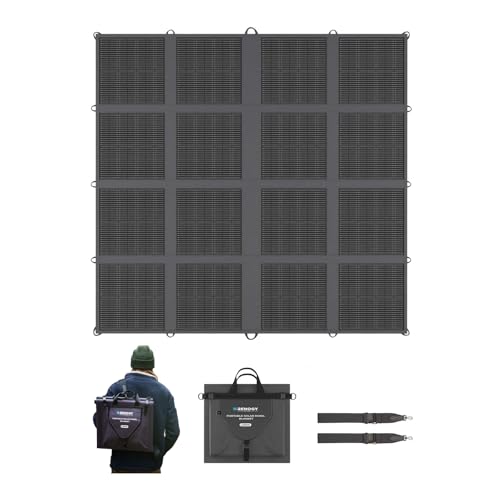
Renogy 400W Portable Solar Panel for Power Stations
More Details On Our Top Picks
The foldable frame suits you well on camping weekends or during a neighborhood outage, because it moves from storage to setup without asking for a roof mount. The built-in kickstand helps angle the panel, and the USB-A plus USB-C outputs add direct charging for small devices alongside a power station.
Compared with the rigid panels in this list, this one makes more sense for a van, RV, or blackout kit where portability matters more than permanent mounting. The trade-off is obvious, though, since a portable panel usually gives up the broad rooftop coverage that fixed arrays bring.
Strong Points
- Foldable format stores neatly in smaller spaces.
- Kickstand support helps with basic angle setup.
- USB-A and USB-C outputs add device charging flexibility.
- IP65 water resistance suits outdoor use and damp conditions.
- Works well for power stations, so you can top up gear without a permanent install.
Things To Consider
- Portable panels usually need repositioning as the sun moves.
- It fits travel use better than fixed roof coverage.
- Regular folding and unfolding calls for a little care with the hinges and cables.
Feature Snapshot
Who It Suits Best
You get the most value from this pick during camping trips, RV stays, or backup planning where a foldable panel is easier to live with than a fixed array.
A Better Fit Elsewhere
Renogy Solar Panels 2PCS 320 Watt Solar Panel 18BB N-Type suits you better for a permanent roof setup that needs more output and less packing up.
Four 100-watt panels give you more layout flexibility than a single large slab, which matters in a shed, on a boat, or across an awkward roofline. The monocrystalline build and 16BB layout, meaning 16 thin busbars that help move current through the cell, point toward a design meant for steady output rather than flashy portability.
For off-grid systems with 12V or 24V batteries, this set feels practical because you can arrange the panels around available space. The trade-off is installation effort, since four pieces usually mean more wiring and more planning than a foldable panel like the Renogy 200W portable pick.
Reasons To Buy
- Four-panel format gives you layout options.
- Monocrystalline cells suit steady, direct sun use.
- IP68 water resistance supports harsher outdoor exposure.
- Works across home, RV, boat, shed, and farm settings.
- Handles 12V and 24V battery systems, which broadens system compatibility.
Softer Spots
- Four separate panels take more planning to mount.
- Cable routing can get busy in compact spaces.
- Cleaning and inspection take a bit longer than on a single-panel portable setup.
Technical Sheet
Who Should Grab It
You fit this pick best when your setup stays in one place and you want to shape the array around a roof, shed, or vessel.
Where A Sibling Pick Shines
Renogy 400W Portable Solar Panel for Power Stations suits you better for travel-focused power, since it folds away faster than a fixed four-panel array.
This cable kit matters most once the panel itself is chosen, because a clean solar layout still needs the right wire run to reach controllers, batteries, or inverters. The 10AWG size, meaning a thicker conductor for lower resistance over distance, is useful on outdoor, marine, or RV installs where voltage drop becomes a practical concern.
Compared with the panels above, this is the quiet support piece that keeps the rest of the system working as intended. You’ll feel the benefit most in a custom setup, but the length also means you need to think about routing, securing, and protecting the run from wear.
Highlights
- Black and red lengths help keep polarity clear.
- 10AWG sizing suits longer extension runs.
- Tinned copper construction supports outdoor use.
- Useful for RVs, boats, homes, and off-grid layouts.
Minor Gripes
- Wire routing takes planning, especially around tight corners.
- Install quality depends on matching the cable to the rest of the system.
- Storage is more awkward than with a simple panel.
Core Details
Who Will Love This
You get the most from this kit when you’re wiring a solar setup that needs distance between the panel bank and the rest of the system.
Another Choice May Suit
ECO-WORTHY 400W Solar Panels N-Type 4pcs 100 Watt 18V Monocrystalline suits you better if you still need the generation side of the setup, not just the cable run.
The ShadowFlux name points to the real reason this panel stands out, since partial shading can make rooftop solar feel unpredictable in the real world. Trees, chimneys, roof edges, and winter snow all create mixed light, and a design tuned for those conditions gives you more usable output than a basic flat panel.
That matters for homes, RVs, and marine roofs where shadows are part of daily life rather than a rare event. The trade-off is a familiar one, because a more specialized panel can cost more than a simpler fixed option like the Renogy 200W N-Type panel.
Bright Spots
- Built to handle patchy light more gracefully.
- 400 watts suits larger roof-based energy plans.
- N-type cell design supports efficiency-focused setups.
- Fits RV, marine, rooftop, and home use cases.
- Helps reduce the frustration of partial shade.
Room For Improvement
- Best value appears in shaded or mixed-light spaces.
- Installation still needs careful planning and roof access.
- Regular cleaning matters on rooftops with leaves or snow.
At A Glance
Whose Shelf It Belongs On
You fit this panel best when your roof sees changing shade from trees, nearby buildings, or winter buildup.
Swap It Out When
Renogy 400W Portable Solar Panel for Power Stations is the better match for travel setups that need to fold away and move often.
Bifacial panels can collect light on both sides, so this set makes the most sense on open rooftops, raised mounts, or reflective surfaces where the rear side has room to contribute. The dual-module layout also suits 12V and 24V systems, which keeps it friendly to a wide range of van, marine, and home builds.
Compared with the ShadowFlux panel, this one leans less on shade handling and more on the idea of squeezing extra usefulness out of a brighter install area. The honest read is that it rewards thoughtful placement, while a cramped roof or dark mount location leaves less of its design advantage on the table.
Upsides
- Bifacial design opens up rear-side light capture.
- Dual 200-watt modules can simplify layout planning.
- Works with common 12V and 24V systems.
- 16BB cell structure supports current handling across the panel.
- Fits RV, van, marine, and home rooftops.
Points To Note
- Best results depend on a mount that lets light reach the rear side.
- Installation takes more thought than a portable blanket-style panel.
- Dust and grime can matter more on both panel faces.
Details At A Glance
Right Fit For
You suit this panel best when your rooftop or yard mount has space and light around it, not just over it.
A Better Fit Elsewhere
Renogy ShadowFlux Solar Panel 400 Watt is the safer choice for places with regular shade from trees, roofs, or nearby structures.
This fixed 200W panel fits the middle ground nicely, especially for a van roof, cabin roof, or farm outbuilding where you want a straightforward mount without the extra folding hardware. The 16BB cell structure, again meaning a busbar-heavy layout, suggests a design aimed at steadier current flow and efficient use of the panel surface.
Compared with the portable Renogy 200W option, this one trades mobility for a cleaner permanent installation. That makes sense for long-term setups, though you’ll want to plan your mounts and cable runs carefully before drilling anything into place.
Best Bits
- Fixed-panel format suits permanent mounting.
- N-type build keeps the focus on efficiency.
- Works with 12V and 24V systems.
- Useful for vans, cabins, roofs, and farm buildings.
Areas To Watch
- Less convenient to move than a foldable panel.
- Permanent installs need careful placement and hardware planning.
- Roof access and cleaning matter more over time.
Feature Card
The Right Fit
You suit this pick best when you want a simple fixed panel for a roof or structure that stays put.
Where Another Pick Suits Better
Renogy 200W Portable Solar Panel fits you better for trips and temporary setups where folding the panel away matters more than a permanent mount.
Small devices need a different kind of solar help, and this two-pack speaks to that use case clearly. With a 10-foot USB-C cable, a Micro USB adapter, and support for DC 5V gear, it looks built for cameras, phones, and other low-power items that live outdoors.
Compared with the larger panels in this roundup, the value here is convenience rather than broad charging capacity. You may find the 9W output perfectly sensible for device-level support, but not enough for anything that needs serious storage or continuous load.
Positives
- Two-panel pack gives you flexible placement.
- USB-C cable and Micro USB adapter broaden compatibility.
- IP65 water resistance suits outdoor mounting.
- Works in a wide temperature span.
Worth Noting
- 9 watts suits small electronics, not large battery banks.
- Outdoor mounting still needs tidy cable management.
- Camera owners may need to check sun exposure through the day.
Quick Facts
Built With In Mind
You fit this pack best when you want to keep outdoor cameras or small gadgets topped up without running a full panel bank.
Look Elsewhere When
Renogy 400W Portable Solar Panel for Power Stations is the better choice for power stations, camping loads, or RV use that needs much more output.
Two 320-watt panels push this into serious fixed-install territory, and that suits whole-home support, rooftop arrays, or larger off-grid builds. The 18BB layout, meaning 18 busbars spread through the cell, is aimed at moving current efficiently while keeping the panel surface productive.
Compared with the 200-watt Renogy fixed panel, this version gives you much more headroom without moving into the portable category. The catch is simple: bigger output also means heavier planning, stronger mounting hardware, and more attention to the roof or frame it sits on.
What We Like
- High output suits larger energy needs.
- Two-panel setup helps with array layout.
- Works for on-grid and off-grid planning.
- Compatible with 12V and 24V systems.
- Fits homes, rooftops, RVs, and boats.
Small Caveats
- Bigger panels need more secure mounting.
- Handling and installation are less casual than with smaller options.
- Roof access and cleaning take more effort over time.
Spec Overview
Made For
You fit this panel set best when you want a fixed array that can support a large roof, home project, or serious cabin build.
Reach For A Different Pick When
Renogy 400W Portable Solar Panel for Power Stations suits you better for mobile use, because it folds away instead of living on a roof.
This blanket-style panel feels built for people who care about storage footprint as much as output. A backpack-size foldable design makes it easier to keep in a truck, RV, or gear closet, and that matters when space is already crowded with batteries, tools, and travel kit.
Compared with the smaller Renogy 200W portable panel, this one gives you more output while keeping the same travel-friendly mindset. The trade-off is weight and handling size, so it suits you best when you want higher portable capacity but still need a panel that packs away neatly.
Highlights
- 400-watt portable format suits larger power stations.
- Backpack-size foldable design saves storage space.
- N-type cells focus on efficiency.
- Useful for camping, pickup use, RVs, and marine trips.
- Portable form makes setup and pack-up simpler than fixed arrays.
Trade Offs
- Greater capacity usually means more bulk than a small portable panel.
- Still needs open space and sunlight during use.
- Frequent folding calls for careful handling of seams and connectors.
Core Details
Who It Belongs On
You suit this pick best when you need a lot of portable solar output but still want something that tucks away without taking over the vehicle.
Skip It When
Renogy Solar Panels 2PCS 320 Watt Solar Panel 18BB N-Type fits you better for a fixed roof build that stays mounted full time.
How To Choose The Right Solar Panels On Market
Start With The Job, Not The Wattage
Solar panels work best when the shape of the panel matches the shape of your day. A camping kit, a roof array, and a camera charger all ask for different panel sizes, different mounting styles, and different cable runs.
Portable foldables suit travel and backup storage. Fixed monocrystalline panels make more sense on roofs, sheds, boats, and cabins where the panel can stay put.
Match The Panel To The Space
Roof space, rack width, and open ground matter just as much as rated output. A bifacial panel, meaning one that can use light from both sides, shines in open installs with reflective surfaces, while a shade-aware panel earns its keep under trees or near roof clutter.
Smaller spaces benefit from compact panels and cleaner wiring. Bigger spaces can handle a 2-panel or 4-panel layout without the system becoming a tangle of brackets and cables.
Think About Connections And Storage
USB outputs suit small electronics, power stations, and simple backup use. 12V and 24V compatibility matters more for full solar systems tied to battery banks, controllers, or van builds.
Storage also changes the experience. Foldable panels save space in vehicles, while rigid arrays ask for permanent room and a little more maintenance attention.
Things Worth Knowing First
Wrong Turns To Avoid
Many solar setups go sideways because the panel size doesn’t match the actual use. A 9W charger handles cameras and phones, but it won’t stand in for a real power station panel.
Another common miss is underplanning the wiring. Long cable runs, cable gauge, and mount placement matter as much as the panel surface itself.
Where The Extra Money Goes
Higher-tier solar panels usually cost more because they use more advanced cell layouts, stronger weather resistance, or designs that handle mixed light better. That can mean better fit for roofs with shade, marine installs, or larger off-grid systems.
The upgrade makes sense when you need fewer compromises and less rework later. For a simple weekend kit, a smaller portable panel often feels easier to live with.
Frequently Asked Questions
What Size Solar Panel Works For A Power Station?
Portable power stations usually pair well with mid-size foldable panels like the Renogy 200W Portable Solar Panel or the 400W portable blanket style. The right match depends on how fast you want to refill the station and how much space you can spare.
Do Bifacial Panels Need Special Placement?
They work best when the rear side has room to catch reflected light. Open rooftops, raised mounts, and lighter surfaces tend to help more than cramped or dark installations.
Is 9W Enough For Outdoor Cameras?
It can suit light-duty camera charging and similar DC 5V gear. It is not built for full battery-bank charging or larger appliance loads.
Why Choose N-Type Cells?
N-type cells are commonly used in panels aimed at efficiency-focused output and modern system designs. They matter most when you want strong performance from a compact footprint or higher-output panel.
What Matters More, Portable Or Fixed?
Portable panels suit travel, backup power, and storage-friendly setups. Fixed panels suit roofs, cabins, sheds, and longer-term installs where you want the array to stay in place.
Closing Thoughts
Your best choice depends less on a headline watt number and more on how you’ll use the panel day after day. Portable picks like the Renogy 200W and 400W foldables fit travel and backup life, while fixed options from Renogy, ECO-WORTHY, and Callsun suit rooftops and off-grid builds. Smaller chargers and cable kits still matter, because a solar setup works as a system, not a single part. Match the form to the space, and the rest gets easier.
