

Solar fence chargers make sense when you need a boundary that can move with your pasture, garden, or backyard setup. You get a cleaner install than many mains-powered options, and the right unit can save you from running extension cords across mud, grass, or gravel.
For small pet runs, mixed livestock enclosures, and larger perimeter fences, the tricky part is matching range, stored energy, and mounting style to your space. The nine picks below keep the focus on real use, not flashy claims.
Quick Look At The Shortlist
ANDMON 10 Miles Solar Electric Fence Charger

Zareba Solar Powered Low Impedance Electric Fence Charger ESP2M-Z

M MINGYA Solar Electric Fence Charger 9 Joule
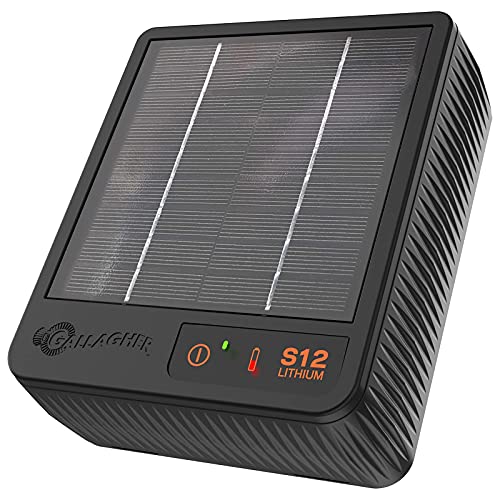
Gallagher S12 Solar Electric Fence Charger

Zareba 10 Mile Solar Powered Low Impedance Electric Fence Charger ESP10M-Z
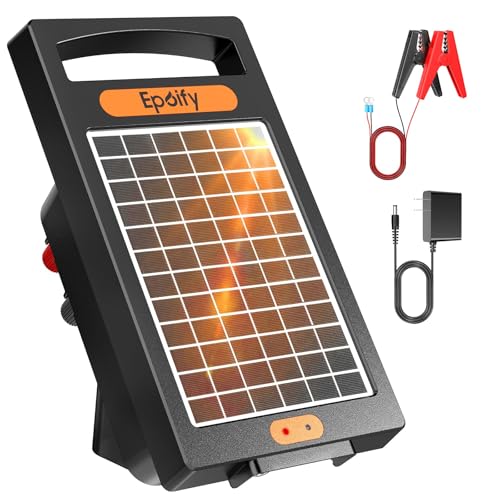
Epoify 24-Hour Solar Electric Fence Charger 0.18J

Epoify 24-Hour Solar Electric Fence Charger 0.32J

Zhangmengge 10 Miles Solar Powered Electric Fence Charger 0.18J

Zhangmengge 20 Miles Solar Powered Electric Fence Charger 0.32J
More Details On Our Top Picks
ANDMON leans toward the kind of setup you want for a small boundary that still needs day-to-night attention. The 0.16J output is modest, so it fits shorter runs and lighter containment more naturally than heavy-duty pasture work.
The rechargeable solar panel keeps the package self-contained, which matters on a garden edge or a movable pet line where you don’t want extra wiring. That lower output also keeps expectations sensible, and that’s a good thing for newer setups that don’t need a storm-of-the-century pulse.
Strong Points
- Day/night mode helps match output to routine fence use.
- Solar charging keeps installation simpler than a wired setup.
- The portable format suits small runs near the house or shed.
- 0.16J output works for lighter containment needs.
Things To Consider
- Lower energy makes it a softer fit for long, weedy lines.
- More exposed solar gear usually means a bit more cleaning.
- You may outgrow it sooner on larger livestock perimeters.
Feature Snapshot
Who It Suits Best
You get the most from this pick on a smaller yard boundary, a pet enclosure, or a modest garden fence where portability matters more than raw punch.
A Better Fit Elsewhere
Zareba 10 Mile Solar Powered Low Impedance Electric Fence Charger ESP10M-Z suits you better for small-animal control with a simpler range target and a more established farm-brand feel.
This Zareba model is built around a simple idea, keep the zone small and the install easy. The low impedance design means the charger is meant to keep delivering over fence conditions that aren’t ideal, which matters around garden edges where weeds tend to creep in.
You also get a built-in mounting setup for T-posts, round and wood posts, Y-posts, and flat surfaces, so placement feels flexible rather than fussy. For chicken runs, rabbit pens, or a tidy backyard perimeter, that kind of versatility can save time during setup.
Reasons To Buy
- 2-mile rating fits compact fence layouts well.
- Built-in mounting broadens where you can place it.
- Solar storage can stretch up to two weeks without sun.
- Small-animal focus suits garden and pet control.
Small Caveats
- It is not aimed at long pasture runs.
- Weeds can shorten practical coverage in real yards.
- Smaller solar units often need a cleaner mounting spot.
Core Details
Who Should Grab It
You suit this pick best when your fence stays short, your animals are small, and you want a straightforward solar charger without extra complexity.
Swap It Out When
ANDMON 10 Miles Solar Electric Fence Charger fits better for you when a little more range and day/night control matter more than compact simplicity.
For large livestock lines, the headline number here does most of the talking. A 9-joule energizer, with a 25W solar panel and 12V battery, points to a much heavier-duty setup than the smaller solar units earlier in the list.
That kind of power can make sense on broad pasture layouts where you want a stronger pulse along a long run, and the 120-mile range claim is clearly aimed at big acreage. The honest read is that this is the sort of charger you consider when your fence work stops being a backyard project and starts feeling like a real farm perimeter.
Plus Points
- High joule output suits demanding fence lines.
- 25W solar panel supports a serious power package.
- 12V battery adds another layer of stored energy.
- The large claimed range fits wide acreage plans.
Areas To Watch
- This is more charger than small pens need.
- Larger units usually ask for more careful placement.
- The scale may feel unnecessary on modest yards.
Technical Sheet
Built With In Mind
You fit this charger best when you manage a large pasture, livestock paddock, or a fence line that needs stronger electrical output than basic solar units provide.
Where A Sibling Pick Shines
Gallagher S12 Solar Electric Fence Charger suits a smaller mobile setup more cleanly, especially when you want portable toughness without the scale of this M MINGYA unit.
Gallagher takes a more polished route than the bigger-output M MINGYA model, with solar lithium technology and a stored 0.12-joule energizer built into a portable body. That lower stored energy keeps it in a different lane, better suited to compact paddocks and movable fence jobs than to huge acreages.
Built-in earthing is the feature that stands out here, because it simplifies part of the grounding setup and helps the unit feel less fussy in the field. For a farm lane, rotational grazing layout, or temporary fence line, that practical design can be worth more than raw size.
Highlights
- Portable build makes relocation easier.
- Solar lithium design supports tidy field use.
- Built-in earthing reduces one setup step.
- Works neatly for shorter fence runs.
Room For Improvement
- It is aimed at smaller coverage than the biggest units.
- Stored output is modest for tougher boundary jobs.
- Portable gear still benefits from careful storage between moves.
Details At A Glance
Made For
You fit this pick best for temporary paddocks, mobile grazing, or a lighter field setup where portability matters as much as coverage.
Reach For A Different Pick When
M MINGYA Solar Electric Fence Charger 9 Joule suits you better once the fence line gets much larger and the power demands climb.
This Zareba charger sits in a useful middle ground for mixed farms. The 0.15 output joules are modest, but the 10-mile rating and low impedance setup give it a practical profile for cattle, horses, goats, and other livestock that need a managed boundary rather than a heavy industrial pulse.
The built-in mounting bracket is the kind of detail that matters after the box is opened, because post compatibility can make or break an easy install. For a pasture fence or a dry-lot edge, that simpler mounting path is often the difference between a tidy afternoon and a long one.
Bright Spots
- 10-mile range works for many farm layouts.
- Low impedance design helps it cope with real fence conditions.
- Built-in bracket supports easier post mounting.
- Suitable for several livestock types in one setup.
Worth Noting
- Output is moderate, so it suits manageable fence lengths best.
- Post mounting still depends on your fence hardware match.
- Mixed livestock use can require careful fence planning.
Feature Rundown
The Right Fit
You fit this charger best for a working fence around mixed livestock where straightforward mounting matters and the line length stays moderate.
Look Elsewhere When
Zhangmengge 20 Miles Solar Powered Electric Fence Charger 0.32J suits you better when you need more range and dual-power flexibility for larger ground to cover.
Epoify’s 24-hour model keeps the focus on steady solar use rather than extra complexity. The portable all-in-one format, paired with 0.18J output and a 10-mile target, makes sense for livestock lines that need a dependable everyday setup without a sprawling hardware stack.
The stated 5,700 to 10,200V pulse output gives you a clearer sense of the energy range than many lightweight chargers do, although real-world fit still depends on fence length and condition. Rainproof construction adds confidence for outdoor placement, especially on properties where weather turns quickly and equipment lives outside.
Standout Traits
- 24-hour solar charging supports continuous outdoor use.
- Portable all-in-one design keeps the setup tidy.
- Rainproof build suits exposed fence locations.
- 10-mile target fits many livestock enclosures.
Minor Gripes
- Lower output means it suits mid-sized jobs more than huge ones.
- Portable units still need sensible placement for the panel.
- You may want a stronger model for dense pressure points.
Quick Facts
Whose Shelf It Belongs On
You suit this charger best for routine livestock fencing where you want a portable solar unit that feels manageable rather than oversized.
Where A Sibling Pick Shines
Epoify 24-Hour Solar Electric Fence Charger 0.32J fits better once your line gets longer and you want a stronger push for a larger enclosure.
Compared with the smaller Epoify unit, this version steps up to 0.32J and a 20-mile target, which is a much more serious fit for longer runs. The 5,700 to 10,200V pulse output and all-in-one portable format make it feel built for stronger enclosure work without becoming a stationary eyesore.
Weatherproof construction matters here because bigger fence layouts usually live in more exposed spots, and maintenance gets easier when the hardware can stay outside. For cattle or larger grazing setups, this is the kind of charger that earns attention through capacity, not polish alone.
Best Bits
- 0.32J output gives more headroom than lighter models.
- 20-mile target suits broader fence layouts.
- Portable all-in-one design keeps setup easier.
- Weatherproof build supports exposed placement.
Points To Note
- Higher output is useful only when the fence line needs it.
- Large-capacity solar units still deserve good panel exposure.
- It may feel more than you need for tiny pens.
Feature Card
Best Suited To
You suit this pick best for larger livestock boundaries where a more forceful solar charger is worth the extra scale.
Another Choice May Suit
Epoify 24-Hour Solar Electric Fence Charger 0.18J makes more sense for a modest line or a lighter-duty boundary around a smaller enclosure.
What stands out here is the portability angle, because this Zhangmengge charger is meant to move with the fence rather than sit in one permanent spot. The day/night mode, portable solar panel, and 0.18J output make it a strong fit for smaller livestock or pet barriers near the house or out in grazing areas.
Dual power support gives you a little more placement flexibility than solar-only units, and that’s handy when weather or shade complicates the spot you want. It feels especially practical for temporary garden protection, where moving hardware around is part of the routine.
Positives
- Lightweight format makes relocation easier.
- Day/night mode supports day-to-day fence routines.
- Solar and AC power add placement flexibility.
- Portable panel helps with go-anywhere setups.
Honest Caveats
- 0.18J is a modest output for demanding fencing.
- Portable gear can be more exposed to rough handling.
- Dual-power convenience still depends on where you install it.
Core Details
Perfect Match For
You fit this pick best for a moveable garden fence, a small livestock zone, or a boundary that changes with the season.
Skip It When
Zhangmengge 20 Miles Solar Powered Electric Fence Charger 0.32J suits you better when the line gets longer and the energy demands rise.
This Zhangmengge unit looks built for the person who wants more ways to power a fence, not fewer. Solar and AC dual power, 0.32J output, a 20-mile target, and 10.2kV output make it the most flexible pick in this group for mixed-use properties with gardens, livestock, or both.
Rainproof construction and easy setup add to the practical side, especially on farms where equipment has to live outdoors and still stay manageable. It also feels like the most adaptable option for property owners who split time between small garden protection and broader animal control.
Upsides
- Dual power gives you more install options.
- 0.32J output offers stronger fence energy.
- 20-mile target suits broader boundaries.
- Rainproof build helps with outdoor placement.
- Easy setup lowers the barrier to first use.
Softer Spots
- More features can mean a little more to think about during setup.
- It may be more charger than tiny garden edges need.
- Dual power is helpful, though it adds another planning choice.
Key Specs
Who Will Love This
You fit this model best when your property blends garden protection with livestock fencing and you want a charger that can handle both jobs.
Another Choice May Suit
Zhangmengge 10 Miles Solar Powered Electric Fence Charger 0.18J suits you better for a lighter, more moveable setup around smaller spaces.
How To Choose The Right Solar Electric Fences
Match Output To The Fence Job
Joules measure stored energizer output, and that number matters because it shapes how much push reaches the fence line. Lower figures, like 0.12J to 0.18J, suit small runs and lighter containment, while stronger numbers make more sense for broader boundaries or more demanding livestock setups.
Range claims need the same careful reading. A long figure on a product page does not automatically mean your yard, pasture, or weed-heavy line will perform the same way, so match the number to the real shape of your property.
Think About Power And Placement
Solar-only units work best where the panel gets steady light and stays fairly clean. Dual-power models give you a useful backup path, which helps on shaded edges, mobile fencing, or spots that move through the season.
Mounting style matters almost as much as output. Brackets, earthing, and post compatibility decide how smooth the install feels, and the easier the hardware fits your fence posts, the less time you spend wrestling with the setup.
Choose For Animals And Terrain, Not Just Numbers
Small animal runs, garden boundaries, and pet enclosures usually need a different scale than cattle or horse fencing. Low impedance models help a fence keep working across normal field conditions, which matters where weeds, damp soil, or longer spans can dull performance.
Portable units are handy for rotating paddocks or temporary grazing lines, while heavier chargers suit fixed farm perimeter work. That split is the real decision point, and it often tells you more than the headline range alone.
Things Worth Knowing First
Common Shopping Slip Ups
Many people focus on the longest range on the page and skip the rest of the setup. That can lead to a charger that looks strong on paper but feels oversized, underpowered, or awkward once it meets your actual fence length and post layout.
Another common miss is ignoring shade, weeds, and panel position. Solar gear needs a decent siting, and a unit that works well on an open fence may feel far less convincing beside a hedge line or barn wall.
The Upgrade Payoff
Higher-tier solar fence chargers usually earn their keep through stronger output, larger coverage, better battery support, or more flexible power options. You also tend to get sturdier housings and simpler field use, which matters when the unit lives outdoors for long stretches.
Paying more makes sense for bigger acreage, mixed livestock, or a fence that faces rougher conditions. For a small garden strip or a short pet barrier, a simpler unit is often the more sensible call.
Frequently Asked Questions
What size solar fence charger suits a small garden?
A compact charger with modest output and a short-to-mid range usually fits a small garden best. The Zareba ESP2M-Z and ANDMON 10 Miles model both lean into that smaller scale.
Do weeds really affect solar electric fence performance?
Yes, weeds can cut practical fence performance because they create extra load along the line. Low impedance models handle that better than basic units, though they still work best on cleaner fence runs.
Is dual power useful on a solar fence charger?
Dual power gives you more placement freedom, especially in shaded or changeable spots. It helps when solar access is inconsistent or when you want a backup path.
What matters more, range or output?
Both matter, but output tells you more about how much energy the fence can deliver. Range helps with scale, while output tells you whether that scale can be handled well.
Which pick suits a large livestock perimeter?
The M MINGYA 9 Joule charger is the clearest fit for a larger, more demanding perimeter. It is the most serious option here for broad pasture work.
Final Thoughts
The right solar fence charger comes down to scale, placement, and how hard the fence has to work. Small pet runs lean toward compact units like the Zareba ESP2M-Z or ANDMON option, while larger livestock lines need more output and better power support. Gallagher, Epoify, and Zhangmengge each cover a different slice of that middle-to-heavy range, so you can match the hardware to the job instead of hoping one box solves everything. Choose the pick that fits your fence first, and the rest gets easier.
