

Solar fence chargers make sense when you need a boundary that keeps working in a field, garden, or paddock without asking much from nearby power. The right unit depends on fence length, livestock type, and how much daylight your setup gets across the week. Some of these picks lean portable and small, while others are built for longer runs and tougher chores.
Quick Look At The Shortlist
ANDMON 10 Miles Solar Electric Fence Charger

Parmak Magnum Solar-Pak 12 MAG12-SP
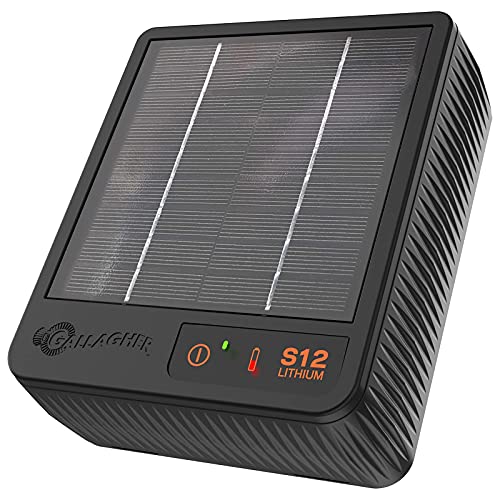
Gallagher S12 Solar Electric Fence Charger

Zareba 10 Mile Solar Powered Electric Fence Charger ESP10M-Z
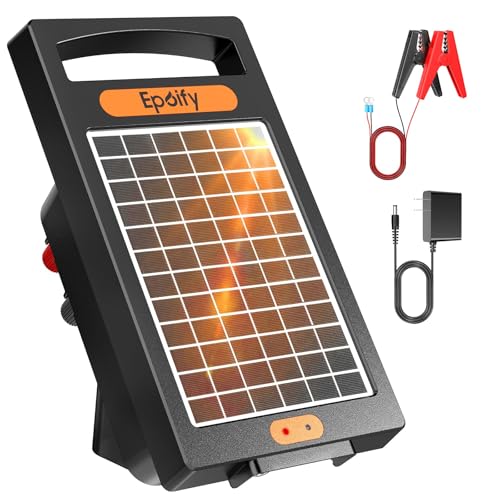
Epoify 24-Hour Solar Electric Fence Charger 0.18J

Epoify 24-Hour Solar Electric Fence Charger 0.32J
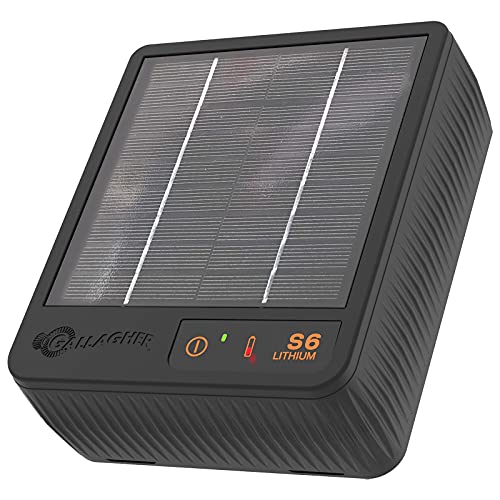
Gallagher S6 Solar Electric Fence Charger

Zhangmengge 10 Miles Solar Powered Electric Fence Charger 0.18J

Zhangmengge 5 Miles Solar Powered Electric Fence Charger 0.11J
More Details On Our Top Picks
The ANDMON unit fits a smaller fence line that still needs steady attention through changing daylight. With 0.16J, the output stays in the light-duty zone, so it suits garden edges, pet boundaries, and compact pasture work more than heavy containment.
The day and night mode is useful in real farm routines, because the charger can keep working beyond the obvious sunny stretch. Compared with the Parmak and Epoify options later in the list, this one feels more portable and less committed to wide-area coverage, which is helpful when your setup changes season to season.
Reasons To Buy
- Day and night mode supports steadier fence operation across a normal 24-hour cycle.
- The 0.16J output matches lighter enclosures without pushing you into oversized hardware.
- Portable format helps you move it between runs or seasonal sections with less hassle.
- Rechargeable solar-panel design fits outbuildings, small paddocks, and mixed-use yards.
Small Caveats
- The shorter range makes it a poor match for broad acreage.
- You may outgrow it quickly on larger livestock lines.
- Solar placement matters, so shaded corners can limit how comfortably it keeps pace.
Feature Rundown
Who It Suits Best
You get the most from this pick when your fence is modest in length and you want a portable solar unit for routine boundary control.
A Better Fit Elsewhere
Gallagher S12 Solar Electric Fence Charger suits you better for tougher portability needs and a more rugged feel around changing fence sections.
Parmak’s Solar-Pak 12 stands apart because it’s built around a much wider working reach than the compact picks around it. The low-impedance design matters too, since low impedance means the charger is made to keep pushing through fence load more effectively than basic units.
That makes it a serious fit for long property edges, split grazing areas, and setups where line loss becomes part of daily life. The trade-off is plain enough, though, because a bigger-range charger usually belongs in a more deliberate installation rather than a quick seasonal move.
What We Like
- The 30-mile range makes it suitable for larger farm layouts.
- Low-impedance design helps the energizer handle tougher fence conditions more capably.
- 12-volt battery operation broadens placement options beyond a simple plug-in setup.
- Useful when your property has distant fence corners or long corridor-style runs.
Points To Note
- It’s more than a small-yard solution.
- Battery-based operation adds another maintenance point to think through.
- The larger range is helpful, but it also means you’ll want a more deliberate install.
Core Details
Who Should Grab It
You’ll appreciate this one most on a larger property where fence length matters more than portability.
Swap It Out When
ANDMON 10 Miles Solar Electric Fence Charger is the easier fit for a smaller, movable setup that doesn’t need this much reach.
Gallagher’s S12 is the kind of charger that suits a tidy but active fence line, especially where portability matters more than sheer size. The built-in earthing helps simplify the setup because grounding, the path that lets current return properly, is handled in the product’s design rather than left entirely to guesswork.
Compared with Parmak’s broader reach, this one stays more compact and easier to move between sections. That makes it a smart fit for rotational grazing, temporary paddocks, and landowners who want a tougher-feeling unit without hauling a much larger charger around.
Highlights
- Solar lithium technology supports a modern off-grid setup.
- 0.12 stored joule output is well matched to smaller-to-medium fence runs.
- Built-in earthing reduces one layer of setup complexity.
- Portable design works well for changing fence zones.
- The tough build language fits real field use better than decorative features would.
Areas To Watch
- It won’t satisfy larger acreage the way the Parmak unit can.
- The lower stored joule figure points to a more modest containment job.
- You’ll still want sensible placement for good solar exposure.
Details At A Glance
Built With In Mind
You’re the right fit for this charger when you want a portable solar unit for a smaller grazing pattern or a changing fence layout.
Look Elsewhere When
Epoify 24-Hour Solar Electric Fence Charger 0.32J is the stronger move for you if your fence is longer and needs more output headroom.
Zareba’s 10-mile unit reads like a straightforward post-mounted answer for livestock containment. The built-in mounting bracket is the useful detail here, because it gives you a cleaner path to attach the charger to posts instead of improvising a holding point in the field.
That makes it especially sensible for cattle, horses, and goats in places where a fixed position is more helpful than easy portability. Compared with the Gallagher S12, this one is less about moving often and more about settling in and staying put.
Bright Spots
- The 10-mile range suits many mid-size fence layouts.
- 0.15 output joules gives you a usable middle ground for common livestock jobs.
- The mounting bracket helps simplify post installation.
- Good fit for set-and-leave fence sections around barns or grazing areas.
Honest Caveats
- It’s less flexible than the portable Gallagher units.
- Fixed mounting works best when your fence line is already planned out.
- Those with very long acreage may want a stronger range.
Feature Card
Whose Shelf It Belongs On
You’ll get good value from this one when your fence is permanent or semi-permanent and you want a clean post setup.
A Better Fit Elsewhere
ANDMON 10 Miles Solar Electric Fence Charger suits you better when portability matters more than a fixed mounting plan.
Epoify’s 0.18J model lands in a useful middle lane, with enough output for a 10-mile setup and enough flexibility to suit changing weather. The 24-hour solar charging claim matters in practical terms, because fence chores rarely line up neatly with sunny hours.
The weatherproof build adds peace of mind for outdoor placement, and the pulse range between 5700V and 10200V gives the listing a firmer technical identity than the simpler small-yard models. Compared with the Zareba unit, this one feels more self-contained and a bit more travel-friendly.
Upsides
- 0.18J output sits above the lighter-duty options in this roundup.
- 10-mile reach suits many mid-size livestock enclosures.
- Weatherproof construction fits exposed outdoor placement.
- All-in-one form keeps the installation simple.
- Pulse output range gives you a clearer sense of operating strength.
Room For Improvement
- It still falls short of the largest-range choice here.
- Heavy acreage can ask for more output headroom.
- Solar performance will always depend on placement and daylight exposure.
Quick Facts
Perfect Match For
You should look at this model when you want a middle-weight solar charger for livestock and a weather-aware setup.
Where A Sibling Pick Shines
Gallagher S12 Solar Electric Fence Charger makes more sense for you if you want a smaller, tougher-feeling portable option.
This is the most capable Epoify unit in the list, and the 0.32J output tells you why. The 20-mile reach, paired with 5700V to 10200V pulse output, points to a charger built for longer livestock lines where weaker units can start to feel undersized.
For bigger properties, that extra headroom matters because the charger has more room to handle fence load without feeling stretched. Compared with the 0.18J Epoify model, this one is the clearer upgrade for broader runs and more demanding containment work.
Standout Traits
- The 20-mile reach opens up wider fence layouts.
- 0.32J output gives you the strongest energizer level in this roundup.
- Pulse output range adds useful detail for fence planning.
- 24-hour solar charging suits long outdoor placement cycles.
- Good fit for users who want one charger to cover more ground.
Minor Gripes
- It’s more charger than a small yard needs.
- The stronger output is useful, but it also makes a tighter fence plan more important.
- Size and placement deserve attention during setup.
Core Details
The Right Fit
You’re the best match for this charger when your fence is long, your property is broad, and you want more output headroom.
Where Another Pick Suits Better
Zareba 10 Mile Solar Powered Electric Fence Charger ESP10M-Z is easier to live with if your layout is smaller and more fixed.
The S6 is the garden-and-small-stock answer in this group, and that focus shows up in how neatly it mounts to a grounding rod. The lithium battery gives it a more modern power profile than old-style portable hardware, which matters when you want a tidy setup around chickens, goats, or pet boundaries.
It feels much smaller in ambition than the longer-range chargers from Gallagher and Parmak, and that’s the point. For short runs and close-in boundaries, this kind of unit can feel easier to manage than a heavier field charger that brings more power than you’ll use.
Best Bits
- Made for gardens, chickens, goats, and pets.
- Mounts directly to a grounding rod for a simpler setup path.
- Lithium battery support suits compact solar use.
- Smaller format fits close-in fence work neatly.
Softer Spots
- It’s a niche fit, not a broad-acreage unit.
- Shorter-range use cases are its natural home.
- You may outgrow it quickly on mixed livestock property.
Feature Snapshot
Who Will Love This
You’ll like this model most for smaller, carefully managed boundaries near a house, garden, or pet area.
Reach For A Different Pick When
Parmak Magnum Solar-Pak 12 MAG12-SP makes more sense for you once the fence grows into a much wider property line.
Zhangmengge’s 10-mile charger sits in the middle of the group with a helpful twist, because it includes both a solar panel and AC dual power. That kind of dual-source design matters in mixed-sun areas, where a backup path can keep the fence plan less dependent on perfect weather.
The 0.18J output keeps it close to the Epoify 10-mile model, but the added power option gives it a broader setup story. For a gardener or livestock owner who needs movement between house-adjacent runs and grazing areas, that flexibility can save some rework.
Standout Traits
- Dual power setup adds useful flexibility.
- Day and night mode supports steadier routine use.
- 0.18J output fits many moderate fence needs.
- Weatherproof design helps for exposed placement.
- Portable format works well when you move fences around the property.
Worth Noting
- The 10-mile range still keeps it in the mid-size lane.
- Dual power helps, but setup details still matter.
- Solar access remains important even with AC support.
Feature Rundown
Best Suited To
You’re a good match for this charger when your fence location changes and you want more than one power path.
Another Choice May Suit
Gallagher S6 Solar Electric Fence Charger is the cleaner fit for a smaller, closer-in enclosure around pets or gardens.
The 5-mile Zhangmengge model is the smallest reach pick here, and that makes it useful in compact spaces where a larger charger would feel wasted. The 0.11J output keeps the unit in lighter-duty territory, which is enough for short runs, narrow borders, and basic garden protection.
Compared with the 10-mile Zhangmengge option, this one trims the scale down and feels more direct for simple setups. It’s the sort of charger that can make sense beside a shed or along a short perimeter, where easy placement matters more than broad coverage.
Positives
- Compact scale suits short fence runs well.
- 0.11J output matches lighter containment tasks.
- Day and night mode adds practical daylong use.
- Portable solar panel format supports simple placement.
Trade Offs
- The 5-mile range is clearly more limited than the rest.
- It’s not the right answer for larger livestock areas.
- Short-run usefulness comes with a smaller operating margin.
Technical Sheet
Made With In Mind
You should look here when your fence is short, your space is tight, and you want a simple solar charger without extra bulk.
Skip It When
Epoify 24-Hour Solar Electric Fence Charger 0.32J is the smarter choice for you once the layout grows into a larger livestock line.
How To Choose The Right Solar Electric Fence Chargers
Fence Length And Output Need To Match
Fence reach is the first number worth sorting out because it tells you how far the charger is meant to work. A 5-mile or 10-mile unit suits shorter property lines, while 20-mile and 30-mile models make more sense once the boundary gets broader.
Output also matters, and joules tell you the energizer strength in simple terms. Light garden work can stay near the lower figures, while larger livestock sections benefit from more stored energy and a little extra headroom.
Power Source And Placement Shape Daily Use
Solar-only chargers depend heavily on sun exposure, so placement can make or break how easy they are to live with. A south-facing, open spot usually makes more sense than a shaded fence corner near trees or buildings.
Dual-power or battery-backed models help in places where weather changes fast or a fence needs more predictable support. That extra flexibility often costs more, but it can save you from moving the charger around as often.
Animal Type And Fence Style Should Guide The Pick
Small pets, chickens, and garden borders rarely need the same setup as cattle or horses. A compact unit can be enough for the smaller jobs, while heavier livestock often call for more reach, more output, and a sturdier install.
Fixed mounts suit permanent fence lines, but portable designs make more sense for rotational grazing and temporary paddocks. That simple split clears up a lot of confusion before you look at brand names or extra features.
Maintenance And Setup Time Matter Too
Some models ask for more attention to mounting, battery care, or placement than others. A charger that looks simple on paper can still take extra effort in the field, especially around grounding and panel angle.
You’ll usually be happier with the unit that matches your routine, not just your fence length. The easy one to maintain is often the one that actually gets used the right way.
What To Weigh Before You Choose
Common Shopping Slip Ups
One common mistake is oversizing the charger for a small boundary. That usually means you spend more time, money, and space than the fence really needs.
Another slip is ignoring sun exposure. Solar hardware only feels effortless when the panel gets enough light through a normal day.
The Upgrade Payoff
Higher-tier models usually bring more output, broader coverage, or more flexible power options. You also tend to get better support for tougher fence layouts and longer runs.
That extra spend makes sense once your property is larger, your fence is more demanding, or you want fewer compromises in placement. For a short garden line, though, a simpler model often does the job with less fuss.
Frequently Asked Questions
How many miles should your solar fence charger cover?
Match the charger to the real fence length, then leave a little room for layout complexity. A short boundary rarely needs a long-range unit.
Do solar electric fence chargers work in cloudy weather?
They can still work, but performance depends on panel exposure and the unit’s power design. Chargers with battery support or dual power usually handle changing weather more comfortably.
What does joule output mean for fence use?
Joule output is a simple way to think about energizer strength. Lower numbers suit lighter jobs, while higher numbers fit longer lines and tougher containment needs.
Which animals suit smaller solar chargers?
Gardens, chickens, goats, and pets often fit smaller chargers well. Larger livestock usually call for more output and more fence reach.
What matters most during installation?
Good solar exposure, sensible mounting, and proper grounding matter most. A tidy setup usually performs better than a rushed one, even with a capable charger.
Final Thoughts
The best solar electric fence charger for your place is the one that fits your fence length, your animals, and your daily routine without asking for more than you need. Small garden runs can stay simple, while wider livestock lines call for more output and range. The nine picks here cover that spread from compact portability to larger-property coverage, so your choice gets easier once you focus on the job in front of you. Pick the model that matches your layout, and the fence work gets a lot less fussy.
