

Portable solar makes sense when you want quiet backup without hauling a gas unit around. For camping, RV trips, tailgates, and outage prep, the right panel can keep a power station, phone, or small device moving without much fuss. The tricky part is matching wattage, output ports, foldability, and weather resistance to how you actually travel. This roundup focuses on that fit, so you can sort through the specs without getting buried in them.
The Shortlist At A Glance

Renogy 200W Portable Solar Panel Foldable Power Backup

ZOUPW 450W Portable Solar Panel N-Type 16BB Foldable

FlexSolar 100W Foldable Portable Solar Panel Charger IP67

Renogy 400W Portable Solar Panel Foldable Suitcase

SOLUPUP Solar Panels 30W Portable Foldable Solar Charger
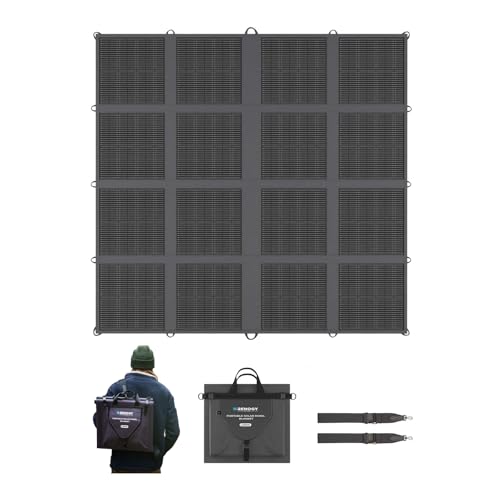
Renogy 400W Portable Solar Panel Blanket Backpack-Size

100W Portable Solar Panel CPC Material USB-C PD3.0
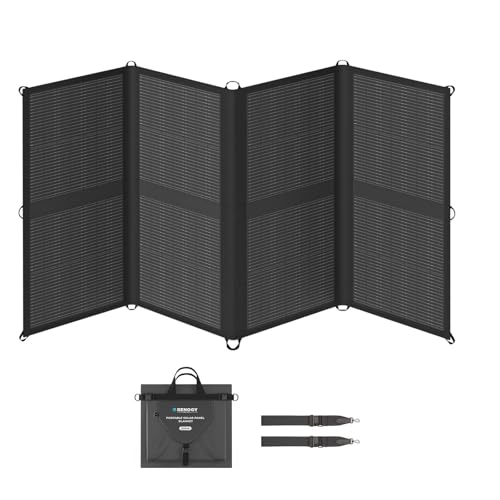
Renogy 200W Portable Solar Panel Backpack-Size Foldable
More Details On Our Top Picks
Renogy’s 200W panel sits in a very usable middle ground, especially for camping weekends or an RV setup that already includes a power station. The foldable format and kickstand help you set it down without a lot of fuss, and the USB-A plus USB-C outputs make it easier to keep smaller devices topped up without extra adapters.
The IP65 rating points to dust resistance and light water exposure, which matters when the panel lives outside a tent or on a patch of gravel. You may find the 200W ceiling more practical than dramatic, but that trade-off keeps it friendlier for lighter carries and simpler storage than the larger Renogy 400W picks later in the list.
What We Like
- 200W output suits modest backup needs without feeling oversized.
- USB-A and USB-C ports help charge smaller electronics directly.
- Foldable construction makes storage easier in an RV bay or trunk.
- Kickstand support helps angle the panel more neatly in camp setups.
- IP65 protection adds useful peace of mind for outdoor use.
Points To Note
- 200W is sensible, but it won’t match the faster replenishment of the 400W models here.
- Direct device charging is handy, though a power station still gives you more flexibility.
- Foldable panels need careful packing so hinges and cables stay tidy.
Feature Snapshot
Who It Suits Best
You suit this panel well if your trips revolve around camping, a small RV system, or light blackout backup.
A Better Fit Elsewhere
ZOUPW’s 450W portable panel fits power-station owners who need faster solar input for larger battery packs.
ZOUPW clearly aims at heavier power needs, and the 450W rating puts it in a very different lane from the 200W Renogy options. The N-type 16BB cell design means the panel uses newer cell architecture with more conductive grid lines, which usually matters most when you want stronger output in a foldable format.
Its IP68 water resistance is a real comfort point for outdoor storage or rough weather around an RV pad. The honest trade-off is size and weight class, so this looks better for a permanent or semi-permanent setup than for quick hand-carry camping stops.
Strong Points
- 450W output fits larger power stations and faster solar intake goals.
- N-type 16BB cell build suggests a more advanced panel layout.
- IP68 protection gives the panel a tougher outdoor-ready profile.
- Good match for RV backup where raw output matters more than compactness.
- Well suited to users who want one panel to shoulder more of the load.
Small Caveats
- The higher output comes with a larger footprint to store and manage.
- Less portable than the 100W and 200W options in the lineup.
- More panel can mean more setup space around the campsite or driveway.
Technical Sheet
Built With In Mind
You suit this panel best if your power station is large and your camping or RV setup needs serious solar input.
Another Choice May Suit
Renogy’s 400W portable suitcase panel is the easier match for users who want high output with a more established fold-and-carry style.
FlexSolar leans into convenience more than brute power, and that makes sense for phones, power banks, and smaller station backups. The built-in PD3.0 USB-C, QC3.0 USB-A, and DC ports let you cover several device types from one folding panel, which is a nice fit for a packed trunk or day-hike base camp.
The IP67 rating gives it a stronger weather stance than the IP65 and IPX5 panels in this list, so it feels better suited to damp or dusty travel days. The trade-off is obvious, though, because 100W won’t move a large battery nearly as quickly as the 400W Renogy or 450W ZOUPW choices.
Highlights
- USB-C, USB-A, and DC outputs cover a lot of small-device needs.
- 100W output suits portable charging without crowding your gear bag.
- IP67 rating adds a stronger outdoor weather cushion.
- Good match for emergency kits, road trips, and weekend camping.
Worth Noting
- Charging pace is modest compared with the larger panels here.
- Direct device charging is useful, but a power station still keeps the setup tidier.
- Foldable gear rewards careful cable storage after each use.
Quick Facts
Who Will Love This
You suit this pick best if your main job is keeping smaller electronics moving during camping or roadside stops.
Where A Sibling Pick Shines
SOLUPUP’s 30W foldable charger fits lighter carry-on use better, while Renogy’s 200W model gives you more headroom for a power station.
This is the panel for bigger backup plans, and the suitcase-style fold gives it a more deliberate, less flimsy feel than many lightweight travel panels. The sturdy kickstand matters because a large solar panel only helps when it stays angled properly, especially beside an RV or on a sunny patch outside a cabin.
IP67 weather resistance makes it easier to leave outside with some confidence, though the larger size still asks for more storage room and a stronger carry habit. Compared with the 200W Renogy model, this one is for people who want fewer compromises on output and don’t mind the added bulk.
Best Bits
- 400W output works well for more demanding power-station setups.
- Suitcase fold makes the panel easier to manage than a loose array.
- Sturdy kickstand helps with stable positioning on-site.
- IP67 rating supports rougher outdoor use and storage.
- Good fit for RV backup where solar contribution matters a lot.
Areas To Watch
- Larger panels need more room in storage and during setup.
- Portability is still there, but it’s not a grab-and-go piece.
- Most useful when your battery bank can accept higher input.
At A Glance
Best Suited To
You suit this panel best if your RV, cabin, or blackout setup needs substantial solar input from a portable format.
Look Elsewhere When
Renogy’s 200W backpack-size panel fits lighter travel better, especially for campers who care more about ease than output volume.
SOLUPUP keeps things simple, which is exactly why it fits light travel, hiking, and short camping trips. The 5V USB-A and USB-C outputs make it easy to top up a phone or power bank directly, and the built-in smart chip helps the charger identify devices and adjust output in a more controlled way.
The auto-reconnect behavior after sunlight returns is a practical touch, especially for moving clouds or a shifting campsite. The smaller 30W size is the clear trade-off, so this is more about convenience for small electronics than serious station charging.
Positives
- 30W output keeps the panel light and easy to carry.
- USB-A and USB-C support many common phone and power bank cables.
- Smart chip management helps keep charging behavior orderly.
- Auto-reconnect support suits changing light during outdoor use.
Honest Caveats
- 30W is best for small devices, not larger backup jobs.
- Less suitable than the 100W and 200W picks for power stations.
- Light-use panels still reward careful folding and dry storage after trips.
Core Details
Perfect Match For
You suit this panel best if you want a small travel charger for phones, tablets, and power banks.
Skip It When
FlexSolar’s 100W charger makes more sense for campers who need direct device charging plus more headroom for a power station.
Renogy’s blanket-style 400W panel is aimed at people who want strong output without a bulky suitcase form. The backpack-size folding design is the real story here, because it gives you a more compact way to carry a higher-output setup for camping, pickup travel, or marine use.
Compared with the other 400W Renogy panel, this one looks better suited to moving between locations more often. The trade-off is that a blanket-style design may feel less rigid than a suitcase panel, so storage and setup habits matter a little more.
Reasons To Buy
- 400W output keeps it firmly in the higher-capacity camp.
- Backpack-size fold makes transport easier than many large panels.
- Good fit for truck beds, boats, and travel-heavy routines.
- Space-saving shape helps in packed rigs and tight storage areas.
Points To Note
- Blanket-style panels depend on careful layout to stay properly oriented.
- Less rigid than a suitcase panel, so handling needs a lighter touch.
- Best used where the setup gets repeated often enough to justify the format.
Feature Rundown
The Right Fit
You suit this panel best if you move often between camp, pickup, and marine settings and still want serious output.
Reach For A Different Pick When
Renogy’s 400W suitcase panel suits you better if you prefer a stiffer frame and a more traditional portable setup.
This 100W option leans into connection flexibility, and that’s useful when your gear case includes a power station, a phone, or a generator-style backup setup. The 3-meter DC cable gives you more reach than a short lead, which matters in a camp where the best sun spot and your battery pack never seem to sit in the same place.
The CPC material is a manufacturer callout on the build side, and the panel also carries IP65 water resistance. Compared with FlexSolar’s 100W panel, this one feels more adapter-friendly for mixed-output setups, though it still belongs in the mid-range power class rather than the heavy-output tier.
Bright Spots
- 100W output suits portable backup without getting oversized.
- USB-C PD3.0, USB-A/C, DC, XT60, and Anderson support a wide range of gear.
- 3-meter DC cable helps with placement around camp or the driveway.
- IP65 resistance is useful for outdoor travel and setup.
Softer Spots
- Lots of connection options help, but they can make cable management busier.
- 100W still sits below the large-panel output of the 400W and 450W picks.
- Longer cables are convenient, though they need tidier storage after trips.
Details At A Glance
Whose Shelf It Belongs On
You suit this panel best if you want a flexible 100W charger for mixed devices and a power station.
Swap It Out When
FlexSolar’s 100W panel makes more sense if direct USB charging is more important than a wide adapter list.
This Renogy 200W model feels like the middle lane done carefully, with enough output for a useful solar supplement but still a shape you can pack more easily than the 400W choices. The backpack-size fold is the real convenience angle, especially for SUV trips, marine days, or a campsite where storage space is already tight.
USB-A and Type-C outputs make it easier to serve smaller devices without extra hardware, and that keeps the panel friendlier for everyday use. The trade-off is straightforward, because 200W is still a moderate ceiling, so it works best as a support piece rather than the center of a large off-grid setup.
What We Like
- 200W output gives you a useful step up from small travel chargers.
- Backpack-size fold keeps the panel easier to pack and store.
- USB-A and Type-C outputs help with common handheld gear.
- Strong fit for SUVs, marine use, and smaller RV storage spaces.
Room For Improvement
- Not as fast as the larger 400W and 450W panels for big battery banks.
- More useful as a portable support panel than a full solar array.
- Foldable gear works best with a dry, organized storage spot.
Feature Card
Who Should Grab It
You suit this panel best if you want a portable 200W option that balances size, output, and simple day-to-day use.
Consider Something Else When
The Renogy 400W suitcase panel is the better fit for larger RV backups and higher-input battery stations.
How To Choose The Right Portable Solar Panels
Start With Your Power Goal
The first decision is output, because watts tell you how much solar energy a panel can deliver under ideal conditions. A 30W panel works for phones and power banks, while 100W to 200W suits small backup systems, and 400W plus belongs with larger power stations or RV use.
Match the number to your actual loads, not the biggest label you can find. A larger panel is helpful only when your battery bank, inverter, and storage space can support it.
Match The Ports To Your Gear
Ports matter almost as much as wattage, especially for travel use. USB-A, USB-C, DC, XT60, and Anderson each solve different connection needs, so a panel with several outputs can save you from carrying a handful of adapters.
That said, more ports can mean more cables to keep track of. For messy camp tables, simple connections often feel easier than a feature list that looks better on paper.
Think About Weather And Handling
Water resistance is worth a close look for anyone who keeps gear outside a tent, truck bed, or RV bay. IP65 and IP67 help describe how well a product stands up to dust and splashes, while IP68 points to stronger exposure tolerance.
Foldable panels usually store more neatly than rigid ones, but the hinges, seams, and carry surfaces deserve a little care. A panel that folds small can still be awkward if your vehicle storage is already packed tight.
Choose By Travel Style
Campers who move often usually value lighter panels and backpack-style folds. RV owners and outage planners tend to care more about output, kickstands, and how fast the panel can feed a larger battery system.
The smartest match is the one that fits how often you set up, how far you carry it, and how much room you have once it’s packed away. That balance is where portable solar feels helpful instead of simply impressive.
A Quick Reality Check
Hidden Buying Traps
A common mistake is shopping by wattage alone and ignoring port types, cable length, and storage space. Another is picking a large panel for a small battery bank, which can leave you with more hardware than you can use well.
It also helps to think about where the panel will live between trips. Gear that folds flat is handy, but only when your trunk, cabinet, or RV bay can actually swallow the folded shape.
The Upgrade Payoff
Higher-tier panels cost more because they usually bring stronger output, more advanced cell layouts, tougher weather resistance, or more usable carrying formats. That extra spend makes the most sense for RV owners, marine setups, and serious backup plans that need solar to do real work.
For light travel, the upgrade can be overkill. A smaller panel often feels better when you mainly want to keep a phone or power bank alive without hauling a large foldout around.
Frequently Asked Questions
What size portable solar panel works for a power station?
A 100W panel fits small stations, while 200W gives you more breathing room for longer charging sessions. Larger stations usually benefit from 400W or more.
Is a foldable solar panel hard to carry?
Most foldable panels are built to be easier to store than rigid ones. The trade-off is that they still need careful handling around hinges, cables, and kickstands.
Do USB ports matter on a solar panel?
Yes, because they let you charge phones and small devices without extra gear in some setups. That convenience matters most for travel, camping, and backup kits.
What does IP65, IP67, or IP68 mean for this category?
Those ratings describe how much dust and water exposure the panel can tolerate. Higher numbers usually point to stronger protection for outdoor use.
Should you choose 30W, 100W, 200W, or 400W?
The right number depends on what you charge and how quickly you need to recharge it. Small devices fit 30W well, while power stations and larger backup plans need more wattage.
Final Thoughts
Portable solar works best when you match the panel to the trip, the backup plan, and the device list you actually carry. A 30W charger can be enough for light travel, while 200W and 400W options make far more sense for RVs and larger batteries. The good news is that this category has clear stepping stones, so you can size your setup without guesswork. Pick the panel that fits your routine, and the rest tends to fall into place.
