

Solar setups live or die by storage, not just panels. You need a battery that matches your inverter, your backup goals, and the space you have for wiring, mounting, and maintenance.
That’s why this roundup focuses on lithium iron phosphate options with practical differences, like capacity, low-temp protection, Bluetooth monitoring, and case style. Some suit a small cabin or RV, while others fit larger off-grid banks or golf cart conversions.
Quick Look At The Shortlist

dumfume 12V 150Ah Max LiFePO4 Battery
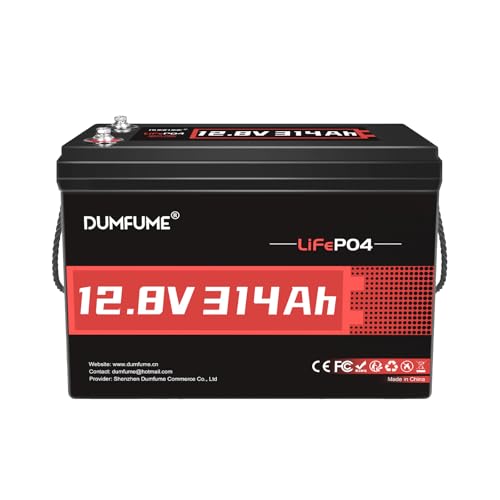
dumfume 12V 300Ah (314Ah) Lithium LiFePO4 Battery

CHINS LiFePO4 Battery 12V 100AH Lithium Battery

ECO-WORTHY 12V 100AH LiFePO4 Lithium Battery

LOSSIGY 48V Lithium Golf Cart Battery Conversion Kit

dumfume 12V 600Ah LiFePO4 Lithium Battery

Rvpozwer 12V 300Ah LiFePO4 Battery

DC HOUSE Metal Case 48V 100Ah Lithium Golf Cart Battery Kit
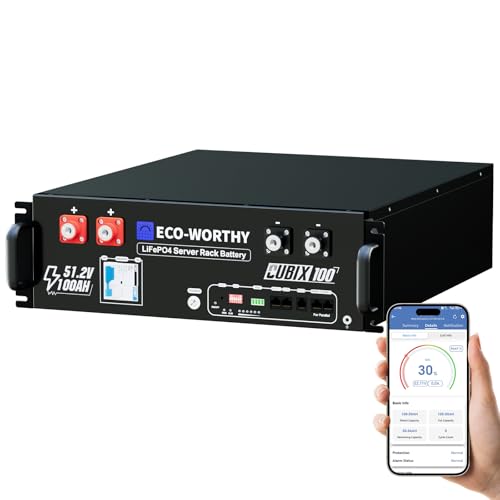
ECO-WORTHY Cubix100 48V 100Ah LiFePO4 Lithium Battery
More Details On Our Top Picks
For a modest solar bank, this 12V, 150Ah format gives you a cleaner path than stacking smaller batteries. The IP65 shell means dust and splashes are part of the design conversation, which matters in an RV bay, a shed, or a damp utility corner.
The 100A battery management system, or BMS, helps control charge and discharge behavior, so the pack fits everyday inverter and charging setups more neatly than bare-bones options like the CHINS 100Ah unit. The trade-off is simple, it’s still a single 12V battery, so larger cabins may outgrow it faster than they expect.
Strong Points
- 150Ah capacity gives you more breathing room for lights, a small fridge, and evening device charging.
- Low-temp protection helps the pack suit cooler garages, cabins, and shoulder-season camping.
- IP65 protection supports rougher placement than a plain indoor-only battery.
- 100A BMS keeps the battery aligned with common 12V solar and RV loads.
Points To Note
- Single-battery systems at this size still need sensible wiring and fuse planning.
- The pack may feel undersized for high-draw home backup runs.
Feature Rundown
Who It Suits Best
You’ll get the most from this battery in an RV, a small off-grid cabin, or a weekend solar setup that needs dependable mid-size storage.
Another Choice May Suit
ECO-WORTHY 12V 100AH LiFePO4 Lithium Battery fits you better when app monitoring matters more than raw capacity.
Capacity is the whole story here, and this dumfume pack leans hard into it. The 4019Wh figure tells you it’s built for longer runs, such as a larger inverter bank, extended boondocking, or backup for a busy shed or workshop.
Compared with the 150Ah dumfume above, this one is the clear step-up choice for energy storage, though it also demands more installation space and more careful system planning. The 200A BMS suits heavier loads, but the honest read is that most small setups won’t need this much battery.
Upsides
- Very high capacity gives you longer runtime between charges.
- 200A BMS supports heavier-demand systems more comfortably.
- Low-temp protection adds peace of mind in cooler storage spaces.
- IP65 protection helps in dust-prone or splash-prone environments.
- Deep-cycle design suits frequent charging and discharging.
Softer Spots
- Large format means it is not a casual drop-in for cramped battery boxes.
- Its scale can be overkill for light RV or trailer use.
Technical Sheet
Built With In Mind
You’ll get the most out of this battery in a larger solar array, a backup power cabinet, or an RV setup that stays off-grid for long stretches.
Skip It When
CHINS LiFePO4 Battery 12V 100AH Lithium Battery makes more sense for smaller systems that need a simpler, lighter starting point.
Some setups need a plain, sensible 100Ah battery, and this CHINS model fits that brief without fuss. The lower capacity keeps it friendlier for smaller solar arrays, trolling motors, and RV owners who are just moving into lithium storage.
Its built-in 100A BMS and low-temp protection make the listing easy to understand, which helps when you don’t want to spend your weekend sorting hardware details. The trade-off is obvious next to the bigger dumfume picks, you give up runtime for simplicity and a smaller footprint.
What We Like
- 100Ah size works well for compact 12V solar banks.
- Built-in BMS reduces the guesswork around battery protection.
- Low-temp protection helps in cool-weather storage or use.
- Good fit for trolling motors, boats, and small RV systems.
Room For Improvement
- Capacity is modest compared with the 300Ah and 600Ah options here.
- Most owners will need to watch overall runtime more closely.
Core Details
Right Fit For
Beginners building a first lithium solar setup or boat owners replacing older batteries will likely find this one easy to live with.
Swap It Out When
dumfume 12V 150Ah Max LiFePO4 Battery gives you more runtime with a similar 12V footprint.
Bluetooth monitoring changes the day-to-day experience here, because you can check voltage, current, and capacity from your phone instead of guessing. That’s useful in a fishing boat, a moving RV, or a home storage cabinet where the battery isn’t always easy to reach.
Compared with the CHINS 100Ah pack, this ECO-WORTHY option adds app visibility and Group 24 sizing, so it feels more like a monitoring-friendly upgrade. The catch is that app features are helpful only when you actually value live data, so a basic solar shed may not need them.
Highlights
- Bluetooth 5.1 lets you monitor battery status from your phone.
- Group 24 sizing helps replacement planning in many common trays.
- Low-temperature protection supports cold-weather storage use.
- Built-in 100A BMS keeps the pack aligned with everyday 12V systems.
- Real-time data helps you spot usage patterns before they become problems.
Areas To Watch
- Bluetooth adds convenience, but it also adds one more app-dependent step.
- The 100Ah size is still modest for larger off-grid banks.
Details At A Glance
Made For
You’ll appreciate this most in a setup where phone-based monitoring saves time, especially in RVs and boats.
A Better Fit Elsewhere
dumfume 12V 150Ah Max LiFePO4 Battery suits you better when runtime matters more than app tracking.
This LOSSIGY kit is aimed at a very specific job, and that’s part of the appeal. A 48V golf cart conversion kit with Bluetooth BMS support makes more sense for cart owners than for anyone building a typical 12V solar shelf.
The peak current rating, listed for brief 3 to 5 second bursts, hints at stronger start-up tolerance, which matters in cart use and similar high-demand moments. The trade-off is focus, not flexibility, since this is less about general solar storage and more about a conversion project with a defined battery format.
Reasons To Buy
- Purpose-built 48V format suits golf cart conversion work.
- Bluetooth BMS gives you more visibility into battery behavior.
- High peak current helps with short demand spikes.
- Also fits some RV and solar project layouts.
Minor Gripes
- Not the right shape for a standard 12V solar starter system.
- Very project-specific, so compatibility needs a closer look before installation.
Feature Snapshot
Who Should Grab It
Golf cart owners planning a lithium conversion will get the clearest fit from this kit.
Where A Sibling Pick Shines
DC HOUSE Metal Case 48V 100Ah Lithium Golf Cart Battery Kit is easier to like when you want the charger bundled in.
This is the kind of battery you look at for large storage jobs, not casual weekend use. With 7680Wh on tap, it’s aimed at people building bigger off-grid banks, backup walls, or high-capacity home storage systems.
Compared with the 300Ah dumfume option, this 600Ah version is for situations where runtime matters more than compactness. The practical catch is weight, space, and planning, because a battery this large tends to set the tone for the whole installation.
Best Bits
- Huge 600Ah capacity supports long backup periods.
- 7680Wh energy figure helps with serious system planning.
- 200A BMS fits higher-demand setups.
- IP65 protection and low-temp cutoff add useful durability cues.
- Deep-cycle design suits frequent use in solar storage.
Things To Consider
- Large size makes physical placement and handling more demanding.
- Overkill for small cabins or lightweight RV arrays.
Key Specs
The Right Fit
You’ll want this for a large solar storage bank, home backup wall, or an off-grid property with real daily energy demand.
Look Elsewhere When
dumfume 12V 300Ah (314Ah) Lithium LiFePO4 Battery fits better when you want strong storage without such a large footprint.
This Rvpozwer pack sits in a very useful middle zone: large enough for serious RV or marine storage, but not as oversized as the 600Ah dumfume unit. The 3840Wh figure gives you a clearer sense of runtime, which matters when you’re planning long trips or backup use.
The 200A BMS and low-temp protection make it feel ready for more demanding seasonal use, especially in a trailer, boat, or off-grid cabin. The honest read is that it works best for people who want a sturdy 12V anchor without jumping straight into huge battery-bank territory.
Positives
- 300Ah size gives you substantial storage for extended outings.
- 3840Wh rating makes capacity easier to picture in daily use.
- 200A BMS supports stronger system demands.
- Low-temp protection helps in cooler environments.
Honest Caveats
- Still fairly large, so mounting space matters.
- It may be more battery than a light weekend setup needs.
Feature Card
Best Suited To
You’ll like this most in an RV, trolling motor setup, or marine build that needs serious but manageable storage.
Reach For A Different Pick When
ECO-WORTHY 12V 100AH LiFePO4 Lithium Battery fits better when phone-based monitoring matters more than capacity.
Bundle convenience is the draw here, because the kit includes an 18A charger and a metal case that feels made for a more complete conversion job. That matters in a golf cart garage, where you want fewer loose pieces and less back-and-forth hunting for matching parts.
Compared with the LOSSIGY 48V kit, this one gives you the charger in the box, which simplifies the path from old setup to finished cart. The trade-off is that a bundled kit can lock you into a more specific setup, so careful fit checks still matter.
Bright Spots
- Included charger makes the conversion path more straightforward.
- Metal case adds a sturdier feel than a softer shell.
- Bluetooth app and LCD monitor give you two ways to check status.
- 200A BMS supports the demands of 48V cart use.
Small Caveats
- Bundled parts are convenient, but they also make the package more specialized.
- Cart owners still need to confirm physical fit and wiring layout.
Core Details
Whose Shelf It Belongs On
This belongs with golf cart owners who want a kit-style upgrade rather than a piecemeal parts search.
Where A Sibling Pick Shines
LOSSIGY 48V Lithium Golf Cart Battery Conversion Kit suits you better when the charger is already handled separately.
Server-rack style storage has a different feel from the cart batteries and 12V packs above, and that’s the appeal here. At 48V and 100Ah with 5120Wh of energy, the Cubix100 is aimed at home backup and solar storage where tidy stacking matters.
Bluetooth and WiFi support give you monitoring options that suit a more permanent install, while the listed compliance marks point to a more infrastructure-minded design. The honest trade-off is that this is not casual gear, it’s the sort of battery you choose when the rest of the system is already serious.
Best Bits
- Server rack format keeps larger storage systems organized.
- 48V, 100Ah sizing fits many home backup plans.
- Bluetooth and WiFi monitoring add practical visibility.
- 5120Wh capacity makes system planning more concrete.
Worth Noting
- This style is less about portability and more about fixed installation.
- It makes the most sense inside a planned storage system.
Quick Facts
Built With In Mind
You’ll appreciate this most in a home backup rack, an off-grid energy room, or a solar storage wall that needs clean stacking.
Another Choice May Suit
DC HOUSE Metal Case 48V 100Ah Lithium Golf Cart Battery Kit is the better fit for cart owners who want a charger bundled in.
How To Choose The Right Lithium Batteries For Solar
Match Voltage, Capacity, And Current Draw
Start with voltage, because a 12V battery and a 48V battery serve very different systems. A 12V pack like the CHINS, dumfume, or ECO-WORTHY options fits small solar banks, RVs, boats, and compact backups, while 48V models such as the LOSSIGY, DC HOUSE, and ECO-WORTHY Cubix100 belong in carts or larger storage systems.
Capacity, measured in amp-hours, tells you how much energy you can store before recharging. Higher amp-hour numbers help when you run a fridge, lights, fans, or an inverter through the evening, but bigger capacity also means more space, more weight, and more planning.
Current draw matters just as much as size. A 100A BMS suits simpler systems, while 200A units give more room for heavier loads and larger inverters.
Choose The Right Protection For The Space You Use
Solar batteries rarely live in a perfect room, so protection features matter in plain daily use. Low-temp protection helps in garages, cabins, and trailers that sit cold for part of the year, while IP65 protection points to better resistance against dust and splashes.
Those features are useful, but they are not magic shields. A clean, ventilated, and dry installation still helps any lithium battery last longer and stay easier to live with.
Think About Monitoring And Maintenance Habits
Bluetooth and app monitoring make sense when you like to keep an eye on state of charge and charging behavior. That matters in an RV or home backup cabinet, where checking from your phone is easier than pulling panels apart.
On the other hand, a plain battery can be easier for a simple shed or small cabin because there’s less software to manage. The right choice depends less on tech novelty and more on how hands-on you want to be.
Size The Battery To The Life You Actually Live
A weekend camper, a fishing boat, and a full-time off-grid cabin do not need the same battery. Match the pack to your daily pattern, your recharge source, and how often you expect to run on stored power instead of shore power or grid support.
That’s the cleanest way to avoid overspending on capacity you won’t use. It also keeps the installation simpler, which is usually the part people appreciate most a year later.
Things Worth Knowing Before You Choose
Mistakes Worth Dodging
One common mistake is chasing the biggest amp-hour number without checking the space, wiring, and inverter requirements. Another is overlooking low-temp protection for cold sheds, cabins, or winter travel.
It also helps to avoid mixing battery sizes casually in one bank. A matched setup usually behaves more predictably and is easier to keep organized.
The Upgrade Payoff
Higher-tier lithium batteries usually cost more because they bring larger capacity, stronger BMS ratings, more detailed monitoring, and better case design. Rack-style models, Bluetooth packs, and higher-current kits all add parts and complexity.
That extra spend makes the most sense when your system runs daily or supports backup power you rely on often. For a light weekend setup, a simpler 100Ah battery is usually easier to justify.
Frequently Asked Questions
What size lithium battery works best for a small solar setup?
A 12V 100Ah battery is a common starting point for compact systems. It suits small cabins, vans, and light RV use without taking over your storage space.
Do lithium batteries for solar need low-temp protection?
Cold-weather use makes low-temp protection a smart feature to look for. It matters most in unheated garages, cabins, and shoulder-season travel.
Is Bluetooth monitoring worth having?
Bluetooth helps you check voltage, current, and remaining capacity without opening the battery area. It is especially handy in RVs, boats, and fixed backup installs.
How much capacity do you need for off-grid living?
That depends on your loads and how often you recharge. A larger home or cabin setup often benefits from 300Ah or more, while small seasonal use can work with much less.
What makes 48V batteries different from 12V ones?
48V batteries suit carts and larger storage systems better, especially where higher power and cleaner current handling matter. 12V packs are the better match for many small solar and RV builds.
Final Thoughts
The right lithium battery for your solar setup comes down to fit, not just capacity on a spec sheet. A 12V 100Ah pack keeps things simple, a 300Ah or 600Ah battery gives you more stored energy, and a 48V kit makes sense for carts or larger fixed systems. Bluetooth, low-temp protection, and IP65 protection all add real usefulness, but only when they match how you live and charge. Pick the battery that suits your space, your loads, and your daily rhythm, and the system feels easier from day one.
