

Solar setups work best when the battery matches the space, the load, and the way you actually use power. That’s true for a cabin backup bank, an RV roof array, a golf cart conversion, or a trail camera tucked deep in the woods. The right lithium battery can cut weight, simplify wiring, and give you steadier output than older lead-acid setups. You’ll see a mix here, from compact 12V options to larger rack-style and cart-focused systems.
Quick Look At The Shortlist

SPYPOINT Solar Panel for Trail Camera (SPLB-10)

dumfume 12V 150Ah Max LiFePO4 Battery

CHINS LiFePO4 Battery 12V 100AH

LOSSIGY 48V Lithium Golf Cart Battery Kit

dumfume 12V 100Ah LiFePO4 Battery Group 31

Rvpozwer 12V 300Ah LiFePO4 Battery

DC HOUSE Metal Case 48V 100Ah Battery Kit
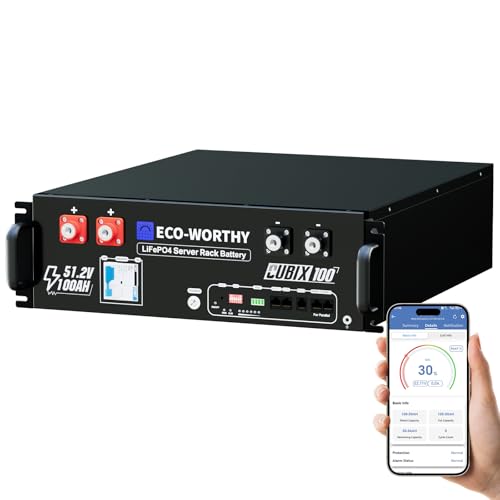
ECO-WORTHY Cubix100 48V 100Ah Battery

yeagulch 12V 300Ah LiFePO4 Lithium Battery
More Details On Our Top Picks
The appeal here is the all-in-one layout, because the panel and lithium battery live in the same package instead of spreading wires across your setup. That makes sense for trail cameras, where tidy placement and fewer connections usually matter more than raw capacity. The compact size also fits a hunting tree line or a remote fence line without feeling bulky.
Compared with the larger batteries later in this list, this SPYPOINT option is about convenience and field placement, not whole-system storage. The honest trade-off is obvious: you’re choosing a specialty piece made for outdoor camera duty, so it’s not the right answer for an RV bank or a cabin array. For routine seasonal use, that narrower focus is a strength.
Strong Points
- All-in-one design keeps the panel and battery together.
- Smaller footprint suits tight mounting spots in the field.
- Fewer cables can mean a cleaner install near a camera.
Points To Note
- Built for trail camera use, so it’s not a general home battery.
- Compact sizing can limit flexibility for larger power needs.
Feature Snapshot
Who It Suits Best
Trail camera setups in wooded or remote spots benefit most from this compact, self-contained style.
A Better Fit Elsewhere
LOSSIGY 48V Lithium Golf Cart Battery Kit suits cart owners who need a much larger and more system-focused battery package.
For longer off-grid runs, this 12V 150Ah pack gives you the sort of reserve that suits a fuller solar setup instead of a light weekend kit. The IP65 rating means the enclosure is built to resist dust and low-pressure water exposure, which matters in RV bays, garages, and covered outdoor installs. The 100A BMS, or battery management system, helps control charging and discharging behavior.
Compared with the CHINS 12V 100Ah below, this dumfume unit gives you more stored energy headroom, but it also asks for more space and a heavier mounting plan. You may find that trade-off worthwhile in a camper or cabin where fewer recharge cycles make daily life easier. The bigger capacity is useful, yet it only pays off when your charging setup can keep pace.
What We Like
- 150Ah capacity suits longer stretches between charges.
- IP65 enclosure gives you a tougher outdoor-ready profile.
- 100A BMS supports controlled electrical behavior.
- Low-temperature protection suits colder-season storage plans.
Small Caveats
- Larger capacity usually means a bigger physical footprint.
- Heavier batteries can make lifting and placement more demanding.
- Most gains show up only in systems that need the extra reserve.
Core Details
Who Will Love This
RV owners, camping setups, and off-grid cabins that need more reserve from a 12V layout will get the most from it.
Swap It Out When
CHINS LiFePO4 Battery 12V 100AH fits you better when a smaller, easier-to-place battery matters more than extra storage.
This one sits in the practical middle of the pack, which is exactly why it tends to make sense for smaller solar systems and mixed-use rigs. The built-in 100A BMS keeps the battery on a more controlled path, and the low-temperature protection matters in cool garages, shoulder-season RV trips, and marine storage. The cycle range listed by the brand points to long service life expectations, though the exact result still depends on depth of discharge and charging habits.
Compared with the dumfume 150Ah option, the CHINS battery asks for less space and usually feels easier to slot into a standard 12V build. The catch is that you give up capacity, so longer runtimes will depend more heavily on your panel output and sun exposure. For many starter systems, that trade feels reasonable.
Positives
- 100Ah sizing works well in common 12V solar layouts.
- Built-in BMS reduces the need for separate battery protection gear.
- Low-temperature protection supports cooler-weather use.
- Cycle range suggests a long service profile for regular charging.
- Easier to fit than larger 150Ah banks in tighter spaces.
Room For Improvement
- 100Ah is solid, but not as roomy as larger banks.
- Longer trips may require more careful energy budgeting.
- Owners still need a proper charging setup to get the most from it.
Details At A Glance
Best Suited To
Beginners building a 12V solar or RV setup often get along well with this size because it keeps the install straightforward.
Where A Sibling Pick Shines
dumfume 12V 150Ah Max LiFePO4 Battery suits you better when runtime matters more than compactness.
Golf cart conversion is the main lane here, but the listing also points to solar system and RV use, so the battery is aimed at people who want a stronger 48V platform. The built-in Bluetooth BMS, or battery management system, lets you monitor battery behavior from a phone in a way that feels much more hands-on than a plain sealed pack. Peak current is listed at 1000A for a short burst, which matters for acceleration and load spikes.
Compared with the 12V batteries earlier in the list, this is a very different kind of setup, closer to a vehicle power core than a simple panel buffer. You may find the added complexity worthwhile only when the cart or 48V system is already part of your routine. For casual solar backup, it’s more battery than most people need.
Highlights
- 48V design suits cart and higher-voltage systems.
- Bluetooth BMS adds monitoring convenience from a phone.
- Short-burst peak current supports demanding starts.
- Solar and RV mention broadens use-case flexibility.
Worth Noting
- 48V gear needs the right charger and matching system.
- More advanced features can mean more setup planning.
- It’s not the simplest path for a small solar array.
Technical Sheet
Built With In Mind
Cart owners and RV users who already work with 48V systems will appreciate the monitoring and burst-current features.
Look Elsewhere When
CHINS LiFePO4 Battery 12V 100AH suits simpler solar setups that do not need cart-level voltage.
Group 31 sizing matters more than it sounds, because it makes this battery easier to slot into common marine, RV, and off-grid compartments. The 1280Wh figure gives you a useful sense of stored energy, and the 100A BMS keeps the pack in the familiar 12V lane without adding unusual complexity. Low-temperature protection helps in cooler storage spaces, and the IP65 shell gives it a more practical outdoor-ready feel.
Against the CHINS 100Ah battery, this dumfume option is less about cycle language and more about fit, capacity, and enclosure style. The trade-off is that Group 31 compatibility only helps when your compartment or tray already matches that form factor. For normal RV ownership, that can be a very real advantage.
Bright Spots
- Group 31 format fits many common battery compartments.
- 1280Wh gives you a solid energy reserve for routine use.
- IP65 enclosure helps with dust and damp conditions.
- Low-temperature protection suits shoulder-season travel.
Areas To Watch
- Group 31 fit is helpful only in compatible trays or bays.
- Capacity is useful, but still finite for heavy loads.
- Like any sealed battery, it benefits from sensible storage habits.
Key Specs
Right Fit For
RV and marine setups that already use Group 31 trays are the most natural match here.
Another Choice May Suit
dumfume 12V 150Ah Max LiFePO4 Battery suits you better when you want more reserve than this 100Ah model offers.
Big storage is the story here, and the 3840Wh figure makes that easy to see. A 12V 300Ah bank like this is aimed at systems that run lights, inverters, appliances, or other high-demand gear without constant recharge pressure. The 200A BMS gives the battery a more serious control layer, and the low-temperature protection helps keep cold-weather use more practical.
Compared with the 100Ah choices, this Rvpozwer battery is better suited to a heavier daily load, but it also takes more room and more planning around mounting. You may find the size worthwhile in a cabin or RV where power interruptions feel annoying fast. For a small weekend solar kit, it’s usually more battery than you need.
Reasons To Buy
- 300Ah capacity supports long runtime in 12V systems.
- 3840Wh storage suits heavier loads and larger setups.
- 200A BMS gives you a stronger control rating.
- Low-temperature protection helps in cooler environments.
- Good fit for users who want fewer recharge cycles.
Softer Spots
- Large size makes placement more demanding.
- Most small solar systems do not need this much storage.
- Weight and handling matter more as capacity climbs.
Quick Facts
Whose Shelf It Belongs On
Homes, RVs, and off-grid cabins with real storage demands are the best match for this size.
Reach For A Different Pick When
dumfume 12V 100Ah LiFePO4 Battery Group 31 fits better when you want a smaller battery that is easier to place.
The metal case gives this battery kit a more rugged feel than the softer, more stripped-down options earlier in the roundup. It pairs a 48V 100Ah battery with an 18A charger, plus Bluetooth app support and an LCD monitor, so you get both charging hardware and usage visibility in one package. That combination is useful for golf cart owners who want fewer loose parts to sort out during installation.
Compared with the LOSSIGY kit, this DC HOUSE setup leans harder into visible monitoring and a bundled charger, which can simplify the early setup stage. The trade-off is that more features usually means more things to learn at the start. For hands-on users, that extra visibility is a real advantage.
Best Bits
- Metal enclosure adds a sturdy, practical feel.
- Included charger reduces the number of separate parts to source.
- Bluetooth app and LCD monitor improve day-to-day visibility.
- 48V format suits cart-focused electrical systems.
Things To Consider
- More included features can mean a longer setup process.
- 48V gear is a match for specific systems, not everything.
- Metal construction can add weight compared with simpler cases.
Core Details
The Right Fit
Golf cart owners who want a more complete kit with monitoring tools will get the most out of this one.
Skip It When
CHINS LiFePO4 Battery 12V 100AH suits simpler solar builds that do not need a 48V cart package.
Rack-style storage systems have a different feel from the cart batteries above, and this ECO-WORTHY battery leans into that format well. The 48V 100Ah layout, Bluetooth support, and 5120Wh energy figure point toward home backup and solar storage rather than casual portable use. Listed compatibility markings and the server-rack shape make it a strong match for people building a more organized battery bank.
Compared with the DC HOUSE kit, this one looks more like a storage block for a fixed system than a battery meant to move around often. That makes it a better fit for garages, utility areas, and backup-power rooms where space planning matters. The honest read is that it suits a more deliberate install than a quick weekend project.
What We Like
- Rack-style format fits organized home energy setups.
- Bluetooth support helps you monitor the battery more easily.
- 5120Wh storage supports larger backup plans.
- Suitable for solar storage and off-grid bank planning.
- Fixed-install shape works well in utility spaces.
Minor Gripes
- Rack systems need more installation planning than compact batteries.
- Fixed placement suits permanent setups more than mobile use.
Feature Rundown
Who Should Grab It
Home backup builders and off-grid setups that want a rack-mounted storage layout are the natural match.
Where A Sibling Pick Shines
DC HOUSE Metal Case 48V 100Ah Battery Kit suits you better if you want a bundled charger and cart-first setup.
This one lands in the same big-storage lane as the Rvpozwer battery, but with a slightly different capacity figure in the title, which gives you another high-reserve 12V option to consider. The 200A BMS, 4019Wh energy rating, and low-temperature protection point toward serious off-grid use, especially where you want a single battery to shoulder more of the load. For cabins, RVs, and solar sheds, that kind of reserve can reduce how often you think about the battery bank.
The trade-off is size, plain and simple. Compared with the CHINS and dumfume 100Ah options, this battery gives you much more storage, but it also asks for more room and a more careful installation plan. That’s the sort of compromise that makes sense only when your power demand is truly above average.
Standout Traits
- Large 12V capacity suits heavy-use solar systems.
- 200A BMS supports demanding load profiles.
- 4019Wh storage helps stretch runtime between charges.
- Low-temperature protection adds cold-weather practicality.
Honest Caveats
- Large batteries need more room and planning.
- Most light-duty solar setups will not need this much reserve.
- Handling and mounting get harder as capacity rises.
At A Glance
Made For
Off-grid homes, RV owners, and solar panel setups with heavier daily demand will get the most from this battery class.
A Better Fit Elsewhere
dumfume 12V 100Ah LiFePO4 Battery Group 31 suits you better when space and simpler installation matter more than sheer reserve.
How To Choose The Right Lithium Batteries For Solar Panels
Match Voltage And System Layout
Start with voltage, because a battery that doesn’t match your inverter, charge controller, or existing bank wastes time fast. A 12V battery suits smaller cabins, RVs, and simple panel setups, while 24V or 48V gear belongs in larger systems with more load.
Capacity matters too, but voltage sets the foundation. A 12V 100Ah battery may suit weekend use, while a 12V 300Ah option fits longer stretches between charges in a heavier setup.
Think About Usable Space And Mounting
Form factor shapes the install more than many people expect. Group 31 batteries fit common trays, rack batteries suit fixed indoor banks, and cart batteries want their own style of mounting and wiring.
Weight and handling matter in the real world. A larger battery can be the right call, but only when you have the space, access, and support to place it safely and service it later.
Balance Capacity Against Charging Speed
Big storage looks great on paper, yet it only shines when your panels and charging hardware can refill it in a reasonable window. Smaller systems often do better with a more modest battery that cycles fully and more often.
That’s why a compact 100Ah pack can be smarter than a giant reserve for a simple shed or weekend rig. The best match is the one your solar input can actually keep fed.
Don’t Ignore Protection And Monitoring
A battery management system helps control charging and discharging, and low-temperature protection matters in cold garages, mountain cabins, and shoulder-season RV travel. Bluetooth and LCD monitoring add convenience, especially when the battery sits in a hard-to-reach bay.
Those extras can make ownership easier, but they also increase the setup layer. For a straightforward solar kit, basic protection may be enough, while a larger permanent system often benefits from more visibility.
Things Worth Knowing Before You Choose
Hidden Buying Traps
Capacity alone can mislead you. A large Ah number looks impressive, but the battery still has to fit the compartment, match the voltage, and work with your charger.
Another common miss is treating every lithium battery as interchangeable. A cart battery, a rack battery, and a trail-camera battery each solve a different problem.
What The Higher Tier Buys
Higher-end models usually give you more storage, stronger BMS ratings, or extras like Bluetooth and bundled chargers. That costs more because the battery has to do more than just sit there and hold charge.
The upgrade makes sense for heavier off-grid use, permanent installs, and systems where monitoring matters. For a small panel kit, the extra money often goes farther on a better controller or more solar input.
Frequently Asked Questions
What size lithium battery works best with solar panels?
The right size depends on your daily power use, system voltage, and how much sun your panels get. A 100Ah battery fits many smaller setups, while 150Ah to 300Ah options suit larger loads.
Why do many solar setups use LiFePO4 batteries?
LiFePO4, or lithium iron phosphate, is a battery chemistry known for stable performance and long cycle life. That makes it a common choice for RVs, cabins, and off-grid systems.
Do you need a battery management system?
Most lithium batteries for solar use should include a BMS. It helps manage charging and discharging so the battery operates within its designed limits.
What does low-temperature protection do?
Low-temperature protection helps the battery handle cold conditions more safely during charging. That matters for winter storage, mountain travel, and unheated spaces.
Is a 48V battery better than a 12V battery?
Neither is better in every case, because the right choice depends on your system design. 48V suits larger installs, while 12V works better for smaller solar and RV setups.
Closing Thoughts
You get the best result here by matching the battery to the way you actually live with power, not by chasing the largest number in the title. A trail camera needs a very different setup from a rack-mounted home backup bank, and a golf cart asks for another kind of battery again. Once you line up voltage, capacity, fit, and charging plan, the choice gets much clearer. For most setups, the right lithium battery feels less like a gadget and more like a calm, dependable part of the system.
