

Solar backup gets a lot easier to understand once you match the battery to your home load, your panel setup, and how long you want essentials to stay on. Some homes need a compact portable station for outages and weekend use, while others need a server-rack battery or a full house system that can grow later. The nine picks below cover that spread, so you can compare storage size, AC output, expansion path, and installation style without sorting through marketing fluff.
Quick Look At The Shortlist

Jackery Explorer 2000 v2 Portable Power Station 2042Wh 2200W AC Output

12V 600Ah LiFePO4 Battery with 200A BMS

EF ECOFLOW Delta 3 Classic Solar Generator 1024Wh with 220W Panel
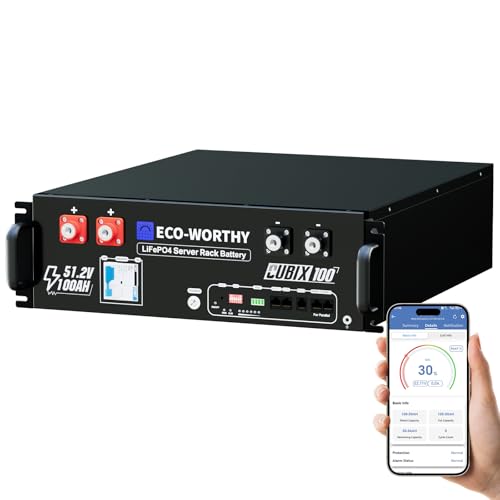
ECO-WORTHY Cubix100 48V 100Ah LiFePO4 Battery with Bluetooth

Jackery HomePower 3000 with 2x200W Solar Panels 3072Wh

Jackery HomePower 3600 Plus Portable Power Station 3584Wh

12V 100Ah LiFePO4 Battery Group 31 with Smart 100A BMS

EF ECOFLOW DELTA Pro Ultra 12kWh Power Station with Extra Battery

ECO-WORTHY Powermega 48V 314Ah LiFePO4 Battery 16.1kWh
More Details On Our Top Picks
The Explorer 2000 v2 fits the home that wants outage coverage without moving into a permanent installation. Its 2042Wh capacity and 2200W AC output point to a practical mix for phones, routers, lights, and a few higher-draw appliances, while the LiFePO4 battery chemistry usually appeals to shoppers who value longer cycle life over featherweight portability.
USB-C PD 100W charging helps modern laptops and tablets, which makes it handy during a storm workday or a long weekend away from the grid. Compared with the smaller ECOFLOW Delta 3 Classic, you get more reserve in a single box, though you still give up the room-to-grow path you see in the larger Jackery HomePower 3600 Plus.
Strong Points
- 2042Wh gives you a comfortable cushion for essentials during short outages.
- 2200W AC output supports more household gear than a tiny travel unit.
- LiFePO4 chemistry suits frequent use and tends to age better than older battery types.
- USB-C PD 100W is useful for newer laptops and fast device charging.
- Portable format keeps it easier to move than rack-style home storage.
Things To Consider
- Solar panels are optional, so you still need to plan the charging setup.
- For whole-home loads, the capacity is modest beside the Jackery HomePower 3600 Plus.
- Portable stations like this need thoughtful storage space indoors or in a garage.
Feature Snapshot
Who It Suits Best
Homeowners who want a portable outage backup for essentials, charging, and weekend flexibility will get the most from it.
Swap It Out When
Jackery HomePower 3600 Plus is the better fit for you if a larger expandable reserve matters more than portability.
This dumfume battery speaks to the home solar setup that needs raw storage more than convenience features. At 7680Wh, it leaves the portable stations behind, and the 200A BMS, or battery management system, matters because it helps control charge and discharge behavior under heavier loads.
The IP65 rating means the enclosure is built to resist dust and water spray, which suits a garage, utility room, or sheltered off-grid enclosure. You do give up portability, though, so this is a better fit for fixed solar banks than for camping or quick room-to-room backup.
Positives
- 7680Wh gives you a large reserve for storage-heavy setups.
- 200A BMS adds structure for demanding charge and discharge use.
- IP65 housing helps in dusty or damp utility spaces.
- Low-temp cutoff is useful for colder climates where battery protection matters.
- Deep-cycle design suits repeated solar charging over time.
Points To Note
- At this size, installation planning matters more than with portable units.
- Fixed-system use makes it less convenient for casual relocation.
- Large capacity can mean you need matching wiring and inverter planning.
Details At A Glance
Built With In Mind
RV owners, off-grid setups, and home storage projects with fixed mounting space will benefit most from this battery.
A Better Fit Elsewhere
VEMDIA 12V 100Ah LiFePO4 Battery suits smaller solar banks where you want a lighter, simpler replacement format.
The Delta 3 Classic sits in a very practical middle ground. You get a 1024Wh LiFePO4 power station with 1800W AC output, a 220W solar panel in the bundle, and a 100W USB-C outlet, so it works well for a desk setup during outages or a small cabin that leans on daylight charging.
The 10ms UPS feature matters for sensitive electronics, because that quick transfer time can help keep a computer or network gear from dropping out when utility power changes. Compared with the Jackery Explorer 2000 v2, you give up storage size, but you gain a bundled panel and a tidy package for compact spaces.
Highlights
- 1024Wh is a sensible fit for a smaller backup plan.
- 1800W AC output covers a useful range of everyday devices.
- 220W solar panel inclusion simplifies the charging setup.
- 10ms UPS support is useful for computers and network gear.
- 100W USB-C output helps with modern portable electronics.
Room For Improvement
- The capacity is smaller than larger home backup stations.
- For bigger appliances, you may outgrow it sooner than rack systems.
- Panel bundle helps, yet placement and sunlight access still need planning.
Core Details
Right Fit For
Compact homes, apartments with backup needs, and small cabin setups will get the most value from this bundle.
Where A Sibling Pick Shines
Jackery HomePower 3000 is the better match for you if a larger home-first bundle matters more than keeping the system compact.
The Cubix100 feels built for a more structured solar room than a grab-and-go backup kit. Its 48V, 100Ah format and 5120Wh capacity suit home energy storage, and the server-rack style makes sense in a utility area where organization matters almost as much as capacity.
Bluetooth and WiFi support are useful because system visibility can be easier from a phone or controller interface, especially in a busy household. Compared with the dumfume 12V 600Ah battery, this one speaks more directly to a rack-based setup, though it asks for a more deliberate install.
Bright Spots
- 48V format fits many modern home solar systems.
- 5120Wh capacity gives you meaningful stored energy.
- Bluetooth and WiFi support help with monitoring.
- Server-rack form keeps multi-battery setups neater.
- Works well for homeowners building a more permanent storage wall.
Softer Spots
- Rack-style gear usually calls for more planning than portable units.
- The size makes casual movement inconvenient.
- Setup is a better fit for fixed spaces than temporary backup use.
Feature Card
The Right Fit
Homeowners building a more permanent solar storage stack will appreciate this rack-friendly format.
Another Choice May Suit
Jackery Explorer 2000 v2 is a better fit for you if portability matters more than a fixed install.
Home-first backup gets more comfortable with a bundle like this because the panels are already paired with the power station. The 3072Wh battery, 3600W AC output, and 7200W surge figure make it feel much closer to a serious household reserve than a weekend travel unit.
The LFP battery chemistry is a strong fit for regular solar charging, and the package is easier to picture in a garage or utility space than in a trunk. Compared with the Explorer 2000 v2, this is the more complete home setup, although it is also less portable and more commitment-heavy.
Positives
- 3072Wh gives you a larger cushion for home essentials.
- 3600W AC output supports more demanding plug-in loads.
- 2x200W solar panels make the bundle easier to start with.
- 7200W surge capacity helps with brief startup spikes.
- LFP chemistry suits regular charging cycles.
Worth Noting
- The bundle takes more space than a compact station.
- Less portable than smaller Jackery options.
- Panel placement still matters for real-world charging results.
Technical Sheet
Whose Shelf It Belongs On
This belongs with homeowners who want a bundled solar backup kit rather than a pieced-together setup.
Look Elsewhere When
EF ECOFLOW Delta 3 Classic is a cleaner fit for you if you want a smaller package with UPS support for desks and network gear.
The HomePower 3600 Plus is the sort of station you look at when the backup plan needs room to grow. Its 3584Wh capacity and 3600W AC output already sit above the smaller portable options here, and expansion up to 21kWh gives you a longer runway for future loads.
That flexibility matters for a home that may start with essentials and later add more circuits or appliances. Compared with the HomePower 3000 bundle, this one gives you a bigger expansion story, though the solar panel is optional, so your starting setup is less complete out of the box.
Upsides
- 3584Wh offers a strong stored-energy base.
- 3600W AC output suits more demanding home gear.
- Expansion to 21kWh gives you room to scale.
- LFP battery chemistry fits regular backup use.
- Portable format still keeps it more flexible than rack systems.
Areas To Watch
- Solar panel is optional, so the full setup takes more planning.
- For tighter spaces, it’s larger than simpler stations.
- Expansion potential matters only when you plan to build into it.
Quick Facts
Best Suited To
Households that want a growth-friendly backup station with a serious starting reserve will feel at home here.
Reach For A Different Pick When
ECO-WORTHY Cubix100 is the better fit for you if a rack-based home storage layout matters more than portability.
This VEMDIA battery is the practical replacement-style choice in the group. The Group 31 footprint matters because it fits a familiar deep-cycle form factor, and the 12V, 100Ah layout makes sense for smaller solar banks, RV systems, and light home backup use.
The smart 100A BMS and low-temp cut-off are the kind of details that matter in daily ownership, especially in cooler garages or seasonal setups. Compared with the bigger dumfume 600Ah battery, this one is easier to slot into compact systems, though it naturally carries less storage.
Best Bits
- Group 31 size works with many common replacement setups.
- 100Ah capacity suits smaller solar banks and backup circuits.
- Smart 100A BMS helps manage everyday charging behavior.
- Low-temp cut-off is useful in colder storage spaces.
- Lightweight format is easier to handle than larger battery blocks.
Small Caveats
- Capacity is modest beside large home storage batteries.
- Best for smaller systems, not whole-home backup.
- Replacement fit still depends on your existing battery bay.
At A Glance
Made For
RV owners, marine setups, and compact home solar systems will get the most out of this format.
Skip It When
Jackery HomePower 3600 Plus suits you better if you want a larger expandable reserve for home backup.
This DELTA Pro Ultra setup moves into serious backup territory. The 12kWh figure, 120/240V output, and 7200W AC output point toward a system that can support larger home loads, and the extra-battery design gives you a more modular path than the smaller portable stations above it.
The trade-off is obvious: this is a major home-power platform, not a grab-and-go box. For households that want a system closer to a dedicated backup appliance, the included 24/7 setup help and troubleshooting support add real convenience, especially during installation or connectivity issues.
Reasons To Buy
- 12kWh capacity is built for large home backup needs.
- 120/240V output supports more demanding household circuits.
- 7200W AC output handles heavier plug-in loads.
- Extra-battery design gives you more flexibility in system planning.
- 24/7 help is useful during setup and troubleshooting.
Honest Caveats
- This is a major system, so space and planning matter.
- Not the right fit for simple portable use.
- Installation feels more involved than with compact stations.
Feature Rundown
Perfect Match For
Homes that want a large, modular backup platform for more serious outage planning will benefit most here.
Another Choice May Suit
ECO-WORTHY Cubix100 makes more sense for you if you want a rack-style battery bank rather than a full power station format.
The Powermega is the most storage-heavy battery in this roundup, and that changes the conversation fast. With 16.1kWh of energy storage, a 200A active-balancing BMS, breakers, a 7-inch LCD, and Bluetooth, it is clearly aimed at a serious home energy system rather than a casual backup box.
The fire-protection mention and built-in display add to the sense of a managed, monitored battery bank, although hazardous-material shipping rules and non-returnable status make the ownership decision more deliberate. Compared with the ECO-WORTHY Cubix100, this is a step up in raw reserve and control features, but it belongs in a setup that already has the rest of the system mapped out.
Standout Traits
- 16.1kWh storage gives you a very large energy reserve.
- 48V format works well in advanced home systems.
- 200A active balancing BMS supports more controlled battery behavior.
- 7-inch LCD makes status checks easier at the unit.
- Bluetooth and breakers add useful day-to-day management touches.
Minor Gripes
- Shipping and return limitations make planning more serious.
- Large-format storage takes committed installation space.
- The feature set matters most in a well-planned system.
Core Details
Who Should Grab It
Serious home solar setups and large backup projects will get the most value from this battery.
Swap It Out When
Jackery HomePower 3600 Plus is a better fit for you if you want a more portable path with room to expand later.
How To Choose The Right Home Battery For Solar
Start With The Load, Not The Label
The first number to study is usable storage, because that tells you how long the battery can keep essentials on. A router, a few lights, and a fridge ask for a very different reserve than an HVAC circuit or a well pump.
AC output matters just as much, since that figure tells you what the unit can deliver at once. A battery with a big watt-hour number but weak output can feel fine on paper and short on the wall.
Match The Format To Your Space
Portable power stations suit garages, apartments, and short outage backups where flexibility matters. Rack-style batteries make more sense in a utility room or dedicated energy closet, where cabling and fixed placement are part of the plan.
That’s the difference between a suitcase and a cabinet. One moves easily, the other anchors a system.
Think About Charging Path And Expansion
Solar input, optional panels, and expansion support shape how the system grows after day one. A bundled panel helps you start sooner, while an expandable battery can make more sense for a home that may add loads later.
LiFePO4 chemistry, or lithium iron phosphate, is common in this category because it tends to suit repeated cycling. The trade-off is usually weight and cost, but many homes accept that trade for steadier long-term use.
Pay Attention To Control Features
Battery management systems, low-temperature cutoffs, breakers, and display screens all affect how comfortable ownership feels. These details rarely sound exciting, yet they become useful the first time you check status during a storm or monitor a larger install.
For most homes, the right feature set is the one that keeps setup simple and daily use predictable. Fancy extras only help when they line up with the way you actually use backup power.
Things Worth Knowing First
Wrong Turns To Avoid
One common mistake is overbuying capacity and underplanning the rest of the system. Wiring, inverter match, panel placement, and installation space matter just as much as the battery itself.
Another is choosing portability for a job that really needs a fixed storage bank. A compact station feels convenient until you try to support large loads or extend runtime across more of the house.
The Case For Spending Up
Higher-tier models usually cost more because they bring more storage, stronger output, better monitoring, and more complete system design. That extra money can also buy better integration, which matters once you care about how the battery behaves under load.
The upgrade makes the most sense for households with regular outages, larger appliances, or plans to expand later. Smaller setups, by contrast, can stay sensible with a portable station or a single replacement battery.
Frequently Asked Questions
What size home battery works for basic solar backup?
A compact station around 1kWh can handle phones, lights, networking gear, and light laptop use. Larger homes usually need more storage once refrigeration or longer outages enter the picture.
What does LiFePO4 mean?
LiFePO4 stands for lithium iron phosphate, a battery chemistry common in backup power products. It’s valued here for regular cycling and stable home use.
Do solar panels need to come with the battery?
No, but bundled panels simplify the first setup and save you from piecing together a full charging path. Optional panels work too, as long as you already have the rest of the system planned.
What is a BMS?
A BMS is a battery management system, the control layer that helps manage charging and discharging. In larger batteries, it becomes a useful part of safe, orderly operation.
Should you choose a portable station or a rack battery?
Portable stations suit mobility, temporary backup, and simpler installs. Rack batteries suit fixed home systems where you want more formal storage and expansion options.
Closing Thoughts
The right home battery for solar depends less on one big number and more on how your house actually uses power. A portable unit can cover essentials with very little fuss, while a rack battery or whole-home station makes more sense once you start thinking in circuits, runtime, and future expansion. The best fit is the one that matches your space, your loads, and your level of commitment, not the one with the loudest spec sheet. Choose the setup you can live with on an ordinary Tuesday, and it’ll feel much more useful when the lights go out.
