

Flexible solar panels make sense when rigid glass panels are awkward, heavy, or hard to mount. You get a lighter layout for vans, boats, cabins, and RV roofs that curve instead of sitting flat like a workbench. The trade-off is that installation quality matters a lot, because surface prep and airflow can shape how well the setup fits your space. This roundup focuses on practical picks for everyday off-grid use, travel rigs, and compact power setups.
Quick Look At The Shortlist

Renogy Flexible Solar Panel 100 Watt, 240° Ultra Flex Bendable

100W 12V Flexible Solar Panel 9BB Monocrystalline Cell

Renogy 400W Portable Solar Panel, Foldable Suitcase
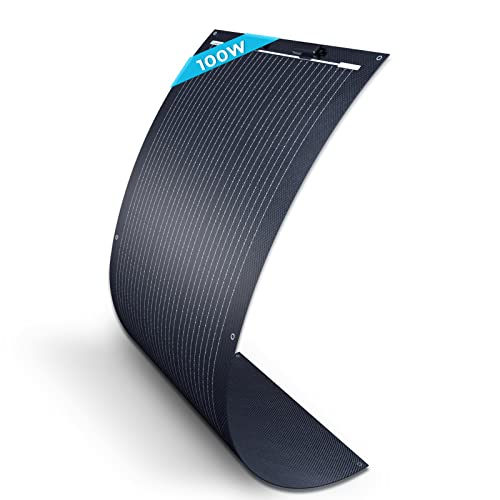
Renogy Flexible Solar Panel 100 Watt, 240° Ultra Flex Bendable

BougeRV Arch Pro 200W Anti-Shading N-Type Fiberglass Flexible Solar Panel
100W Flexible Solar Panel, 23% High Efficiency ETFE
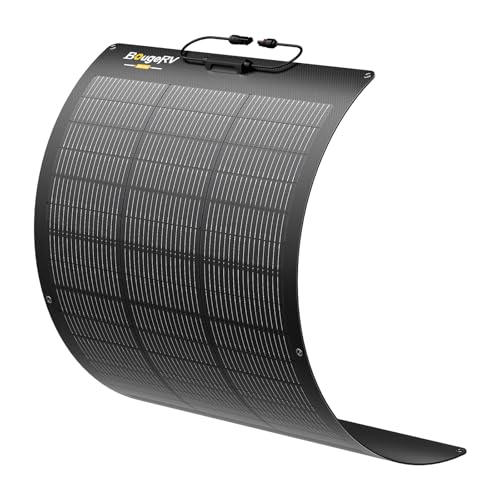
BougeRV Arch Pro 100W Anti-Shading N-Type Flexible Solar Panel

BougeRV Upgrade Arch 200W N-Type Flexible Solar Panel
More Details On Our Top Picks
Renogy’s 100W bendable panel makes the most sense on curved roofs, boat surfaces, and van tops where a rigid frame would be awkward. The 0.1-inch profile keeps the mounting look low and tidy, and the IP68 note points to a sealed build that suits exposed installs.
For daily travel use, that thin shape helps the panel sit closer to the surface, which can matter on low-clearance rigs. The honest trade-off is that flexible panels usually ask for careful installation, especially where heat, airflow, and surface prep all affect long-term fit.
Strong Points
- 240-degree bend range suits curved mounting spots.
- The thin body stays close to the surface, which helps on compact RV roofs.
- 100W output fits small charging setups without taking over the roofline.
- IP68 sealing is a reassuring match for exposed marine or outdoor use.
Things To Consider
- Flexible panels like this usually depend on solid adhesion and clean prep.
- Low-profile panels can run warmer than framed options in some roof layouts.
- 100W is practical, but not enough for larger power demands on its own.
Feature Snapshot
Who It Suits Best
You get the most from this panel on a van, RV, cabin roof, or boat where curve-friendly mounting matters more than maximum wattage.
Where A Sibling Pick Shines
BougeRV Arch Pro 200W Anti-Shading N-Type Fiberglass Flexible Solar Panel suits heavier off-grid setups that need more output from one panel.
This Topunive panel is aimed at straightforward 12V charging, which makes the feature set easy to understand for trailers, cabins, and small marine rigs. The 9BB monocrystalline cell design means the panel uses nine busbars inside each cell, a layout that can help current move more smoothly across the surface.
That matters most in real use when you want a simple panel without a lot of extra bulk or setup fuss. The trade-off is plain enough, this one is about utility first, so it suits modest power needs better than ambitious off-grid plans.
Highlights
- 12V-friendly design keeps the setup easy to match with common battery systems.
- 9BB cell layout gives the panel a more modern internal structure.
- Semi-flexible build helps on surfaces that are not perfectly flat.
- 100W output works well for trickle-style charging and light accessory loads.
Worth Noting
- 100W is a sensible size, but not a large power reserve.
- Semi-flexible panels still need careful mounting on uneven surfaces.
- For busier electrical setups, a higher-output panel may feel more comfortable.
At A Glance
Whose Shelf It Belongs On
You fit this panel best when you want a simple 12V solar add-on for a trailer, small boat, or compact cabin system.
A Better Fit Elsewhere
Renogy Flexible Solar Panel 100 Watt, 240° Ultra Flex Bendable suits curved rooftop installs better when you want a known low-profile shape.
This one moves away from flexible roof mounting and into portable power territory, so it stands apart from the first two picks right away. The foldable suitcase shape suits campsites, backup power plans, and setups where you want panels you can move, angle, and store more easily.
The built-in kickstand is the practical part of the story, because it lets you set the panel angle without improvising a support system. One thing worth considering is that portability also means more handling, so storage space and transport habits matter more than they do with a fixed roof panel.
What We Like
- 400W output gives you a stronger solar contribution than the 100W flexible options here.
- Foldable suitcase design makes storage and transport more manageable.
- Kickstand support helps with outdoor angle placement.
- IP67 note suggests solid protection for outdoor use.
- It suits power stations and camping routines where portability matters.
Softer Spots
- It takes more storage room than the slim flexible panels in this roundup.
- Portable gear usually asks for more setup and handling.
- The suitcase format fits a different use case, so roof mounting is not the point here.
Key Specs
Made For
You fit this pick best when you want portable power for camping, power stations, or backup use around the house.
Another Choice May Suit
BougeRV Upgrade Arch 200W N-Type Flexible Solar Panel suits RV and marine owners who want a fixed, curved-surface panel instead of a carry-friendly suitcase.
This black Renogy version keeps the same 100W, ultra-flex idea as the first pick, but the finish gives it a quieter look on darker roofs and marine surfaces. That difference matters more than it sounds, because some owners want their solar setup to disappear into the layout instead of standing out.
For vans, boats, and RVs with dark panels or trim, the visual match can feel cleaner while still keeping the same curve-friendly mounting story. The trade-off is simple, it is a styling choice more than a functional leap, so the right call depends on how visible you want the panel to be.
Upsides
- 240-degree bend range fits curved mounting areas.
- The black finish blends well with darker vehicle surfaces.
- 0.1-inch thickness keeps roof clutter down.
- 100W output suits small to mid-size auxiliary charging jobs.
Areas To Watch
- This is still a 100W panel, so it fits modest power needs.
- Dark finishes can show dust and salt spray more clearly in some environments.
- Like other flexible panels, installation quality matters a lot.
Feature Rundown
Right Fit
You suit this pick best when you want a low-profile panel for a dark vehicle, boat, or roof setup where appearance matters as much as fit.
Look Elsewhere When
Topunive 100W 12V Flexible Solar Panel 9BB Monocrystalline Cell fits simpler 12V charging needs better if you care more about basic function than finish.
This BougeRV Arch Pro steps up in both output and build style, so it feels aimed at more demanding roof systems than the 100W panels above. The fiberglass body gives it a sturdier feel on paper, while the anti-shading design is meant to keep performance steadier when part of the panel is not getting perfect sun.
That matters on RVs, boats, and curve-shaped surfaces where vents, rails, or roof gear can cast patchy shade during the day. The catch is that more capability usually comes with a more involved setup plan, so this fits best when you’re ready to treat solar as a serious part of the electrical system.
Best Bits
- 200W output gives you more room to support higher daily power use.
- Anti-shading design is useful on roofs with partial obstructions.
- N-type, 16BB cell construction signals a more advanced panel design.
- Fiberglass backing should suit demanding travel and marine environments.
Small Caveats
- Higher output usually means a more careful install plan.
- It makes more sense on serious setups than on minimal battery needs.
- As with any flexible panel, long-term mounting prep matters a lot.
Feature Card
Built With In Mind
You fit this panel best when your RV, boat, or cabin roof sees partial shade and you want a stronger 200W solar option.
Where Shoppers Go Wrong
Renogy Flexible Solar Panel 100 Watt, 240° Ultra Flex Bendable suits simpler roof setups better if you do not need the extra output.
Callsun’s panel leans on ETFE, a fluoropolymer surface film that is often chosen for outdoor solar gear because it handles exposure well and keeps the face layer slim. The 11BB monocrystalline layout, meaning 11 busbars across each cell, gives it a more current-friendly internal structure than simpler cell designs.
For RVs, vans, and golf carts, that combination is a good fit when you want a lighter, thinner panel without giving up too much surface durability. The trade-off shows up in the same place as other flexible panels, because a clean, well-supported mount still matters more than the marketing language on the box.
Reasons To Buy
- ETFE top layer is a solid match for outdoor installs.
- 23% efficiency claim points to strong output for the size.
- 11BB monocrystalline layout gives the cell design extra structure.
- Ultra-thin body helps on low-clearance roofs and compact mounts.
Room For Improvement
- Like other slim panels, it depends on careful mounting and support.
- 100W remains a modest power level for larger systems.
- The thin build is useful, but it also asks for thoughtful handling during installation.
Technical Sheet
Who Will Love This
You fit this panel best when you want a thin 100W option for an RV, van, golf cart, or small marine setup.
Consider Something Else When
BougeRV Upgrade Arch 200W N-Type Flexible Solar Panel suits you better when your system needs more output from one mounted panel.
This 100W Arch Pro keeps the same anti-shading and N-type approach as the 200W version, but in a smaller package that makes more sense for tight roof space. N-type cells are a more modern cell family that are often used to improve efficiency behavior, and the 16BB layout adds a denser busbar structure inside the panel.
For smaller RVs, boats, and cabin roofs, that smaller footprint can be the whole point. It is not trying to power a full-time energy-hungry setup, so the honest read is that it works best as a careful, space-aware choice rather than a heavy hitter.
Positives
- Compact size fits tighter mounting spaces.
- Anti-shading design helps in mixed-light roof conditions.
- 16BB N-type cell structure signals a more advanced build.
- 100W output works well for modest charging needs.
Points To Note
- 100W is sensible for small systems, but not large loads.
- Compact panels still need proper mounting prep to perform well.
- The smaller size is useful only when your roof space is limited.
Details At A Glance
The Right Fit
You fit this pick best when you need a smaller flexible panel for a tight roof layout on an RV, boat, or cabin.
Reach For A Different Pick When
BougeRV Arch Pro 200W Anti-Shading N-Type Flexible Solar Panel suits larger electrical plans better when roof space and output both matter.
This 200W BougeRV upgrade leans toward larger off-grid setups, especially where you want more panel output without giving up a curved-surface fit. The 270-degree flexibility is a useful detail for unusual roof geometry, and the lightweight fiberglass body keeps the package aimed at mobile installs.
Compared with the 100W Arch Pro, this one gives you more room to build a serious solar system around a single panel. The compromise is predictable, the higher-capacity route usually asks for more planning around mounting space, wiring, and the rest of the electrical chain.
Bright Spots
- 200W output suits stronger solar plans.
- 270-degree flexibility helps with unusual curves and surfaces.
- N-type, 16BB cell design gives the panel a more advanced internal layout.
- Fiberglass construction fits travel use where weight matters.
Honest Caveats
- The larger capacity makes mounting decisions more important.
- Higher output only helps when the rest of your system can use it.
- Flexible panels still reward careful cleaning and roof prep over time.
Core Details
Perfect Match For
You fit this panel best when you want a higher-output flexible option for an RV, boat, camper, or home backup layout.
Skip It When
Callsun 100W Flexible Solar Panel, 23% High Efficiency ETFE makes more sense when you want a thinner, lighter 100W setup instead of a larger 200W panel.
How To Choose The Right Flexible Solar Panels
Match Output To Daily Use
Start with the loads you actually plan to support. A 100W panel makes sense for light charging, battery maintenance, and compact add-on systems, while 200W or 400W options suit heavier use, power stations, or fuller off-grid routines.
Think in terms of your setup, not just the label on the panel. A camper that only needs phone charging and a small battery has very different needs from a van that runs lights, fans, and a fridge.
Look Closely At The Surface
Flexible panels earn their place on curved roofs, but the curve is only part of the story. Adhesion, roof texture, and airflow all affect how neatly the panel sits and how well it keeps its shape over time.
ETFE faces, fiberglass backs, and slim profiles each serve different jobs. A low-profile 0.1-inch panel helps when height matters, while a sturdier backer can suit a more demanding roof environment.
Use Case Beats Hype
Marine owners usually care about sealing, low weight, and clean mounting more than marketing language. RV owners often care about roof clutter, shade from vents, and how the panel works around skylights or racks.
For portable power, the priority shifts again, because storage, angle adjustment, and transport matter more than a permanent roof fit. That’s why the best choice is the one that matches your daily routine.
Check The Cell And Build Style
Monocrystalline panels are common here, and busbar counts such as 9BB, 11BB, or 16BB hint at the internal conductor layout. More busbars can mean a more refined cell structure, though the real value depends on the rest of the build.
N-type cells are often part of higher-tier designs, and anti-shading layouts help on roofs with vents, rails, or changing sun angles. Those extras usually suit shoppers who want a more serious setup, not just a basic panel.
What To Weigh Before You Decide
Mistakes Worth Dodging
Don’t choose by wattage alone. A 200W panel sounds stronger, but it only pays off when your battery bank, controller, and mounting plan can support it.
Another common miss is ignoring the roof surface. Flexible panels need clean, well-prepared mounting points, and that matters just as much as the panel itself.
The Upgrade Payoff
More expensive panels usually bring better materials, denser cell layouts, and more careful design around shade or curvature. In this category, that can mean fiberglass backs, ETFE layers, or higher-end N-type cells.
The extra spend tends to make sense for full-time RV use, marine installs, or larger off-grid systems. For lighter weekend use, a simpler 100W panel often does the job with less fuss.
Frequently Asked Questions
Are flexible solar panels a good fit for RV roofs?
Yes, they suit RV roofs well when the surface curves or height clearance is tight. Clean prep and careful mounting make a bigger difference than the panel shape alone.
Do flexible panels need special mounting care?
They do, because the bond to the roof is a major part of the setup. A clean, dry surface and the right adhesive approach help the panel sit properly.
What makes anti-shading designs useful?
They help when vents, rails, or nearby gear cast partial shade during the day. That makes them appealing for busy roofs with uneven sun exposure.
Is 100W enough for a small travel setup?
For light charging and modest battery support, yes, 100W can fit nicely. Larger appliances or long daily use usually call for more panel output.
Why do some flexible panels use fiberglass backs?
Fiberglass can add a sturdier feel without turning the panel into a rigid frame. That suits mobile installations where weight and structure both matter.
Closing Thoughts
The right flexible solar panel depends less on buzzwords and more on where it will sit and how you use power each day. For a curved RV roof, a slim 100W panel can be the calm, sensible choice. For a marine rig or serious off-grid setup, higher-output models with stronger cell layouts start to make more sense. Choose the panel that fits your space first, then let the wattage follow your real routine.
