

Power cuts, storm alerts, and shaky cell service are where a good emergency radio earns its keep. You want something that can pull in weather updates, light a room, and keep a phone alive long enough to matter. The seven picks below cover larger batteries, hand-crank charging, solar support, and different lighting layouts, so you can match the radio to your home, car kit, or camping bag.
Quick Look at the Shortlist

Mesqool Solar Radio Emergency Hand Crank 12000mAh

QAUYYW 74000mWh Emergency Radio with NOAA Weather

Roxicosly Emergency Weather Radio with Large Solar Panel

OnLyee Emergency Radio with Hand Crank and Solar

PPLEE NOAA Weather Radio 12000mAh Emergency Portable Radio

NITIGO Weather Radio 10000mAh Large Battery Emergency Radio
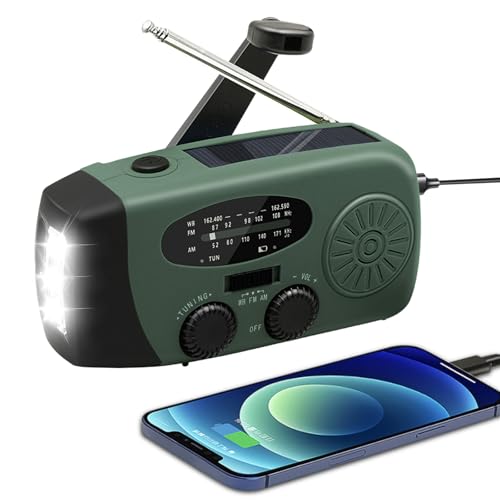
WVL 7400mWh Emergency Weather Radio
Mesqool keeps the formula familiar, but the 12000mAh battery gives it more staying power than many bare-bones emergency sets. That matters in a long outage, especially when you want enough reserve for radio, light, and a quick phone top-up without rationing every minute.
The dual outputs add flexibility, and the 2-mode LED flashlight keeps the unit useful after dark without turning it into a bulky lantern. The trade-off is simple, it’s more of a practical all-rounder than a tiny pocket unit, so it suits a kitchen shelf or glove box better than an ultralight hiking kit.
Strong Points
- 12000mAh capacity supports longer backup use.
- AM, FM, and NOAA coverage covers the basics cleanly.
- Dual outputs help you split charging tasks.
- Two flashlight modes make night use easier.
Things To Consider
- The larger battery makes it less trim than simpler radios.
- Storage works best in a dry, easy-to-reach spot.
Feature Snapshot
Who It Suits Best
Homeowners who want a straightforward storm radio with a larger reserve will get the most from this one.
A Better Fit Elsewhere
Roxicosly Emergency Weather Radio with Large Solar Panel suits campers a little better, thanks to its broader solar-first layout.
QAUYYW stands out for sheer capacity, and 74000mWh puts it in a more serious backup bracket than the smaller 12000mAh units in this list. In a storm prep bin or cabin kit, that extra headroom can make the radio feel less like a spare gadget and more like a central utility.
SW, AM, and FM coverage give you the usual broadcast mix, while the flashlight, reading lamp, and SOS siren make it a fuller survival tool. The honest read is that this level of feature density can feel a little busier to store and manage, so it suits someone who wants a fuller package rather than a minimalist radio.
Upsides
- Large energy reserve supports longer use between charges.
- SW, AM, and FM broaden station access.
- Reading lamp adds indoor usefulness during outages.
- SOS siren and flashlight improve night visibility and signaling.
- Fast-charge battery support helps in recovery gaps.
Minor Gripes
- The fuller feature set asks for a bit more storage space.
- More controls can take longer to learn than simpler sets.
Core Details
Who Should Grab It
Preparedness-minded households that want one radio to cover listening, lighting, and signaling will appreciate this setup most.
Another Choice May Suit
NITIGO Weather Radio 10000mAh Large Battery Emergency Radio fits better for someone who wants a simpler carry size.
Roxicosly leans into the part that matters most to many backup setups, the large solar panel. That gives you a useful middle ground between hand-crank reliance and battery-only radios, especially for camping trips or homes that lose power for more than a few hours.
The 12000mAh battery, AM, FM, and NOAA bands, plus the reading lamp and phone charger, make it feel complete without getting as crowded as the QAUYYW unit. The trade-off is that panel size can make the radio less compact than a basic emergency model, so it fits better in a drawer, tote, or camp bin than a coat pocket.
Highlights
- Large solar panel reduces pressure on hand-cranking.
- 12000mAh battery gives a dependable backup reserve.
- Reading lamp helps in tents and dark rooms.
- Phone charger adds everyday practicality.
- AM, FM, and NOAA keep broadcast access simple.
Small Caveats
- The larger panel makes it less pocket-friendly.
- Best kept in a spot where it can catch light easily.
Details At A Glance
The Right Fit
You’ll get the best use from this radio in a home kit, camp setup, or travel box where the panel can see daylight.
Where A Sibling Pick Shines
Mesqool Solar Radio Emergency Hand Crank 12000mAh is the easier pick for a smaller storage spot and simpler carry.
OnLyee puts some of its focus on the solar panel, and the 8500mm² surface is a useful clue that it’s built for more than a token top-off. In a hurricane kit or outage drawer, that can make daily charging habits feel easier because the radio has a better shot at collecting usable light.
The 5W flashlight, reading light, and 120dB SOS function round out the survival side without forcing you into a huge form factor. Compared with the Roxicosly pick, this one pushes harder on signaling strength, though the extra emphasis on light and alert features may feel like overkill for quiet household backup.
Reasons To Buy
- 8500mm² solar panel gives charging a stronger base.
- 120dB SOS offers a loud alert option.
- 5W flashlight brings more throw than tiny lights.
- AM/FM reception is described as clear.
- 12000mAh battery supports longer backup use.
Worth Noting
- The signaling focus may be more than some households need.
- Keep the solar surface clean so light exposure stays unobstructed.
Technical Sheet
Best Suited To
Shoppers building storm-prep kits around signaling, light, and backup power will find this one especially sensible.
Look Elsewhere When
PPLEE NOAA Weather Radio 12000mAh Emergency Portable Radio makes more sense for someone who wants a softer, more general-purpose setup.
PPLEE keeps the layout grounded, with a 12000mAh battery and an 8500mm² solar panel that suit regular outage prep. It sits in a comfortable middle zone, not as feature-heavy as the QAUYYW unit, but more substantial than a stripped-down backup radio.
The flashlight, reading light, SOS function, and USB charging make it useful in a kitchen, campsite, or car kit where one device needs to handle several jobs. One thing worth considering is size discipline, because a model with this much going on deserves a fixed storage spot instead of being tossed around the house.
Best Bits
- 12000mAh battery gives solid emergency reserve.
- 8500mm² solar panel supports light-based charging.
- USB charging adds a familiar power path.
- Reading light and flashlight cover two common use cases.
Areas To Watch
- The fuller layout takes a bit more storage discipline.
- USB cables and accessories need to stay together for easy use.
Feature Rundown
Made For
This fits households that want a sturdy, plainspoken emergency radio with enough extra function to stay useful outside crisis mode.
Swap It Out When
WVL 7400mWh Emergency Weather Radio is the better fit for a smaller go-bag or tighter travel kit.
NITIGO trims a little of the bulk while still giving you a 10000mAh battery, which is a sensible balance for car storage or a small emergency drawer. Compared with the larger 12000mAh and 74000mWh entries above, it feels more like a clean utility piece than a feature-stuffed survival hub.
USB, solar, and hand-crank charging cover the main backup paths, and the LED flashlight plus SOS alarm keep it useful after dark. The trade-off shows up in its simpler setup, which many households will like, though tinkerers may want the bigger lamp-and-panel packages from PPLEE or Roxicosly.
Positives
- 10000mAh capacity is still useful for emergency reserve.
- USB, solar, and hand-crank charging give you backup options.
- LED flashlight helps in short-term outages.
- SOS alarm adds a clear alert function.
Points To Note
- The simpler layout leaves less room for extras.
- Best stored with its charging cable and crank access kept clear.
Quick Facts
Built With In Mind
Commuters, apartment dwellers, and anyone with limited storage will find this easy to slot into a compact preparedness setup.
Where A Sibling Pick Shines
QAUYYW 74000mWh Emergency Radio with NOAA Weather is the better fit for someone who wants a larger reserve and a fuller survival feature set.
WVL is the smallest-feeling pick in this group, with a 130 x 50 x 60 mm body and a 231 g weight that make it easy to slip into a go-bag. That compact shape can be a real advantage for travel or minimalist emergency storage, though it also means you’re choosing portability over a larger power reserve.
The 2000mAh phone charger, 1.5W LED flashlight, and motion-sensor reading lamp make it handy for short outages or overnight travel. It’s the sort of radio that disappears into a kit until you need it, which is useful, just not the right fit for someone who wants the biggest battery in the group.
Bright Spots
- Very compact dimensions make packing simple.
- Light weight helps in travel kits.
- Motion-sensor reading lamp adds hands-free convenience.
- AM, FM, and NOAA support the core broadcast needs.
Room For Improvement
- The 2000mAh phone charger is modest compared with larger units.
- Smaller size means less reserve for long outages.
- Best suited to compact storage rather than extended household backup.
Core Details
Whose Shelf It Belongs On
Travelers, day hikers, and anyone building a small grab-and-go kit will appreciate the light footprint most.
Reach For A Different Pick When
Mesqool Solar Radio Emergency Hand Crank 12000mAh is the stronger choice for a home shelf where battery reserve matters more than size.
How To Choose The Right Emergency Radio Portable Solars
Power Reserve And Charging Paths
Battery size matters, but so does how you refill it. A 12000mAh radio gives you more stored energy than a 2000mAh unit, while solar and hand-crank support keep it useful during a long outage or a camping trip away from outlets.
Look at the whole charging mix, not just one number. USB charging helps in normal life, solar helps in daylight, and a crank gives you a last-resort option when the grid stays down.
Radio Bands And Alert Coverage
AM and FM cover everyday broadcast listening, while NOAA weather bands matter for storm updates. Shortwave adds a wider listening range, which suits people who want more than local news.
The right mix depends on where you plan to use the radio. For home prep, NOAA support is the priority, and for road trips or cabins, extra bands can be worth the added complexity.
Lighting, Alarms, And Phone Support
Many of these radios do more than broadcast audio. Flashlights, reading lamps, and SOS alerts turn a radio into a small emergency station, which is handy in a dark hallway, a tent, or a car trunk.
Phone charging is useful, but capacity matters here too. A modest power bank helps in a pinch, while larger batteries give you more breathing room before the radio needs attention again.
Size, Weight, And Storage Fit
A larger solar panel and bigger battery usually mean a larger body. That works well for kitchen shelves, storm bins, and cabin storage, but it can feel awkward in a daypack.
Compact models suit travel and glove boxes, where saving space matters more than long runtime. The honest trade-off is simple, lighter gear is easier to carry, but heavier models usually bring more staying power.
Things Worth Knowing First
Mistakes Worth Dodging
One common miss is focusing only on battery size and ignoring how the radio recharges. Another is overlooking the light layout, which matters more than it seems once you’re moving through a dark room or checking a fuse panel.
Storage also gets overlooked. A radio that lives near a charger, cable, or window is easier to use than one buried in a box under seasonal gear.
When Paying More Pays Off
Higher-tier models usually justify their cost with larger batteries, broader band coverage, and stronger lighting setups. They also tend to feel more complete for a home emergency kit, because you’re getting radio, light, signal, and charging in one unit.
The extra spend makes the most sense for households that expect longer outages or want one radio to stay useful beyond rare emergencies. For short backup use, a simpler unit is often enough.
Frequently Asked Questions
Do you need NOAA support in an emergency radio?
Yes, NOAA coverage helps you follow weather alerts and local emergency updates. That matters most during storms, outages, and travel through unfamiliar areas.
Is hand-crank charging enough on its own?
Hand-crank charging works best as a backup, not as your main power plan. Solar or USB support makes the radio easier to keep ready.
What battery size works well for home backup?
A larger battery gives you more room to use the radio, light, and phone output without rushing. For home storage, the 12000mAh class is a comfortable middle ground.
Are smaller radios still useful?
Yes, especially for travel kits, glove boxes, and apartment storage. You give up reserve time, but you gain easier carrying and simpler packing.
What feature matters most besides charging?
Lighting usually comes next, because a flashlight or reading lamp changes how useful the radio feels at night. A clear SOS function also helps round out the emergency side.
Closing Thoughts
The right emergency radio depends on how much space you have, how long you want it to run, and whether you care more about portability or a bigger backup cushion. Mesqool and Roxicosly work well for general household prep, while WVL is the neatest travel companion. For a fuller survival setup, QAUYYW and OnLyee bring more features, and NITIGO keeps things simpler without losing the basics. Match the radio to the kit you’ll actually keep close.
