

Efficient Solar Panels matter most when you need more usable power from limited roof space, a compact van, or a backup setup that has to pull its weight without clutter. You’ll see a real split here between rigid rooftop panels, bifacial designs that catch reflected light, and a portable blanket-style option for travel. The right match depends on how you move, where you mount, and how much space you can spare.
Quick Look At The Shortlist
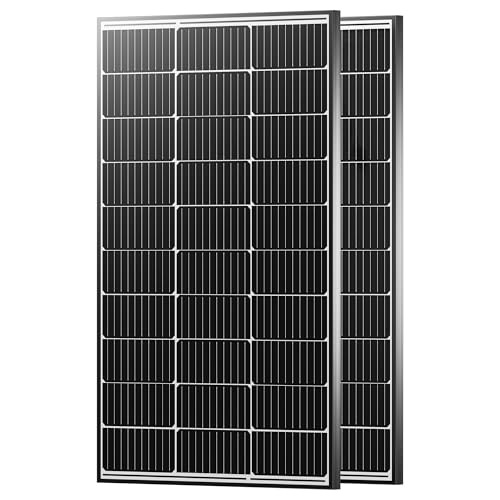
JJN 200 Watt Solar Panels 2PCS 12V 100W

Renogy ShadowFlux Solar Panel 400 Watt 2PCS 200W

N-Type 16BB 400W Bifacial Solar Panel 2Pcs 200 Watt

N-Type 16BB 400 Watt Solar Panel 4×100W

Renogy Solar Panels 200 Watt N-Type 200W
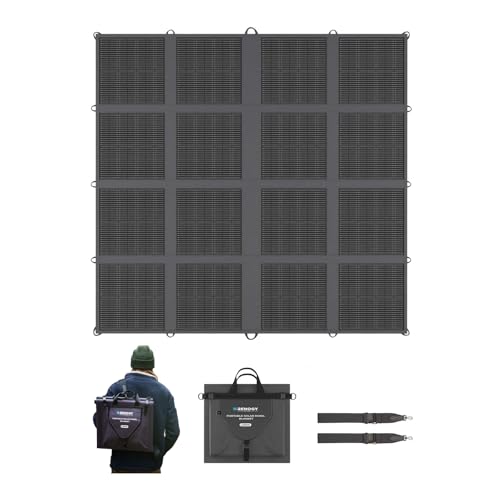
Renogy 400W Portable Solar Panel for Power Stations

PRAANA 3-in-1 Solar Survival Kit

430W 2x215W 4-Modules Anti-Shading Bifacial Solar Panels

Renogy 1180W Solar Panels 2pcs 590 Watt N-Type Bifacial
More Details On Our Top Picks
That 2-panel layout makes this JJN set easy to picture on a small RV roof or a farm shed with limited room. The 10BB monocrystalline cell layout is the detail that matters, because tighter busbar design usually supports better current flow across the panel surface. You still want to plan around mounting space and wiring, since this is a fixed install style rather than a carry-anywhere option.
The honest read is that it suits straightforward power projects more than complicated shade-heavy roofs. Compared with the Renogy ShadowFlux pick, this one looks more basic in concept, but it may fit you better when you want a simpler twin-panel setup without extra design tricks.
What We Like
- Two panels give you flexible placement on tighter roofs.
- Monocrystalline cells suit users who want a familiar rooftop format.
- 23% efficiency gives the panel set a strong output-to-size profile on paper.
- It fits RVs, boats, cabins, and other fixed off-grid builds without feeling overcomplicated.
Points To Note
- Fixed mounting means storage and transport matter more than they do for a foldable model.
- Shade-sensitive roofs can still cut into daily output, which is true for most rigid arrays.
Feature Rundown
Who It Suits Best
You’ll appreciate this pick most if you’re building a compact rooftop array for an RV, cabin, or boat and want a familiar rigid-panel setup.
Where A Sibling Pick Shines
Renogy ShadowFlux Solar Panel 400 Watt is a better fit for you when tree cover, roof hardware, or winter debris makes partial shading a regular concern.
This Renogy set leans hard into shade management, which makes it feel practical for roofs that never see perfect sun all day. The N-Type cell structure is paired with a partial-shading focus, so tree branches, vents, and seasonal snow matter a little less than they do with simpler arrays. For commuters, van owners, or marina installs, that can reduce the usual annoyance of losing power from a small shadow.
It’s still a rigid rooftop panel set, so installation is more involved than the portable Renogy blanket below. The trade-off is worth it for you when the panel will stay mounted long term and the roof’s lighting changes through the day.
Strong Points
- Partial-shade focus makes the layout more forgiving in real roof conditions.
- Two 200W panels keep the system easier to place than a single oversized slab.
- The N-Type build is a good fit for users who want a modern module style.
- It suits RVs, marine decks, and rooftop backups where sunlight never stays perfectly uniform.
Small Caveats
- Rooftop installation still takes planning, hardware, and a clean mounting surface.
- Shade handling helps, but it does not erase the effect of heavy obstruction.
- Compared with the Callsun bifacial models, this one focuses more on shade behavior than rear-side capture.
Core Details
Made For
You’ll get the most from this set on a van, RV, or rooftop system that faces changing light through the day.
Look Elsewhere When
Renogy 400W Portable Solar Panel for Power Stations suits you better when you need a foldable option you can pack away after each trip.
Bifacial panels are designed to use light from both the front and rear sides, and that matters in bright installs where reflected light is available. Compared with the simpler JJN and Renogy 200W options, this Callsun set feels better suited to users chasing every bit of output from open ground, pale roofing, or reflective mounting surfaces. The anti-shade layout also gives it a more flexible feel for mixed-light days.
In a van, marine, or off-grid build, that extra efficiency focus can be helpful, though the install still needs space and a sensible angle. You may find it especially appealing if your setup rarely sits on dark, shadowed material.
Highlights
- Bifacial design can take advantage of reflected light behind the panel.
- 16BB cell layout suggests a dense current path for a modern module.
- Two 200W panels make it easier to split coverage across a roof or frame.
- It fits 12V and 24V systems, which broadens system planning.
- Anti-shade styling helps the panel set stay useful in uneven light.
Areas To Watch
- Bifacial output depends a lot on mounting surface and rear-side exposure.
- Large rigid modules take careful handling during install and storage.
Technical Sheet
Right Fit For
You’ll like this set most for mixed-light off-grid systems where mounting space, angle, and reflection all matter.
Swap It Out When
Callsun 430W 2x215W 4-Modules Anti-Shading Bifacial Solar Panels suit you better when a larger roof can carry more modules and you want even more tolerance for shadow gaps.
Splitting 400 watts into four 100W panels gives you placement flexibility that a single larger module cannot match. That matters on crowded RV roofs, rooftop backup setups, and home systems where vents, edges, or hardware get in the way. Compared with the 2-panel Callsun bifacial pick, this one is more about layout control than rear-side light capture.
The compact format also tends to make transport and handling easier, though you still need to protect the panels from rough stacking. For many small-grid builds, that trade feels sensible rather than flashy.
Bright Spots
- Four smaller modules help you work around awkward roof shapes.
- The 12V, 24V, and 48V compatibility broadens system design options.
- Monocrystalline construction usually suits users who want a straightforward panel style.
- Compact pieces are easier to position on small structures than one oversized panel.
Softer Spots
- More panels usually mean more mounting points and a bit more wiring work.
- Storage requires care, since smaller panels still need protection from impact.
Feature Card
The Right Fit
This set suits you best when roof geometry matters more than ultra-simple wiring and you want the freedom to place panels in separate spots.
Another Choice May Suit
Renogy ShadowFlux Solar Panel 400 Watt is the better fit for you when the roof sees regular shade from trees, snow, or nearby buildings.
This 200W Renogy panel keeps the format familiar, which helps when you want a dependable building block for a class B van, cabin roof, or farm shed. The 16BB cell layout is a technical clue that it’s aimed at smooth current handling, and the N-Type cell design gives it a more modern profile than older basic panels. For many people, that’s enough without moving into more complicated bifacial or shade-focused setups.
It stands between the compact JJN pair and the larger Renogy 400W portable blanket, so it works well as a middle-ground rooftop choice. You may find it especially easy to plan around a standard fixed install where room is decent but not generous.
Upsides
- Single 200W format is easy to understand and size into a small system.
- It suits 12V and 24V setups, which keeps planning simple.
- The N-Type 16BB cell design points toward a more current-efficient panel structure.
- It fits a broad mix of uses, from RV roofs to home backup arrays.
Minor Gripes
- A single-panel format gives you less placement flexibility than split sets.
- Rigid mounting still calls for good roof prep and regular fastener checks.
Details At A Glance
Whose Shelf It Belongs On
You’re the right match for this one if you want a familiar mid-size panel and prefer simple rooftop planning over more specialized shapes.
Reach For A Different Pick When
Renogy 1180W Solar Panels 2pcs 590 Watt makes more sense for you when your home backup plan needs a much larger array right away.
A foldable panel blanket changes the experience completely, because you can pack it down instead of leaving it bolted to a roof. That backpack-size idea suits camping, pickup travel, and marine use where setup and storage both matter. Compared with the rigid rooftop models above, this one is about movement first and permanent mounting second.
For power stations, the shape makes a lot of sense, especially when your charging spot changes from trip to trip. The honest trade-off is that portable gear asks more of your handling habits, so you’ll want a clean place to fold and store it.
Reasons To Buy
- Foldable construction makes transport much easier than a rigid roof panel.
- It fits power stations, so it’s a natural match for mobile backup use.
- The blanket-style design uses less space in a vehicle or storage bin.
- Camping, pickup, and marine setups all fit the intended use pattern.
Worth Noting
- Portable panels need careful folding and storage to stay tidy over time.
- Manual setup adds a little more daily work than a fixed roof mount.
- It’s less set-and-forget than the rigid Callsun and JJN picks.
Quick Facts
Built With In Mind
You’ll get the most out of this panel blanket when travel, storage space, and flexible charging spots all matter equally.
Where Shoppers Go Wrong
Callsun N-Type 16BB 400W Bifacial Solar Panel is the better fit for you if your setup stays mounted and you want more roof-style permanence.
This PRAANA kit is less about rooftop output and more about keeping a small emergency toolset together in one place. The flashlight, 5000mAh power bank, and 7W solar panel give you a compact backup for outages, camping, or a trunk bag. Compared with the larger panel sets, it’s a different kind of solar product, one built for convenience rather than whole-system generation.
The practical upside is simple storage and easy grab-and-go use, though the smaller solar panel means charging pace will be modest. For occasional emergency use, that trade-off is usually easier to accept than carrying separate devices.
Best Bits
- Three tools in one package simplify emergency packing.
- The 5000mAh power bank adds useful backup capacity for a compact kit.
- The small solar panel supports basic top-up charging in a pinch.
- It suits outages, camping trips, and glove-box style storage.
Trade Offs
- The 7W panel is meant for light backup use, not fast replenishment.
- A compact flashlight kit will not replace a full home solar setup.
At A Glance
Who Should Grab It
You’re the best match for this kit if you want a compact emergency shelf item that covers light and backup charging without taking much space.
Skip It When
Renogy 400W Portable Solar Panel for Power Stations is the better fit for you when your camping gear needs serious charging output instead of emergency-level backup.
Four modules split across a 430W system make this set feel like a serious roof plan rather than a casual add-on. The anti-shading focus is the important part, because partial shade from trees, snow, or nearby structures can matter a lot in larger off-grid installations. Compared with the smaller Callsun bifacial pair, this one is built for a bigger footprint and more coverage.
That also means it suits users who already know their mounting layout and have room to spare. You’ll probably like it most when the roof plan is set and you want the system to keep working through less-than-ideal light.
Positives
- Four-module layout gives you a lot of placement flexibility across a large surface.
- Anti-shading design helps in conditions where roof shadows keep changing.
- Bifacial construction can make better use of reflected light around the install.
- It fits RV and marine systems that need stronger panel coverage.
- N-Type 16BB cells point to a more current-focused module design.
Areas To Watch
- Large arrays need more thoughtful mounting and cable routing.
- Bifacial gains still depend on what’s behind and beneath the panel.
- Storage and handling are less convenient than with portable or smaller rigid panels.
Spec Overview
Best Suited To
This set fits you best when you’re building a larger off-grid array and want more resilience around changing light.
Not Your Match When
Renogy Solar Panels 200 Watt N-Type 200W is the simpler path for you when a single mid-size module is enough.
Two 590W modules put this Renogy set in a different class from the 200W and 400W picks above. That kind of scale makes sense for home roof backup, larger RV systems, or boat setups that need serious charging headroom. The bifacial monocrystalline design adds another layer of efficiency-focused thinking, especially in open installs where rear-side light has a chance to matter.
The trade-off is obvious: this is a bigger planning job, so roof space, mounting strength, and wiring design all deserve careful attention. For large systems, though, the extra output can be exactly why you move up to something like this.
Best Bits
- Two high-output panels give large systems a strong starting point.
- Bifacial construction can help in open, reflective mounting conditions.
- Monocrystalline and N-Type cell design suit efficiency-focused installs.
- It makes sense for homes, RVs, boats, and extended backup arrays.
Room For Improvement
- Large panels ask for more roof area and a sturdier install plan.
- Handling and storage are less simple than with compact modules.
- Its scale can be more than many small RV systems need.
Core Details
Perfect Match For
You’re the right match for this set if your project needs large-scale roof output and you have the space to support it.
Where Another Pick Suits Better
JJN 200 Watt Solar Panels 2PCS 12V 100W is a cleaner fit for you when the roof is small and the electrical plan stays simple.
How To Choose The Right Efficient Solar Panels
Start With Space And Mounting Style
Panel size matters as much as wattage. A compact roof, van rack, or narrow cabin top can benefit more from four 100W modules than from one large slab, because you can work around vents and seams more easily.
Portable blanket-style panels suit travel better, while rigid panels make more sense for fixed roofs. That choice affects storage, cleaning, and how often you want to set up the system.
Match Cell Type To Your Environment
N-Type panels are popular in higher-efficiency builds because they target stronger power output in a more modern cell format. Bifacial panels add another layer by using light from both sides, which helps in reflective or elevated installs.
Shade-sensitive roofs are a different story. ShadowFlux-style designs and anti-shading layouts can be worth the attention when trees, snow, or nearby buildings cut into sunlight during the day.
Think About Use Case, Not Just Wattage
A 400W portable panel for a power station solves a different problem from a 400W rooftop pair. The portable option helps you move power around, while the fixed setup helps you build a more permanent system for an RV, boat, or home backup plan.
Higher wattage is useful, but only when the rest of the system can support it. Charge controller capacity, roof space, wiring, and battery size all need to line up with the panel choice.
Look For Fit Over Flash
The best match for you often comes down to how much handling you want to do. A foldable panel is easier to store, a bifacial panel can reward the right mounting surface, and a compact multi-panel set can solve awkward layout problems.
That’s the real decision here: convenience, resilience in shade, or raw output. Once you know which of those matters most, the shortlist gets much easier to narrow.
Things Worth Knowing First
Mistakes Worth Dodging
Many shoppers focus on wattage and ignore footprint. A big module can be awkward on a small roof, even when the output looks tempting on paper.
Another common miss is choosing a rigid panel for a situation that needs daily packing and unpacking. Portable use needs a different shape, and storage space matters just as much as electrical capacity.
The Upgrade Payoff
Higher-tier panels usually cost more because of cell design, shading behavior, and build complexity. N-Type, bifacial, and multi-module layouts can help a system work better in real conditions, especially where sunlight changes through the day.
That extra spend starts to make sense when roof space is tight, shadows are common, or your backup plan needs more output from fewer panels. In simpler setups, a mid-range panel can still be the smarter move.
Frequently Asked Questions
What makes a solar panel more efficient?
Efficiency comes from how much sunlight the panel can turn into usable electrical output. Cell design, panel construction, and shading tolerance all shape that result.
Are bifacial panels worth it for a rooftop?
Bifacial panels can be useful when the rear side gets reflected light from a pale roof or open mounting surface. They matter less on dark or tightly boxed-in installs.
Is a portable solar panel better than a fixed one?
Portable panels are better for travel, storage, and flexible placement. Fixed panels are better for set-and-forget rooftop systems.
How do you size panels for an RV?
Start with roof space, battery capacity, and how much daily charging you actually need. A smaller panel set can work well when your loads are modest and space is tight.
Do higher watt panels always work better?
Higher wattage helps only when your charge controller, battery bank, and mounting space can handle it. A well-fitted smaller system can be a smarter match than an oversized one.
Closing Thoughts
The right Efficient Solar Panels make your whole setup feel calmer, because you stop fighting your roof shape, travel habits, or shade pattern. For small RVs, compact split-panel sets make the most sense, while larger home or off-grid systems can justify bifacial or high-output modules. Portable gear belongs with travel, not permanent roofs, and that’s the distinction that keeps most setups practical. Pick the shape that fits your space first, then let the wattage follow.
