

Diy Solar Systems cover a wide range, from kid-friendly planet kits to off-grid planning books and small photovoltaic parts. That mix makes sense for you if you’re shopping for a classroom project, a bedroom display, or a first pass at home energy planning. The right choice depends on the job, because a decorative solar model and a mini panel kit solve very different problems. This roundup keeps those roles clear so you can match the item to your setup without guesswork.
Quick Look At The Shortlist

COOLDUCK Solar System Planets Space Balls STEM Toy Educational Kids Boys

National Geographic Glow in the Dark Solar System Model for Kids Ages 8-12

Solar Power for Beginners: How to Design and Install the Best Solar Power System for Your Home
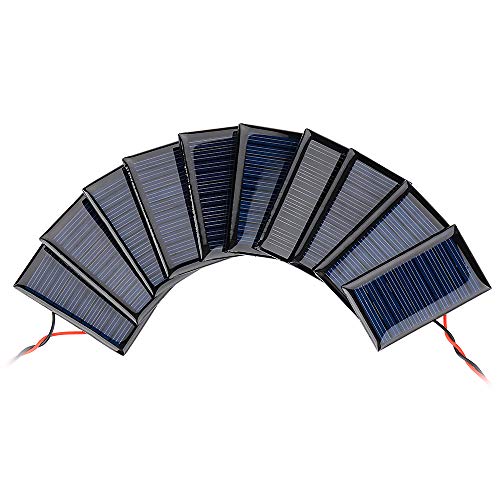
10Pcs 5V 30mA Mini Solar Panels for Mini Solar Cells DIY Electric Toy Materials Photovoltaic Cells Solar DIY System Kits

Off Grid Solar Power Simplified: For Rvs, Vans, Cabins, Boats and Tiny Homes

Off Grid Solar Power Simplified: For Rvs, Vans, Cabins, Boats and Tiny Homes
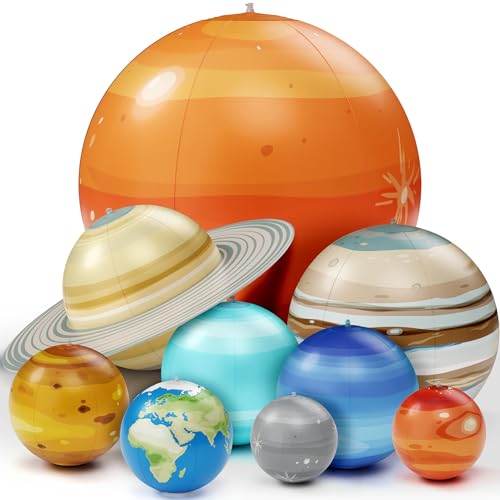
Inflatable Solar System Planets for Kids

STEM Learning Fun with 3D Solar System Kit
More Details On Our Top Picks
That mix of space balls and STEM framing makes this feel more like play material than a display piece, and that suits younger kids well. In a busy home or classroom corner, the softer, hands-on style can keep attention without asking for a long setup.
The trade-off is that you’re looking at a learning toy, not a scale model, so accuracy takes a back seat to engagement. For families who want a low-pressure way to start planet talk, that’s probably the right trade.
Strong Points
- Soft, tactile format suits sensory play.
- STEM theme gives the toy a learning angle.
- Simple setup works for younger children.
- Small pieces are easier to store than a large model set.
Things To Consider
- It leans playful, so it won’t satisfy kids who want a detailed planet model.
- The loose, toy-like format may need tidy storage after use.
Feature Card
Whose Shelf It Belongs On
Kids who like tactile toys and simple space themes will get the most from this one.
Where A Sibling Pick Shines
Blue Marble National Geographic Glow in the Dark Solar System Model for Kids Ages 8-12 suits children who want more painting and display value.
This one shifts from pure play toward a craft-style solar model, which gives you a little more display value on a shelf or desk. The movable arms help the planets feel arranged rather than scattered, so the finished piece looks more intentional in a bedroom or study area.
Painting adds time and a bit of mess, though that’s also the part many families enjoy most. For school-age kids who like projects with a visible end result, it feels more rewarding than the simpler COOLDUCK toy.
What We Like
- Glow-in-the-dark styling adds room appeal.
- Painted 3D planets give the model a hands-on finish.
- Movable arms help the layout feel flexible.
- Works well as a school project or bedroom display.
- Good fit for kids who like crafting and astronomy together.
Worth Noting
- Painting adds extra setup and cleanup.
- The finished piece needs a spot where it won’t get bumped.
Quick Facts
Who Should Grab It
Kids around elementary and middle school age who enjoy crafts will get the best match here.
Another Choice May Suit
Peachy Keen Crafts STEM Learning Fun with 3D Solar System Kit suits you better if you want a fuller hanging model with more included parts.
Compared with the toy-style kits above, this one speaks to the planning side of solar, which matters far more once you’re sizing a home setup. The emphasis on photovoltaic basics, the point where sunlight gets turned into electrical current, gives you a foundation for reading diagrams and making sense of system parts.
That sort of guidance helps in real homes where the goal is lower bills or backup power planning, not decoration. The honest read is that it suits patient beginners more than casual browsers, because the payoff comes from understanding the material in order.
Reasons To Buy
- Starts with solar basics instead of assuming prior knowledge.
- Helps you think through a home system from the ground up.
- Useful for planning, not just inspiration.
Points To Note
- It’s a learning resource, so it won’t supply physical parts.
- It asks for attention, note-taking, and time.
Technical Sheet
Made For
You’ll get the most from this if you’re starting to map out a home solar project and want a clearer base layer of knowledge.
Look Elsewhere When
Nick Seghers Off Grid Solar Power Simplified: For Rvs, Vans, Cabins, Boats and Tiny Homes is the better fit when your project leans toward mobile or off-grid living.
This is the practical parts bin choice in the roundup, and it fits a very different job from the books and kid kits above. With mini solar panels sized for small builds, you can use them in classroom projects, toy experiments, or low-power craft electronics that need compact sourcing.
Under strong sunlight the voltage can rise above the listed figure, so placement matters more than wishful thinking. That makes it a better match for tinkerers who already understand small circuits and don’t mind checking orientation and light exposure.
Upsides
- Ten-panel pack suits repeated experiments.
- Compact size works in small builds.
- Useful for hands-on circuit practice.
- Easy to sort and store in a parts tray.
Softer Spots
- Output depends heavily on bright light.
- Small parts are easier to misplace during projects.
Feature Rundown
The Right Fit
Hands-on hobbyists and classroom project builders will appreciate the small size and repeatable format.
A Better Fit Elsewhere
Paul Holmes Solar Power for Beginners: How to Design and Install the Best Solar Power System for Your Home gives you broader planning guidance for a household setup.
RVs, vans, cabins, boats, and tiny homes all ask the same thing from solar planning, which is decent power in a tight footprint. That’s where this guide fits, because it speaks to the realities of limited roof space, storage limits, and the need to keep a system understandable.
Compared with the more basic beginner book, this title is aimed at mobile or remote setups rather than a fixed house. The trade-off is obvious, though useful: you get a tighter focus, and that makes the material feel more relevant for off-grid living.
Positives
- Targets mobile and compact solar setups.
- Matches the planning needs of small living spaces.
- Feels specific rather than generic.
Minor Gripes
- It’s guidance, so you still need to source hardware separately.
- Less useful for a standard suburban rooftop plan.
At A Glance
Best Suited To
You’ll get the most value from this if your project has to balance solar output with portability or very limited space.
Swap It Out When
AOSHIKE 10Pcs 5V 30mA Mini Solar Panels for Mini Solar Cells DIY Electric Toy Materials is the better pick for small hardware experiments rather than off-grid planning.
This edition is aimed at the detail-minded side of off-grid design, so it feels more technical than the simpler version above. The focus on energy units, formulas, tools, and wire sizing makes it a stronger fit once you’re past the casual stage and ready to plan with more precision.
Wire diameter, for example, matters because undersized wire can create unnecessary losses and headaches in a system layout. That makes this pick useful for hands-on builders who want a reference that goes deeper than the broad-strokes overview.
Best Bits
- Covers energy units that many beginners skip.
- Includes formulas that help with planning math.
- Touches on tools and wire sizing, which are practical details.
- Better for building than browsing.
Areas To Watch
- The detail level can feel heavy for casual use.
- It works best once you already know your project direction.
Core Details
Built With In Mind
Experienced hobbyists and small-space installers will get the clearest value here.
Reach For A Different Pick When
Nick Seghers Off Grid Solar Power Simplified: For Rvs, Vans, Cabins, Boats and Tiny Homes is the friendlier starting point for a first pass at the topic.
This set is less about building and more about turning a room into a space lesson. The jumbo inflatable planets and sun give you a big visual footprint, which works well in classrooms, playrooms, or party setups where you want the theme to be obvious right away.
The included learning cards help push it beyond simple decor, and that gives the set a bit more staying power after the party ends. One thing worth considering, though, is storage, because inflated pieces always need a bit of room when they’re packed away.
Bright Spots
- Large format is easy to see across a room.
- Useful for parties, classrooms, and themed decor.
- Learning cards add a teaching layer.
- Creates a strong visual anchor for space-themed spaces.
Small Caveats
- Inflatables need storage space after use.
- Decor-first design matters more than build activity.
Details At A Glance
Who Will Love This
Teachers, party hosts, and families decorating a kid’s room will get the most value from the big visual style.
Where Shoppers Go Wrong
Peachy Keen Crafts STEM Learning Fun with 3D Solar System Kit is the better choice when you want a project that ends as a hanging model rather than room decor.
Compared with the inflatable set, this kit gives you a more traditional hands-on project with a hanging mobile format. The 27-inch length, foam planets, sun, stars, and paintable pieces make it feel like a full craft activity rather than a quick room accent.
Glow-in-the-dark paint adds a little nighttime interest, while the easy instructions lower the stress for family projects. For kids around upper elementary age, it lands in a sweet spot between guided assembly and creative freedom.
Standout Traits
- Complete hanging model gives the project a finished look.
- Paintable foam parts encourage personalization.
- Glow-in-the-dark paint adds extra display value.
- Easy instructions help reduce setup friction.
- Good balance of learning and craft time.
Honest Caveats
- Assembly and painting take time.
- The hanging format needs a suitable spot indoors.
Core Details
Perfect Match For
Families and hobby kids who want a craft project with a visible finished display will feel right at home with this kit.
Skip It When
Blue Marble National Geographic Glow in the Dark Solar System Model for Kids Ages 8-12 is a better fit when you want a more compact paint-and-display project.
How To Choose The Right Diy Solar Systems
Match The Format To The Job
Start with the end use, because that narrows the field fast. A kid’s room decoration, a classroom model, a mini circuit project, and a home solar planning guide all sit under the same broad search term, but they solve different problems.
Inflatables and paintable kits reward visual learning, while mini panels reward tinkering. Planning books matter most when you’re thinking about wiring, layout, and system sizing.
Check The Skill Level Honestly
Some picks ask only for curiosity and a little table space. Others expect patience, basic tool familiarity, or enough focus to work through formulas and setup notes.
Choose a level that matches your actual routine, not your ideal weekend mood. That keeps the project from stalling halfway through.
Think About Space And Storage
Big inflatables, hanging mobiles, and assembled models need somewhere to live after the fun part ends. Mini panels and books are easier to tuck away, which helps in smaller homes and shared rooms.
That simple space check often matters more than the feature list. A tidy setup is easier to keep using, and that makes the item feel worth having.
Separate Learning From Hardware
Books teach you how solar systems work, while parts let you build something physical. You’ll usually need both eventually, but not at the same stage.
Beginners often get better results by starting with a guide, then moving to a small parts kit. That keeps the learning curve from feeling like a wall.
Things Worth Knowing First
Mistakes Worth Dodging
One common slip is buying a kid craft set when you really need a planning guide, or the other way around. Another is overlooking storage, especially with inflated decor or completed models.
It also helps to check the size of any parts kit before assuming it can scale up. Mini panels are for small projects, not whole-house power plans.
What The Higher Tier Buys
More expensive picks usually give you more detail, more pieces, or more teaching depth. In this category, that can mean better project completeness, more structured instructions, or a broader technical explanation.
The upgrade makes sense once the project has real stakes, like a room display you want to keep up or a solar layout you’re trying to understand clearly. For casual play, the simpler option often makes more sense.
Frequently Asked Questions
Are these Diy Solar Systems all meant for the same use?
No, they split into craft toys, decor, parts, and planning books. That’s why the right fit depends on your goal.
Which item makes the easiest starter choice for kids?
COOLDUCK Solar System Planets Space Balls STEM Toy Educational Kids Boys keeps things simple and tactile. It suits younger children who want play first and detail second.
Which pick helps with home solar planning?
Solar Power for Beginners: How to Design and Install the Best Solar Power System for Your Home is the clearest starting point here. It focuses on the basics you need before you think about parts.
Do the mini panels work for large projects?
No, they fit small builds and experiments. The listed size and output make them a parts choice, not a full-system solution.
Which option is better for room decor?
Inflatable Solar System Planets for Kids stands out for visual impact in a room. The hanging model from Peachy Keen Crafts works better when you want a craft piece with a more permanent look.
Bottom Line
You’ve got a split category here, so the smart move is matching the item to your actual project instead of chasing a single answer. Kids usually get the most from the inflatable sets, paintable models, or sensory toy, while tinkerers and planners will get more value from the mini panels and solar books. Pick the format that fits your space, your patience level, and how much hands-on work you want. That’s the cleanest path to a choice you’ll still feel good about later.
