

Getting started with solar projects can feel messy fast, especially when you’re sorting through tiny panels, sensor boards, and full off-grid systems in the same search. This roundup keeps the focus on starter-friendly options, from simple classroom builds to a larger RV-ready setup. You’ll see where each kit fits, what kind of hands-on project it supports, and where the trade-offs show up.
The Shortlist At A Glance
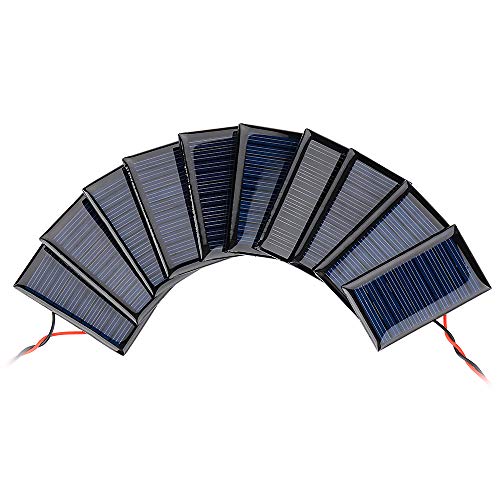
AOSHIKE 10Pcs 5V 30mA Mini Solar Panels

KEYESTUDIO DIY Solar Tracking Electronic Kit

FellDen Micro Solar Panels with Wire 5PCS

Delinx Fun Physics Science Experiment Kit

Sntieecr Electric Circuit Motor Kit with Solar Panel

ECO-Worthy 1.6KWH Complete Solar Panel Kit 400W 12V

LAFVIN Solar Tracking Starter Kit Project DIY Smart Tracker System
More Details On Our Top Picks
These small panels make sense for tabletop projects, toy builds, and classroom demos where you want a simple piece of photovoltaic hardware. A photovoltaic cell converts light into electrical energy, and the low 5V, 30mA output keeps expectations realistic for tiny circuits rather than full charging jobs.
In full sun, the listing says the voltage can rise above 5V, so placement matters more than people sometimes expect. That makes this a tidy fit for hobbyists who need a lightweight part bin staple, while the modest output is the clear trade-off.
Strong Points
- Ten-panel pack gives you spares for multiple small builds.
- Lightweight size fits narrow prototypes and miniature models.
- Simple 5V class output keeps basic wiring easy to follow.
- Good match for school projects that need repeatable samples.
Things To Consider
- Output is aimed at tiny loads, not larger project boards.
- Performance depends heavily on strong sunlight and angle.
- Small parts need careful storage so they do not bend or scratch.
Feature Snapshot
Who Should Grab It
Beginners building tiny solar toys or school models will get the most from this set.
Swap It Out When
FellDen Micro Solar Panels with Wire 5PCS suits you better when you want a higher 200mA output for more demanding demo circuits.
After the tiny panel pack, this one moves into actual electronics practice with Arduino-focused learning and a solar tracking layout. The package also includes a BH1750 light sensor, which measures light intensity, plus temperature and humidity sensing for projects that respond to changing conditions.
The 11 online tutorials are the part that makes the kit feel approachable, especially for a teen or adult stepping into code-driven solar builds. The trade-off is that this is more about guided learning than plug-and-play simplicity, so patience helps.
What We Like
- Step-by-step tutorials help you move from basics to a fuller build.
- Light, temperature, and humidity sensing adds real project variety.
- Arduino compatibility opens the door to coding practice.
- Useful for learning how a tracker reacts to changing light.
- Good fit for a desk, classroom, or hobby bench.
Worth Noting
- Learning curve is steeper than a plain solar panel set.
- More parts also mean more time spent organizing pieces.
- Best results come from a careful, stepwise build style.
Core Details
Best Suited To
Teens and adults who want a guided electronics project will find the structure especially helpful.
Look Elsewhere When
AOSHIKE 10Pcs 5V 30mA Mini Solar Panels makes more sense for a very simple first build with fewer moving parts.
This set keeps things straightforward, but it offers more current headroom than the tiny 30mA panels above. Each panel is listed at 5V and 200mA, which gives you a more practical range for simple demonstrations and small wired experiments.
The included wire helps simplify the first hookup, which is useful in a garage workbench or a spare-room project corner. The only real catch is that the five-panel count is modest, so larger builds will call for more planning.
Highlights
- 200mA rating gives you more breathing room for small demos.
- Built-in wire reduces setup fuss for first-time wiring.
- Five-panel pack works well for a focused project kit.
- Simple form factor keeps storage and sorting easy.
Softer Spots
- Five pieces can feel limited for multi-stage classroom use.
- Still geared to light projects, not heavy electrical loads.
- Needs careful handling so the cells stay clean and flat.
Details At A Glance
Who Will Love This
Hobbyists who want a tidy, wired starter set for small solar experiments will appreciate the balance here.
A Better Fit Elsewhere
KEYESTUDIO DIY Solar Tracking Electronic Kit suits you better when you want sensors and programming in the same project.
Delinx takes the solar idea and folds in wind and hand-crank generation, so the lesson is broader than a single panel can teach. That mix is useful in a science corner or homeschool setup, because it shows energy conversion from more than one source.
The solar panel portion is only one part of the kit, though, so this is more of an educational system than a pure solar module. For kids and teens who like cause-and-effect projects, that wider scope is the main attraction.
Upsides
- Three generation modes make the lesson easy to compare.
- Supports hands-on learning about energy conversion.
- Solar panel element keeps the kit tied to the theme here.
- Works well for guided family or classroom projects.
Minor Gripes
- Not a dedicated solar-only kit, so focus is broader.
- More parts mean more sorting after each session.
- Best stored in a small organizer to keep pieces together.
Quick Facts
Made For
Kids and teens who like visual, hands-on physics projects will get a lot out of this kit.
Where A Sibling Pick Shines
Sntieecr Electric Circuit Motor Kit with Solar Panel fits better for a more focused solar-motor lesson.
This kit sits in a very teachable middle ground, because it focuses on a solar panel plus a motor circuit rather than a full tracking build. That makes it easier for younger hobbyists to understand how light energy can drive movement in a simple setup.
You also get 14 circuit-kit pieces, which gives the project more room to explore without making it feel overloaded. The trade-off is that the learning stays pretty basic, so advanced tinkerers may outgrow it quickly.
Best Bits
- Solar panel and motor pairing makes the lesson easy to follow.
- Fourteen circuit pieces give the kit decent range for beginners.
- Simple layout works well on a kitchen table or classroom desk.
- Good first step for learning how motion starts from light.
Areas To Watch
- Geared more toward early learning than deeper experimentation.
- Small parts call for tidy storage after each session.
- Advanced hobbyists may want a kit with sensors or tracking.
Feature Rundown
Right Fit For
Early STEM learners who want a clear, low-stress solar project will feel comfortable with this one.
Not Your Match When
KEYESTUDIO DIY Solar Tracking Electronic Kit suits you better for coding, sensors, and a more advanced build path.
This is the heavy lifter in the list, and it belongs in a different conversation than the tiny starter panels above. Four 100W solar panels, a 40A MPPT controller, two 12V 100Ah lithium batteries, a 2000W inverter, and a Bluetooth module point to real off-grid planning for an RV or similar setup.
MPPT means maximum power point tracking, which helps the controller extract more usable output from the panels as sunlight changes. That extra control costs more and asks more from installation, but it also suits people who want a full system instead of a classroom project.
Reasons To Buy
- Full system layout saves you from piecing everything together separately.
- Battery, controller, and inverter coverage support real off-grid use.
- Bluetooth module adds convenient status checking in daily use.
- Strong fit for RVs, cabins, and similar mobile setups.
- Higher-capacity design can support larger household-style loads.
Points To Note
- Installation is more involved than a beginner classroom kit.
- Large components need planning for space, mounting, and cabling.
- Maintenance is more serious, especially around battery storage.
Technical Sheet
Whose Shelf It Belongs On
RV owners, cabin users, and serious off-grid planners are the group most likely to appreciate this package.
Reach For A Different Pick When
LAFVIN Solar Tracking Starter Kit Project DIY Smart Tracker System is the lighter choice for Arduino learning and smaller desk projects.
LAFVIN lands near the middle of the pack because it focuses on solar tracking without jumping all the way to a full power system. The tutorial support and Arduino IDE compatibility make it practical for someone who wants to understand how a tracker responds to light changes.
That makes it a sensible bridge between the beginner panel packs and the more involved KEYESTUDIO kit. For a hobby desk, it offers enough structure to stay useful without turning into a giant weekend build.
Positives
- Solar tracking concept teaches how position affects available light.
- Tutorial support lowers the friction for first-time setup.
- Arduino IDE compatibility helps you keep learning beyond the base build.
- Good size for desk work or a small project bench.
Room For Improvement
- Still needs some comfort with coding and wiring.
- Not as immediately simple as a plain panel kit.
- Storage matters, since tracking parts are easier to misplace.
Core Details
The Right Fit
DIY tinkerers who want a guided tracker project with coding practice will feel right at home here.
Another Choice May Suit
FellDen Micro Solar Panels with Wire 5PCS suits you better for a simpler, less code-heavy first solar experiment.
How To Choose The Right Diy Solar Panel Kits For Beginners
Start With The Kind Of Project You Want
Small panel packs work best for toy models, classroom demos, and first wiring exercises. Kits with sensors, motors, or trackers suit you better once you want the project to do something visible after the first connection.
That difference matters more than brand names. A 5V, 30mA mini panel and a 400W RV system live in completely different worlds, even though both sit under the solar umbrella.
Match Output To Your Goal
Output numbers tell you how much work a kit can realistically support. Low-current panels are fine for light demos, while higher-current or full-system setups support larger loads and longer use.
The trade-off is ease versus capability. The more output you want, the more you usually need to think about wiring, storage, and component fit.
Look At Learning Support
Beginner-friendly kits often stand out because they explain the build instead of assuming you already know the path. Tutorials, compatible software, and clear part counts reduce frustration in the first few sessions.
That support matters most for teens, homeschool setups, and adults returning to hobby electronics after a long break. A neat part list helps, but step-by-step guidance usually helps more.
Think About Storage And Maintenance
Small parts, wires, and panels all need a place to live after the project ends. Simple storage keeps pieces from bending, scratching, or disappearing between sessions.
For larger kits, maintenance becomes part of the purchase decision. Batteries, inverters, and controllers ask for more planning than a handful of mini panels, so the right fit depends on how much setup you want to manage.
Things Worth Knowing First
Common Shopping Slip Ups
Many first-time solar hobbyists focus on the panel count and skip the output details. That leads to a kit that looks ready but can only handle tiny demos.
Another common miss is buying a larger system before you need it. A full RV package can be great later, but it adds cost, space demands, and a much steeper setup path.
What The Higher Tier Buys
Higher-tier kits usually pay for more control, more power storage, and a more complete parts list. MPPT controllers, lithium batteries, and inverters all add capability that basic panel packs simply do not offer.
That upgrade makes sense for cabins, RVs, and ongoing off-grid use. For a school project or a weekend hobby build, the extra complexity can be more than you need.
Frequently Asked Questions
What’s the easiest type of solar kit to start with?
Simple mini panel packs are the easiest starting point for most beginners. They keep the wiring basic and make the first project feel manageable.
Do beginner solar kits need direct sunlight?
Yes, stronger light usually gives you more useful output. Indoor light can still demonstrate the idea, but it rarely matches bright outdoor conditions.
Are tracking kits too advanced for a first project?
Not always, but they do ask for more patience than plain panel sets. Tutorials and Arduino support make the learning curve gentler.
Can a beginner use a full off-grid solar kit?
Yes, but the setup is much more involved than a small classroom kit. RV owners and cabin users tend to get the most value from that larger format.
What should you store carefully after each session?
Small panels, sensors, wires, and loose connectors all deserve organized storage. Keeping parts together helps the kit stay usable for the next project.
Closing Thoughts
The right solar starter kit depends on how hands-on you want the learning to be. Mini panel packs keep things light and approachable, while tracker kits and circuit sets add more teaching value. A full RV package only makes sense once you’re ready for serious off-grid planning. Choose the kit that matches your space, your patience, and the project you actually want to finish.
