

Battery storage looks tidy on paper, then turns messy fast once AA cells, 18650 packs, and solar gear start sharing drawers. These picks help you sort small household batteries, larger lithium packs, and portable solar accessories without guessing where anything went. You’ll see compact cases for cabinets, drawer-style organizers for families, and heavier-duty storage for people keeping backup power close at hand.
Quick Look At The Shortlist

Slimline AA Battery Case, Compact Durable TPU Organizer

Molutsody Battery Organizer Box with Tester, Storage Case

ALCYON Battery Organizer Case, Battery Vault Box for 48pcs AA AAA Batteries

BTSKY Clear Acrylic Battery Storage Organizer

12V 200Ah LiFePO4 Lithium Battery Fireproof Safe Bag
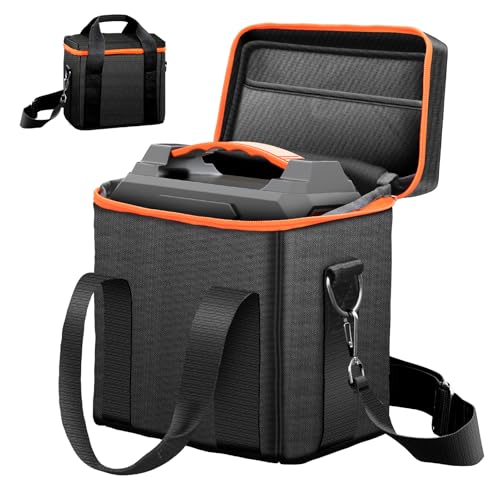
Portable Power Station Carrying Case for R100 Portable Solar Generator

12V100Ah Battery Case for LiFePO4 32700 26650 18650
Solar Energy Storage Charging Controller
More Details On Our Top Picks
Small households usually feel the benefit of this sort of slim case first, because it keeps AA cells from wandering through drawers. TPU, or thermoplastic polyurethane, gives the organizer a flexible shell that suits light daily handling better than a rigid box.
Compared with the larger organizers later in this list, this one stays much easier to tuck into a kitchen drawer, car console, or office caddy. The trade-off is simple capacity, since it holds only four AA batteries, so it fits people who rotate a few spares instead of storing a whole household supply.
Strong Points
- Very small footprint for cramped storage spots
- TPU build adds some everyday flexibility
- Keeps spare AA cells together and visible
- Easy to drop into a junk drawer or tool bag
Points To Note
- Capacity stays limited, so bulk storage needs another option
- AA-only design narrows the use case
Feature Snapshot
Who It Suits Best
You’ll get the most from this one in a compact home setup where a few AA spares need a proper home.
Where A Sibling Pick Shines
Molutsody Battery Organizer Box with Tester, Storage Case suits families and utility rooms that need far more capacity in one place.
For households that always seem to have loose cells in a kitchen drawer, this organizer brings order fast. The built-in tester is the practical twist, because you can sort batteries while you store them instead of finding weak ones later.
The double clear lid helps you see stock without opening every compartment, and the carry handle makes it easier to move between a workshop, closet, or laundry room. Compared with the slim Protect Your Power case, this one is built for scale, though it also asks for more shelf space.
Highlights
- Holds a very large mixed-battery supply
- Clear lids make contents easy to scan
- Tester adds useful sorting convenience
- Built-in handle helps with room-to-room carrying
- Works well for families with many devices
Areas To Watch
- Large footprint can crowd smaller shelves
- More moving parts means a little more to keep track of
- Best value comes when you actually store many cells
Technical Sheet
Whose Shelf It Belongs On
You’ll appreciate this most in a busy home or utility room where mixed battery types pile up quickly.
Skip It When
ALCYON Battery Organizer Case is the cleaner fit for someone who wants a smaller box devoted to AA and AAA storage.
This case sits in a useful middle ground, which matters more than it sounds like in a normal home setup. The fitted slots keep AA and AAA batteries from drifting around, so the contents stay sorted without the bulk of a giant organizer.
The clear lid helps you glance at inventory, and the secure latches make it feel more travel-friendly than the open drawer style of the BTSKY pick. Its Black, Medium format should suit cabinets, shelves, or an office supply drawer where tidy storage beats sheer volume.
Upsides
- Individual slots keep batteries separated
- Clear lid makes quick checks easy
- Latch closure suits everyday carry between rooms
- Moderate size fits standard home storage spaces
Small Caveats
- Designed only for AA and AAA batteries
- Case-only format keeps the focus on storage, not extras
Core Details
Built With In Mind
You’ll like this most if you want a mid-size organizer for a family room, office, or shared closet.
Look Elsewhere When
Molutsody Battery Organizer Box with Tester is the more practical match for households that need space for many battery sizes at once.
Drawer-style storage tends to work well in craft rooms, and this acrylic setup leans into that idea. The clear body makes it easy to spot battery types at a glance, so you spend less time hunting and more time refilling what you actually need.
It stands apart from the ALCYON case because the four-drawer layout favors sorting by category rather than locking everything into one compact box. The BPA-free acrylic also cleans easily with mild soap and water, though the dishwasher restriction means you’ll want gentle hand care.
Bright Spots
- Transparent drawers make inventory easy to see
- Four-drawer layout helps separate battery types
- BPA-free acrylic feels suited to daily home use
- Wipes down easily with mild soap and water
Honest Caveats
- Hand washing is the safer cleaning route
- Drawer format takes more horizontal space than a compact case
- Not as portable as a lidded organizer
Details At A Glance
Right Fit For
You’ll get the most from this in a craft room, hobby zone, or organized utility shelf.
Where A Sibling Pick Shines
ALCYON Battery Organizer Case is the better fit for someone who prefers a closed, latch-secured box over open drawers.
People storing large lithium packs need a very different kind of container, and this bag is built around that reality. Its 22 x 9 x 9.5 inch size gives you room for substantial gear, while the fire-resistant construction and waterproof outer box format speak to storage-minded use rather than everyday drawer cleanup.
Compared with the smaller AA and AAA organizers, this one is about containment and separation for bigger power setups. The trade-off is obvious, since the size and specialty focus make it far less casual to stash in a hallway cabinet, but that same focus helps in garages, workshop benches, or charging corners.
Reasons To Buy
- Large interior suits bigger lithium battery setups
- Fire-resistant bag format adds a stronger containment layer
- Waterproof box style helps with document or valuables storage too
- Useful for dedicated charging and storage stations
Room For Improvement
- Specialized size is overkill for small household cells
- Bulkier shape needs a dedicated storage spot
- More suited to setup zones than casual carrying
Feature Rundown
The Right Fit
You’ll want this for a workshop, garage, or power-focused setup where large lithium packs need a contained home.
Another Choice May Suit
ZeroKor Portable Power Station Carrying Case is easier to live with for people carrying a smaller solar generator between home and campsite.
Portable solar gear asks for a case that can move as easily as the rest of your setup, and this one is clearly aimed at that job. It’s shaped for the R100 portable solar generator, so the fit is more specific than the all-purpose bags above it.
That specificity helps during camping, backup-power storage, or car-trunk transport, because the gear is less likely to slide around. The catch is simple compatibility, since this case is built around one model rather than a broad set of batteries or stations.
Best Bits
- Tailored fit for the R100 portable solar generator
- Useful for travel between home and campsite
- Supports tidy storage during emergency prep
- Smaller scope can mean simpler packing
Softer Spots
- Single-model focus limits flexibility
- Not meant for loose battery sorting
- Gear not included, so it serves as a carry case only
Quick Facts
Made For
You’ll get the best fit here if you already rely on the R100 during camping trips or backup use.
Where A Sibling Pick Shines
SunnyLith 12V 200Ah LiFePO4 Lithium Battery Fireproof Safe Bag is the smarter call for users who need broad containment rather than a model-specific sleeve.
Solar storage builds often need a shell that matches their cell layout, and this case is tuned for exactly that kind of project. The listed compatibility with LiFePO4 packs and 32700, 26650, and 18650 cells makes it more technical than the drawer organizers earlier in the list.
The lack of an LCD display keeps the design simpler, which some DIY setups actually prefer because there’s one less component to mount or maintain. That said, the case is most useful for hands-on builders who already know their battery format and want storage that fits the plan.
Standout Traits
- Fits several common lithium cell formats
- Works well for solar system builds
- Simpler case design can suit DIY layouts
- Useful for planned energy storage setups
Minor Gripes
- No LCD display, so it stays more basic
- Technical fit may be too specific for casual storage
- Best results depend on matching the right cell size
At A Glance
Who Should Grab It
You’ll get the most from this if you build or maintain a solar storage system with matching lithium cells.
Swap It Out When
Protect Your Power Slimline AA Battery Case is the better everyday match for small household batteries and simple drawer organization.
This pick moves beyond storage boxes and into charging control, which matters for solar setups that need more than a place to park batteries. It supports AA nickel-metal hydride, or NiMH, batteries, and it also includes a USB DC switch charging port for linked uses like a solar fan setup.
That makes it a niche fit, but a useful one for people building a compact solar power corner instead of a simple battery drawer. The trade-off is obvious, since it serves a narrower battery chemistry and system style than the all-purpose organizers above.
Positives
- Supports AA NiMH batteries
- USB DC switch charging port adds flexibility
- Useful for small solar-powered setups
- Can support a solar fan and 18650 charging workflow
Worth Noting
- Focused use case makes it less universal than storage cases
- Better for connected charging setups than loose battery organization
- NiMH emphasis narrows the match for some households
Feature Card
Whose Shelf It Belongs On
You’ll want this in a solar workshop or charging station where batteries and power delivery live together.
Another Choice May Suit
Molutsody Battery Organizer Box with Tester is easier for homes that need straightforward storage first and charging control second.
How To Choose The Right Battery Storages For Solar
Match The Container To The Battery Type
Battery storage only helps when the shape and chemistry match the gear you own. AA and AAA organizers suit remotes, lanterns, and small backups, while LiFePO4 cases fit larger solar builds and station-style storage.
That matters because loose fit leads to wasted space and awkward handling. A case built for 48 small cells will feel very different from a bag meant for a 12V lithium pack.
Think About Access, Not Just Capacity
High capacity sounds useful, but visibility and access matter just as much in daily life. Clear lids, drawers, and labeled slots make restocking faster, especially in a garage, utility closet, or family command center.
Handle-based boxes help too when storage moves between rooms or trips. For a fixed shelf, though, drawer organizers can be easier to live with than carry-style cases.
Choose For Your Space
Compact homes need cases that vanish into drawers without cluttering the counter. Workshops and off-grid corners can handle larger boxes, bags, and charging controllers because the space is already dedicated to power gear.
Size also affects maintenance. Smooth acrylic wipes down quickly, while soft-sided or pouch-style storage needs a little more care to stay neat.
Separate Everyday Storage From System Parts
Some items here store batteries, and some help manage or charge them. That difference matters, because a charging controller or portable power case solves a different problem than an AA organizer box.
Solar households often end up needing both. The cleanest setup usually combines a small home organizer for loose cells with a larger enclosure for the working power system.
A Quick Reality Check Before You Choose
Mistakes Worth Dodging
One common miss is buying a case that fits the wrong battery family. Another is overlooking size, which leaves a good organizer sitting unused because it crowds the shelf or drawer.
It also helps to separate casual storage from project storage. A simple AA case will never replace a purpose-built lithium enclosure for solar hardware.
The Upgrade Payoff
Higher-tier storage costs more because it usually gives you better fit, larger capacity, or a more specialized structure. That extra structure matters in solar setups, where cell format, handling, and space planning all affect how tidy the system stays.
Paying more makes sense when you store many batteries, move gear often, or need a container that does more than hold loose cells. The cheaper route works fine for a few spares, but the upgrade becomes worth it once your setup starts spreading across a closet, bench, or camping kit.
Frequently Asked Questions
What makes battery storage useful for solar setups?
It keeps spare cells, packs, and related gear in one place instead of scattered across drawers. That makes it easier to track what you have before a trip or backup need.
Do you need a special case for lithium batteries?
Larger lithium packs often fit better in dedicated enclosures or bags than in generic household organizers. The right shape matters because it supports cleaner placement and easier handling.
Are clear organizers worth it?
Clear lids or drawers save time because you can see what’s inside without opening everything. That helps a lot in busy kitchens, utility rooms, and shared family shelves.
Should you choose a storage box or a carrying case?
Storage boxes make sense for fixed spots and sorting by type. Carrying cases suit travel, camping, and any setup that moves from one location to another.
What matters most for a first solar storage setup?
Start with the battery format you use most often, then match capacity to the size of your backup stash. After that, choose the style that fits your space, whether that’s a drawer, lidded box, bag, or controller.
Closing Thoughts
The right battery storage makes your solar setup feel calmer and easier to use, because you know exactly where each cell or pack belongs. Small AA organizers handle everyday clutter, while larger bags and system cases serve the heavier lifting in workshops, camps, and backup-power corners. Pick the format that fits the gear you already own, then let your shelf space and storage habits do the rest.
