

Battery Solar Panel Kits make sense when you want stored power without living next to a wall outlet. They suit RV trips, cabin weekends, boat use, and backup setups that need a calmer way to keep lights, phones, fans, and small electronics ready.
The right kit depends on how much space you have, how often you travel, and whether you want a simple maintainer or a fuller off-grid setup. Some of these picks are built for slow battery care, while others are closer to a starter power station with panels, controller, and storage in one box.
Quick Look At The Shortlist

Renogy 400 Watt 12 Volt Premium Solar Power System with 40A MPPT Controller

ECO-WORTHY 200 Watt 12V Complete Solar Panel Starter Kit with Battery and Inverter

SUNER POWER Waterproof 20W 12V Solar Battery Charger Maintainer PRO

ECO-WORTHY Solar Panel Kit 25W 12V Solar Battery Charger Trickle Maintainer
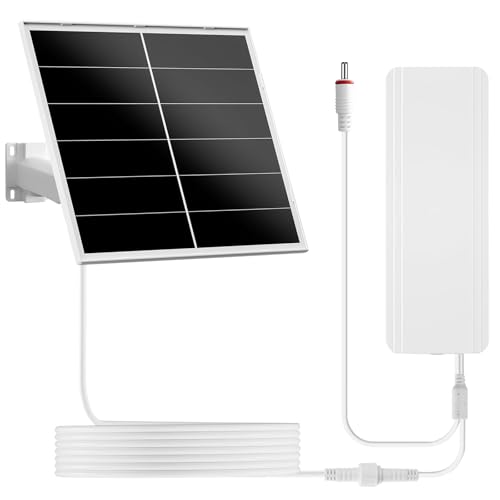
20W Solar Panel Kit with 24000mAh Battery, 5V and 12V Adjustable Output

100W 12V Solar Power Kit with 20Ah LiFePO4 Battery and 10A PWM Controller

ExpertPower 100W 12V Solar Power Kit with 21Ah Gel Battery

ExpertPower 200W 12V Solar Power Kit with 20Ah LiFePO4 Battery and 20A PWM Controller
More Details On Our Top Picks
Renogy’s 400-watt layout sits closer to a small roof system than a casual charger, so it suits RV owners and cabin setups that need real daily utility. The 40A MPPT controller, or maximum power point tracking controller, matters because it keeps the panel array working closer to its usable output as light conditions shift.
The Bluetooth module adds a useful layer of visibility for people who like checking system status without opening a cabinet. Compared with the lighter maintainer kits below, this one asks for more planning, more mounting space, and a more serious battery bank, but that trade-off is exactly why it feels so capable.
Strong Points
- Four 100W panels give you a larger base for a 12V setup.
- The MPPT controller helps the system adapt better to changing sun.
- Bluetooth monitoring makes routine checks less awkward in tight installs.
- The included brackets, fuse, adapter, and tray cables reduce piecemeal sourcing.
- Good fit for people building a more permanent off-grid setup.
Things To Consider
- The system asks for enough roof or ground space to mount four panels cleanly.
- Setup takes more planning than the smaller charger kits in this roundup.
- You may find it more system than you need for occasional battery upkeep.
Feature Snapshot
Who It Suits Best
You get the most from this kit in an RV, cabin, or workshop build where panel area and battery capacity are already part of the plan.
A Better Fit Elsewhere
ECO-WORTHY 200 Watt 12V Complete Solar Panel Starter Kit with Battery and Inverter suits a newcomer who wants a smaller all-in-one path instead of Renogy’s larger, more involved layout.
This ECO-WORTHY kit is built for the person who wants a more complete starter path without piecing together every component separately. With 200W of panels, a 30A charge controller, a 50Ah lithium battery, and a 600W inverter, it covers the chain from collection to storage to basic AC use.
That balance matters in a trailer or small RV, where you want a compact system that still feels like a real power package. Compared with the Renogy setup, this one is less about scaling up and more about getting a functional entry point with fewer moving parts.
Highlights
- The battery and inverter are already part of the kit, which simplifies the first build.
- 50Ah lithium storage fits lighter loads and short trips well.
- The 600W inverter covers small appliance use more comfortably than panel-only kits.
- Good shape for RV owners who want an orderly starter package.
- The 30A controller gives you the control piece in the same purchase.
Worth Noting
- The system is still modest in output compared with the larger Renogy array.
- For heavier appliance use, you may outgrow the battery sooner than you expect.
- Installation takes a little patience because panels, battery, controller, and inverter all need clean placement.
Core Details
Who Will Love This
You suit this kit best when you want an orderly off-grid starter package for weekend RV use, light camping power, or a small backup setup.
Swap It Out When
Renogy 400 Watt 12 Volt Premium Solar Power System with 40A MPPT Controller makes more sense for a cabin or larger RV where the goal is broader output rather than a starter bundle.
SUNER POWER’s 20W maintainer is aimed at keeping a 12V battery healthy in the background, not running a cabin load or driving a large appliance setup. The built-in UltraSmart MPPT controller gives it a more refined charging approach than a plain trickle panel, which can matter for cars, boats, trailers, and seasonal equipment.
That smaller footprint makes it easy to live with, especially for vehicles that sit between trips. Compared with the bigger ECO-WORTHY and Renogy kits, this one is about simple battery care, and that narrower focus is exactly its strength.
What We Like
- Good fit for battery maintenance rather than full power production.
- The MPPT controller helps the panel work more intelligently than basic low-cost maintainers.
- Waterproof construction suits outdoor parking, dockside storage, and trailering.
- Small size makes it easy to fit on a dash, hood, or compact mounting area.
- Useful for owners who want a low-effort way to keep batteries topped.
Small Caveats
- 20W is modest, so this is not the pick for running everyday loads.
- You may need patience in cloudy storage situations, since the output is limited by size.
- The small-panel format is easier to place, but it also means slower replenishment.
Quick Facts
Built With In Mind
You fit this kit best for parking-lot storage, seasonal vehicles, or a boat that needs a steady maintenance charge.
Where A Sibling Pick Shines
ECO-WORTHY Solar Panel Kit 25W 12V Solar Battery Charger Trickle Maintainer gives you a slightly larger buffer for people who want the same maintenance role with more output headroom.
This ECO-WORTHY kit keeps the focus tight, with a 25W panel, an adjustable mounting bracket, and an upgraded controller for 12V batteries. For motorcycles, boats, RV batteries, and garage storage, that compact shape is useful because it takes less space and keeps the install visually simple.
Compared with the SUNER POWER maintainer, it offers a bit more panel output, which may help in less forgiving weather or longer storage stretches. The trade-off is straightforward, though, since this still belongs in the battery care lane rather than the larger power-production lane.
Bright Spots
- The adjustable bracket helps you angle the panel without improvising a mount.
- 25W gives a little more breathing room than a 20W maintainer.
- Good size for small vehicles and tight storage spots.
- The upgraded controller adds value for routine battery upkeep.
Areas To Watch
- It remains a maintenance kit, not a setup for larger electrical loads.
- Mounting still needs a clean surface and a little care with cable routing.
- For regular off-grid living, you’ll want a larger system than this.
Details At A Glance
Whose Shelf It Belongs On
You suit this kit if you want a tidy maintainer for a vehicle or battery that sits idle for long stretches.
Another Choice May Suit
SUNER POWER Waterproof 20W 12V Solar Battery Charger Maintainer PRO works better for someone who wants a waterproof maintenance setup with a stronger controller focus.
VUEBEE takes a more portable route, pairing a 20W panel with a 24,000mAh battery, adjustable 5V and 12V output, USB-C, and DC plugs. That mix matters for travel use because you can support small electronics without building a fixed installation around a roof or wall.
The 360-degree adjustable mount and IP66 rating help it make sense for outdoor movement, rougher weather, and easy angle changes. Compared with the smaller maintainer-only kits, this one feels more like a mobile charging station, though the 20W panel still keeps expectations grounded.
Reasons To Buy
- The built-in battery gives you stored power instead of panel-only output.
- 5V and 12V output broadens the range of small devices you can support.
- USB-C and DC ports are handy for everyday travel gear.
- The adjustable mount helps you re-angle the panel in changing conditions.
- IP66 protection makes the kit more at home outdoors.
Softer Spots
- It’s still a 20W panel, so charging speed stays modest.
- The portable design is practical, but it gives up the permanence of a mounted system.
- You may want a larger array for regular RV energy use.
Feature Rundown
The Right Fit
You fit this kit best for travel, temporary outdoor power, and light charging where portability matters more than full system output.
Look Elsewhere When
ECO-WORTHY Solar Panel Kit 25W 12V Solar Battery Charger Trickle Maintainer suits a simpler battery-care job better if you want a smaller, fixed maintainer instead of a portable pack.
ECI Power keeps this kit compact but purposeful, with a 100W mono rigid panel, a 12V 20Ah LiFePO4 battery, and a 10A PWM controller. LiFePO4, short for lithium iron phosphate, is a battery chemistry valued in many portable power setups for its lighter feel and stable storage profile.
That combination suits trailers, campers, and marine use where space is tight and a modest but modern battery matters. Compared with the ExpertPower gel-based 100W kit, this one leans more toward newer battery chemistry and a more current-feeling package.
Best Bits
- LiFePO4 battery storage gives the kit a modern core.
- The 100W rigid panel keeps the layout tidy and familiar.
- The 10A PWM controller keeps the system straightforward for simple installs.
- Good size for compact RV or trailer energy needs.
Room For Improvement
- 100W is useful, but it stays in small-system territory.
- PWM controllers are simpler than MPPT units, so efficiency expectations should stay realistic.
- Rigid panel mounting still takes planning on curved or crowded surfaces.
Technical Sheet
Made For
You suit this kit best for a compact RV, trailer, or marine setup where you want a tidy 100W system with battery storage included.
Where Shoppers Go Wrong
ExpertPower 200W 12V Solar Power Kit with 20Ah LiFePO4 Battery is the better fit for people who expect to scale beyond small loads and want more panel headroom from the start.
ExpertPower takes a straightforward route here, combining a 100W panel, a 10A controller, and a 21Ah gel battery. Gel batteries tend to appeal to people who want a familiar sealed style, and that makes the kit easy to place in basic RV, trailer, or backup applications.
Compared with the ECI Power kit, this one leans more traditional in its storage choice and a little less modern in feel. That’s not a bad thing for simple use, though the trade-off shows up most clearly when you compare it with the LiFePO4-backed option above.
Positives
- The 100W panel gives you a manageable footprint for compact setups.
- Gel storage suits people who prefer a more familiar battery style.
- The bundled controller keeps the kit from feeling pieced together.
- Works well for basic backup or low-demand outdoor use.
Trade Offs
- The 21Ah battery is modest, so runtime expectations should stay measured.
- It sits behind the LiFePO4 option in modern battery chemistry.
- For larger mobile power needs, you may want a bigger panel array.
Feature Card
Best Suited To
You fit this kit best for straightforward backup, light RV use, or a small off-grid project that values simplicity over newer battery chemistry.
Skip It When
ECI Power 100W 12V Solar Power Kit with 20Ah LiFePO4 Battery is the smarter match for anyone who wants a lithium-iron-phosphate battery instead of gel storage.
ExpertPower’s 200W kit gives you more room to work than the 100W sibling, and that extra panel capacity changes the feel of the whole setup. The 12V 20Ah LiFePO4 battery and 20A PWM controller make it a better match for RV, camper, and marine projects that need a little more breathing room.
Compared with the 100W versions in this roundup, this one is the step up that starts to feel less cramped without jumping into Renogy’s larger, more complex territory. The honest read is that it suits people who want stronger growth potential but still want a clear, self-contained kit.
Plus Points
- 200W of panel capacity gives you more energy to work with.
- The LiFePO4 battery keeps the storage side modern and compact.
- 20A PWM controller supports a bigger small-system layout.
- Good fit for RV, trailer, marine, and project installs.
- Feels like a sensible step up from the 100W kits.
Honest Caveats
- PWM remains a simpler controller style than MPPT.
- The battery is still modest for bigger appliance use.
- More panel area means you need more space and cleaner mounting planning.
Core Details
Right Fit For
You fit this kit best when a 100W setup feels too small and you want a clearer path for RV or off-grid expansion.
A Better Fit Elsewhere
Renogy 400 Watt 12 Volt Premium Solar Power System with 40A MPPT Controller suits the person who has room for a larger, more fully scaled array.
How To Choose The Right Battery Solar Panel Kits
Match Output To The Job
Start with the load you actually need to support. A 20W maintainer suits parked vehicles and seasonal batteries, while 100W to 200W kits fit compact RVs, trailers, and light off-grid projects.
Higher wattage means more charging headroom, but it also means more mounting space, more wiring, and a stronger need for planning. That trade-off matters more than brand name alone.
Choose The Right Battery Style
LiFePO4 batteries, short for lithium iron phosphate, are common in modern portable power kits because they keep weight in check and usually feel easier to place. Gel batteries are simpler and familiar, though they tend to suit basic use better than ambitious expansion.
Battery capacity matters just as much as chemistry. A 20Ah battery works for lighter use, while 50Ah gives a starter kit more breathing room before you need to recharge.
Pick The Controller With Care
Controller type changes how smoothly the system handles incoming power. MPPT controllers are more advanced and often make better use of changing sunlight, while PWM controllers are simpler and fit basic, smaller setups well.
For a camper or cabin that runs often, MPPT is easier to justify. For a small maintenance kit, PWM usually keeps things simpler and cheaper to live with.
Think About Installation And Storage
Panel shape and accessories affect everyday ownership more than many people expect. Rigid panels suit permanent mounting, adjustable brackets help with angle changes, and portable kits help when storage space is the real limit.
Clean cable routing, sensible panel placement, and enough room for the battery all matter in a busy RV or garage. A tidy kit is usually easier to keep in service long term than one that feels forced into a space.
Things Worth Knowing First
Hidden Buying Traps
Plenty of shoppers focus on panel wattage and overlook the battery or controller. That can leave you with a kit that looks strong on paper but feels underpowered in daily use.
Another common misstep is buying a system that’s too large for the available mounting space. A cleaner fit often works better than squeezing in a setup that fights the vehicle or roof shape.
The Upgrade Payoff
Higher-tier kits usually cost more because they include better controllers, larger panel arrays, stronger batteries, or more complete bundles. Those parts reduce guesswork and can make the system feel more settled from the start.
The upgrade makes sense when you use power often, want a more permanent install, or plan to expand later. For occasional maintenance, a simpler kit is often the calmer choice.
Frequently Asked Questions
What Size Kit Works For A Small RV?
100W to 200W kits suit many small RV setups, especially when your loads stay modest. Larger rigs or heavier appliance use usually need more output and a more deliberate battery plan.
Is MPPT Better Than PWM?
MPPT is the stronger choice for many larger or more variable solar setups because it handles changing sunlight more intelligently. PWM still makes sense for smaller, simpler kits where straightforward operation matters more.
Do You Need A Battery Included?
A battery helps you store power instead of using it only while the sun is out. Kits without one can still work, but they suit different setups and often need more separate planning.
What Matters More, Panel Wattage Or Battery Capacity?
Both matter, because the panel fills the battery and the battery stores the result. A large panel with a tiny battery can feel lopsided, while a large battery with too little panel input can recharge slowly.
Can A Small Maintainer Run Household Gear?
Small maintainers are built for battery care, not full appliance use. They fit parked cars, boats, and seasonal equipment much better than they fit daily power demands.
Closing Thoughts
The right Battery Solar Panel Kits feel less like a gadget and more like a dependable part of your routine. A small maintainer works for storage and standby use, while a larger all-in-one kit makes more sense for RV travel, cabins, and weekend off-grid living. Your best match comes down to space, storage style, and how much power you want ready each day. Pick the one that fits your setup cleanly, and the rest gets easier.
