

You’re probably sorting through a mix of batteries, boxes, and power gear because your solar setup needs more than a vague “storage” label. The right choice depends on whether you want portable backup, a DIY cabinet, a charging controller, or a carry case for panels that travel with you. This roundup keeps those jobs separate so you can match the item to the way you actually use power at home, on the road, or off grid.
Some of these picks are complete storage systems, while others support the system around them. That matters, because a battery build for a cabin has very different needs from a panel bag for weekend trips. You’ll see those differences clearly here.
Quick Look At The Shortlist
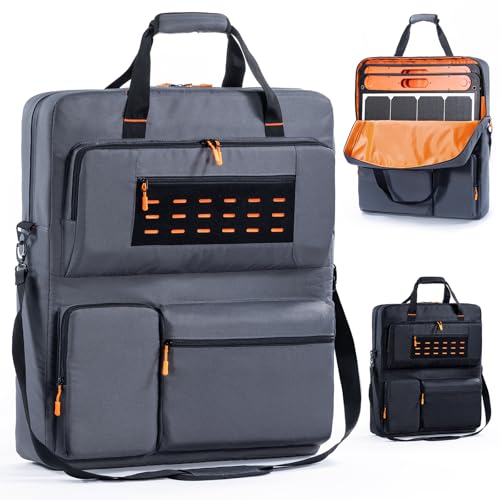
FRECOLSH Jackery SolarSaga Carrying Case

Jackery HomePower 3600 Plus Portable Power Station
ZINIKIF Solar Energy Storage Charging Controller
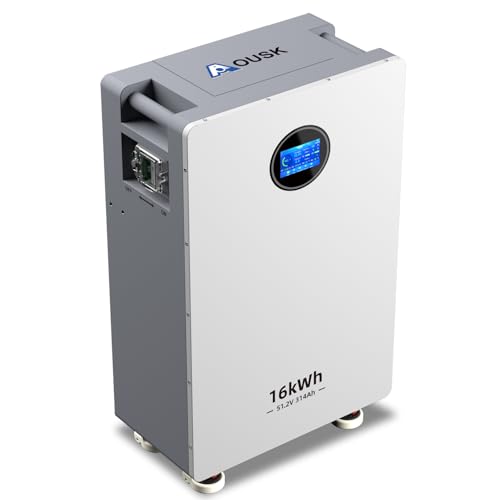
AOUSK 48V 314Ah LiFePO4 Battery


XBERSTAR 12V100Ah Battery Case

HiXiMi 16KWh 48V LiFePO4 Battery Box

HiXiMi 16KWh 48V LiFePO4 Battery Box
More Details On Our Top Picks
This case makes sense for travel-first solar setups, because panel protection matters just as much as the panels themselves. The multiple-pocket layout gives you a place for cords or small accessories, so you’re not stuffing everything into one loose compartment.
Compared with the heavier storage items later in this roundup, it’s about movement, not long-term energy capacity. You may find it especially helpful for camping, van trips, or keeping a pair of panels together in a garage without scuffs and clutter.
What We Like
- Keeps two panels organized for transport
- Extra pockets help separate small accessories
- Useful for frequent loading and unloading
- Cleaner storage than leaving panels loose
Things To Consider
- It supports panel storage, not energy storage itself
- Fit depends on matching the listed panel family
- Soft bags need gentler handling than rigid cases
Feature Snapshot
Who It Suits Best
You’re the right match for this case if you move solar panels often and want a tidier carry setup.
A Better Fit Elsewhere
HiXiMi 16KWh 48V LiFePO4 Battery Box suits home builders who need a full cabinet, not a carry bag.
This one is built for people who want storage and output in the same package, especially during outages or RV travel. The 3600W AC output and 3584Wh LFP battery give you a serious base to run appliances, while the included 2x 200W solar panels help you think beyond wall charging alone.
The expandable design is the part that changes the conversation, because it gives you room to scale instead of replacing the whole unit later. The trade-off is size and cost, so it suits households that truly need backup power rather than occasional weekend use.
Highlights
- Large-capacity battery supports heavy backup needs
- AC output suits common household appliances
- Two solar panels help with recharging options
- Expandable design supports growing power plans
- Good match for RVs and emergency readiness
Areas To Watch
- Bulky compared with smaller backup units
- More system than casual users usually need
- Longer-term storage space matters in tight homes
Core Details
Made For
You’ll get the most from this unit in a home that needs backup power with real appliance support.
Where A Sibling Pick Shines
ZINIKIF Solar Energy Storage Charging Controller fits small DIY charging projects far better than this whole-home station.
Here you’re looking at a control piece, not a big storage tank, and that distinction matters. It is aimed at charging AA NiMH batteries, powering a solar fan, and handling 18650 batteries through a USB DC switch charging port, so it fits small renewable projects and bench work.
Compared with the HomePower unit, this is far lighter in scope and far more specialized. That’s useful for hobby stations or compact systems, though the narrow purpose means it won’t satisfy someone trying to build a household backup source.
Strong Points
- Handles several small-power charging tasks
- Useful for DIY solar electronics setups
- Can support a solar fan arrangement
- Compact role keeps system planning simple
Minor Gripes
- Not a full storage battery
- Works in a narrower project lane
- Best for technically minded setups, not broad household use
Quick Facts
Whose Shelf It Belongs On
This suits hobbyists or tinkerers who build compact solar charging setups and want one controller for several small tasks.
Another Choice May Suit
XBERSTAR 12V100Ah Battery Case makes more sense for a 12V home-storage shell with a clearer battery-box role.
This is the heavy hitter in the group, built for people who need serious stored energy rather than a compact backup cushion. The 48V format, 314Ah rating, and 16.07kWh capacity point toward a system that can anchor home backup or a larger off-grid setup.
The built-in 200A BMS, or battery management system, matters because it helps coordinate charging and discharge behavior inside the pack. The trade-off is obvious, though, because this kind of battery is not casual gear and it belongs in a planned install with room to spare.
Best Bits
- Large energy capacity suits demanding systems
- 48V design works well for serious storage builds
- 200A BMS adds internal control support
- LCD touchscreen helps with status checks
- RS485, CAN, and RS232 improve integration flexibility
Small Caveats
- Installation planning matters more here than with smaller units
- Non-returnable status raises the need to confirm fit first
- Hazmat shipping rules can complicate handling
Technical Sheet
Best Suited To
You’re in the right lane for this battery if you’re planning a large home backup or off-grid installation.
Skip It When
HiXiMi 16KWh 48V LiFePO4 Battery Box is the more practical route when you want a cabinet-style DIY enclosure instead of a finished pack.
This case is all about DIY flexibility, which is exactly why it stands apart from the finished AOUSK pack above. It’s a waterproof plastic empty shell for 12V, 24V, or 48V battery builds, so you can shape the storage around your own cell choice and system goals.
That openness is helpful for custom solar projects, but it also means you’re doing the planning work yourself. The honest read is that this suits hands-on installers who care more about layout and compatibility than plug-and-play simplicity.
Upsides
- Supports several voltage build paths
- Waterproof plastic housing adds practical protection
- Good base for custom solar cells
- Lets you match capacity to your own plan
Points To Note
- Empty shell means you still need cells and build parts
- No LED display on this version
- DIY assembly takes more patience than a finished unit
Details At A Glance
The Right Fit
You’ll like this most if you build your own solar battery box and want a flexible enclosure rather than a prebuilt pack.
Look Elsewhere When
Jackery HomePower 3600 Plus Portable Power Station is the better match for someone who wants a ready-made backup unit with panels included.
This one narrows the DIY idea into a more focused 12V shell, which is helpful for smaller solar storage builds. The LCD display is a nice practical touch, since it gives you a clearer view of what’s happening without adding extra accessories.
Compared with the broader XBERSTAR kit, this case is easier to place inside a simpler 12V system. You may still need to confirm exact cell fit, but for tidy home projects or compact backup plans, it feels more manageable than the larger cabinet-style entries.
Bright Spots
- 12V format suits common small storage builds
- LCD display adds quick status visibility
- Useful for LiFePO4-based systems
- More compact than large cabinet options
Worth Noting
- Works best when your cell plan matches the case closely
- Still a shell, not a complete battery
- Smaller format limits larger backup ambitions
Feature Rundown
Built With In Mind
This suits you well when you want a compact 12V battery case for a small solar build or replacement project.
Reach For A Different Pick When
AOUSK 48V 314Ah LiFePO4 Battery is the stronger path for a much larger backup system with far more stored energy.
This cabinet-style box is aimed at custom storage builds that need structure as much as capacity. The package excludes cells, but it does include the hardware support you need for a DIY 15kWh system, and the size guidance points you toward compatible Class A LiFePO4 cells around 174 x 72 x 207 mm.
Relative to the smaller XBERSTAR cases, this feels much closer to a dedicated storage room than a simple shell. That makes it a serious fit for home backup planners who already know their cell plan and want a more substantial enclosure.
Reasons To Buy
- Cabinet layout supports a large DIY storage build
- Helpful for organized off-grid installations
- Built around 48V LiFePO4 pack plans
- Includes hardware support for the enclosure setup
Honest Caveats
- Cells are excluded, so the build is still on you
- Requires careful matching to the listed cell size
- Larger cabinet footprint needs real placement space
Core Details
Perfect Match For
You’re a good fit for this cabinet if you already know your cell plan and want a larger DIY storage enclosure.
Skip It When
XBERSTAR DIY Kit Battery Box is easier to approach when you want a simpler, lower-commitment enclosure for a smaller build.
This second HiXiMi listing tracks very closely to the previous cabinet, so the main reason to notice it is the same broad DIY storage role with a different product page path. For planning purposes, that means the same large-cell, 48V home-storage use case applies, which helps keep the comparison simple.
The included 200A JK BMS and accessory bundle make it feel a touch more complete for a serious build, even though the cells still need to be sourced separately. For a garage workshop or a dedicated utility corner, that extra structure can make the project feel less like loose parts and more like a proper system.
Standout Traits
- Accessory bundle supports a more complete DIY build
- 200A JK BMS adds control support
- Large cabinet format suits serious storage plans
- Works with the same 48V LiFePO4 build direction
Areas To Watch
- Still excludes cells, so you need a separate purchase plan
- Large cabinet size calls for careful placement
- Most useful to experienced DIY installers
Feature Card
Who Should Grab It
This is a strong fit for hands-on installers who want a cabinet-based DIY battery enclosure with more included hardware support.
Where Another Pick Suits Better
Jackery HomePower 3600 Plus Portable Power Station is the simpler match for someone who wants a ready-made backup unit instead of a cabinet build.
How To Choose The Right Battery For Solar Storage
Match The Format To The Job
Start with the job, not the label. A portable power station like the Jackery HomePower 3600 Plus serves outages and RV travel, while cabinet-style units from HiXiMi are built for fixed installs, and small accessories like the FRECOLSH case or ZINIKIF controller solve narrower problems.
That split matters because storage gear is easy to misread at a glance. A “battery” can mean a whole power station, an empty enclosure, or a control piece that helps charging happen, and each one serves a different stage of a solar setup.
Pay Attention To Chemistry, Voltage, And Scale
LFP, or lithium iron phosphate, appears in the larger backup picks because it suits steady storage use. Voltage matters just as much, since 12V cases fit compact builds, 48V systems support larger home setups, and a 16.07kWh battery is playing in a very different league from a small shell.
Think in terms of space and runtime, not just the headline number. A garage system needs room for enclosure size, cable paths, and service access, while a travel case needs enough padding and pocket layout to keep panels and accessories tidy.
Look For Control, Compatibility, And Maintenance
Features like a built-in BMS, LCD display, or communication ports help the system feel less opaque during daily use. They also make ownership easier, because you can check status more clearly and integrate the battery more cleanly with compatible equipment.
Compatibility still wins the day. Confirm cell size, voltage class, and the physical footprint before you plan a build, because a good-looking enclosure turns into a headache fast when the internal parts do not line up.
Choose By Use Case, Not Hype
Someone building a backup room needs a very different tool than someone charging AA cells or carrying solar panels between trips. The right pick is the one that trims friction from your actual routine, whether that means faster setup, tidier storage, or more usable capacity.
That’s the cleanest way to avoid overspending on the wrong kind of power gear. Once you match the item to the task, the rest of the decision gets much easier.
Things Worth Knowing First
Hidden Buying Traps
One common misstep is treating every solar battery product like a complete battery. Some items in this roundup are just enclosures or transport cases, so the real job is to separate storage capacity from support gear.
Another trap is skipping size checks. Case dimensions, cell compatibility, and whether batteries are included or excluded all change the outcome, especially in DIY builds.
The Upgrade Payoff
Higher-tier options cost more because they tend to add capacity, control hardware, better integration, and more complete construction. That shows up in things like a 48V cabinet, a 200A BMS, touchscreen status access, or a large energy figure such as 16.07kWh.
The upgrade makes sense when you’re backing up a home, planning off-grid living, or building a system you don’t want to outgrow quickly. For smaller projects, a simpler case or controller often makes more sense and keeps the setup less complicated.
Frequently Asked Questions
What does battery for solar storage usually mean?
In this category, it can mean a full battery pack, a battery box, a power station, or a charging controller. The exact role depends on the product page details.
Is 48V better than 12V for solar storage?
Neither is universally better, because they serve different system sizes. 48V usually fits larger home or off-grid builds, while 12V works well for compact setups.
Do these products all include batteries?
No, and that’s an important detail to check carefully. Several of the cases and cabinets in this list are sold as shells or enclosures only.
What does LFP mean on a solar battery?
LFP stands for lithium iron phosphate, a battery chemistry used in many storage systems. It shows up in the larger power-focused picks here.
Why do some battery boxes have displays or communication ports?
Displays help you check status more easily during everyday use. Communication ports such as RS485, CAN, or RS232 help compatible systems talk to each other.
Closing Thoughts
The best Battery For Solar Storage choice depends on whether you need portability, backup power, or a DIY enclosure for your own cells. The Jackery HomePower 3600 Plus makes the strongest all-in-one case for serious backup needs, while the HiXiMi cabinets suit more custom-minded setups and the smaller XBERSTAR options keep things simpler. Once you match the format to the job, the right pick tends to stand out fast. A clear use case saves you from paying for features you’ll never use.
