

You’re usually choosing these batteries for one of three reasons: longer stays without hookups, cleaner power storage, or fewer headaches than lead-acid swaps. The right pick depends on capacity, case size, low-temperature charging protection, and whether you want a single battery or a matched pair for a larger bank.
This roundup keeps the focus on practical fit. You’ll see compact 100Ah options for straightforward RV upgrades, larger 280Ah to 600Ah units for heavier storage needs, and a few Bluetooth-equipped choices for people who like checking battery status without opening a compartment.
Quick Look At Our Shortlist

CHINS LiFePO4 Battery 12V 100Ah with Low-Temp Protection

dumfume 12V 600Ah LiFePO4 Battery with 200A BMS

ECO-WORTHY 12V 280Ah 2 Pack Metal Case Battery with Bluetooth

VEMDIA 12V 100Ah Group 31 Deep Cycle Battery

GRNOE 2-Pack 12V 100Ah Group 31 Battery Set
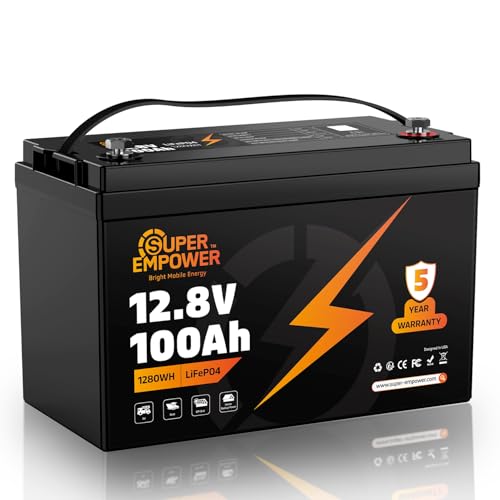
SUPER EMPOWER 12V 100Ah BCI Group 31 Battery

ECO-WORTHY 12V 314Ah LiFePO4 Battery with Bluetooth

Dyness 12V 100Ah LiFePO4 Battery 2-Pack Group 31
More Details On Our Top Picks
CHINS keeps this one centered on the practical 12V 100Ah class, which is the sweet spot for many RV battery bays. The built-in 100A battery management system, or BMS, matters because it helps manage charge and discharge behavior without you needing a separate control box.
For weekend trips, solar charging setups, and trolling motor duty, that balance usually feels easier to live with than a heavier bank. The low-temperature protection is the detail that helps in colder shoulder seasons, though you still need to match the battery to your charging gear and compartment space.
What We Like
- 12V 100Ah capacity fits many RV retrofit projects without forcing a full rewiring job.
- 100A BMS supports the everyday current demands of common 12-volt RV loads.
- Low-temp protection adds a useful layer for cool-climate storage and spring travel.
- Lithium iron phosphate chemistry usually keeps the battery lighter than old-school lead-acid options, which helps when lifting into a cramped compartment.
Things To Consider
- The single-battery format may feel small for larger boondocking plans.
- Your charger and solar controller need to suit lithium charging profiles.
Feature Snapshot
Who It Suits Best
You’ll get the most from this pick if your RV setup needs a straightforward 100Ah upgrade with sensible protection and no extra complexity.
A Better Fit Elsewhere
dumfume 12V 600Ah LiFePO4 Battery with 200A BMS suits travelers building a much larger off-grid energy reserve.
This dumfume battery is the brute-force option in the group, with 600Ah of storage for rigs that spend real time away from shore power. That kind of reserve matters in an RV with a serious inverter load, a large solar array, or both.
The IP65 rating means the enclosure is built to resist dust and water spray rather than sit in an open, exposed spot. The trade-off is obvious, though: a battery this large asks for planning, weight awareness, and enough room to make installation sensible.
Upsides
- 600Ah capacity gives you a deep reserve for longer stays and larger electrical loads.
- 200A BMS supports higher draw use cases better than smaller 100A units.
- IP65 sealing adds welcome protection for damp compartments and dusty storage areas.
- Low-temperature cutoff matters for colder climates and shoulder-season camping.
- 15000-plus cycle rating points to long-haul ownership potential for frequent users.
Small Caveats
- Size and weight demand careful planning before you commit to the install.
- The scale can be excessive for simple weekend RV use.
- You’ll want charging hardware that can keep up with a battery bank this large.
Core Details
Whose Shelf It Belongs On
You’ll appreciate this most in a large RV or off-grid setup where capacity matters more than compact size.
Reach For A Different Pick When
CHINS LiFePO4 Battery 12V 100Ah with Low-Temp Protection makes more sense for smaller rigs and simpler electrical layouts.
Bluetooth changes the feel of battery ownership because you can check status data without opening the compartment every time. On a camper or RV with a tucked-away battery bay, that convenience matters more than it sounds like it should.
Compared with the simpler CHINS and VEMDIA options, this ECO-WORTHY set leans harder into monitoring and scale. The metal case adds a more protected feel, but two batteries also mean more space planning and more attention to cable layout.
Standout Traits
- Bluetooth support makes routine status checks more convenient in a daily-use setup.
- Two-battery package suits larger systems without forcing a separate second purchase.
- Metal enclosure gives the pack a sturdier feel than basic plastic-bodied designs.
- Low-temp protection helps the set fit cooler-season travel a little better.
Areas To Watch
- Two batteries take more storage space than a single 100Ah unit.
- Pair installation can add wiring complexity for newer RV owners.
- Bluetooth is handy, but you still need a compatible phone workflow to use it well.
Details At A Glance
Built With In Mind
You’ll get the best fit from this set if you want a larger RV or off-grid battery bank and value app-based monitoring.
Where A Sibling Pick Shines
Dyness 12V 100Ah LiFePO4 Battery 2-Pack Group 31 is the cleaner match for smaller installs that still need paired batteries.
Group 31 sizing matters because it helps the battery slot into a common RV bay without forcing a custom mount. That makes this VEMDIA unit easier to picture in a direct lead-acid replacement, especially in a compact coach or travel trailer.
The 100A smart BMS and low-temp cutoff give you the kind of practical protection many people want in a daily-use battery. The honest trade-off is that this is still a single 100Ah unit, so it’s better for moderate loads than for long days of heavy inverter use.
Strong Points
- Group 31 format makes replacement planning easier for many RV bays.
- 100A BMS fits common 12-volt electrical loads well.
- Low-temp cutoff helps in cooler camping seasons and stored-unit situations.
- Lightweight lithium construction usually makes handling less awkward than older battery styles.
Worth Noting
- Single-battery capacity may feel modest for extended off-grid stays.
- Your existing charger needs to be compatible with lithium chemistry.
Quick Facts
Right Fit For
You’ll like this most if you want a familiar Group 31 replacement with a simple setup and sensible protection.
Look Elsewhere When
SUPER EMPOWER 12V 100Ah BCI Group 31 Battery is the more straightforward pick for shoppers who want a similarly sized alternative to compare.
Two matched 100Ah batteries give you flexibility that a lone unit can’t match. That can matter in an RV, trailer, or home energy backup setup where you want to spread storage across a pair instead of relying on one larger case.
GRNOE also spells out the shipping reality clearly, since each battery comes in its own box and may arrive separately. That’s a small inconvenience, but it’s worth knowing before a weekend install so your project timeline stays realistic.
Best Bits
- Matched 2-pack format supports larger or more balanced battery banks.
- Group 31 sizing eases replacement planning in many RVs.
- 100A BMS fits common household and travel power needs.
- Low-temp protection adds practical value for mixed-season use.
- The pair format can be more adaptable than a single oversized battery.
Minor Gripes
- Separate boxes can mean separate arrivals, which complicates scheduling.
- Two-battery wiring needs a little more planning than a single drop-in unit.
Feature Rundown
Made For
You’ll get the most value here if you’re building a two-battery system and want matched 100Ah units from the start.
Swap It Out When
VEMDIA 12V 100Ah Group 31 Deep Cycle Battery is easier to manage for a single-battery replacement job.
Some battery swaps are about keeping the process simple, and this SUPER EMPOWER unit fits that brief well. The BCI Group 31 shape helps it line up with many RV compartments, so you’re not fighting the install before you even get to the wiring.
The 100A BMS and low-temp protection are the practical pieces that matter most for a routine RV or marine replacement. It isn’t the flashiest option in the field, but that plain approach can be a relief when you want something that behaves like a familiar drop-in battery.
Highlights
- BCI Group 31 sizing supports easier replacement planning.
- 100A BMS fits everyday RV and marine loads well.
- Low-temp protection adds a useful margin for cooler weather use.
- 1280Wh capacity gives you a clear sense of stored energy for moderate setups.
Points To Note
- The single-battery format may not be enough for longer off-grid stays.
- You’ll still want compatible charging equipment for lithium batteries.
At A Glance
The Right Fit
You’ll probably like this most if you want a straightforward Group 31 battery that does the basics without fuss.
Where A Sibling Pick Shines
GRNOE 2-Pack 12V 100Ah Group 31 Battery Set makes more sense for a two-battery plan or a larger system build.
This ECO-WORTHY battery sits in a higher-capacity lane than the 100Ah group, and the Bluetooth plus SOC LEDs make status checking feel less like guesswork. SOC means state of charge, which is the battery’s remaining energy level in plain terms.
That extra visibility helps in longer RV stays, off-grid cabins, and home backup setups where you care about how much energy is left, not just whether the battery is still on. The trade-off is size and commitment, because a 314Ah unit is better suited to a planned system than a casual drop-in swap.
Positives
- 314Ah capacity supports longer runtime than standard 100Ah batteries.
- Bluetooth and SOC LEDs give you quick status information.
- 200A BMS suits heavier demand systems more comfortably.
- Low-temp protection adds seasonal flexibility.
- 4019Wh energy rating helps with planning for appliances and inverter use.
Softer Spots
- Large capacity usually means more planning for mounting and cable routing.
- The scale can feel unnecessary in short-stay RV use.
Technical Sheet
Perfect Match For
You’ll get the best fit here if you’re building a larger RV or backup power setup and want active monitoring.
Another Choice May Suit
ECO-WORTHY 12V 280Ah 2 Pack Battery with Bluetooth is easier to stage when you prefer two smaller units instead of one large case.
Dyness gives you a matched 2-pack in the familiar 100Ah Group 31 format, which makes system planning feel simpler than mixing unknown pairings. That sort of consistency matters in an RV or off-grid setup where you want both batteries to behave like a coordinated set.
The A+ grade cell note and built-in 100A BMS point toward a clean, no-nonsense approach rather than a feature-heavy one. It’s a sensible fit for shoppers who want paired batteries without stepping all the way up into the larger, more complicated ECO-WORTHY or dumfume options.
Bright Spots
- Two-pack format helps with balanced system building.
- Group 31 size simplifies fit checks in many RV compartments.
- 100A BMS supports common 12-volt electrical use.
- Low-temp protection adds practical cold-weather flexibility.
Room For Improvement
- Two batteries require a little more storage and wiring planning.
- Pair format may be more than some smaller rigs need.
Core Details
Who Should Grab It
You’ll like this pair most if you want a clean two-battery setup with the familiar footprint of Group 31 cases.
Where Another Pick Suits Better
CHINS LiFePO4 Battery 12V 100Ah with Low-Temp Protection is the easier path for a single-battery replacement.
How To Choose The Right Battery For Rv Solar
Capacity Comes First
Battery capacity, usually shown in amp-hours, tells you how much stored energy you have to work with. A 100Ah battery suits lights, fans, small electronics, and lighter travel, while 280Ah or 600Ah models support longer stays and heavier inverter use.
For RV solar, the real question is not only how much energy you want, but how often you recharge. A weekend camper can live comfortably with a smaller battery, while long boondocking trips usually favor a much larger bank.
Fit Beats Fancy Labels
Case size matters because battery compartments are rarely generous. Group 31 batteries are popular for that reason, since they often slot into existing spaces without custom fabrication.
You should also pay attention to the battery’s weight and whether you’re buying one unit or a pair. A single large battery can be simpler to install, but two matched batteries may give you more flexibility in a multi-battery system.
Protection Features Matter In Real Use
Low-temperature protection helps the battery behave more sensibly in colder weather, especially for shoulder-season camping or storage in cooler regions. A built-in BMS is just as important because it manages basic battery behavior and reduces the need for extra control gear.
Bluetooth and SOC readouts are useful for people who like to monitor state of charge from a phone or at a glance. That convenience is nice, though it does add another feature to learn and another app to keep in mind.
Match The Battery To Your Charging Gear
Lithium batteries work best when the charger, solar controller, and inverter are all set up with that chemistry in mind. A good battery choice can still feel disappointing if the rest of the electrical system is undersized or mismatched.
Think about how you camp, not just how much storage looks appealing on paper. The right battery for RV solar is the one that fits your compartment, your charging setup, and the time you actually spend off-grid.
Things Worth Knowing First
Mistakes Worth Dodging
Many RV setups go sideways because the battery size looks right while the compartment dimensions do not. Group 31 compatibility solves a lot of that, but you still need to check cable access, hold-down space, and the room needed for a clean install.
Another common slip-up is assuming every lithium battery works with every charger. You’ll save yourself stress by checking that your charging gear matches lithium requirements before you swap anything out.
The Upgrade Payoff
Higher-tier batteries usually cost more because they store more energy, support stronger discharge, or add features like Bluetooth and metal housings. Those extras are not just decoration, they can make day-to-day use easier in a busy RV or off-grid cabin.
The upgrade is worth it when your trips are long, your power draw is heavy, or you want fewer blind spots about battery status. For lighter travel, a well-sized 100Ah unit may already cover the job without extra complexity.
Frequently Asked Questions
What does LiFePO4 mean for RV solar use?
LiFePO4 stands for lithium iron phosphate, a battery chemistry common in RV and solar storage. It’s popular because it suits repeated charging and tends to fit modern off-grid setups well.
Is a 100Ah battery enough for an RV?
For short trips, modest lighting, and light appliance use, 100Ah can be enough. Larger setups, especially with inverter loads, usually need more capacity or a battery pair.
Why does Group 31 size matter?
Group 31 is a common battery size class that helps with fit in many RV compartments. It makes replacement planning easier because you’re working from a familiar footprint.
Do you need Bluetooth in a battery?
You do not need it, but it helps you check battery status without opening the compartment. That’s useful in RVs where the battery bay sits in an awkward place.
Why is low-temperature protection important?
It helps the battery better suit cooler-weather use and charging conditions. That matters for spring trips, fall camping, and stored batteries in chilly spaces.
Closing Thoughts
Your best Battery For Rv Solar choice depends on how much space you have, how long you stay off-grid, and whether you want a simple swap or a larger energy bank. The 100Ah Group 31 batteries are the easiest fit for most RV upgrades, while the 280Ah, 314Ah, and 600Ah picks make sense when your power needs grow. Bluetooth, low-temp protection, and matched pairs can all help, but only when they line up with the way you travel. Choose the battery that fits your rig first, then the rest gets easier.
