

Choosing a battery for home solar use is really about matching storage to daily habits, backup goals, and the space you have for equipment. Some setups need a compact portable unit for outages and camping, while others make more sense as a fixed home-energy bank with inverter and panel pairing. The seven picks below cover that full range, from all-in-one kits to serious stationary storage, so you can narrow things down without sorting through specs that don’t fit your home.
Quick Look At The Shortlist

Jackery Explorer 2000 v2 Portable Power Station 2042Wh

12V 600Ah LiFePO4 Battery with 200A BMS

ECO-WORTHY 1200W 24V 5.52KWH Off Grid Kit
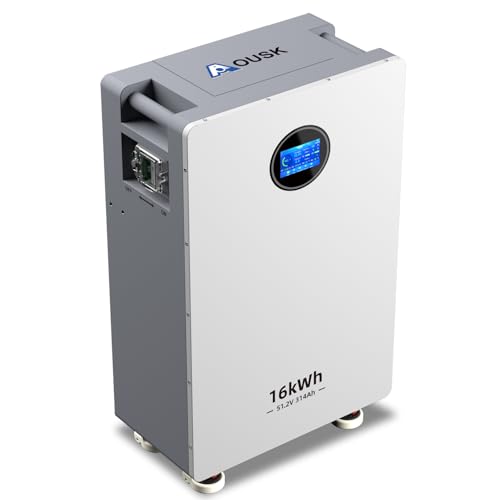
48V 314Ah LiFePO4 Battery 16.07kWh

ECO-WORTHY 10KW 9.36KWH Off Grid Home Kit

ECO-Worthy 7.168KWH 800W RV Off Grid Kit

ECO-WORTHY 4.68KWH 1200W Home Solar Kit
More Details On Our Top Picks
Portable storage like this fits the messy middle between a tiny power bank and a full fixed solar setup. With 2042Wh of stored energy, a 2200W AC output, and LiFePO4 chemistry, it suits homes that want backup for phones, routers, lights, and selected appliances without wiring a permanent battery bank.
The USB-C PD 100W port helps with modern laptops and fast-charging gear, which is handy during outages or on a long drive to a cabin. Compared with the larger stationary systems below, this one is far easier to move, though the trade-off is obvious, you give up the scale and permanence of a wall-mounted energy store.
Strong Points
- LiFePO4 battery chemistry generally suits repeated charging cycles better than older lithium styles, so it makes sense for regular backup use.
- 2200W AC output gives you room for many household essentials, not just small electronics.
- USB-C PD 100W is useful for modern laptops and compact work setups.
- Portable form factor makes it easier to store in a closet or take on a weekend trip.
Things To Consider
- Capacity is strong for a portable unit, but it still sits well below the fixed systems in this list.
- Solar panel support depends on pairing, since the panel is optional here.
- Heavier portable stations usually ask for a little planning around storage and lifting.
Feature Snapshot
Who It Suits Best
Households that want a movable backup unit for outages, travel, or light cabin use will get the most from this Jackery.
Another Choice May Suit
ECO-WORTHY 10KW 9.36KWH Off Grid Home Kit makes more sense for someone planning a fixed whole-home setup rather than a portable station.
This one is for people building storage first, not carrying power around the house. A 12V, 600Ah LiFePO4 battery with a built-in 200A BMS, meaning battery management system, gives you a serious single-unit block for RV banks, solar rooms, or off-grid storage where a large reservoir matters more than portability.
At 7200Wh, it sits well above the Jackery in raw storage, but it also asks for a more committed installation plan and compatible charging gear. The honest read is that it makes the most sense for hands-on setups where the battery can stay put and do one job day after day.
What We Like
- 7200Wh of storage gives you plenty of headroom for a larger off-grid or backup bank.
- Built-in 200A BMS helps manage high current delivery in a single package.
- LiFePO4 chemistry suits deep cycling, which matters in daily solar use.
- Single-battery format can simplify layout compared with juggling several smaller units.
- Strong fit for RVs and home storage spaces where the battery can stay mounted or staged.
Worth Noting
- This is not a grab-and-go unit, so mobility is not the point.
- Large 12V storage can demand thoughtful cabling and charging compatibility.
- You may need more space than you would for a compact portable station.
Core Details
Made For
Off-grid homeowners and RV users with room for a large fixed battery will get the most from this dumfume battery.
Where A Sibling Pick Shines
Jackery Explorer 2000 v2 Portable Power Station 2042Wh suits anyone who wants backup that moves from room to room without a full installation.
This ECO-WORTHY setup reads like a full system rather than a single battery, and that changes the conversation. You get 6 solar panels, 2 lithium batteries, a 60A MPPT charge controller, and a 3000W pure sine wave inverter, so the kit covers generation, storage, and conversion in one package.
For a smaller off-grid cabin or a serious garage build, that kind of completeness saves you from piecing together separate parts from scratch. The trade-off is size and complexity, so it suits a more committed install than the Jackery or the lone dumfume battery.
Highlights
- Complete system layout reduces the guesswork of assembling separate parts.
- Two 12.8V 280Ah batteries give the storage side more substance than compact kits.
- 3000W pure sine wave inverter is a practical match for many household loads.
- 60A MPPT controller helps the solar side work efficiently with the array.
Softer Spots
- The full kit asks for more room and planning than a portable unit.
- Install work can be more involved than a battery-only purchase.
- You may prefer a simpler setup for a backup closet or apartment storage area.
Details At A Glance
Perfect Match For
People building a smaller off-grid system with all the main parts in one box will get the most from this ECO-WORTHY kit.
Look Elsewhere When
Jackery Explorer 2000 v2 Portable Power Station 2042Wh makes more sense for someone who wants a simpler, movable backup source.
Once you move into 48V storage, the whole setup starts looking more like a serious home-energy backbone. This AOUSK battery gives you 16.07kWh, a built-in 200A BMS, breakers, an LCD touchscreen, and RS485, CAN, and RS232 communication support, so it belongs in a system that needs monitoring and integration.
That interface support matters most in more advanced installations where visibility and control are part of the plan. Compared with the dumfume 12V battery, this one is far more suited to a fixed home system, but it also asks for a more deliberate install and a place that can handle a large unit.
Bright Spots
- 16.07kWh storage is built for substantial home backup use.
- 48V layout often suits larger inverter systems more naturally.
- LCD touchscreen makes system checks easier at a glance.
- RS485, CAN, and RS232 support helps with integration in more advanced setups.
- Breakers add another layer of practical on-unit control.
Areas To Watch
- This is a stationary battery, so storage and installation need planning.
- Shipping and handling can be more involved with large energy-storage hardware.
- You may find the advanced interfaces more useful than necessary in a simple backup setup.
Technical Sheet
Built With In Mind
Home backup users who want a large fixed battery with monitoring features will get the most from this AOUSK unit.
Swap It Out When
ECO-WORTHY 1200W 24V 5.52KWH Off Grid Kit fits a lighter off-grid build that needs panels and inverter in the same package.
This ECO-WORTHY package pushes into whole-home territory with a 10KW inverter, 9.36KWH of storage, 12 panels at 195W each, and a 120V/240V output setup. That combination makes sense for a household that wants a more serious off-grid plan rather than a small backup buffer.
Compared with the 7.168KWH RV kit, this one leans harder into home power and split-voltage use. The trade-off is that the bigger footprint and broader system scope call for more planning, but the payoff is a setup that can cover more of the house in a single design.
Reasons To Buy
- 10KW inverter output gives the system a broad usefulness range.
- 120V/240V support is a practical fit for larger home loads.
- 12 solar panels create a more substantial generation side.
- 9.36KWH storage makes the battery side more useful for longer backup windows.
Room For Improvement
- The system takes real planning, space, and installation effort.
- It suits a home-based setup more than a portable use case.
- Upfront component count can feel heavy for a first-time installer.
Feature Rundown
The Right Fit
Homeowners planning a larger off-grid system with split-voltage support will get the most from this ECO-WORTHY kit.
Where Another Pick Suits Better
Jackery Explorer 2000 v2 Portable Power Station 2042Wh is the easier choice for backup you can store in a closet and move around.
For RV life or a smaller mobile off-grid build, this kit lands in a comfortable middle zone. It pairs 4 solar panels, a 3000W UPS inverter charger, 2 lithium batteries, a 60A MPPT controller, and Bluetooth support, so you get a lot of system utility without jumping to the size of the larger home kits.
The Bluetooth feature is handy in a mobile setup because it can simplify basic monitoring, though the broader system still asks for thoughtful installation. Relative to the 10KW home kit, this one is easier to wrap your head around, and that makes it a better match for people who want solar support without overbuilding.
Best Bits
- UPS inverter charger adds flexibility for mixed power use.
- Bluetooth support is useful for routine system checks.
- 60A MPPT controller helps manage panel input more efficiently.
- Two 12.8V 280Ah batteries give the storage side substance.
Minor Gripes
- It still needs installation planning, especially in an RV or compact build.
- Four-panel collection is smaller than the bigger home kits in this roundup.
- You may want a simpler single-unit option for pure emergency backup.
Core Details
Whose Shelf It Belongs On
RV owners and mobile off-grid users who want a fairly complete system in one package will get the most from this ECO-Worthy kit.
Reach For A Different Pick When
ECO-WORTHY 10KW 9.36KWH Off Grid Home Kit fits better for a larger permanent house setup with more output headroom.
This compact ECO-WORTHY kit is aimed at smaller home installs that still want a real solar and storage combination. You get 6 N-type bifacial panels, a 48V 50Ah lithium battery, and a 3500W solar charger inverter, so it stays focused without wandering into the heavier footprint of the larger kits above.
N-type bifacial panels can collect light from both sides depending on the setup, which can help in the right placement, though the gain depends on mounting and surroundings. Compared with the 10KW ECO-WORTHY system, this one is easier to fit into a tighter plan, and that makes it a smarter starting point for modest home backup.
Plus Points
- Smaller footprint is friendlier to tighter install spaces.
- N-type bifacial panels can suit reflective or well-spaced mounting areas.
- 3500W inverter capacity is useful for a modest home load plan.
- 48V battery layout fits a more organized home-energy setup.
Points To Note
- Storage is smaller than the larger kits in this roundup.
- Real-world panel benefit depends on mounting conditions.
- You may outgrow it sooner in a larger household.
Quick Facts
Right Fit For
Small homes and space-conscious installs that still want a complete solar-and-storage kit will get the most from this ECO-WORTHY setup.
Where Shoppers Go Wrong
ECO-WORTHY 10KW 9.36KWH Off Grid Home Kit is the better path for households that already know they need more output and a larger battery bank.
How To Choose The Right Battery For Home Solar System
Start With Your Use Pattern
Daily backup needs call for a different battery profile than weekend cabin use. A portable station like the Jackery Explorer 2000 v2 makes sense for short-term outages, while the AOUSK 48V 314Ah battery suits a fixed installation that stays in place.
Storage size matters, but so does how often you expect to cycle the battery. LiFePO4 chemistry is common in this roundup because it suits repeated use better than older styles, which is a big reason it shows up in both portable and stationary picks.
Match Voltage To The Rest Of Your System
Voltage is more than a label, it has to fit your inverter, charge controller, and overall layout. The dumfume 12V battery works in many smaller setups, while the AOUSK 48V unit is better aligned with larger home systems that need steadier architecture.
A mismatch here can turn a good battery into a clumsy install. That is why complete kits, such as the ECO-WORTHY home systems, appeal to people who want the main pieces already designed to work together.
Look Past Capacity Alone
Wh and kWh numbers tell you how much energy is stored, but they do not tell the whole story. Output rating, battery management, inverter size, and panel count all shape what the system can actually support in daily use.
The Jackery is a good reminder of that balance, because it offers portable convenience with real output, while the larger ECO-WORTHY systems trade mobility for broader household coverage. For most homes, the best battery is the one that fits the load pattern without forcing awkward compromises.
Plan For Space, Wiring, And Access
Large batteries and full kits need room for airflow, cabling, and service access. A compact portable unit can live in a closet, but a 16.07kWh battery or 10KW system needs a more deliberate spot.
Think through maintenance too, especially for units with touchscreens, breakers, or communication ports. That extra planning often keeps the system easier to live with after the first week of setup.
Things Worth Knowing First
Wrong Turns To Avoid
One common mistake is chasing capacity without checking whether the inverter and voltage match the rest of the setup. Another is buying a full kit for a small backup need, which can leave you with more hardware than you can comfortably place or wire.
It also helps to separate portable backup from fixed solar storage early. The Jackery Explorer 2000 v2 and the AOUSK 48V battery solve very different problems, even though both sit in the same general category.
The Upgrade Payoff
Higher-tier systems cost more because they usually include more storage, stronger output, and more hardware around control and conversion. You are paying for larger battery banks, bigger inverters, more panels, and often better monitoring features.
That upgrade is worth it when your home load is substantial or you want fewer piecemeal parts to assemble. A larger ECO-WORTHY kit can make more sense than stacking small units once you start planning for wider backup coverage.
Frequently Asked Questions
What size battery suits a small home backup setup?
A portable unit like the Jackery Explorer 2000 v2 works well for essentials such as lights, networking gear, and charging. A small fixed kit can make sense too, but only when your wiring plan is already clear.
Is LiFePO4 a good fit for solar storage?
LiFePO4 is a practical choice for repeated charging and daily solar cycling. That is why it appears across both portable and stationary picks here.
What does 48V mean in a home solar system?
48V usually points to a more structured, larger-scale setup. It often pairs well with bigger inverters and serious home backup plans.
Do complete kits make installation easier?
Complete kits reduce the guesswork of matching panels, batteries, controllers, and inverters. They still need planning, but the component matching is simpler than building from separate parts.
Can a portable power station replace a fixed solar battery?
It can cover backup needs, but it does not replace a full home energy bank. A portable station is better for mobility and short outages, while a fixed battery handles larger sustained use.
Final Thoughts
The right Battery For Home Solar System depends on how much storage you need, how permanent the install is, and whether you want one unit or a full kit. For simple backup, the Jackery Explorer 2000 v2 keeps things manageable. For larger home plans, the AOUSK 48V battery and the ECO-WORTHY home kits make a stronger case. Match the hardware to your space and your load, and the rest gets much easier.
